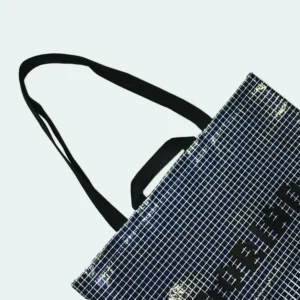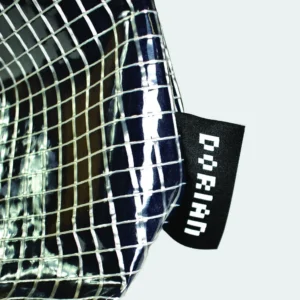


In the contemporary landscape of retail and brand positioning, a bag is rarely just a vessel for transport; it is a mobile manifestation of a brand’s identity, a technical tool for specific utility, or a luxury statement piece. The Bag Workshop stands at the critical intersection of visionary design and industrial execution, serving as the essential bridge between a creator’s initial spark and a retail-ready product. For businesses, influencers, and independent designers, the journey from a napkin sketch to a global shipping container is fraught with technical hurdles, material complexities, and logistical nightmares. The Bag Workshop exists to dismantle these barriers, acting as a design and production partner that translates abstract concepts into technically sound, high-performance, and ethically manufactured carry solutions.
The scope of modern bag manufacturing is vast, and The Bag Workshop refuses to be pigeonholed into a single niche. Their expertise spans the entire spectrum of the industry. On one end of the floor, they might be developing high-performance technical backpacks engineered for extreme environments, requiring reinforced stitching and specialized ergonomic support. On the other, they could be crafting avant-garde fashion pieces for the runway or luxury goods featuring intricate leather detailing and custom-forged hardware. Their portfolio includes everything from sustainable, high-volume totes for grocery retail to bespoke product packaging designed to elevate the "unboxing" experience for high-end influencers. If an object is designed to be carried, The Bag Workshop possesses the mechanical and aesthetic intelligence to manufacture it.
The journey begins with the design process, which is often the most intimidating phase for creators. Many clients approach the workshop with nothing more than a rough sketch, a digital mood board, or a basic description of a problem they need to solve. The Bag Workshop specializes in this "napkin-to-blueprint" transition. Their internal design team takes these nascent ideas and develops rigorous Technical Specifications (Tech Packs). This involves creating Computer-Aided Design (CAD) drawings that outline every measurement, seam allowance, and stitch type. To facilitate this, they utilize a proprietary "bag fact-finder form," a diagnostic tool that helps clients define the bag’s DNA—its dimensions, intended load, pocket configurations, and aesthetic markers—before a single piece of fabric is cut.
Material selection is where a bag truly finds its character and price point. The Bag Workshop provides access to an expansive library of textiles, ranging from heavy-duty industrial canvas to cutting-edge recycled fabrics. However, they do not just offer choices; they offer consultation. Selecting a fabric is a balancing act between durability, cost-efficiency, and brand ethics. For instance, a brand focusing on rugged outdoor use might be steered toward high-denier nylon, while a luxury boutique might explore vegetable-tanned leathers or premium organic cotton. Crucially, the workshop practices "value engineering." If a client’s vision exceeds their budget, the team suggests strategic "swap-outs"—perhaps changing a solid brass buckle for a high-quality zinc alloy or adjusting the fabric weight—to meet the target price point without compromising the bag’s structural integrity.
Customization extends far beyond the choice of fabric. The Bag Workshop offers a comprehensive suite of branding options that allow a bag to become a "walking billboard." This includes traditional screen printing and intricate embroidery, as well as more sophisticated techniques like heat transfer, debossing for leather components, and custom-molded zipper pulls or woven labels. Every element is an opportunity for brand reinforcement. Even the interior lining and the "unboxing" elements, such as compostable polybags or custom-branded dust bags and retail boxes, are integrated into the production workflow.
When moving from design to the factory floor, the conversation shifts to production and logistics. For bespoke, tailor-made bags, the Minimum Order Quantity (MOQ) typically ranges between 250 and 500 units. This threshold is determined by the technical complexity of the design and the minimum runs required by textile mills for custom-dyed fabrics. While luxury or highly specialized items can sometimes be produced in lower volumes, the 250-unit mark ensures that the cost of developing custom molds and technical blueprints is amortized effectively across the run. The timeline for this process is a disciplined march: approximately three weeks for initial sampling and refinement, followed by four to twelve weeks for mass production. Shipping then adds another layer, ranging from ten days via air freight for urgent launches to five weeks by sea for cost-effective global distribution.
One of the most significant advantages of partnering with a professional workshop over going "direct to factory" is the management of the "landed cost." The Bag Workshop provides pricing that includes shipping, duties, and taxes delivered directly to the client’s door. This transparency eliminates the "hidden" costs—such as customs brokerage fees or unexpected port charges—that often derail independent manufacturing attempts. Furthermore, they act as the ultimate arbiter of quality. Every production run undergoes rigorous Quality Assurance (QA) checks based on UK quality standards. This ensures that the final product delivered to a warehouse in London or New York possesses the same level of craftsmanship as a sample produced in a boutique studio.
In an era where consumers demand corporate responsibility, the ethics of manufacturing have moved from the periphery to the center of the business model. The Bag Workshop operates with a "sustainability-first" mindset. They are experts in sourcing eco-friendly materials, including RPET (textiles made from recycled plastic bottles), Fairtrade cotton, organic mesh, and innovative bio-leathers like Piñatex, which is derived from pineapple leaf fibers. They even offer "vegan-friendly" manufacturing, ensuring that every component—down to the glues and dyes—is free from animal by-products. To back these claims, their partner factories are SEDEX audited, providing a transparent and documented trail of ethical labor practices and environmental compliance.
The technical durability of the product is equally prioritized. For bags intended to carry significant weight, the workshop conducts load-bearing tests to ensure that handles and stress points are reinforced correctly. They also navigate the technical nuances of environmental protection, distinguishing clearly between "water-resistant" coatings (Durable Water Repellent) and true "waterproof" construction involving seam-taping and specialized waterproof zippers. By defining these requirements during the CAD phase, the workshop ensures the bag performs as promised in its intended environment.
Intellectual Property (IP) remains a cornerstone of the client-workshop relationship. Unlike off-the-shelf stock bags, which are generic templates available to anyone, a bespoke bag developed with The Bag Workshop is the exclusive IP of the client. The workshop operates under strict Non-Disclosure Agreements (NDAs), ensuring that a client’s unique design, innovative pocket configuration, or proprietary material blend is never replicated for another brand. This ownership allows a company to differentiate itself in a crowded market, offering a product that solves specific problems—such as specialized internal housing for tech equipment or perfected ergonomics for specific body types—that generic alternatives simply cannot address.
Ultimately, the decision to go bespoke is a strategic one. While the upfront investment in design and sampling is higher than buying "off-the-shelf," the long-term ROI is found in brand equity and product longevity. A bespoke bag is not just an accessory; it is a specialized tool and a high-value marketing asset. By acting as the technical and logistical bridge, The Bag Workshop ensures that the transition from a creative vision to a physical product is seamless, ethical, and commercially viable. Whether it is a sustainable grocery tote or a high-end technical backpack, the secret to a successful bag lies in the meticulous fusion of design intelligence and manufacturing discipline.