

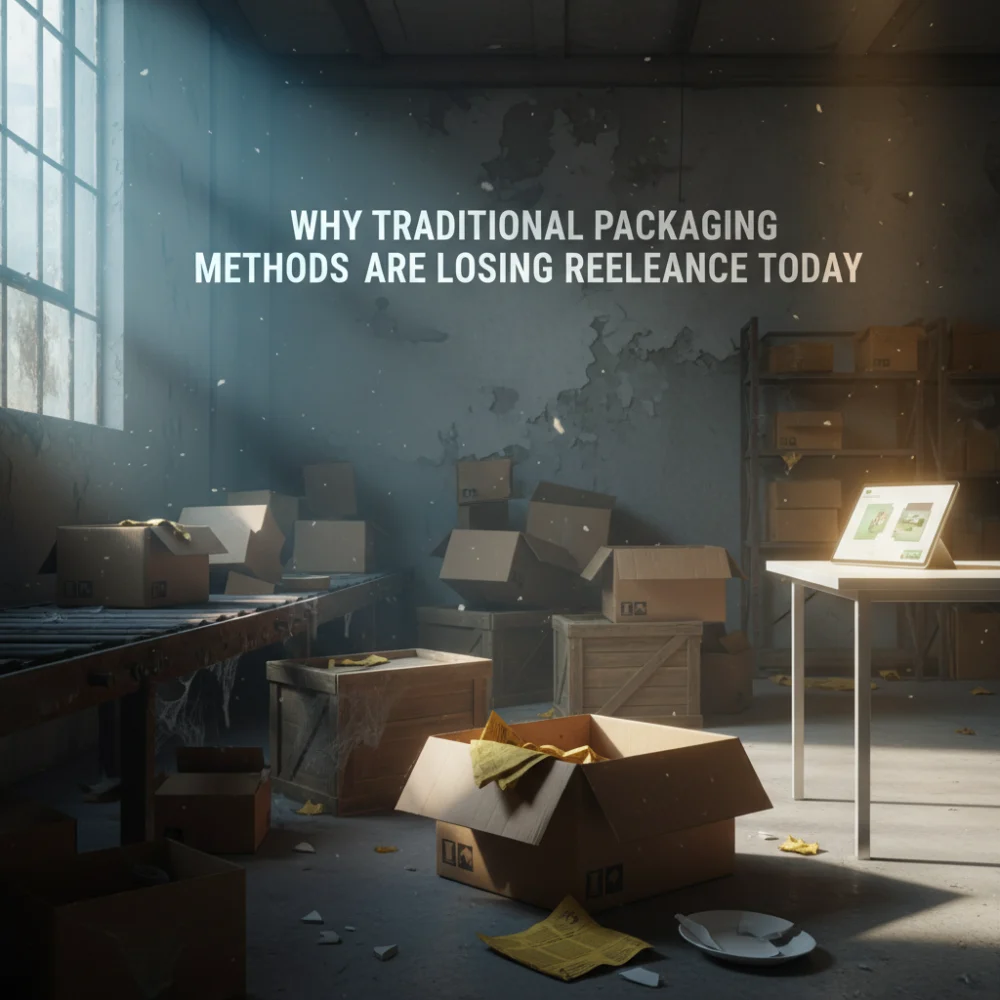
For centuries, packaging served a singular, straightforward purpose: protection and containment. From simple wax seals to bulky corrugated boxes, the focus was purely functional. However, the 21st century has introduced a complex matrix of demands that legacy packaging systems simply cannot meet efficiently or ethically. The relevance of these traditional methods is waning as innovation takes center stage.
The Sustainability Imperative: Beyond Single-Use
The most significant driver rendering old methods irrelevant is the global push for environmental responsibility. Traditional packaging often relies heavily on non-renewable resources, such as virgin plastics, high-density foams, and multi-laminate materials that are notoriously difficult, if not impossible, to recycle economically. Consumers and regulators are increasingly intolerant of this waste stream.
Traditional reliance on excessive material usage—often termed ‘over-packaging’—is now viewed as corporate negligence. Modern consumers actively seek out brands demonstrating a commitment to circular economy principles. Legacy packaging, characterized by its bulk and non-biodegradable nature, fails this critical litmus test.
The Rise of E-commerce and Logistical Strain
The explosion of e-commerce has fundamentally changed how goods are shipped and handled. Traditional packaging, designed primarily for palletized, B2B logistics, is ill-suited for the rigors of ‘last-mile’ delivery. These older methods often lack the necessary shock absorption, leading to higher rates of product damage during individual parcel handling.
Furthermore, traditional bulky packaging results in significant ‘shipping air’—empty space within boxes that inflates dimensional weight costs. Modern, right-sized packaging solutions, often derived from advanced computational modeling, offer superior protection with minimal material usage, directly challenging the cost-effectiveness of oversized, traditional containers.
Consumer Experience: Unboxing as Marketing
Packaging is no longer just a protective shell; it is the first physical touchpoint a customer has with a brand. Traditional packaging, often plain brown boxes or generic plastic wraps, offers a sterile, forgettable experience. This starkly contrasts with the modern expectation of an engaging ‘unboxing experience’.
Modern packaging innovations focus on tactile appeal, clever opening mechanisms, and integrated branding. Consumers now expect packaging to be:
- Intuitive and easy to open without tools.
- Aesthetically pleasing and ‘Instagrammable’.
- Instantly recognizable as belonging to a premium or conscious brand.
The Limitations of Static Design
Traditional packaging is inherently static. Once printed and sealed, its information and appearance are fixed. This rigidity clashes with the need for dynamic supply chains that require frequent updates, regional compliance labeling, or personalized messaging.
The advent of smart packaging technologies—utilizing QR codes, NFC tags, and augmented reality integration—makes static, printed labels seem antiquated. These new methods allow for real-time tracking, authenticity verification, and dynamic consumer interaction, capabilities simply unavailable with standard cardboard or foam inserts.