
The landscape of professional life has been fundamentally reshaped by 2025. The traditional 9-to-5 office model has given way to hybrid schedules, flexible remote arrangements, and a heightened reliance on portable technology. Consequently, the modern commute—whether involving rapid transit, cycling, or a multi-modal journey—demands a sophisticated carry solution. The humble messenger bag, a timeless classic, has evolved to meet these rigorous requirements, serving not just as a vessel for gear, but as a crucial tool for efficiency, comfort, and professional presentation.
Choosing the best messenger bag for commuting in this new era requires a strategic assessment of five non-negotiable criteria. These factors move beyond simple aesthetics, delving deep into material science, ergonomic design, and digital readiness.
1. The Material Mandate: Durability, Weight, and Sustainability
In 2025, the weight of your bag before it’s even loaded is critical. A heavy, cumbersome leather or overly structured synthetic bag can turn a five-minute walk into a grueling chore. The ideal commuter bag must strike a delicate balance between minimal weight and maximum endurance against daily friction, rain, and UV exposure.
The Rise of Performance Canvas
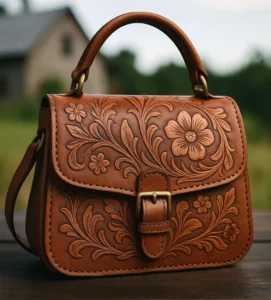
While leather offers unparalleled classic style and longevity, its weight, high maintenance requirements, and vulnerability to rain often make it impractical for the daily urban grind. For the majority of commuters navigating trains and sidewalks, high-density canvas bags have emerged as the superior choice.
Modern canvas is not the thin, flimsy material of the past. Today’s premium canvas is often treated with wax or durable water repellent (DWR) coatings, providing robust weather resistance without the bulk of traditional synthetics. Key advantages include:
- Lightweight Foundation: Canvas significantly reduces the base weight, allowing the commuter to carry more essentials (laptops, chargers, water bottles) without exceeding comfortable carrying limits.
- Rugged Longevity: Canvas develops a unique patina over time, resisting tears and abrasions better than many lightweight nylons. This "lived-in" aesthetic perfectly suits the rugged, yet refined, style demanded by casual professional settings.
- Environmental Consideration: High-quality cotton canvas offers a more sustainable and biodegradable option compared to petroleum-based synthetic materials, appealing to the growing number of eco-conscious professionals.
For those torn between the traditional elegance of leather and the practicality of canvas, detailed comparisons are essential. Understanding the maintenance requirements, cost differences, and inherent structural pros and cons of each material is the first step toward making an informed decision about your primary commuter tool.
2. Engineering the Interior: Smart Organization for the Digital Workflow
The internal architecture of a 2025 messenger bag is arguably more important than its exterior. The bag must function as a mobile office, ensuring quick access to critical items while securely protecting expensive electronics. Merely having a few pockets is insufficient; the organization must be intuitive and optimized for digital professionals.
The Four Tiers of Commuter Organization:
Tier 1: High-Security Electronics:
A dedicated, padded laptop sleeve is mandatory. In 2025, this sleeve must be suspended—meaning the padding does not extend all the way to the base of the bag. This feature, known as "drop protection," ensures that if the bag is accidentally set down hard, the laptop avoids impact shock. The sleeve should accommodate the current standard of 15-inch or 16-inch professional laptops.
Tier 2: Quick-Access Essentials:
This tier includes compartments designed for items needed frequently during transit: phone, wallet, keys, and transit cards. Look for external, zippered pockets or internal sleeves near the opening flap. A key lanyard attachment is a minor detail that drastically improves efficiency.
Tier 3: Cable and Accessory Management:
The hybrid worker carries a plethora of cables, power bricks, mice, and dongles. The best bags feature integrated loops, mesh zippered pouches, and elastic webbing designed specifically to prevent the dreaded "cable spaghetti" at the bottom of the bag. This meticulous organization saves valuable minutes when setting up a workspace.
Tier 4: Hydration and Comfort:
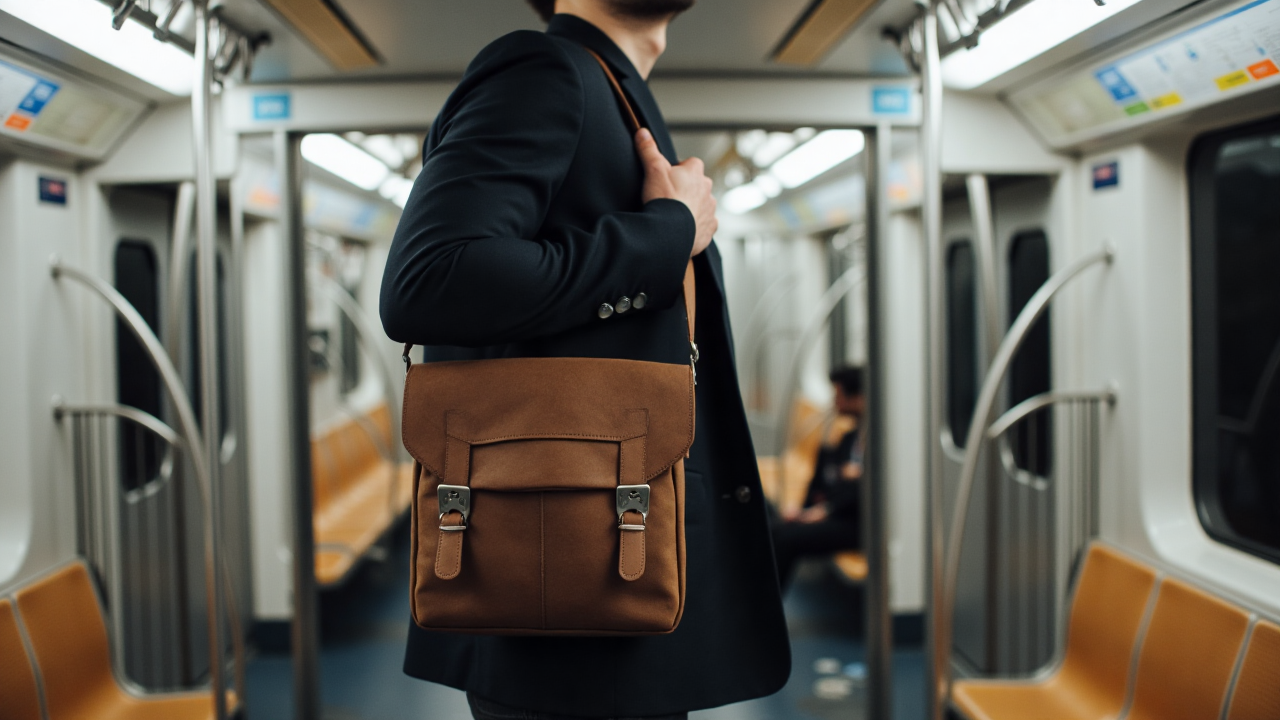
Dedicated water bottle pockets—ideally positioned on the exterior for quick access and spill isolation—are essential. Furthermore, a light-colored interior lining is a highly underrated feature. While a dark lining looks sleek, a contrasting, light-colored fabric (such as tan or grey) makes finding small items, like a flash drive or pen, exponentially easier in low-light environments (like a subway car).
3. Ergonomics and Transit Efficiency: Comfort Under Load
A messenger bag’s primary appeal is its ability to distribute weight diagonally across the back and shoulder, allowing for quick access and better mobility than a traditional backpack. However, poor design can lead to shoulder fatigue and back strain.
The Science of the Crossbody Strap
For true comfort during prolonged commuting, three elements of the strap and design must be prioritized:
- Width and Padding: The strap must be wide (typically 2 inches or more) and feature dense, breathable padding at the contact point. Overly soft padding collapses under weight; dense foam maintains its structure.
- Micro-Adjustability: The ability to adjust the strap quickly is vital. Commuters often need to shorten the strap while walking to keep the bag secure against the body, then loosen it slightly when seated on the bus or train. High-quality, smooth-gliding hardware is a must.
- Stabilization Straps (The Cyclist’s Necessity): For commuters who bike, scooter, or walk briskly, a secondary, removable sternum or waist strap prevents the bag from swinging forward when leaning over. This stabilization feature transforms the messenger bag from a shoulder carry into a performance transit device.
Furthermore, look for a rear luggage pass-through sleeve (or trolley sleeve). This allows the bag to slide securely over the handle of a rolling suitcase, a crucial feature for the business professional who commutes directly to the airport.
4. Resilience and Security: Shielding Your Assets from the Elements and Others
The urban environment is unpredictable, characterized by sudden downpours, crowded spaces, and varying temperatures. A 2025 commuter bag must offer robust protection on multiple fronts.
Weatherproofing Beyond the Flap
While the messenger bag’s traditional flap closure offers decent protection, modern bags integrate advanced weatherproofing:
- Waxed Canvas and DWR: As noted, treated canvas is the first line of defense.
- Waterproof Zippers: Crucially, look for sealed or "reverse coil" zippers on external pockets that are exposed to rain.
- Base Reinforcement: The bottom of the bag is the most vulnerable point. Bags with reinforced, often synthetic or rubberized, bases prevent moisture from wicking up from wet sidewalks or floors.
Anti-Theft Features
In crowded transit hubs, security is paramount. Effective commuter bags incorporate subtle anti-theft measures:
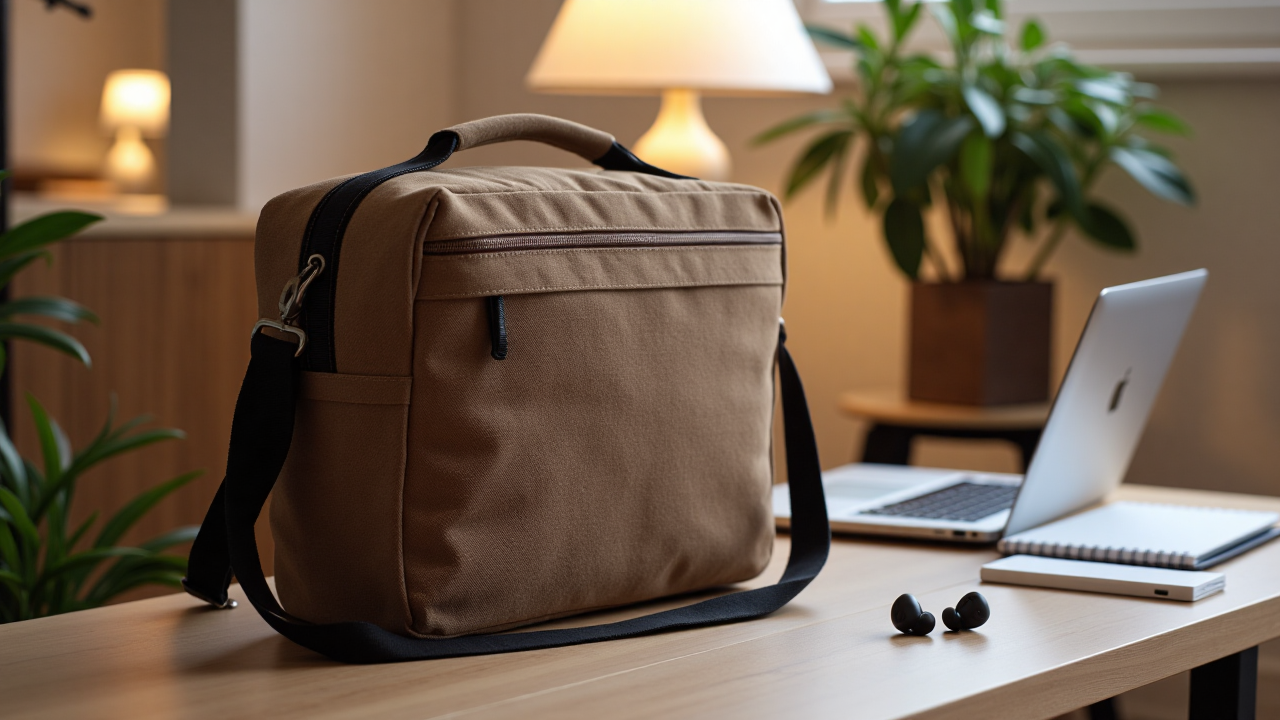
- Hidden Pockets: Discreet pockets located close to the body (e.g., against the back panel) are ideal for storing passports, cash, and sensitive identification.
- Lockable Zippers: While not foolproof, zippers with small loops that can accommodate a travel lock deter opportunistic theft.
- RFID Blocking: With increasing concern over digital theft, integrated RFID-blocking pockets are becoming standard for safeguarding credit cards and IDs.
5. Style and Versatility: The Professional Aesthetic
A commuter bag often acts as the final piece of a professional ensemble. In an era where workplace dress codes are relaxed but still require polish, the bag must transition seamlessly from a bicycle basket to a boardroom chair.
The Timeless Appeal of Earth Tones:
Neutral, earthy colors like brown, charcoal grey, and military green are highly favored. They offer better stain resistance than lighter shades and possess an inherent versatility that pairs well with both formal suits and casual denim.
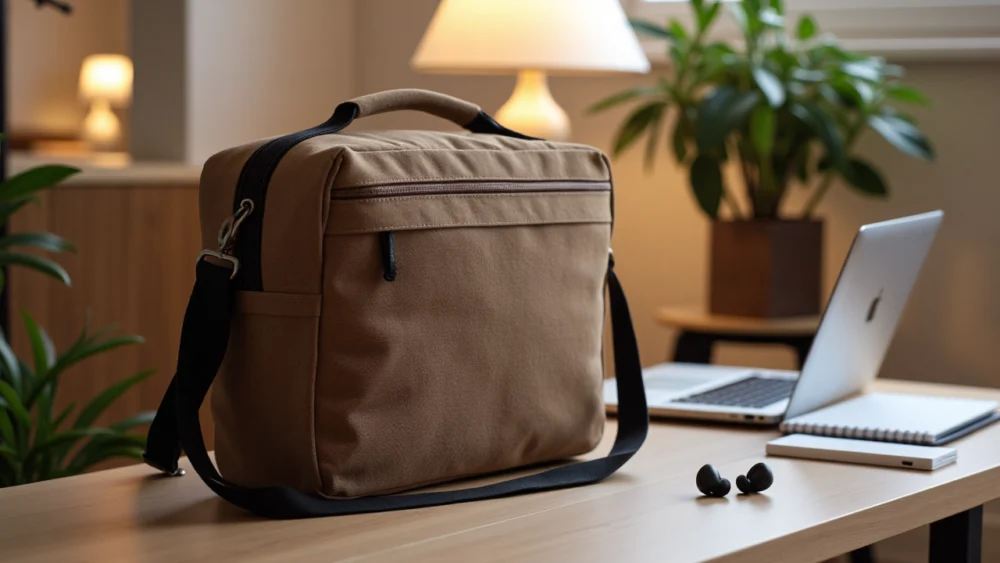
Specifically, the brown canvas messenger bag achieves the optimal balance. It projects the professionalism associated with leather but retains the approachable, rugged utility of canvas. The rich color ages gracefully, masking minor scuffs and developing character without appearing neglected. This aesthetic versatility ensures the bag is appropriate for a client meeting downtown, a casual café work session, or a university lecture hall.
Top Pick for 2025: The CanvasBag.co Urban Commuter
Considering the synthesis of all these critical features—lightweight durability, specialized digital organization, ergonomic comfort, and versatile style—the Brown Canvas Messenger Bag from CanvasBag.co stands out as the definitive choice for the 2025 hybrid professional.
This bag integrates reinforced, waxed canvas construction for superior weather resistance and lightweight carry. Its interior features tiered organization, including a suspended 16-inch laptop sleeve and dedicated cable loops. The wide, adjustable strap is designed with breathable padding, ensuring comfort during peak-hour travel. It is the quintessential carry solution engineered for efficiency, durability, and a sharp professional look, making the daily transition between environments smoother and more streamlined.
Ready to upgrade your daily carry from a simple container to a strategic tool? Investing in a bag that meets the demands of modern commuting—lightweight, organized, secure, and stylish—is investing directly in your daily productivity and comfort.