

The Paradigm Shift in Global Distribution
The landscape of global distribution has undergone a radical transformation over the last decade. Traditional practices, which relied heavily on linear supply chains and predictable market cycles, are increasingly finding themselves at odds with the fast-paced, digital-centric economy of today. In the past, distribution was seen as a back-end utility focused solely on moving goods from point A to point B. However, in the modern era, it has become a critical competitive differentiator that requires agility, real-time data, and a deep understanding of consumer behavior.
The Decline of Batch Processing and Static Schedules
One of the primary reasons old practices are failing is their reliance on batch processing. Historically, distributors would process orders in large chunks at specific times of the day. This worked when lead times were measured in weeks. Today, however, customers expect near-instantaneous order confirmation and rapid fulfillment. Modern distribution demands a continuous flow of information and goods, where systems are updated in real-time to reflect inventory changes, shipping status, and demand fluctuations.
The Rise of Omni-Channel Complexity
Legacy distribution models were often built for a single channel, such as supplying brick-and-mortar retail stores. Modern demands require an omni-channel approach, where inventory must be accessible across physical stores, e-commerce platforms, and third-party marketplaces simultaneously. Old systems often struggle with this level of fragmentation, leading to siloed inventory that is unavailable where it is needed most, ultimately resulting in lost sales and customer dissatisfaction.
Consumer Expectations and the Amazon Effect
The Amazon Effect has fundamentally altered what customers—both B2C and B2B—expect from distributors. Speed, transparency, and low costs are no longer luxuries; they are baseline requirements. Traditional practices that involve manual paperwork, long transit times, and lack of tracking visibility cannot compete with the high-tech, high-speed logistics networks that have become the industry standard. Meeting these expectations requires a complete overhaul of legacy workflows.
The Inefficiency of Manual Inventory Management
In the past, manual cycle counts and physical ledgers were the norms for tracking stock. These methods are prone to human error and are far too slow for the current market. Modern distribution relies on Automated Identification and Data Capture (AIDC) technologies, such as RFID and IoT sensors. These tools provide 100% accuracy and real-time visibility, allowing companies to maintain leaner inventory levels while avoiding the dreaded out-of-stock scenarios that plague older systems.
Fragmentation of the Last-Mile Delivery
Last-mile delivery has become the most expensive and complex part of the distribution process. Old practices often relied on a single carrier or a static delivery route. Modern demands require dynamic routing, crowdsourced delivery fleets, and local micro-fulfillment centers. Without these modern strategies, traditional distributors face skyrocketing logistics costs and a failure to meet the same-day or next-day delivery windows that define modern commerce.
The Failure of Rigid Legacy Software
Many distribution centers still operate on legacy ERP (Enterprise Resource Planning) systems that were designed in the 1990s or early 2000s. These systems are often rigid, difficult to update, and lack the API connectivity needed to integrate with modern e-commerce platforms and logistics providers. This lack of interoperability creates data bottlenecks, making it impossible for a business to scale or adapt to new market trends quickly.
From Warehousing to Dynamic Fulfillment Centers
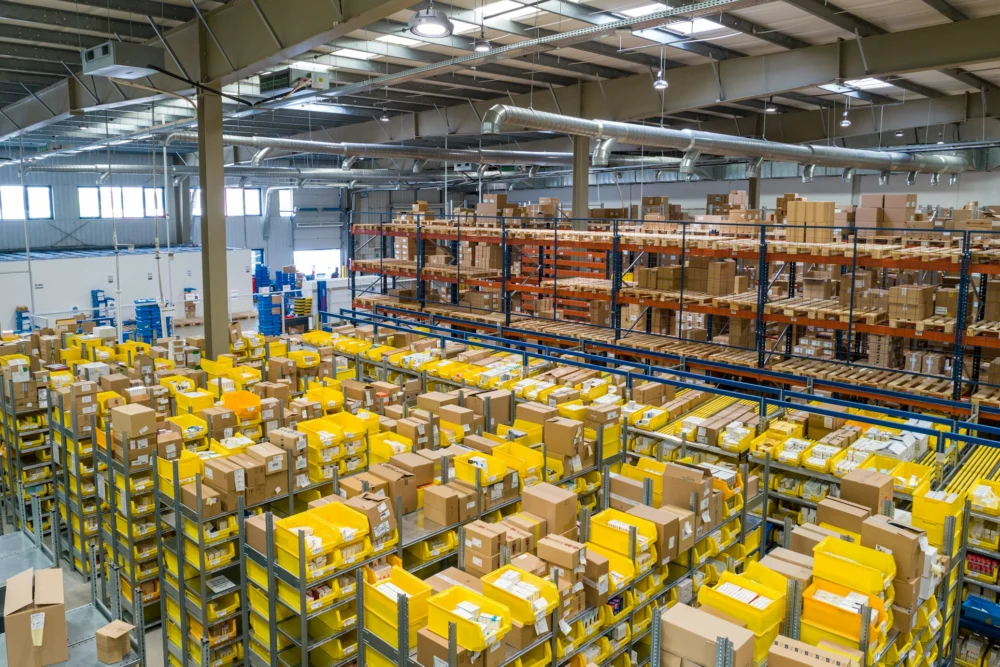
The very concept of the warehouse has changed. Historically, a warehouse was a place to store goods for long periods. Today, the focus has shifted to fulfillment centers, which are designed for high-velocity throughput. Traditional practices that emphasize storage density over picking efficiency are no longer viable. Modern facilities prioritize flow, using automated storage and retrieval systems (AS/RS) to ensure that goods move in and out as quickly as possible.
The Importance of Predictive Analytics
Old distribution models were reactive, responding to orders as they came in. Modern distribution is increasingly predictive. By leveraging big data and machine learning, companies can now forecast demand with incredible accuracy, allowing them to position inventory closer to the end consumer before an order is even placed. Legacy practices lack the analytical depth to perform these functions, leaving them at a perpetual disadvantage.
Addressing the Labor Shortage through Automation
The logistics industry is currently facing a significant labor shortage. Traditional distribution practices are labor-intensive, relying on large teams for picking, packing, and sorting. As labor costs rise and availability shrinks, these old methods become unsustainable. Modern distribution addresses this by integrating collaborative robots (cobots) and automated sorting systems, which increase productivity and reduce the reliance on manual labor.
Sustainability and the Green Supply Chain
Modern consumers and regulatory bodies are placing increased pressure on companies to adopt sustainable practices. Traditional distribution models, which often prioritize cost-cutting at the expense of environmental impact, are falling out of favor. Modern demands require optimized routing to reduce carbon footprints, sustainable packaging materials, and efficient reverse logistics for returns. Old practices simply do not have the framework to support these green initiatives effectively.
The Need for Supply Chain Resilience
Global events over the last few years have highlighted the fragility of traditional supply chains. Old practices often relied on just-in-time models that left no room for error. Modern distribution demands resilience and redundancy. This involves diversifying suppliers, utilizing multi-modal transportation, and having the digital infrastructure to pivot quickly when a disruption occurs. Legacy systems are often too brittle to handle such volatility.
Data Security in the Digital Age
As distribution becomes more digitized, the risk of cyber threats increases. Traditional practices often ignored cybersecurity, focusing instead on physical security. However, modern distribution networks are highly interconnected, making them vulnerable to data breaches and ransomware. A modern distribution strategy must include robust cybersecurity protocols to protect sensitive customer data and ensure business continuity, a concept foreign to many legacy operations.
The Evolution of B2B Procurement
B2B buyers now expect a B2C-like experience. They want self-service portals, easy re-ordering, and transparent pricing. Old distribution practices, which relied on sales reps, phone calls, and faxed orders, are too slow and cumbersome for today’s professional buyer. Modern distribution requires a robust digital storefront and integrated procurement systems that allow for seamless, automated transactions between businesses.
Conclusion: Embracing Digital Transformation
In summary, the gap between old practices and modern distribution demands is widening. To remain competitive, distributors must move away from static, manual, and reactive models toward agile, automated, and data-driven strategies.
- Invest in modern WMS and ERP software
- Implement IoT for real-time tracking
- Adopt sustainable logistics practices
- Focus on last-mile efficiency
By embracing these modern demands, businesses can transform their distribution network from a cost center into a powerful engine for growth and customer loyalty.