

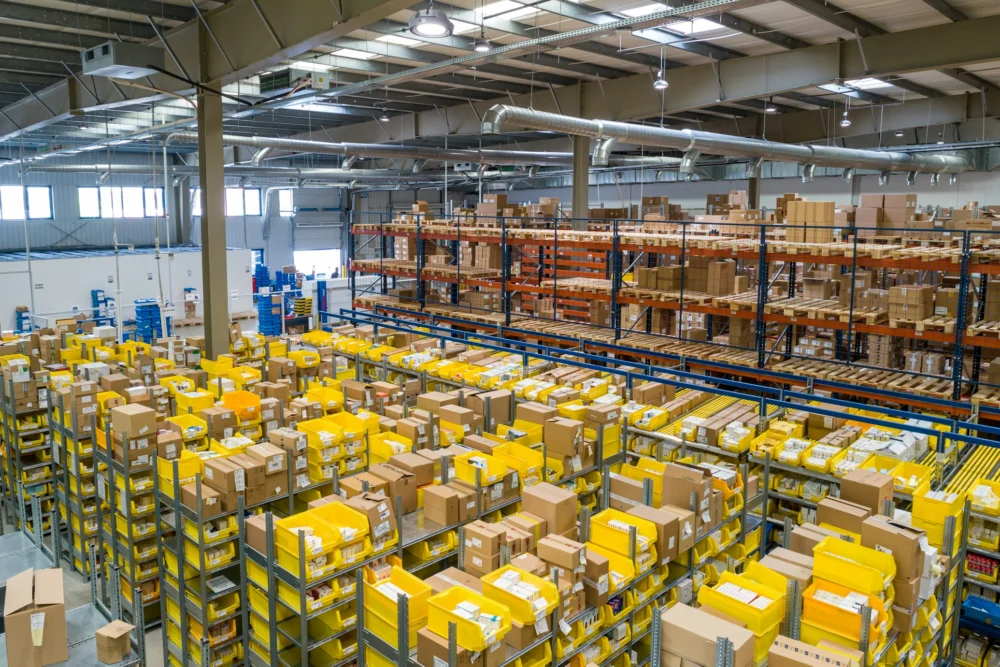
In the modern global supply chain, the integrity of goods during transit and storage is a critical factor in maintaining profitability and customer satisfaction. Improved handling methods are not merely a luxury but a fundamental necessity for businesses looking to minimize loss. When products move through various stages of the logistics cycle, they are exposed to numerous risks including mechanical shock, compression, and environmental stressors. By refining the ways in which these items are touched, moved, and secured, companies can see a drastic reduction in cumulative damage over time.
The financial impact of product damage extends far beyond the immediate replacement cost of a single item. It encompasses the labor required for returns processing, the waste of raw materials, and the potential loss of brand reputation. Strategic handling improvements address these systemic inefficiencies by focusing on prevention rather than reaction. Through a combination of better equipment, smarter workflows, and enhanced employee awareness, organizations can ensure that products arrive at their destination in pristine condition, thereby protecting the bottom line.
The Role of Ergonomic Equipment in Damage Prevention
One of the primary drivers of product damage is human error caused by physical fatigue or improper lifting techniques. By introducing ergonomic handling equipment such as vacuum lifters, adjustable workstations, and powered pallet jacks, companies reduce the physical strain on workers. This leads to more controlled movements and a significant decrease in accidental drops or collisions. When employees have the right tools to manage heavy or awkward loads, the precision of handling increases, which directly translates to lower damage rates over extended periods.
Furthermore, specialized machinery designed for specific product categories can mitigate risks that general-purpose equipment cannot. For instance, using clamp attachments with pressure sensors for paper rolls or appliances ensures that the grip is firm enough for safety but gentle enough to avoid crushing the product. This level of precision handling is essential for maintaining the structural integrity of goods throughout their journey in the warehouse.
Comprehensive Staff Training and Cultural Shifts
While technology is vital, the human element remains the most significant variable in material handling. Implementing standardized training programs ensures that every member of the team understands the specific vulnerabilities of the inventory they manage. Core training components often include:
- Proper lifting and stacking techniques to maximize stability
- Safe operation of heavy machinery like forklifts and reach trucks
- Correct application of protective dunnage and stretch wrap
- Emergency response protocols for handling spills or leaks
By educating workers on these points, companies ensure consistent adherence to safety protocols.
Creating a corporate culture that prioritizes quality over sheer speed is another essential component. When speed is the only metric for success, handling quality often suffers. By incentivizing damage-free handling, companies encourage their staff to take the necessary time to secure loads properly. This shift in mindset from simply moving boxes to managing valuable assets fosters a sense of responsibility that naturally reduces the frequency of mishandling incidents.
Innovative Packaging as a Protective Layer
Packaging serves as the primary barrier between a product and the external environment. Improved handling methods must be supported by advanced packaging solutions that are tailored to the product’s fragility and the expected rigors of the shipping route. This includes the use of custom-molded inserts, corner protectors, and high-strength corrugated materials. By analyzing the common points of failure in existing packaging, businesses can engineer better solutions that absorb shock and resist compression more effectively.
Sustainability also plays a role in modern packaging strategies. Using recyclable but highly durable materials like honeycomb cardboard or biodegradable foams can provide excellent protection without increasing the environmental footprint. Sustainable protection ensures that even as handling methods evolve, the physical safeguards surrounding the product remain robust enough to withstand the stresses of long-distance transport and multiple touchpoints.
Integration of Automation and Robotics
The rise of warehouse automation has revolutionized how products are moved. Robotic arms and Automated Guided Vehicles (AGVs) offer a level of consistency that is impossible to achieve through manual labor alone. These systems are programmed with exact acceleration and deceleration curves, ensuring that goods are never subjected to sudden jolts. Because robots operate within strictly defined parameters, the risk of impact damage caused by erratic driving or improper placement is virtually eliminated.
Automation also allows for more sophisticated sorting and palletizing. Algorithms can calculate the most stable stacking patterns, placing heavier items at the base and lighter items on top to prevent crushing. Automated palletization ensures that every load is structurally sound before it even leaves the warehouse, significantly reducing the likelihood of shifts or collapses during transit which are major causes of damage.
Leveraging Data and IoT for Continuous Improvement
Modern handling methods are increasingly data-driven. The use of Internet of Things (IoT) sensors attached to pallets or high-value items allows managers to monitor conditions in real-time. These sensors can track impact levels, tilt angles, and even temperature fluctuations. By collecting this data, companies can identify specific points in their supply chain where damage is most likely to occur, whether it is a particular loading dock or a specific carrier route.
This visibility enables a proactive approach to damage reduction. Instead of wondering why a shipment arrived damaged, logistics managers can look at the sensor data to pinpoint the exact moment of the incident. This allows for targeted interventions, such as retraining specific personnel or adjusting the layout of the warehouse to eliminate tight corners or uneven flooring that may be contributing to the problem.
Environmental Control and Stability
Damage is not always mechanical; it can also be environmental. Improved handling methods include the strict management of ambient conditions such as humidity and temperature. For products like electronics, pharmaceuticals, or perishables, even a brief exposure to sub-optimal conditions can cause irreparable harm. Utilizing climate-controlled storage and specialized transport containers ensures that the product’s chemical and physical properties remain stable over time.
Implementing moisture-absorbing desiccant packs and thermal blankets are simple yet effective handling improvements. These tools protect against container rain and extreme heat, which are common causes of damage in sea freight. By viewing environmental management as a core component of the handling process, businesses can protect their inventory from the invisible threats that lead to long-term degradation and failure.
In conclusion, the transition toward improved handling methods is a strategic investment that yields significant dividends. By combining ergonomic equipment, comprehensive training, advanced packaging, and cutting-edge technology, organizations can create a resilient supply chain that minimizes waste and maximizes value. As global commerce becomes more complex, the ability to deliver goods safely and consistently will remain a key differentiator for successful enterprises. Reducing damage over time is not just about saving money; it is about building a reputation for excellence and reliability in an increasingly competitive marketplace.