

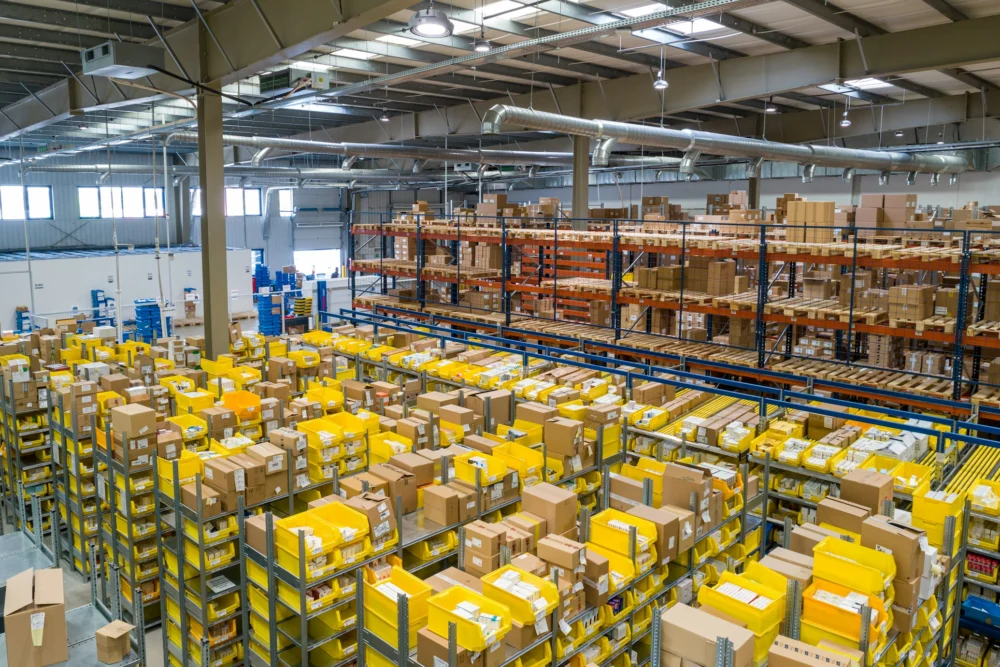
Workplace safety is a multifaceted discipline, often focusing on high-visibility hazards like machinery guarding or emergency exits. However, one of the most pervasive and frequently underestimated contributors to workplace accidents is poor storage management. When storage systems are inadequate, disorganized, or improperly utilized, they transform from benign necessities into active threats, leading to trips, falls, material damage, and even chemical exposure.
The Hidden Costs of Disorganization: Many organizations fail to quantify the true cost of haphazard storage. Beyond the immediate risk of injury, disorganized storage leads to wasted time searching for tools or materials, increased product damage due to improper stacking, and higher insurance premiums following preventable incidents. Investing in superior storage is, therefore, an investment in operational efficiency and liability reduction.
Understanding the Hierarchy of Storage Hazards
To improve safety, one must first categorize the hazards inherent in poor storage. These generally fall into three categories: physical obstructions, material integrity risks, and accessibility issues leading to improper handling.
- Physical Obstructions: Improperly stored items blocking aisles, fire exits, or access to electrical panels create immediate trip hazards and impede emergency response.
- Material Integrity Risks: Storing heavy items too high, storing corrosive materials near incompatible substances, or using damaged shelving units leads to catastrophic failures.
- Accessibility Issues: When items are stored in hard-to-reach locations without proper mechanical aids, employees are tempted to use unsafe substitutes like stacking boxes to climb on, drastically increasing fall risk.
The Role of Ergonomics in Storage Design: Modern safety standards demand that storage solutions support ergonomic principles. This means minimizing bending, reaching, and heavy lifting. Utilizing drawer systems, pull-out shelving, and vertical lift modules ensures that frequently accessed items are kept within the ‘strike zone’—the area between the shoulders and mid-thigh—significantly reducing musculoskeletal disorders (MSDs).
Selecting the Right Shelving and Racking Systems
The foundation of safe storage lies in the structural integrity of the supporting hardware. Using light-duty shelving for heavy inventory is a recipe for disaster. Industrial environments require heavy-duty steel racking systems that are properly anchored to the floor and capable of bearing maximum load ratings with a significant safety margin.
Anchor It Down: For facilities in seismic zones or areas prone to heavy traffic vibration, anchoring all tall storage units to structural walls or floors is non-negotiable. Unsecured tall shelving can topple, causing crush injuries or blocking critical pathways.
Load Capacity Labeling: A critical, yet often overlooked, safety measure is clear and visible load capacity labeling on every rack bay. Employees must instantly know the maximum safe weight for that specific section, preventing overloading incidents.
Hazardous Material Storage Compliance
Chemical storage presents the highest level of regulatory and safety risk. Better storage choices here mean strict adherence to OSHA and EPA guidelines. This involves using specialized cabinets designed to contain spills, resist corrosion, and prevent explosive atmospheres.
- Segregation: Incompatible chemicals (e.g., acids and bases, oxidizers and flammables) must be stored in separate, dedicated, fire-rated cabinets or rooms, often requiring secondary containment trays.
- Ventilation: Volatile or toxic substances require ventilated storage cabinets to prevent the buildup of hazardous fumes, protecting personnel even during routine access.
- Accessibility for Emergencies: Spill response kits and safety data sheets (SDS) must be stored immediately adjacent to, but not obstructing, the hazardous material storage area.
Tool and Equipment Control: Shadow boards and dedicated tool cribs are superior storage choices for maintenance and production tools. When every tool has a designated place, missing items are immediately apparent, reducing the risk of tools being left on elevated platforms where they could fall onto workers below.
Vertical Space Optimization: Utilizing vertical space efficiently is key to keeping floor space clear, which is the primary defense against slips, trips, and falls. Automated storage and retrieval systems (AS/RS) and high-bay racking, when combined with appropriate lifting equipment like man-up order pickers, maximize density while keeping personnel safely grounded or securely elevated.