

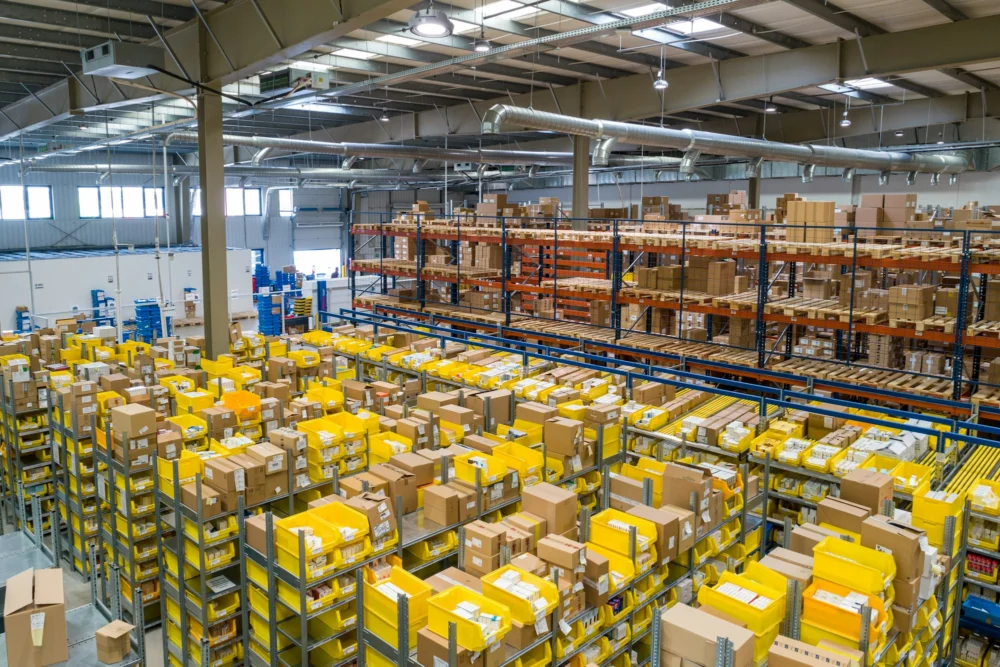
The Shifting Landscape of Supply Chains
Supply chains are no longer static entities. They are dynamic, complex networks constantly adapting to market demands, technological advancements, and unforeseen disruptions. Suppliers, the foundational elements of these chains, are under increasing pressure to meet fluctuating needs. This necessitates a robust focus on scalability, the ability to adapt to changing volumes and conditions.
Increased Demand Volatility
One of the primary drivers behind the heightened concern for scalability is the increased volatility of demand. Economic fluctuations, seasonal trends, and even unexpected events can lead to rapid shifts in consumer behavior. Suppliers must be prepared to handle both surges and declines in demand without compromising service levels or incurring excessive costs.
The Rise of E-commerce and Direct-to-Consumer Models
The explosive growth of e-commerce has significantly altered the landscape. Consumers expect instant gratification and seamless experiences. Suppliers must support the rapid fulfillment of orders, which often involves handling a higher volume of smaller orders and navigating complex logistics networks. This requires a scalable infrastructure.
Geopolitical and Economic Instability
Global events, such as trade wars, political instability, and economic downturns, can severely impact supply chains. Suppliers need to be able to quickly adjust to disruptions, source alternative materials, and reroute shipments. Scalability ensures the agility needed to navigate these challenges.
Technological Advancements and Automation
The adoption of new technologies, such as automation, artificial intelligence, and the Internet of Things (IoT), is transforming supply chain operations. These technologies can significantly improve efficiency and productivity, but they also require a scalable infrastructure to handle the increased data and processing demands.
The Need for Operational Efficiency
Scalability is directly linked to operational efficiency. Suppliers must optimize their processes to reduce costs, improve lead times, and enhance customer satisfaction. A scalable system allows for streamlined operations, enabling suppliers to handle increased volumes without sacrificing performance.
Inventory Management Challenges
Maintaining the right level of inventory is crucial. Too much inventory ties up capital and increases storage costs, while too little can lead to stockouts and lost sales. Scalability enables suppliers to optimize inventory levels based on real-time demand and forecasts, minimizing risks.
The Importance of Supplier Relationships
Strong relationships with suppliers are essential for building a resilient and scalable supply chain. Collaboration, transparency, and effective communication are key to navigating challenges and ensuring that all parties are aligned on goals and strategies.
Data Analytics and Forecasting
Data analytics plays a crucial role in predicting future demand and identifying potential disruptions. Suppliers must leverage data to make informed decisions about inventory levels, production schedules, and resource allocation. Scalable data infrastructure is required to process and analyze the large datasets generated.
Risk Management and Business Continuity
A scalable supply chain is better equipped to handle risks and ensure business continuity. By having the flexibility to adapt to changing circumstances, suppliers can mitigate the impact of disruptions and maintain operations.
The Impact on Profitability
Ultimately, scalability directly impacts profitability. Efficient operations, reduced costs, and improved customer satisfaction all contribute to a stronger bottom line. Suppliers that embrace scalability are better positioned to thrive in a competitive market.
Investment in Infrastructure
Achieving scalability often requires significant investment in infrastructure, including technology, equipment, and human resources. Suppliers must carefully evaluate their needs and prioritize investments that offer the greatest return.
Focus on Flexibility and Agility
Scalability is not just about increasing capacity; it’s also about building flexibility and agility. Suppliers must be able to quickly adapt to changing circumstances and respond to unexpected events. This requires a mindset of continuous improvement and a willingness to embrace change.
The Role of Technology
Technology is a key enabler of scalability. Cloud computing, supply chain management software, and other digital tools can help suppliers optimize their operations, improve efficiency, and enhance their ability to adapt to changing conditions.
Conclusion: A Future-Proof Strategy
In conclusion, scalability is no longer a luxury but a necessity for suppliers. By embracing a scalable approach, suppliers can navigate the complexities of today’s supply chains, mitigate risks, improve profitability, and build a more resilient and sustainable business for the future.