

The modern supply chain is an intricate web of interconnected processes, spanning procurement, manufacturing, warehousing, and final mile delivery. When any single node fails, the entire system experiences friction, often manifesting as significant distribution delays. The root cause of many such failures is not external volatility, but rather inadequate internal planning. Superior planning acts as the primary prophylactic against operational turbulence.
Forecasting Accuracy: The Cornerstone of Prevention
Effective distribution begins long before a product leaves the dock; it starts with demand forecasting. Poor forecasts lead to either stockouts or costly overstocking. A well-planned forecasting strategy incorporates historical data, seasonality, promotional lift, and leading economic indicators. When this planning is meticulous, it ensures the right inventory levels are maintained across the network, preventing the panicked rush orders that disrupt established shipping schedules.
Inventory Optimization Through Strategic Buffer Stock
One of the most significant planning decisions involves setting safety stock levels. While some view safety stock as an expense, it is, in reality, insurance against unforeseen demand spikes or supplier lead time variability. Better planning dictates dynamic safety stock models, rather than static ones. This means calculating buffers based on the specific variability of each SKU and its associated lead time, thereby minimizing capital tied up while maximizing service levels.
The Critical Role of Transportation Network Design
Distribution delays are frequently bottlenecks in transit. Comprehensive planning involves designing a transportation network that is resilient, not just cost-optimized. This includes mapping alternative routes, pre-qualifying secondary carriers, and strategically positioning cross-docking facilities. A plan that relies solely on the cheapest, fastest route is inherently brittle; resilience requires pre-planned contingencies.
Mitigating Supplier Volatility Through Proactive Sourcing Plans
Delays often originate upstream. Superior planning involves rigorous vendor management and multi-sourcing strategies. If a primary supplier faces production issues, a well-planned procurement strategy immediately pivots to a qualified secondary source without causing a gap in the manufacturing line or final assembly. This requires continuous review of supplier performance metrics against planned lead times.
Warehouse Layout and Process Flow Planning
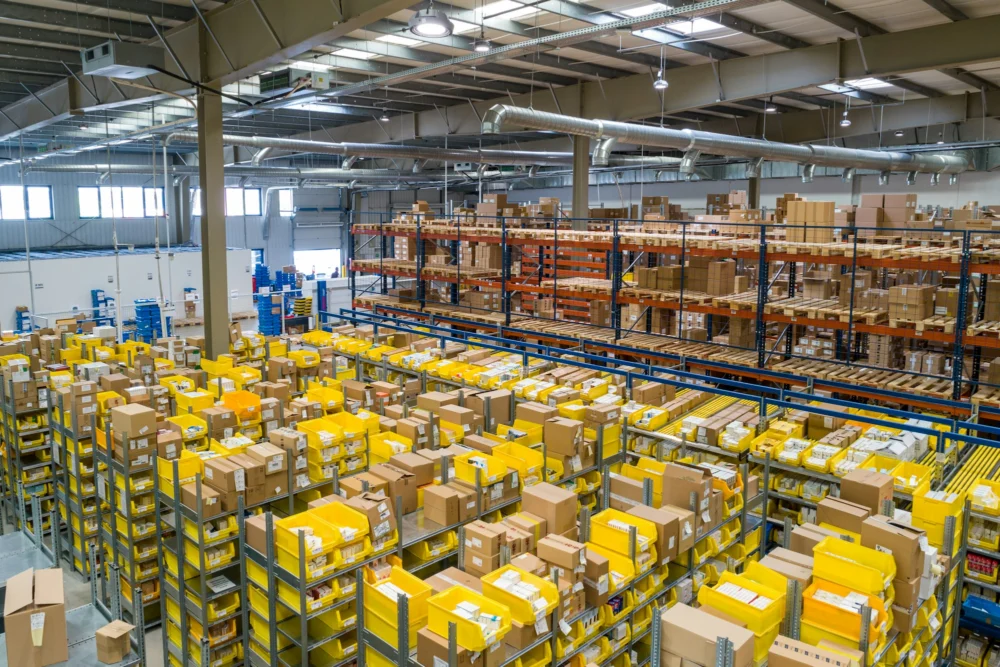
Internal warehouse efficiency directly impacts shipping speed. Planning here focuses on optimizing slotting, picking paths, and packing stations. Delays often occur during the order fulfillment stage due to inefficient layout causing congestion or excessive travel time. Modern planning utilizes simulation software to test process flows before physical implementation, ensuring rapid throughput.
- Slotting Strategy: Placing fast-moving items closest to shipping doors.
- Wave Planning: Grouping orders intelligently to minimize picker backtracking.
- Labor Allocation: Matching staffing levels precisely to predicted order volume peaks based on the forecast.
The Power of Integrated Business Planning (IBP)
The most advanced form of planning is Integrated Business Planning (IBP), which breaks down silos between sales, marketing, finance, and operations. When distribution plans are created in isolation, they are doomed to fail because they do not account for financial constraints or aggressive sales targets. IBP ensures all departments agree on a single operational plan, leading to synchronized execution that avoids last-minute surprises that cause delays.
Scenario Planning and Risk Management Integration