

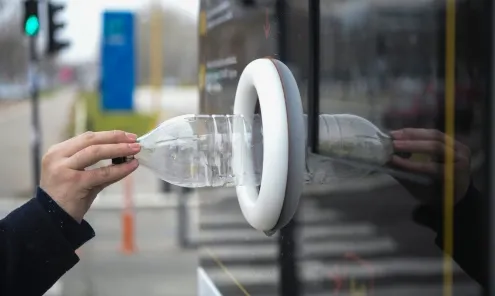
The Deposit Management Organisation (DMO), the central body tasked with orchestrating the rollout of the Deposit Return Scheme (DRS) across England and Northern Ireland—a system designed to significantly boost the recovery rate of single-use beverage containers—has signaled a crucial phase of engagement with smaller retail operators. This proactive outreach is aimed at furnishing these businesses with detailed clarity on the forthcoming operational shifts necessitated by the introduction of refundable deposits on specific drink packaging. The initial scope targets containers manufactured from PET plastic, aluminum, and steel, spanning volumes from 150ml up to three liters.
This concerted effort by the DMO is running in parallel with the phased implementation timeline for the unified DRS covering England and Northern Ireland, slated to commence operations in October 2027. Crucially, the DMO’s mandate also extends to establishing a functionally similar, harmonized scheme within Scotland. This coordinated approach seeks to streamline compliance and consumer experience across these three jurisdictions.
Meanwhile, Wales is charting its own regulatory path, though it remains firmly committed to launching its own distinct DRS programme. The Welsh Government has articulated a strong aspiration for its scheme to maintain interoperability with the broader UK systems, while simultaneously planning for an expanded scope that will encompass the collection and return of glass containers—a material currently outside the initial remit of the England/NI/Scotland agreements. Reflecting this commitment, the devolved administration has initiated the formal process to appoint its own dedicated DMO to spearhead the development and infrastructure planning for its specific scheme.
An internal update disseminated by the DMO responsible for the tripartite DRS initiatives (Scotland, England, and Northern Ireland) has mapped out an intensive schedule of retailer engagement planned throughout the forthcoming year. This dialogue is essential for meticulously preparing businesses for the operational mandates underpinning the new return infrastructure. Industry analysis suggests that the precise nature of retailer involvement remains under active consideration, with a spectrum of models being evaluated. These options range from the installation and management of dedicated Reverse Vending Machines (RVMs) on-site, to alternative logistical arrangements supporting the consolidation and collection of returned materials, alongside the crucial function of processing and issuing deposit reimbursements to consumers.
As part of this preparatory work, the DMO has recently released preliminary guidance specifically tailored for convenience sector participants. This initial document addresses potential areas for exemptions from the scheme, outlines opportunities for voluntary participation in certain facets, and begins to detail the forthcoming remuneration structures—known as ‘handler payments’—that retailers will receive for managing the collection process.
The most significant milestone on the roadmap for operational certainty is the planned release of detailed, comprehensive guidance scheduled for publication no later than the summer of 2026. The DMO has underscored its commitment to sustained, iterative engagement with key trade representative bodies. This commitment will manifest through regular consultations, targeted information workshops, and open forums designed to address evolving retailer queries and concerns well ahead of the go-live date.
Rebecca Oliver-Mooney, a Director on the DMO Board with specific oversight for engagement with major retail and grocery federations—including the Association of Convenience Stores (ACS) and the Scottish Grocers Federation (SGF)—emphasized the indispensable role of the convenience sector. "The success of the Deposit Return Scheme is fundamentally reliant on the robust participation of the convenience retail network," she stated. "While we acknowledge that not every operational query can be resolved instantly, our priority is to deliver maximum transparency and clarity at the earliest possible juncture. The DRS is an imminent reality, and now is the definitive moment for every retailer to proactively assess and plan for the necessary adjustments to their business models." These remarks were featured in the DMO’s concluding monthly electronic briefing for December.
Forging a Unified Public Identity for the Scheme
Beyond the complex logistical and operational planning, a significant parallel track of work undertaken by the DMO throughout 2026 involves the creation of a cohesive public identity—a logo and brand—to represent the DRS programs operating across England, Northern Ireland, and Scotland. This branding effort is paramount for ensuring high levels of public awareness, trust, and participation.
To finalize the visual and linguistic elements of this unified identity, a stakeholder consultation process was formally initiated on December 1st. The objective of this consultation is to achieve consensus on the final name and logo that will signify the multi-jurisdictional scheme. The strategic development of this brand architecture is being managed by the Uncommon Creative Studio, leveraging its established expertise in crafting impactful brand identities.
The DMO views the establishment of a clear brand as a critical prerequisite for effective public interaction with the scheme. "The resulting brand must embody clarity, engender public trust, and be easily navigable for every potential participant," the DMO noted in its update. "We are fully dedicated to perfecting this identity through rigorous, evidence-based research and inclusive consultation processes."
Industry Demands for Seamless Cross-Border Functionality
As the DMO focuses on retailer readiness, parallel pressure is mounting from major industry stakeholders regarding the functional integrity of the interconnected schemes. Heineken UK, a prominent figure in the brewing and pub operations sector, recently used an industry forum to strongly advocate that UK authorities must rigorously uphold their interoperability pledges.
Guy Mason, Heineken UK’s Head of Public Affairs and Responsibility, stressed the economic and consumer necessity of a system that functions seamlessly across the entirety of the UK, irrespective of which national scheme a consumer interacts with. "We must deliver a unified ecosystem where consumers can purchase a product anywhere in the nation and possess absolute certainty regarding the return mechanism," Mason argued. "This means consumers must know instantly that the deposit paid on an item can be recouped either immediately upon return to any participating outlet, or later at their convenience, ensuring their funds are readily accessible."
This emphasis on interoperability underscores a key concern: fragmenting consumer experience due to differing national rules could severely undermine the intended high return rates across the entire UK market. The DMO’s ongoing technical discussions must therefore prioritize robust data exchange and standardized transaction protocols between the distinct national DRS management entities. The detailed guidance expected by summer 2026 will be closely scrutinized by the industry to confirm that these interoperability assurances translate into workable, unified procedures for retailers handling returns across jurisdictional lines.