
The high-end British fashion landscape is poised for a significant contraction as LK Bennett, the iconic high street chain favored by members of the royal family and political elite, formally petitioned a U.K. court this week for the appointment of an administrator. This critical step, taken on Tuesday, December 18, 2025, signals the second time in just six years the brand has faced insolvency proceedings, and, if granted in the coming days, it is highly likely to be confirmed as the first major retail casualty of the new year, 2026.
The implications of this failure extend far beyond the nine U.K. shops facing immediate closure and the 275 dedicated employees whose livelihoods now hang in the balance. The potential demise of LK Bennett serves as a stark warning sign for the entire mid-to-high-end sector, illustrating how even strong brand identity and decades of royal endorsement cannot insulate a business from the punishing combination of high operational costs and persistently weak consumer demand plaguing the British economy.
The Administration Process and the Search for Salvation
The filing for administration, the U.K. legal equivalent of Chapter 11 bankruptcy in the U.S., provides a short window of protection from creditors while the company, alongside appointed professional consultants, attempts to find a solvent path forward—typically through a sale of assets or the entire business.
LK Bennett has been actively collaborating with restructuring experts Alvarez & Marsal (A&M) in recent weeks, desperately seeking a strategic buyer capable of injecting the necessary capital to stabilize the debt-laden operation. However, sources close to the negotiations suggest that finding a white knight before the court decision is proving extremely difficult, given the current economic climate and the brand’s history of financial instability.
The timing of this crisis is particularly damaging. The administration filing, occurring just before the crucial post-Christmas trading period, effectively halts any chance of leveraging end-of-year sales to stabilize cash flow, making the impending court order a near certainty. Should the court proceed, the administrators will take immediate control, beginning the painful process of liquidating stock and rationalizing the remaining physical store portfolio.
The High Street’s Double Bind: Costs and Confidence
The challenges facing LK Bennett in 2025/2026 are markedly different from the difficulties that precipitated its first administration in 2019, yet the outcome is tragically similar. In 2019, the crisis was largely attributed to shifts in online shopping habits and a failure to secure investment capital. This time, the failure is a macroeconomic story.
U.K. retailers are currently battling a perfect storm of headwinds. High business rates—local taxes levied on commercial properties—continue to be an overwhelming fixed cost burden, especially for legacy brands maintaining prime high street locations. Simultaneously, the persistent grip of inflation, although potentially easing from peak levels, has fundamentally altered consumer purchasing behavior. Shoppers are rigorously prioritizing essential expenditures, leading to a dramatic drop in discretionary spending on mid-luxury items like those offered by LK Bennett.
The British Retail Consortium (BRC) has consistently highlighted these pressures. Helen Dickinson, CEO of the BRC, recently underscored the gloomy outlook, noting in a December statement that consumer confidence had slid for the third consecutive month, reflecting deep uncertainty about future financial security. "The challenges remain intense in the year ahead," Dickinson stated, confirming that the initial optimism that followed the pandemic has evaporated, replaced by recessionary caution. For a brand like LK Bennett, positioned between fast fashion accessibility and true luxury exclusivity, this squeeze is existential. Consumers are either trading down to cheaper alternatives or saving for investment pieces from established luxury houses, leaving the middle market exposed.
A Failed Revival: The Byland U.K. Experiment
The current crisis marks a disheartening end to the ambitious revival strategy initiated after the 2019 collapse. Following the first administration, where accounting firm EY managed the process, LK Bennett was acquired by Byland U.K., a new entity formed by Rebecca Feng. Feng was already the operator of the chain’s highly successful Chinese franchises.

Feng’s victory was significant, beating out major British retail players who had expressed interest in acquiring the brand’s assets, including Mike Ashley’s Frasers Group, retail giant Marks & Spencer (M&S), and the tech-savvy Next PLC. The subsequent ownership under Byland was characterized by a push toward modernization and international growth, led by Chief Executive Officer Darren Topp.
Under Topp’s leadership, the brand, originally known for its professional women’s work shoes and the signature "Dutchess" classic pump, expanded its apparel and accessories lines. Crucially, 2023 saw a determined effort to execute a "digital-first" expansion into the lucrative U.S. market, aiming to capitalize on American awareness of the "Kate Effect."
However, this rapid digital and geographical expansion likely required substantial investment at a time when global supply chain costs were skyrocketing. Industry analysts suggest that the company may have overextended its resources in pursuit of overseas growth, failing to build sufficient financial resilience to withstand the dramatic downturn in U.K. domestic demand that materialized in 2024 and 2025.
The Weight of Royal Heritage
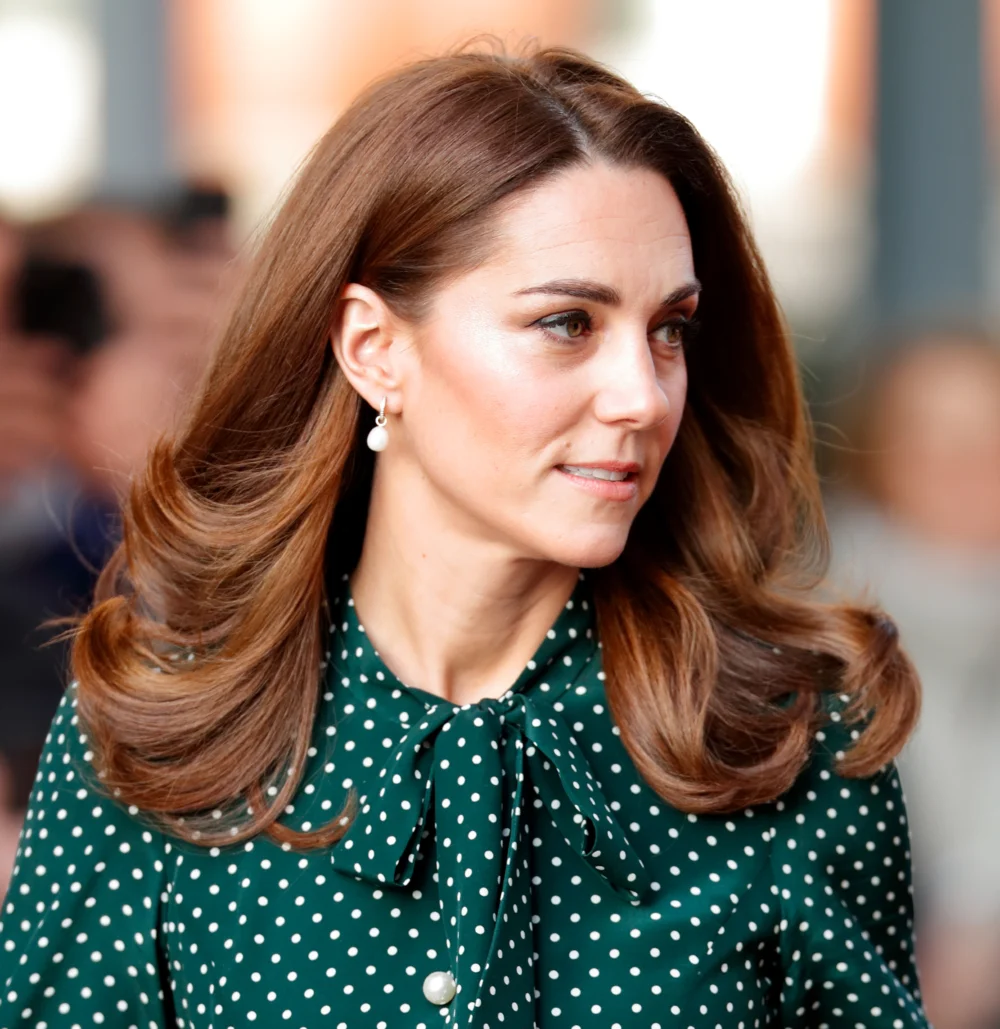
LK Bennett’s cultural cachet has always rested heavily on its association with high-profile figures. The brand was a staple of the professional wardrobes of both Kate Middleton, the Princess of Wales, and former Prime Minister Theresa May. Middleton, in particular, has repeatedly worn LK Bennett’s fitted dresses, structured coats, and nude pumps for engagements globally, providing priceless, organic marketing exposure often referred to as the "Kate Effect."
This royal seal of approval dates back decades. The brand was founded in 1990 in Wimbledon, southwest London, by Linda Bennett, who envisioned a brand offering "high quality at high street prices." A seminal moment in the brand’s history occurred in 2005 when Bennett personally designed the elegant shoes worn by Camilla Parker Bowles (now Queen Camilla) for her civil wedding ceremony to the then-Prince Charles.
Despite this unparalleled historical and contemporary endorsement, the "Kate Effect" proved insufficient to offset fundamental financial and structural weaknesses. While royal patronage can drive spikes in demand for specific items—often selling out the moment the Princess wears them—it does not guarantee long-term operational viability in a volatile retail environment. The brand’s core offering—high-quality, mid-priced classic pieces—struggled to differentiate itself sufficiently against increasingly competitive luxury brands moving down-market and sophisticated online fast-fashion competitors offering similar aesthetics at lower prices.
The Turbulent Journey of the Founder
The company’s recurring instability is also tied to its complex ownership history. Founder Linda Bennett initially sold a majority stake in her company in 2008 to private equity firms Phoenix Equity Partners and Sirius Equity for a substantial sum, reported to be between £80 million and £100 million.
A decade later, amidst a challenging economic backdrop, Bennett staged a dramatic and highly personal return, buying back her company in 2017. Her intent was to steer the brand back to its roots. However, this buyback occurred just prior to the full force of the high street malaise, and within two years, the company entered its first administration, signaling the immense difficulty even a founding visionary faced in navigating the retail sector’s structural challenges.
The subsequent failure of the Byland ownership group, despite its initial promise and capital injection, underscores the brutal reality that a successful fashion brand requires not just strong aesthetics and celebrity endorsement, but robust financial architecture capable of absorbing sustained economic shocks.
As the U.K. court prepares its decision on the administration petition, LK Bennett stands as a cautionary tale. If the application is granted, the formal collapse will serve as a definitive and painful opening chapter to the 2026 U.K. retail calendar, confirming fears that the cost-of-living crisis and prohibitive operational expenses are far from over for the nation’s beloved, but fragile, high street institutions. The impending job losses and store closures are a grim indicator of the financial sacrifices yet to come across the sector as retailers struggle to adapt to permanently altered consumer realities.