

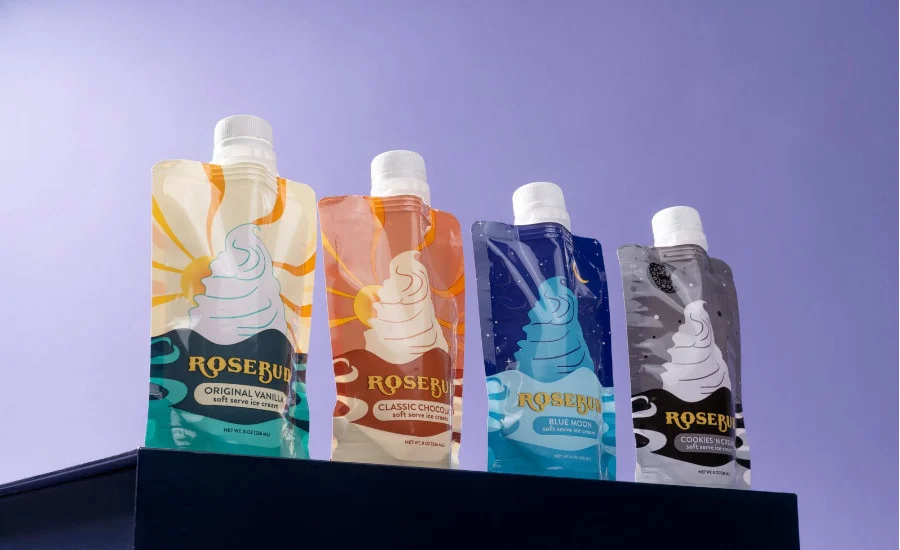
The global dairy industry is currently navigating one of the most significant structural transformations in its modern history. For decades, the rigid container—ranging from the iconic glass bottle to the ubiquitous high-density polyethylene (HDPE) jug and the fiber-based carton—has reigned supreme. However, as the industry moves further into the 21st century, a paradigm shift is occurring. Dairy processors and brand owners are increasingly migrating toward flexible packaging formats, driven by a complex interplay of environmental mandates, shifting consumer demographics, and the relentless pursuit of logistical efficiency. Yet, this transition is not merely a change of "skin"; it is a fundamental re-engineering of the product delivery system. At the heart of this evolution lies a seemingly small but technologically critical component: the cap and spout system. These fitments act as the bridge between the traditional reliability of rigid formats and the sustainable versatility of flexible pouches, serving as the linchpin for successful market adoption and operational excellence.
The impetus for this shift is multifaceted. From a macro perspective, the global push toward a circular economy has placed dairy brands under a microscope. Regulatory bodies and international pacts are demanding drastic reductions in plastic waste and carbon footprints. Flexible packaging, particularly spouted pouches, offers a compelling solution. These formats typically utilize up to 60% to 80% less plastic than their rigid counterparts and require significantly less energy to manufacture. Furthermore, the logistics of flexible packaging are transformative. A single truckload of empty pouches can carry the equivalent volume of 25 to 30 truckloads of empty rigid bottles. This "cubic efficiency" translates directly into a reduction in Scope 3 emissions, lowering the carbon intensity of every liter of milk or yogurt produced.
However, the transition from a stable, rigid container to a pliable, flexible pouch introduces a suite of technical challenges that can derail even the most well-funded product launches. Dairy products are biologically sensitive, requiring strict temperature controls and uncompromising seal integrity to prevent spoilage. When a brand moves away from a rigid bottle, they lose the structural "skeleton" that once protected the product and provided a familiar user interface. This is where the engineering of the cap and spout becomes paramount. Rather than being an afterthought, the closure system must be viewed as a strategic asset that addresses five critical areas of the transition: the consumer experience, leak prevention, production velocity, quality assurance, and risk mitigation.
First and foremost, the cap and spout system is the primary touchpoint for the consumer. In the rigid world, consumers have spent a century perfecting the "twist and pour" motion. Moving to a flexible pouch can be disorienting if the interface is not intuitive. A pouch without a sophisticated fitment—one that relies on "tear-to-open" notches—often results in spills, an inability to reseal, and a general perception of lower value. For dairy products, which are frequently consumed in multiple servings over several days, the lack of a secure reclosure is a deal-breaker. Advanced spouts provide a rigid, defined opening that mimics the pouring ergonomics of a bottle while allowing for a hermetic reseal. This maintains product freshness and prevents the absorption of "fridge odors," ensuring that the last drop of milk or yogurt tastes as fresh as the first. In an era where "on-the-go" consumption is rising, particularly for drinkable yogurts and probiotic shots, the one-handed operation of a high-performance cap is a significant competitive advantage.
The second critical role of the fitment is the preservation of seal integrity. Dairy products are heavy and fluid, meaning they exert significant hydraulic pressure on their packaging during transit and handling. In a flexible format, every squeeze, drop, or stacking event puts immense stress on the seals. The interface between the plastic spout and the flexible film is the most common point of failure. If the materials are not perfectly compatible or if the welding process is suboptimal, micro-leaks can occur, leading to premature spoilage or "leakers" that ruin entire shipping cases. Modern closure systems are now engineered with "fitment-to-film" synergy in mind. By using mono-material chemistries—such as mono-polyethylene (PE) or mono-polypropylene (PP)—manufacturers can ensure a molecular bond between the spout and the pouch. This not only creates a virtually indestructible seal but also ensures the entire package is "recycle-ready," meeting the stringent requirements of modern waste-management streams.
Thirdly, the integration of a standardized cap and spout system accelerates the path to full-scale production. One of the primary "roadblocks" in the dairy transition is the complexity of modifying existing filling lines. Rigid filling lines are built for speed and stability; flexible lines must manage the "floppiness" of the pouch. By selecting a high-quality, precision-engineered closure, dairy processors can eliminate one of the most volatile variables in the production equation. A cap that applies consistently and a spout that fits perfectly into the filling rails allow the equipment to run at higher speeds with lower reject rates. This reliability is essential for maintaining Overall Equipment Effectiveness (OEE) and ensuring that the shift to flexible packaging does not result in a prohibitive increase in the Total Cost of Ownership (TCO).
The fourth advantage lies in the realm of quality control and troubleshooting. When a product launch faces issues—such as a batch of spoiled yogurt or a series of customer complaints about leaks—identifying the root cause in a flexible package can be a nightmare. Is the problem the film barrier? The side seals? The filling temperature? Or the closure? By utilizing a cap and spout system with defined, proven performance metrics, quality assurance teams can quickly isolate variables. A closure that offers clear, audible, and visual tamper-evidence allows for rapid inspection. If the closure is a "known constant" with a high degree of manufacturing precision, teams can more easily identify if the issue lies in the upstream filling process or the downstream logistics, significantly shortening the time to resolution.
Finally, early selection of the closure system prevents "late-stage surprises." In the product development lifecycle, many brands focus heavily on the pouch graphics and the film structure, treating the cap as a commodity to be sourced at the end. This is a strategic error. A closure that is incompatible with the chosen filling equipment or one that fails to meet the specific "pour-back" requirements of a high-viscosity dairy product can force a complete redesign of the package in the eleventh hour. By involving closure experts at the beginning of the design phase, dairy brands can leverage established partnerships between film converters and original equipment manufacturers (OEMs). This collaborative "ecosystem approach" ensures that the spout, the film, and the filling machine work in perfect harmony, providing a "drop-in" solution that minimizes the risk of a failed launch.
As we look toward the future, the role of the spouted pouch in the dairy aisle will only grow. We are already seeing the expansion of this format from kids’ yogurt tubes into large-format family milk pouches, creamers, and even fermented dairy products like kefir. The move toward "e-commerce ready" packaging—designed to survive the rigors of the "last mile" delivery without the need for excessive secondary packaging—will further cement the flexible pouch as the format of choice. In this landscape, the cap and spout are no longer just functional components; they are the guardians of the brand’s reputation. They provide the safety, convenience, and sustainability that modern consumers demand, while offering the operational stability that dairy processors need to remain profitable in a volatile market. By bridging the gap between the rigid past and the flexible future, advanced closure systems are enabling a more efficient, sustainable, and consumer-centric dairy industry.