
In the contemporary landscape of corporate marketing and retail branding, the humble tote bag has undergone a radical transformation. No longer merely a utilitarian vessel for groceries or a flimsy giveaway at trade shows, the modern "book bag" has ascended to the status of a high-impact fashion statement and a critical touchpoint for brand storytelling. The recent "Uncommon" project serves as a definitive case study in how thoughtful design, strategic color selection, and premium customization can turn a simple accessory into a powerful brand ambassador. By examining the nuances of this collection—featuring a striking trio of turquoise, rust red, and forest green bags—we can uncover the sophisticated mechanics behind successful custom-branded merchandise.
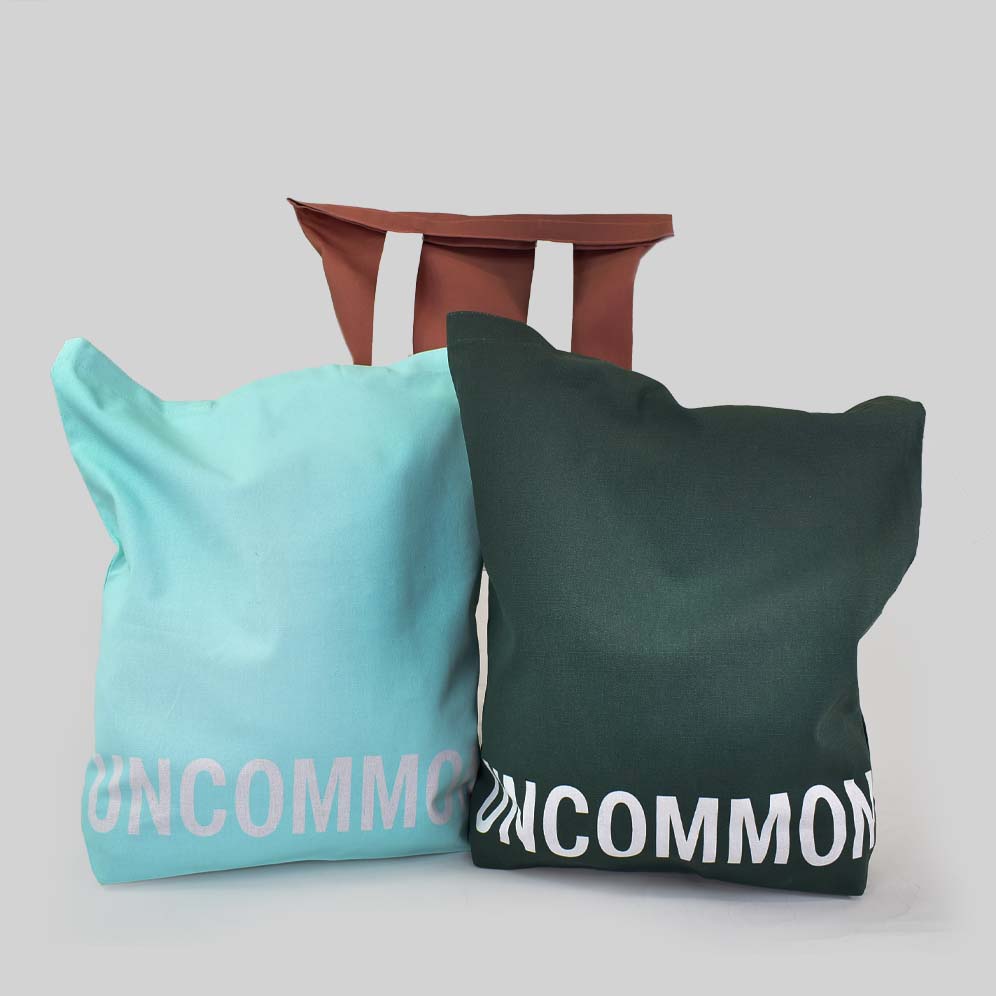
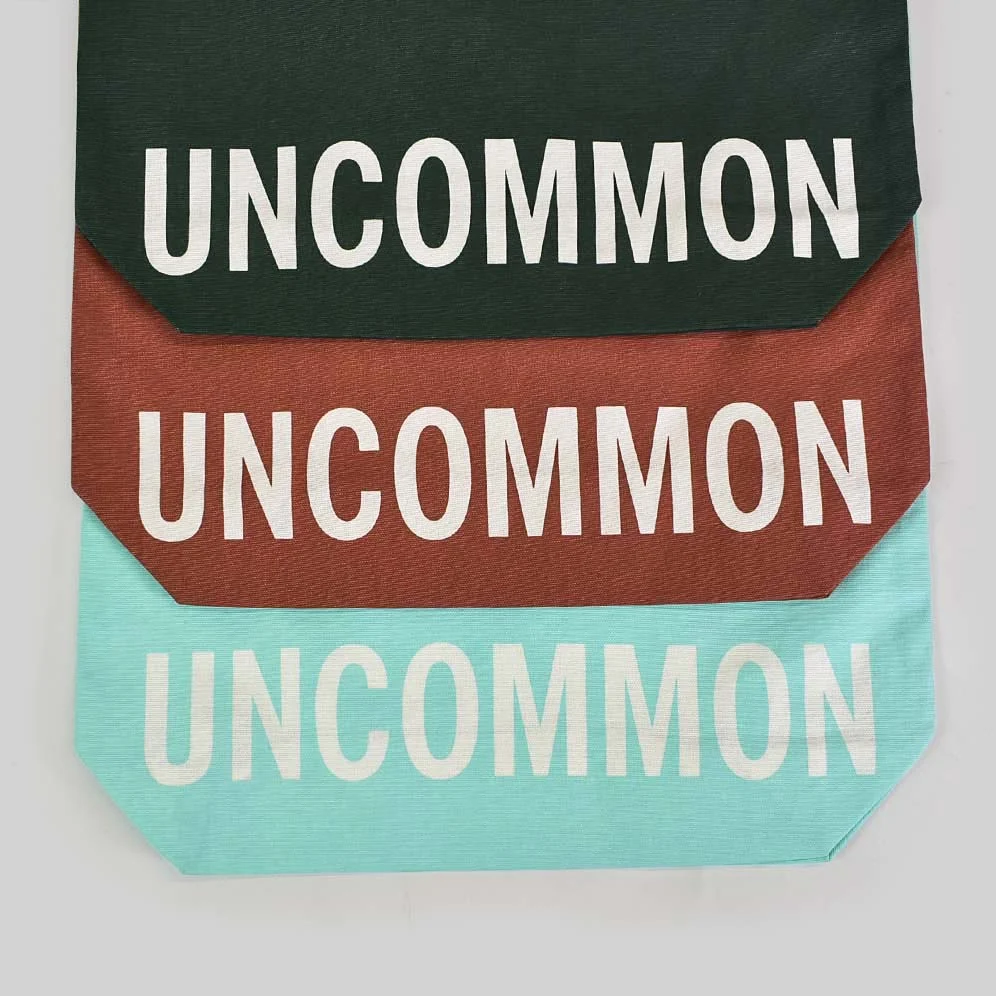
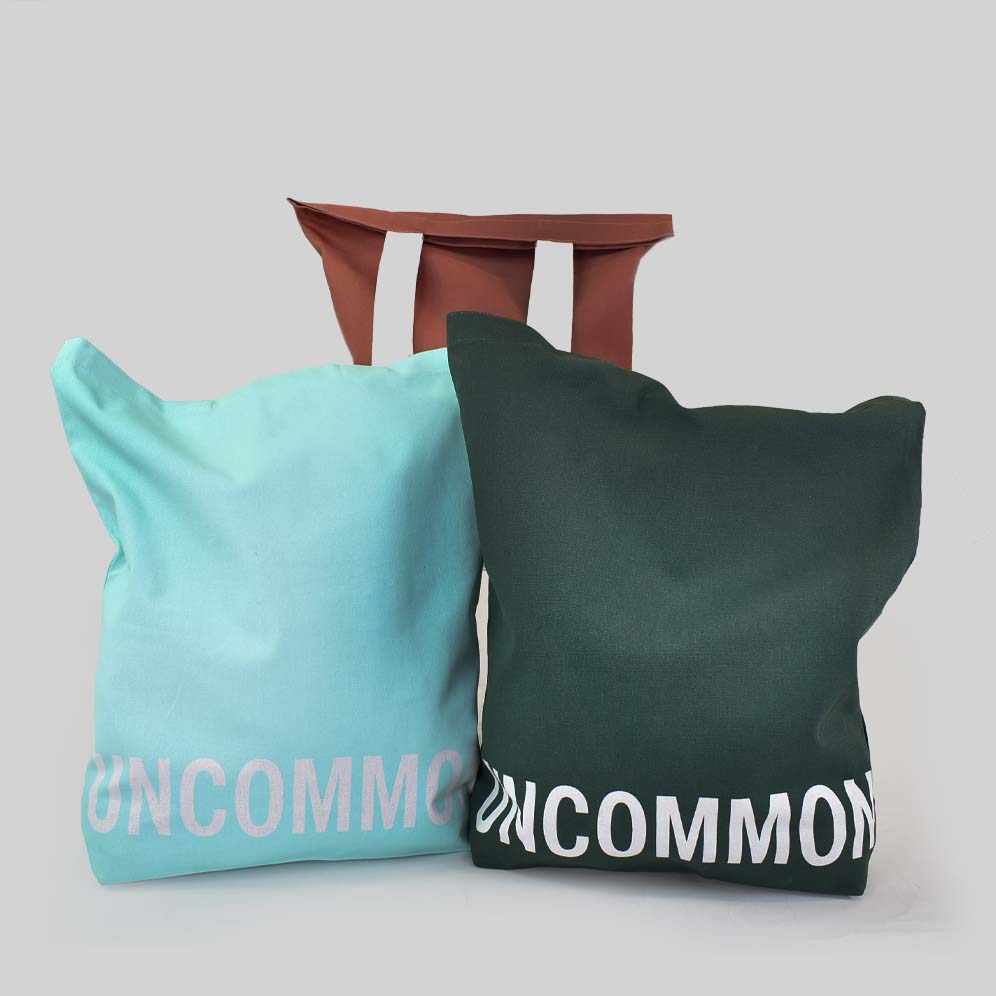
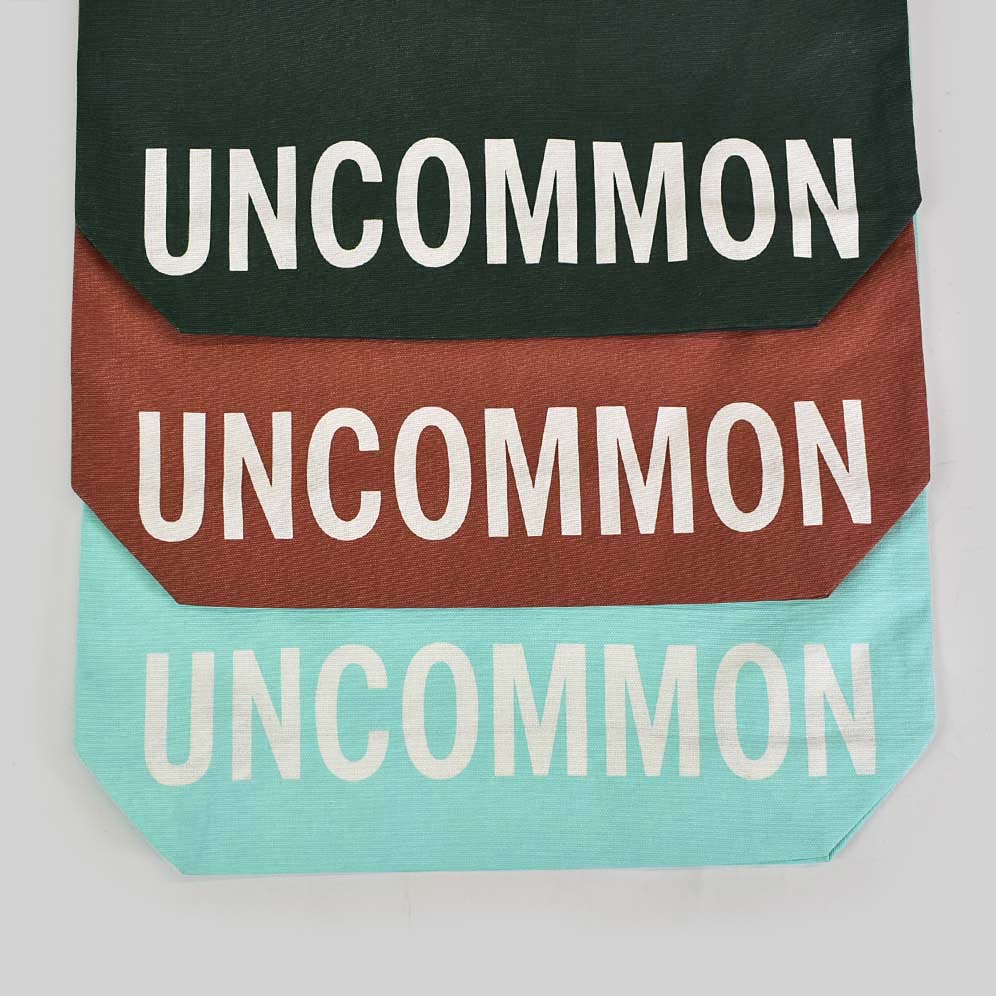
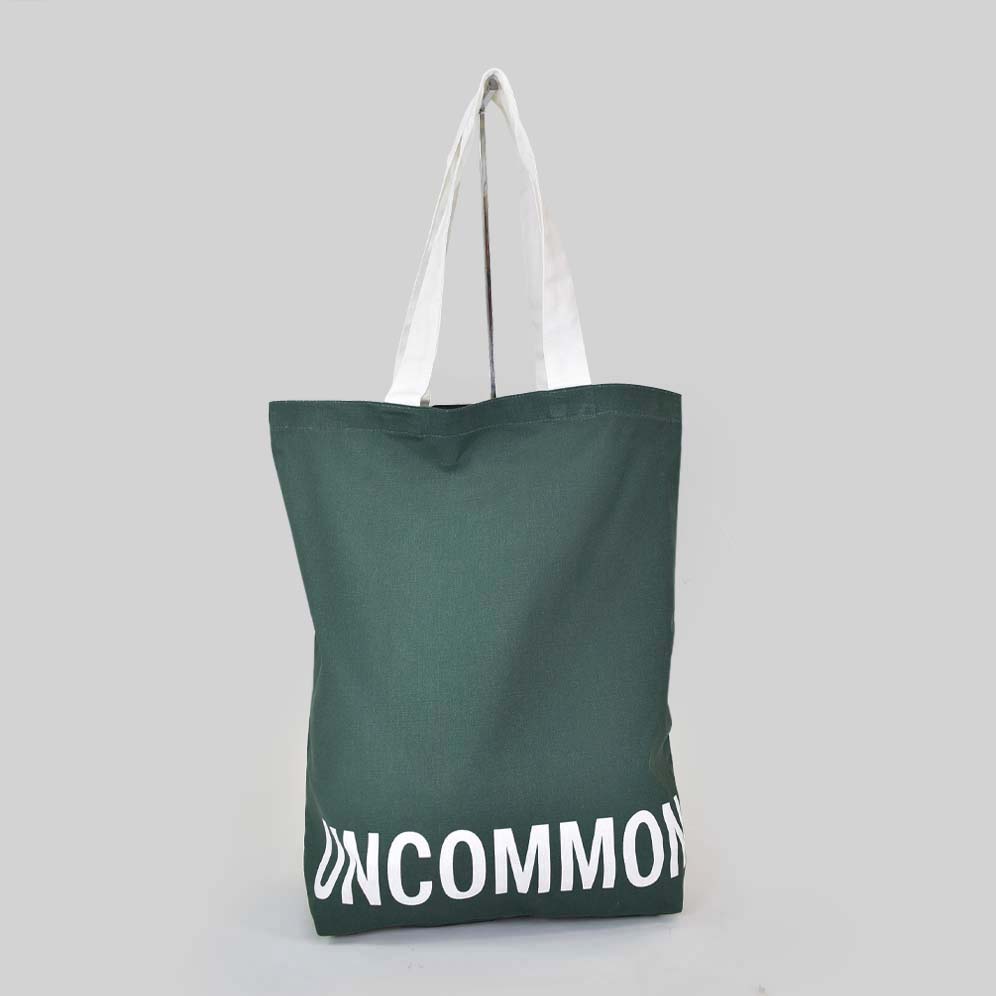
The visual impact of the Uncommon collection is rooted in its bold use of colorways. In a market saturated with neutral tones and predictable palettes, the choice of turquoise, rust red, and dark green immediately commands attention. These are not merely aesthetic choices; they are psychological triggers. Turquoise conveys a sense of modern energy and clarity, bridging the gap between professional stability and creative vibrancy. The rust red, an earthy and grounded hue, evokes a sense of reliability and timelessness, appealing to a demographic that values substance and heritage. Meanwhile, the dark green paneling suggests sophistication, growth, and an organic connection to the environment. By offering a brand’s message across these three distinct yet harmonious palettes, a company can appeal to a wider range of personal styles while maintaining a cohesive brand architecture.
A defining characteristic of these specific bags is the intentional use of contrast. Each bag features stark white handles and a bold, white "UNCOMMON" logo printed along the bottom panel. This placement is a masterstroke of unconventional design. While most brands opt for center-aligned logos that can be obscured when the bag is slumped or full, the bottom-panel positioning ensures visibility even when the bag is in motion or resting on a surface. The white handles serve as a visual frame, drawing the eye toward the rich color of the bag’s body while providing a clean, crisp finish that elevates the overall perceived value of the item.
However, the true depth of a custom-made bag lies in the details that the casual observer might miss but the user feels every day. Personalization is the cornerstone of brand loyalty, and the options available for modern tote bags are nearly limitless. Beyond simple screen printing, brands can now utilize woven brand labels that provide a high-end retail feel. These labels can be placed internally for a "secret" branding touch or externally on a side seam to mimic the aesthetic of luxury fashion houses. For those seeking a more tactile experience, PU (Polyurethane) badges offer a vegan-friendly leather alternative. These badges can be debossed or embossed with a logo, providing a three-dimensional texture that encourages physical interaction with the product.
For a truly premium finish, embroidery remains the gold standard. Unlike printed designs that may fade or crack over time, embroidery integrates the brand’s identity directly into the fabric of the bag. High-stitch-count embroidery provides a lustrous, durable finish that signals quality and longevity. It suggests that the brand is not looking for a temporary impression but is instead invested in a product meant to last for years. This durability is a key component of sustainable marketing; a bag that stays in use for five years is infinitely more valuable—both environmentally and as a marketing tool—than a cheap alternative that is discarded after three uses.
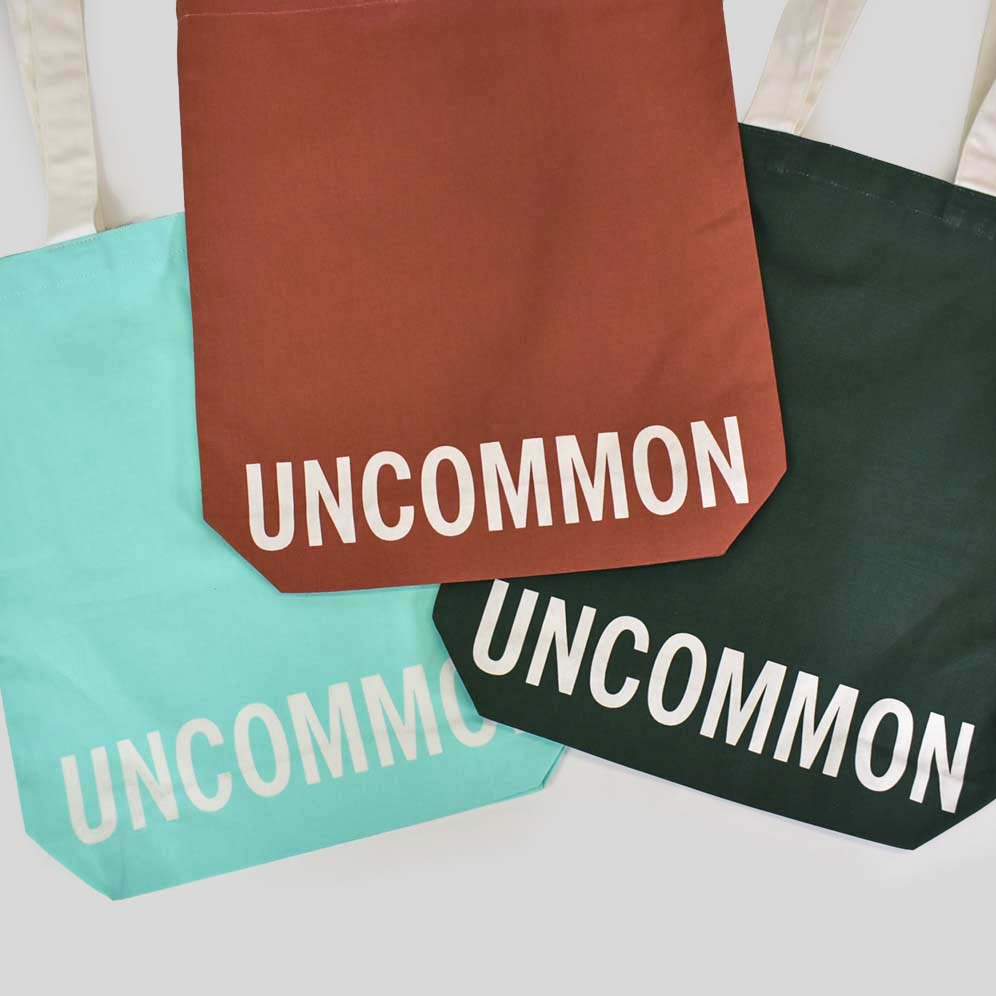
The ergonomics of the bag are equally vital. The Uncommon project features long, bespoke handles designed specifically for shoulder carrying. The length of a handle is a critical functional decision; it must be long enough to fit comfortably over a heavy winter coat but not so long that the bag hits the ground when carried by hand. By customizing the handle color to contrast with the bag panels, brands can further align the product with their specific corporate palette, ensuring that every inch of the item is working toward brand recognition.
Functionality is further enhanced through the selection of closing mechanisms. A bag is only as useful as its ability to secure its contents. For "book bags" intended for students, professionals, or commuters, a customized zipper is often the preferred choice. Zippers provide total security for laptops, documents, and personal items, transforming a simple tote into a reliable daily driver. For a more classic look, metal poppers offer a satisfying tactile click and quick access, while drawcord closures lend a sporty, casual vibe. More industrial or tech-focused brands might opt for heavy-duty buckles or Velcro, each choice sending a different message about the brand’s identity—be it rugged, efficient, or high-tech.
The strategic expansion of a branded merchandise portfolio often leads beyond the bag itself. Savvy brands understand that a tote bag is often just one part of a larger ecosystem of accessories. This is where the synergy between specialized manufacturers becomes invaluable. For instance, the partnership with sister companies like The Umbrella Workshop allows brands to create a holistic "kit" for their clients or employees. An Uncommon-branded tote bag paired with a high-quality, matching umbrella creates a sophisticated brand package that covers the user in all weather conditions. This level of coordination suggests a brand that is organized, thoughtful, and attentive to the needs of its community.
Furthermore, the logistical side of branded merchandise is a hurdle that many companies overlook. The transition from design and manufacturing to actual distribution can be complex. This is why modern merchandise solutions now include fulfillment and "pick-and-pack" services. By streamlining the distribution process, brands can ensure that their custom-made bags reach their global offices, event venues, or individual customers without the headache of in-house inventory management. This end-to-end service allows marketing teams to focus on strategy while the physical manifestation of their brand is handled by experts.
The shift toward high-quality, "uncommon" bags reflects a broader trend in consumer behavior. Modern audiences are increasingly resistant to "disposable" culture. They gravitate toward items that feel intentional and well-made. When a company invests in a bag with specific colorways, reinforced stitching, bespoke hardware, and thoughtful branding placement, they are communicating a message of respect to the recipient. They are saying, "This is not just a bag; it is a tool and an accessory that we have designed with your lifestyle in mind."
In conclusion, the "Creative Colourways" of the Uncommon collection represent the pinnacle of what is possible in the realm of custom-branded merchandise. By moving away from the "one size fits all" mentality and embracing the myriad of customization options—from PU badges and embroidery to specialized zippers and bespoke handle lengths—brands can create products that people actually want to wear. These bags do more than just carry books or groceries; they carry the weight of a brand’s reputation. In an era where every person is a walking billboard for the brands they support, making a statement with high-quality, colorful, and functional design is not just a creative choice—it is a business imperative. The success of the turquoise, rust, and green trio proves that when a brand dares to be "uncommon," the market takes notice. Through the marriage of aesthetic daring and functional excellence, the humble tote bag has indeed become a masterpiece of modern branding.