
In a strategic move destined to reshape the global pharmaceutical supply chain, TOPPAN Holdings Inc. has officially completed the acquisition of a suite of critical patents from Asahi Kasei Corporation. Finalized on November 28, this transaction transfers the intellectual property and technical know-how for specialized brittle lidding material used in push-through blister packs (PTP). This acquisition marks a significant milestone in TOPPAN’s broader ambition to dominate the high-growth healthcare packaging sector by merging its existing high-barrier expertise with next-generation material science. The move is not merely a transfer of assets but a calculated pivot toward a sustainable, aluminum-free future for medicinal delivery systems.
For decades, the pharmaceutical industry has relied on a standardized design for blister packs: a plastic cavity (the blister) sealed with a thin layer of aluminum foil (the lidding). While aluminum provides an exceptional barrier against moisture, oxygen, and light—essential for maintaining the shelf-life and efficacy of sensitive medications—it presents a significant hurdle for the modern circular economy. Aluminum-plastic laminates are notoriously difficult to recycle because the layers are bonded tightly together, often ending up in landfills or incineration plants. As global environmental regulations tighten, particularly within the European Union, the pressure to transition to mono-material or easily recyclable packaging has reached a fever pitch. TOPPAN’s acquisition of Asahi Kasei’s technology addresses this specific industrial pain point.
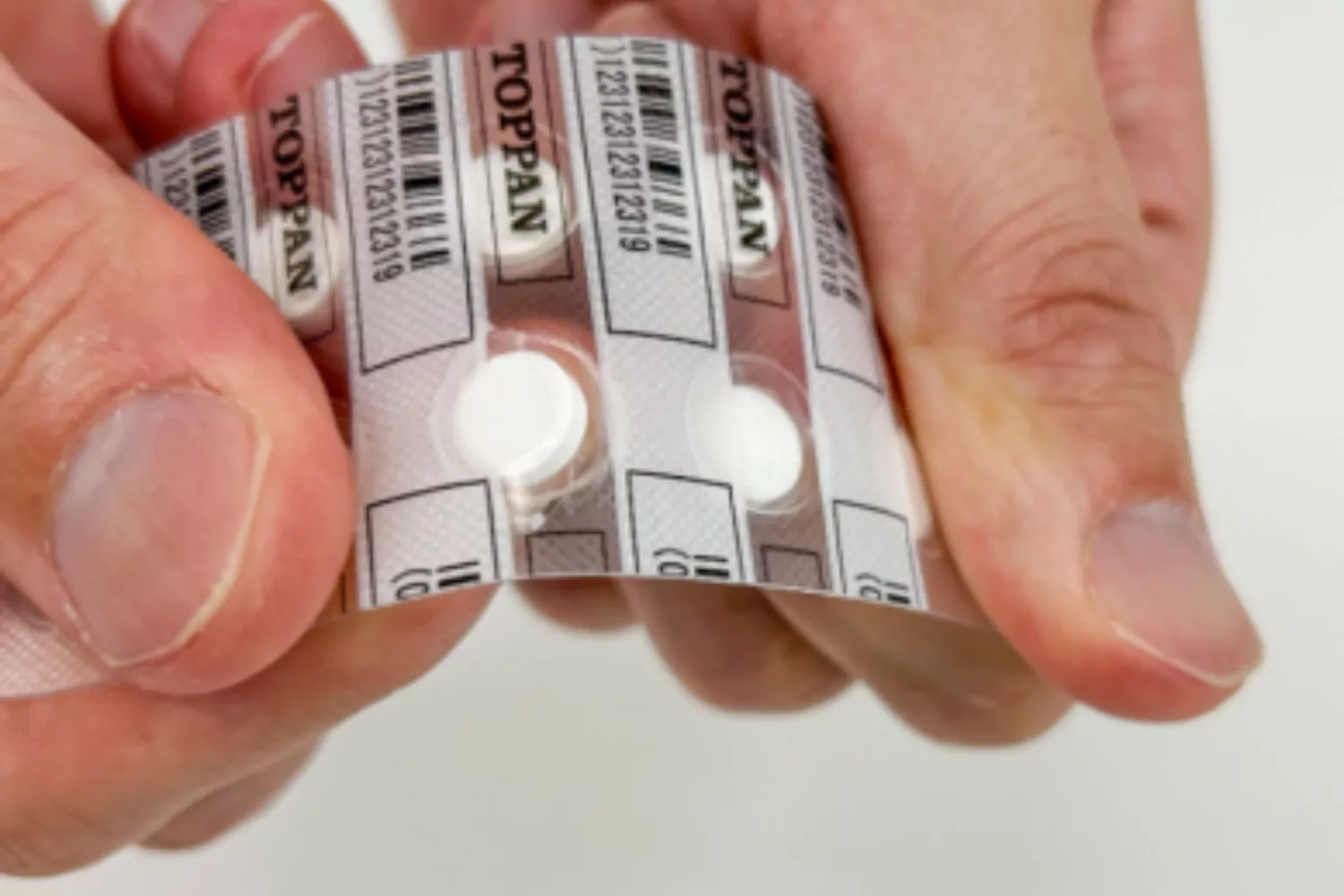
The core of the acquisition involves a set of 12 patents. These patents cover the fundamental material design and film-forming technologies required to produce a "brittle" plastic film. In the context of pharmaceutical packaging, "brittleness" is a highly desirable mechanical property. For a patient to access a tablet or capsule, the lidding material must break cleanly when pressure is applied to the blister. Most conventional plastic films are ductile; they stretch and deform rather than snap. If a lidding material stretches too much, the patient may struggle to extract the medication, or the mechanical force required might inadvertently crush the pill. Asahi Kasei’s patented technology allows for the creation of a film that mimics the "push-through" functionality of aluminum foil while being composed of polymers that are more compatible with existing recycling streams.
By integrating these 12 patents into its portfolio, TOPPAN Holdings is positioning itself to lead the "Sustainability Transformation" (SX) of the healthcare sector. The company plans to fuse this brittle film technology with its proprietary "GL BARRIER" series—a world-leading transparent barrier film technology. The resulting product will likely be a mono-material, high-barrier, push-through blister pack. This "all-plastic" solution would offer the same level of protection as traditional aluminum-based packs but would be significantly easier to process in plastic recycling facilities. Furthermore, moving away from aluminum reduces the carbon footprint associated with the energy-intensive smelting and processing of metals.
The timing of this acquisition is particularly relevant given the shifting regulatory landscape. The European Union’s Packaging and Packaging Waste Regulation (PPWR) is setting ambitious targets for recyclability and the reduction of unnecessary packaging waste. Pharmaceutical companies, which were once granted more leeway due to the critical nature of their products, are now being integrated into these sustainability mandates. As these companies look to overhaul their global packaging strategies, they require partners who can provide "drop-in" replacements—materials that function on existing packaging lines without requiring massive capital expenditures for new machinery. TOPPAN’s new brittle lidding material is designed to meet this demand, providing a functional equivalent to foil that fits within the infrastructure of current pharmaceutical manufacturing.
Beyond the environmental benefits, the move into the global push-through blister pack market represents a massive commercial opportunity. The healthcare packaging market is projected to grow steadily over the next decade, driven by aging populations in developed nations and expanding access to healthcare in emerging markets. In Japan, Europe, and North America, the demand for convenient, unit-dose packaging like PTPs is at an all-time high. By securing the intellectual property for the "push-through" mechanism—the most critical user-interface component of the package—TOPPAN is effectively lowering the barriers to entry for its full-scale expansion into the international pharmaceutical market.
The synergy between TOPPAN and the acquired Asahi Kasei technology extends to the manufacturing process itself. Asahi Kasei’s expertise in optimal material design and film-forming technologies complements TOPPAN’s sophisticated printing and coating capabilities. This vertical integration allows TOPPAN to control the quality of the material from the molecular level to the finished, printed lidding film. This level of control is vital in the pharmaceutical industry, where even the slightest deviation in material composition can lead to regulatory failures or compromised patient safety.
Looking ahead, TOPPAN has set an aggressive timeline for the commercialization of this technology. The company aims to complete the development of functional, eco-friendly push-through blister packs and begin providing samples to global pharmaceutical clients by the end of fiscal 2025. This development phase will involve rigorous testing to ensure that the new brittle films can withstand the stresses of high-speed packaging lines while maintaining an airtight seal over the product’s entire lifecycle. The company will also need to demonstrate that the materials do not leach any harmful chemicals into the medication, satisfying the stringent requirements of the FDA (U.S. Food and Drug Administration) and the EMA (European Medicines Agency).
This acquisition also reflects TOPPAN’s broader corporate strategy, which focuses on "Digital Transformation" (DX) and "Sustainability Transformation" (SX). By evolving from a traditional printing company into a provider of high-tech material solutions, TOPPAN is diversifying its revenue streams and insulating itself from the decline of traditional paper-based media. The packaging division has become the vanguard of this evolution, utilizing advanced chemistry and engineering to solve complex social issues like plastic waste and medical safety.
The transition to aluminum-free blister packs is not without its challenges. Aluminum is an absolute barrier, meaning it has zero permeability to gases. While high-barrier plastics like TOPPAN’s GL BARRIER films come incredibly close to this performance, achieving total parity requires sophisticated multi-layer engineering. The challenge lies in ensuring that the "brittleness" of the film is not compromised by the addition of the barrier layers. The 12 patents acquired from Asahi Kasei provide the roadmap for balancing these competing physical properties: the stiffness needed for protection, the barrier needed for stability, and the fragility needed for the "push-through" action.
Furthermore, the industry must consider the "patient experience." For elderly patients or those with limited manual dexterity, the ease of opening a blister pack is a matter of medication adherence. A lidding material that is too hard to break or that shears in an unpredictable way could lead to missed doses. TOPPAN’s focus on "functional" packaging suggests that the user-centric design of the Asahi Kasei technology was a primary motivator for the deal. The goal is a seamless transition where the patient notices no difference in how they access their medicine, even though the material they are holding has been fundamentally reinvented.
In conclusion, TOPPAN Holdings’ acquisition of Asahi Kasei’s brittle lidding material technology is a watershed moment for the pharmaceutical packaging industry. It signals the beginning of the end for the traditional aluminum-plastic blister pack and heralds a new era of mono-material, circular economy-ready solutions. By combining this new intellectual property with their existing barrier technologies, TOPPAN is not just selling a product; they are providing a solution to one of the healthcare industry’s most persistent environmental challenges. As fiscal 2025 approaches, the global medical community will be watching closely as TOPPAN moves from patent acquisition to market-ready innovation, potentially setting a new global standard for how the world’s most vital medicines are protected and delivered.