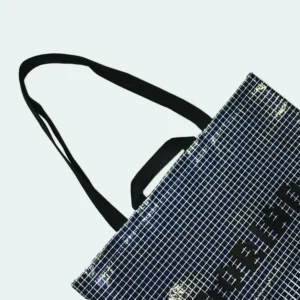

In the contemporary landscape of brand marketing, the distinction between a simple promotional item and a premium brand extension has never been more critical. As markets become increasingly saturated, high-end brands are recognizing that every physical touchpoint—including the merchandise they offer—must serve as a testament to their core values of quality, elegance, and meticulous attention to detail. This case study explores the intricate journey of bag design development, focusing on a specialized project undertaken by The Bag Workshop to create a custom, high-performance cool bag for a luxury client. The objective was not merely to produce a container for temperature-sensitive goods but to engineer a sophisticated accessory that would seamlessly integrate into a pre-existing suite of premium products. By examining the phases of conceptualization, material selection, and technical execution, we can see how bespoke solutions transform a utilitarian object into a powerful vehicle for brand storytelling.
The genesis of any successful design project lies in a comprehensive understanding of the client’s vision. For this specific endeavor, an established premium brand sought to expand its lifestyle offerings with a product that addressed a specific consumer need: a high-quality cool bag suitable for gourmet outings and exclusive events. The brief was deceptively simple yet technically demanding. The product needed to offer flawless thermal protection and maintain the highest standards of food hygiene, all while mirroring the aesthetic sophistication of the brand’s flagship products. In the luxury sector, "good enough" is a failure; the bag had to be an organic extension of the brand’s identity, requiring a level of customization that off-the-shelf solutions simply cannot provide. This necessitated a partnership with a design house capable of managing the delicate balance between high-utility engineering and high-fashion aesthetics.
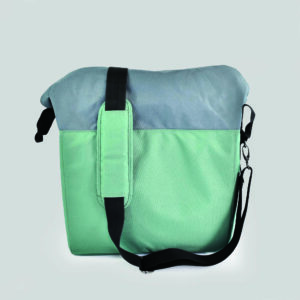
The first major hurdle in the development process was the pursuit of aesthetic perfection, specifically regarding color and material texture. For a premium brand, color is more than a visual choice; it is a proprietary asset. The brand’s signature palette is often the first thing a consumer recognizes, and any deviation—no matter how slight—can undermine the perceived value of the product. The Bag Workshop initiated a rigorous Pantone-matching process for the exterior fabric. Unlike printing on paper, achieving a precise color match on woven textiles involves a complex "lab-dip" process, where fabric samples are dyed and reviewed under various lighting conditions (D65 artificial daylight, store light, etc.) to ensure consistency. The chosen fabric also had to possess a specific hand-feel—durable enough to withstand outdoor use but refined enough to feel luxurious to the touch. This phase of development ensures that when the cool bag sits alongside the brand’s other products, it appears as part of a cohesive, intentional collection rather than a third-party afterthought.
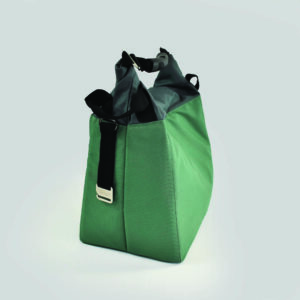
Beyond the exterior shell, the bag’s internal architecture required a deep dive into thermal science and food safety. A cool bag is, at its core, a piece of technical equipment. To meet the client’s stringent standards, the design team had to look past standard insulation methods. The solution involved a multi-layered approach: a high-density thermal barrier designed to minimize heat transfer, paired with a specialized internal lining. The choice of lining material was critical; it needed to be "wipe-clean" and 100% hygienic to ensure that food spills would not lead to bacterial growth or lingering odors. This focus on "hygienic integrity" is a hallmark of premium product development. By selecting food-grade, leak-proof materials that maintain their structural integrity even after repeated use, the design team guaranteed that the bag’s performance would match its high-end appearance. This phase of the project highlights the importance of "fit for purpose" engineering—creating a product that doesn’t just look the part but excels in its primary functional duty.
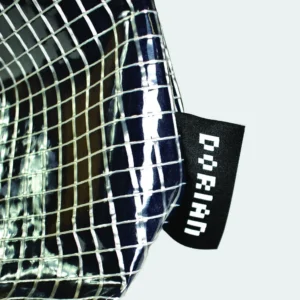
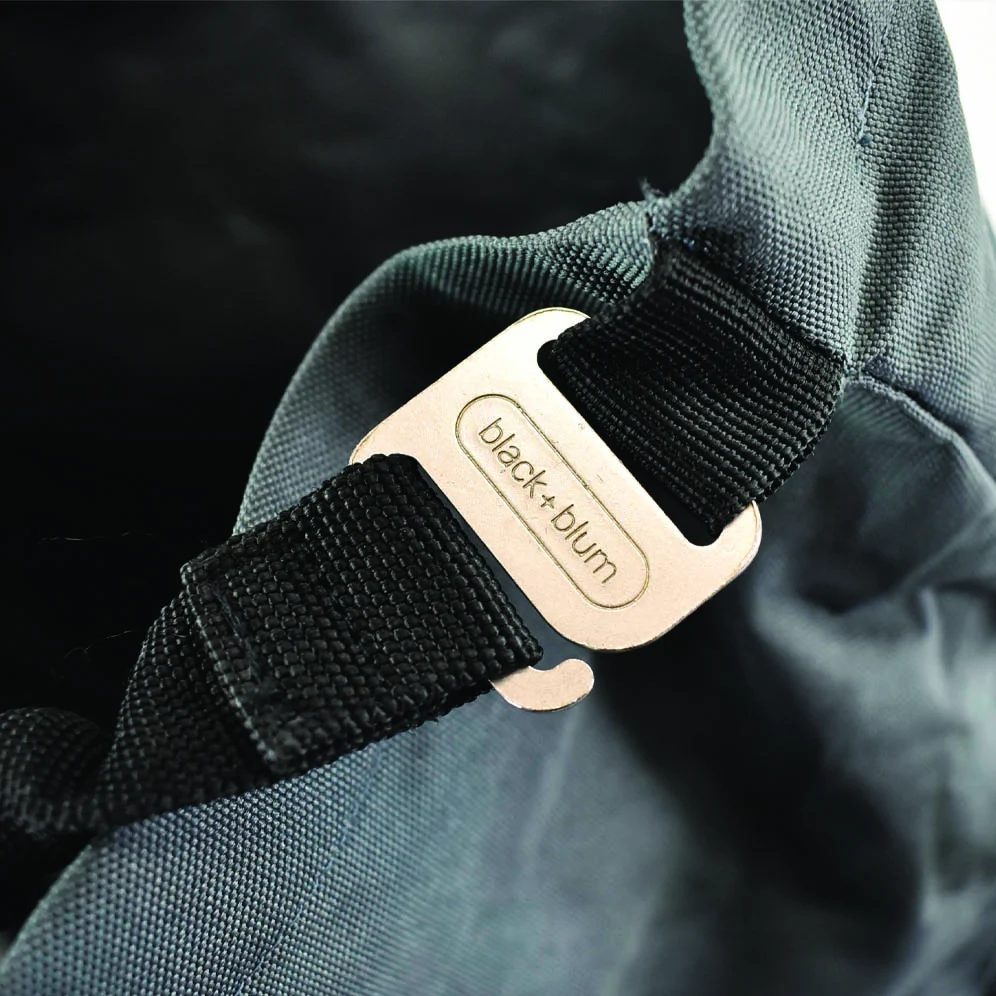
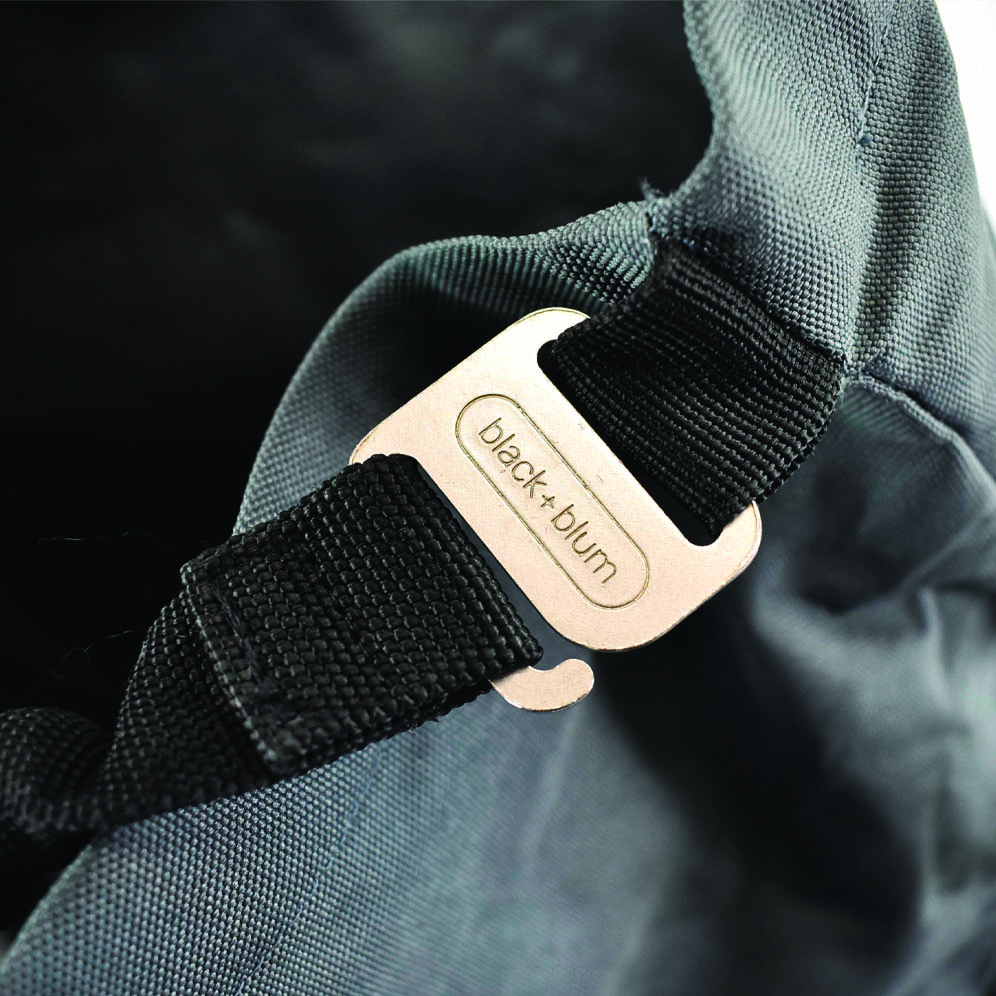
As the structural and aesthetic foundations were laid, the focus shifted to the "finer points" of the design—the branding and hardware. In the world of luxury merchandise, branding is often most effective when it is understated. The goal is to signal quality to those "in the know" rather than shouting for attention with oversized logos. For this project, the team utilized sophisticated branding techniques, including a custom-woven brand label. Unlike a simple screen print, a woven label provides a tactile, three-dimensional quality that suggests longevity and craftsmanship. Furthermore, the hardware—the closures, buckles, and handle attachments—was treated as a design opportunity rather than a utility. Custom-engineered metal components, potentially engraved or finished in a specific metallic hue, were explored to provide a satisfying weight and tactile feedback when the user interacts with the bag. Even the handles and adjustable straps were subjected to rigorous design scrutiny, ensuring they offered ergonomic comfort while maintaining the bag’s sleek silhouette.
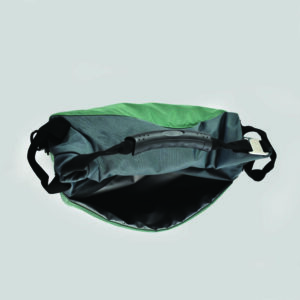
The collaborative journey from initial concept sketches to final product sampling is where the true value of a bespoke bag design service becomes apparent. It is a process of constant refinement. During the sampling phase, prototypes are tested not just for their thermal efficiency, but for their "lifestyle fit." How does the bag hang on the shoulder? How easily does the zipper glide? Does the internal volume comfortably accommodate the specific items—perhaps wine bottles or artisanal containers—that the brand’s customers are likely to carry? By answering these questions during development, the team avoids the pitfalls of mass-market production, where "one size fits all" often means "one size fits none perfectly." The result of this meticulous development was a cool bag that functioned as a high-performance tool while maintaining the grace of a fashion accessory.
The successful launch of the bag provided a clear ROI for the client, manifesting in both brand equity and consumer satisfaction. From an aesthetic standpoint, the perfect Pantone match and high-quality finishes reinforced the brand’s credibility, proving that they do not compromise on quality, even for "merchandise." From a functional standpoint, the bag’s ability to keep contents hygienically secure and cool provided a tangible benefit to the end-user, enhancing their experience of the brand during leisure time. This project serves as a definitive example of how utility and luxury can coexist. It proves that when a product is engineered with the same level of care as a brand’s primary offerings, it ceases to be a mere "giveaway" and becomes a coveted item in its own right.
The expertise required to pull off such a multifaceted project is found at the intersection of design, engineering, and global logistics. The Bag Workshop, as part of the wider Wurlin Group, brings a unique perspective to this challenge. While this case study focuses on a cool bag, the principles of bespoke development apply across a wide range of products, from custom umbrellas to sophisticated packaging solutions. The ability to source specialized materials through a global supplier network, combined with a structured approach to project coordination, allows for the creation of products that are truly innovative. For creative agencies and brand owners, the lesson is clear: the development of branded assets should never be an afterthought. It is an opportunity to reinforce a narrative of excellence.
In conclusion, the development of this premium cool bag was more than a manufacturing exercise; it was a strategic brand alignment. By focusing on precision aesthetics, thermal and hygienic engineering, and sophisticated custom components, the project delivered a product that met the highest standards of both form and function. This comprehensive approach to bag design development ensures that the final product is not just a container, but a reflection of the brand’s commitment to its customers. In an era where consumers are increasingly discerning, the brands that invest in bespoke, high-quality solutions are the ones that will foster the deepest loyalty. Whether it is a cool bag for a summer picnic or a bespoke umbrella for a rainy city day, the quality of the merchandise is a direct reflection of the quality of the brand itself.
If you are looking to elevate your brand’s physical presence, the journey begins with a partner who understands the nuances of premium design. At The Bag Workshop, we pride ourselves on being more than just manufacturers; we are consultants and creators who transform visions into tangible, high-end realities. Our reach extends beyond bags into the broader world of customized merchandise and packaging through The Wurlin Group. We work diligently with our clients to explore every concept, source the finest materials, and manage international distribution with precision. To begin your own journey of product design development and create a brand extension that truly resonates with your audience, contact us at [email protected]. Let us help you engineer your next masterpiece of luxury utility.