
The sensory connection between a brand and its consumer is often the most potent driver of long-term loyalty. Imagine a sweltering July afternoon where a potential client reaches into a stylish, custom-branded backpack to find a beverage as cold as if it were just pulled from a refrigerator. Conversely, consider the commuter on a biting winter morning, opening a sleek carrier to find their gourmet lunch still radiating warmth. These are not merely moments of convenience; they are high-value brand interactions facilitated by the sophisticated application of thermal science in textile engineering. Thermal bags have undergone a radical transformation, migrating from the niche category of "picnic accessories" to become indispensable, high-utility promotional assets. By integrating advanced thermal fabrics into custom bag designs, businesses can offer a product that transcends the ephemeral nature of traditional marketing, providing a tangible service that keeps the brand relevant in the daily lives of its audience.
To appreciate the value of a high-quality thermal bag, one must first understand the invisible physics at play. Thermal regulation in textiles is a battle against the three primary modes of heat transfer: conduction, convection, and radiation. Conduction occurs when heat moves through solid materials; convection involves the movement of heat through air or liquids; and radiation is the transfer of energy through electromagnetic waves. Effective thermal fabrics for bags are engineered to disrupt these processes. Most high-performance insulated bags utilize a multi-layered approach. The inner lining—often a reflective metallic foil or a specialized polymer—is designed to reflect radiant heat back to its source, whether that is keeping heat inside a food container or reflecting external solar heat away from a cold drink. Surrounding this is a core of insulating material, typically an open or closed-cell foam, which traps microscopic pockets of air. Because air is a poor conductor of heat, these pockets act as a formidable barrier, slowing the transfer of energy between the interior and the exterior environment.
The diversity of thermal materials available today allows for a high degree of specialization depending on the intended use of the bag. Expanded Polyethylene (EPE) foam is perhaps the most ubiquitous insulator in the industry, prized for its lightweight nature and excellent cushioning properties. However, for premium applications requiring superior temperature retention over longer durations, manufacturers may opt for thicker Polyurethane (PU) foam or even advanced aerogel-infused textiles. The choice of the interior lining is equally critical. While traditional silver foil is effective for basic insulation, modern brands often prefer PEVA (Polyethylene Vinyl Acetate). PEVA offers a "soft-touch" feel, is chlorine-free, and provides an easy-to-clean surface that is crucial for food safety. For heavy-duty industrial or medical applications, antimicrobial linings may be integrated to prevent the growth of bacteria in the moist, enclosed environment of a cooler bag.
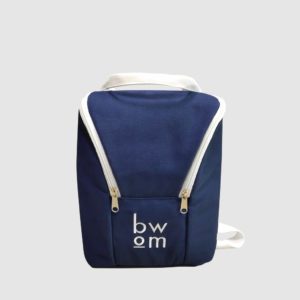
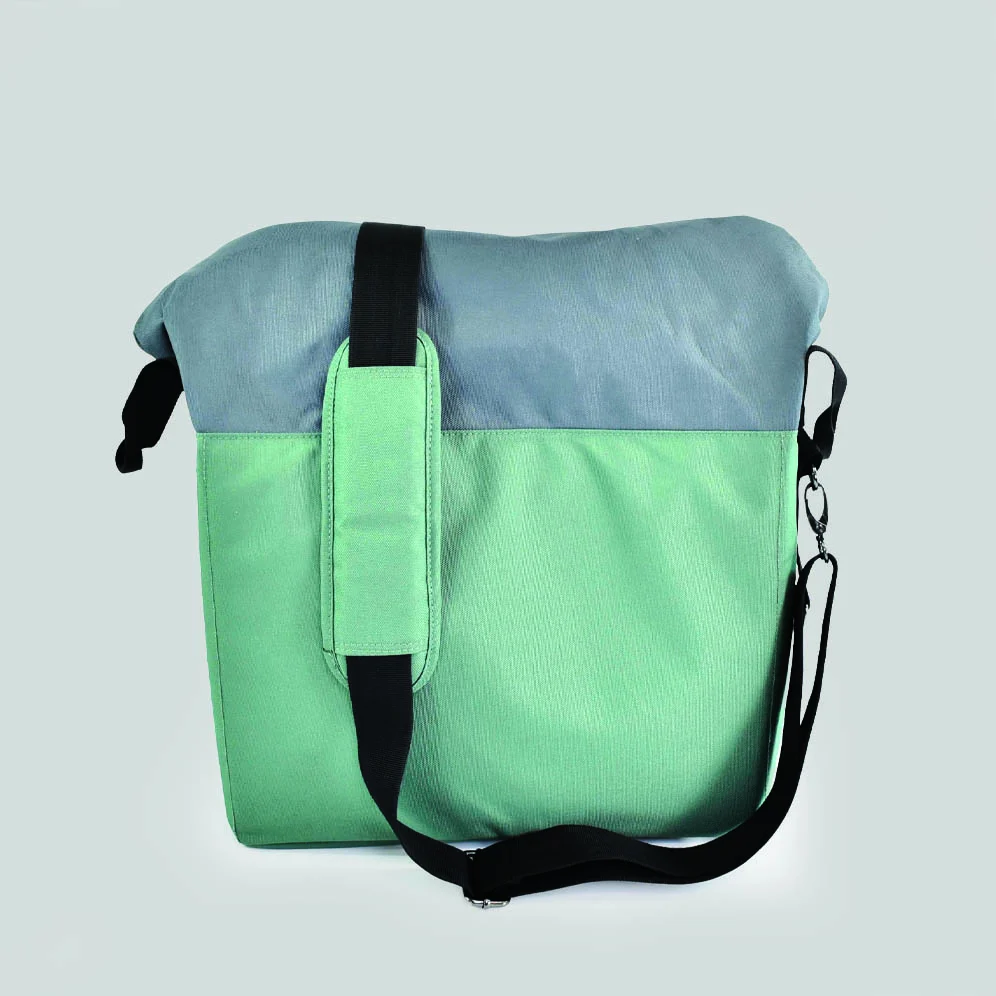
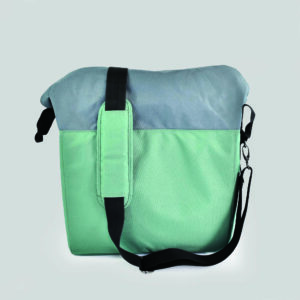
The versatility of these fabrics means that the "cooler bag" is no longer a monolithic concept. In the contemporary market, thermal technology is being integrated into an array of sophisticated silhouettes. We see the rise of the "Insulated Executive Briefcase," designed for professionals who carry temperature-sensitive medications or specialized electronics that require protection from extreme ambient heat. In the retail sector, the "Thermal Tote" has replaced the flimsy plastic grocery bag, offering a durable, eco-friendly alternative that ensures frozen goods make it home intact. Even the world of high fashion has embraced thermal textiles, with luxury brands producing insulated wine carriers and champagne sleeves that combine haute couture aesthetics with laboratory-grade temperature control. For the modern commuter, the "Thermal Tech Backpack" has become a staple, featuring dedicated insulated compartments for meal prep alongside padded sleeves for laptops, effectively merging the requirements of a healthy lifestyle with the demands of the digital workplace.
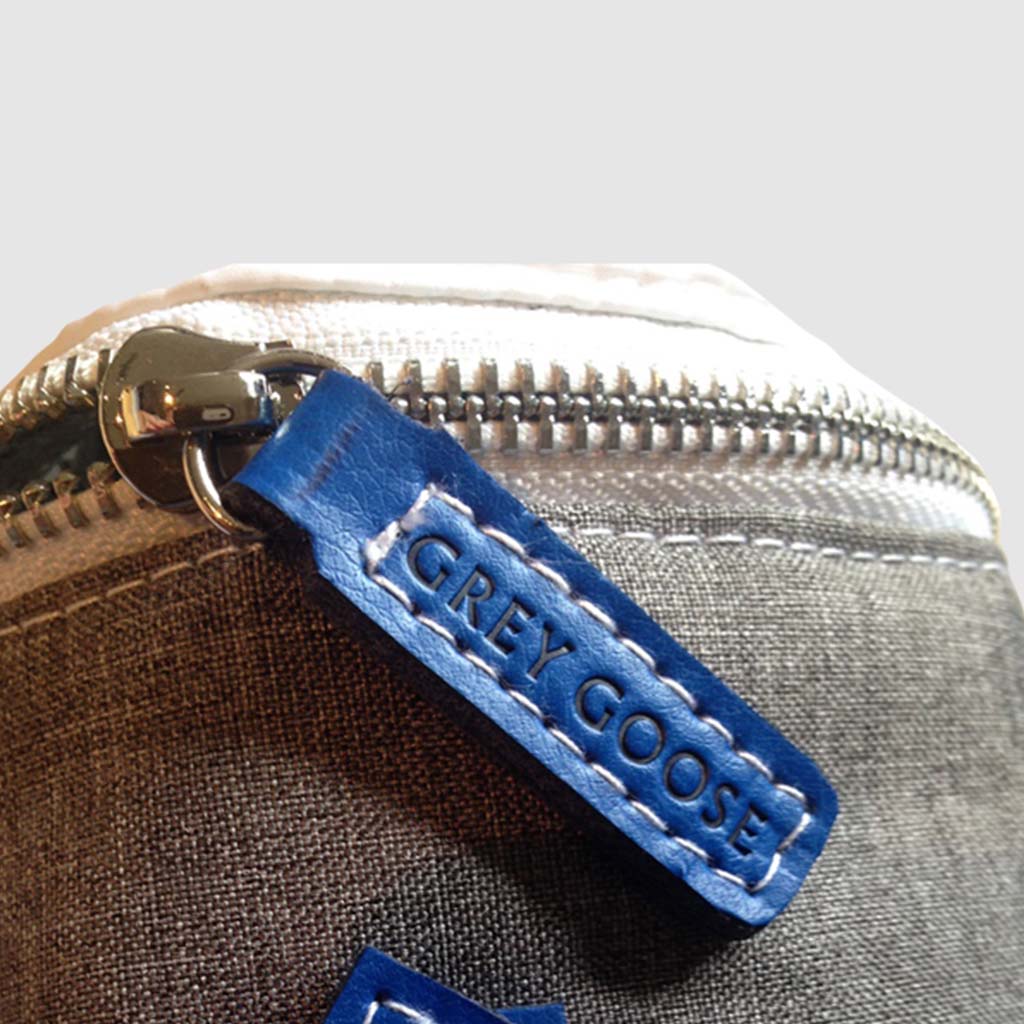
When a brand decides to commission a custom thermal bag, the design process is an opportunity to showcase meticulous attention to detail. A bag’s efficacy is only as good as its weakest point, which is why hardware and construction methods are paramount. Heat leakage often occurs at the seams or through the zipper. To combat this, high-end custom bags often feature "heat-sealed" or "high-frequency welded" seams rather than traditional stitching, which creates a liquid-tight and airtight seal. Waterproof zippers with "zipper garages" (small fabric hoods that cover the end of the zip) further enhance the bag’s thermal integrity. Furthermore, the exterior fabric—the "face" of the brand—must be chosen for both durability and aesthetic appeal. Heavy-duty 600D polyester, recycled PET (rPET) fabrics, or even waxed canvas can be utilized to create a rugged, premium feel that belies the high-tech insulation hidden within.
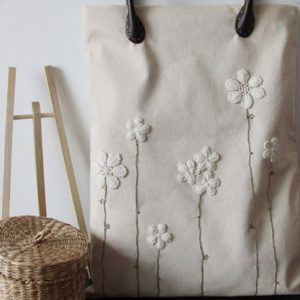
The customization potential of thermal bags is where a brand truly begins to speak to its audience. Beyond the choice of fabric and shape, the decoration options are vast and varied. Screen printing remains a popular choice for bold, vibrant logos, while embroidery offers a tactile, high-end finish that suggests longevity and quality. For more subtle branding, debossed leather patches or woven labels can be integrated into the side seams. The interior, too, offers branding real estate; custom-printed linings or branded internal mesh pockets add a layer of "surprise and delight" for the user. Even the functional elements can be customized—Pantone-matched zippers, branded pull-tabs, and adjustable straps with ergonomic padding all serve to reinforce the brand’s identity and its commitment to the user’s comfort.
In the current global climate, sustainability is no longer an optional "extra" but a core requirement for brand credibility. The Bag Workshop has been at the forefront of this shift, guiding clients toward eco-conscious thermal solutions. This includes the use of rPET fabrics made from recycled plastic bottles, which significantly reduces the carbon footprint of each bag. Additionally, by moving away from PVC linings in favor of PEVA or TPU, brands can ensure their promotional products are free from harmful phthalates and are more easily recyclable at the end of their lifecycle. A well-made thermal bag is, by its very nature, a sustainable tool; its durability and high utility ensure it is used hundreds of times, displacing the need for single-use plastic bags and disposable styrofoam coolers.

The strategic ROI of a custom thermal bag is exceptionally high compared to other promotional items. While a branded pen may be lost in a week and a t-shirt may eventually become gym wear, a high-quality thermal bag occupies a permanent place in the consumer’s home. It is pulled out for weekend trips, grocery runs, and daily commutes, providing repeated brand impressions in diverse environments—from the office breakroom to the local park or the beach. It positions the brand as a facilitator of positive experiences: the provider of the cold beer at the end of a hike or the fresh lunch during a busy workday.
Navigating the complexities of thermal bag manufacturing—from sourcing the right R-value insulation to ensuring ethical factory audits—requires a partner with deep industry expertise. The Bag Workshop provides a comprehensive design and manufacturing service that bridges the gap between creative vision and technical reality. With a global supply chain encompassing audited facilities in the UK, India, and the Far East, they ensure that every bag is produced under stringent quality control and social compliance standards. Their client services team acts as a consultant, helping brands choose the right balance of thermal performance, aesthetic appeal, and budgetary requirements.
In conclusion, the power of thermal fabrics in custom bags lies in their ability to solve a universal human problem: the desire for freshness and comfort. By investing in a bespoke thermal carrier, a brand is not just giving away a "bag"; it is gifting a solution, a piece of high-tech gear, and a constant reminder of the brand’s utility. Whether it is a compact sandwich pouch for a boutique cafe or a rugged, multi-compartment delivery bag for a global logistics firm, the integration of thermal science into brand strategy is a cool—or hot—move that yields long-term dividends in consumer perception and brand equity. The future of promotional textiles is functional, and there is no function more appreciated than the power to keep things exactly the temperature they were meant to be.