

The landscape of packaging sustainability as we look toward 2026 is currently characterized by a frustrating paradox: a universal desire for enhanced recycling and responsible producer behavior clashing violently with an implementation framework often described, with justified exasperation, as the "Wild West." Despite the collective commitment from industry stakeholders, including members of the Food and Drink Federation (FDF) Packaging Sector Group, to embracing producer responsibility, the mechanisms currently being deployed are proving actively detrimental. The core issue is not the philosophy of Extended Producer Responsibility (EPR), but its execution—a flawed structure that is demonstrably fueling inflationary pressures, bloating administrative burdens, and, crucially, failing the fundamental test of fairness across the supply chain.
The recent operationalization of PackUK, the new compliance scheme administrator, offers a fragile glimmer of hope. The industry is keen to engage constructively, and there is an earnest desire for this new body to heed the practical realities voiced by manufacturers and suppliers. The next twelve months are pivotal; they must usher in a decisive shift away from the current morass of regulatory ambiguity toward genuine clarity. At present, the system remains shrouded in a pervasive grey area. This profound regulatory uncertainty is crippling, particularly for smaller and medium-sized enterprises (SMEs) within the packaging sector. These businesses, lacking the extensive legal and compliance departments of multinational corporations, find any meaningful long-term capital investment or strategic planning virtually impossible under the current unpredictable climate. The fear is that without swift simplification and harmonization, the burden of compliance will disproportionately crush the innovative backbone of the smaller producers.
Compounding the EPR implementation crisis is the unrelenting economic battering sustained by the hospitality and foodservice sector—a vital downstream customer for packaging producers. As highlighted by the fallout from the Chancellor’s recent Autumn Budget announcements, this sector continues to absorb disproportionate fiscal shocks. The consequences are grimly predictable: an acceleration in pub and restaurant closures, forced reductions in trading hours, and a general contraction of operational capacity. This contraction has severe ramifications upstream for packaging suppliers.
It is essential to recognize the intrinsic link: approximately 60% of all food and beverage products supplied to the hospitality and foodservice industry rely on packaging solutions provided by FDF members. This critical artery of the supply chain, frequently overlooked in policy discussions, is now under immense strain. As hospitality contracts, so too does the demand for primary packaging, creating a damaging ripple effect that undermines the volume-based efficiencies packaging manufacturers rely upon.
These market-specific pressures are amplified by a broader macroeconomic tempest. Persistent, elevated inflation continues to erode margins across the board. Simultaneously, the costs associated with sourcing raw materials remain stubbornly high. Furthermore, the mandated increases in National Insurance Contributions (NICs) and the forthcoming statutory rise in the national minimum wage from April place further fixed cost burdens squarely onto producers.
Faced with this confluence of escalating operational costs, packaging producers are trapped in an impossible balancing act. They are mandated to achieve ambitious compliance targets under EPR while simultaneously striving to meet stringent sustainability goals—all while battling fierce competition. This competition is increasingly sourced from overseas suppliers. These international rivals often benefit from significantly lower overheads, enjoy superior profit margins, and yet frequently place products onto the UK market that flagrantly disregard established UK compliance and sustainability standards. This creates an uneven playing field where diligent UK businesses are penalized for their adherence to evolving regulations.
Despite this formidable array of challenges, the narrative surrounding the packaging sector is far from one of stagnation. A deep-seated culture of innovation persists within member organizations. Driven by necessity and a genuine commitment to planetary health, these firms are relentlessly focused on engineering solutions that dramatically reduce material usage, pioneer truly sustainable product designs, and accelerate the development of materials certified for industrial composting or advanced recycling streams. This investment in future-proofing is crucial, even when immediate economic returns are uncertain.
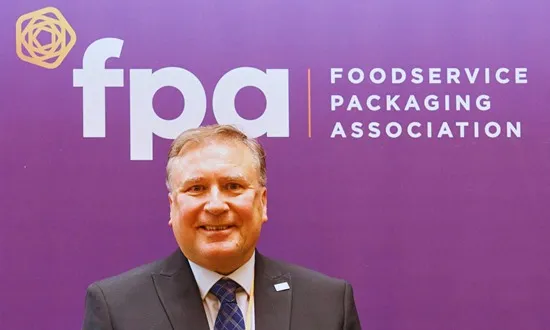
To recognize and champion these forward-thinking endeavors, the Food and Drink Federation is preparing to host its prestigious 2026 FPA Awards ceremony this coming March. These awards serve as a vital platform to spotlight the tangible progress being made despite the systemic obstacles. Early indications regarding submissions for the Product Innovation categories suggest a year of exceptional ingenuity, showcasing packaging that is lighter, smarter, and demonstrably circular. The anticipation surrounding the event is further buoyed by the confirmation that the celebrated comedian and television personality, Matt Lucas, known for his roles in seminal comedy productions, is set to host. Industry insiders predict that the combination of high-quality innovation and world-class entertainment guarantees the 2026 FPA Awards will be a landmark evening celebrating resilience and ingenuity in the face of regulatory turbulence. The industry is not just surviving; it is actively innovating its way toward a more responsible future, provided the implementation of EPR can finally evolve from a chaotic free-for-all into a structured, equitable, and manageable system by 2026.