
Since its strategic reintroduction in the autumn of 2016, coinciding with the broader embrace of miniature luxury goods, the Hermès Mini Kelly II has cemented its status as perhaps the most sought-after, coveted, and frequently photographed handbag in the contemporary collector’s lexicon. What began as a revival of a niche 1957 silhouette has transformed into a global obsession, prompting a critical examination: has this ubiquitous desirability led to "Mini Kelly Fatigue," or is this simply the natural evolution of an iconic accessory achieving legendary status?
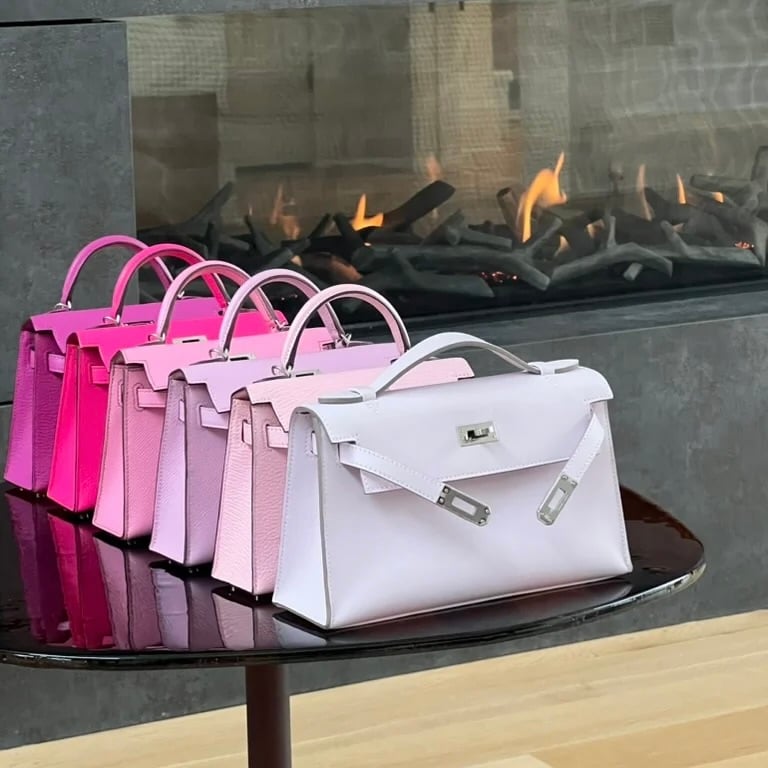
A Legacy Shrunk to Perfection
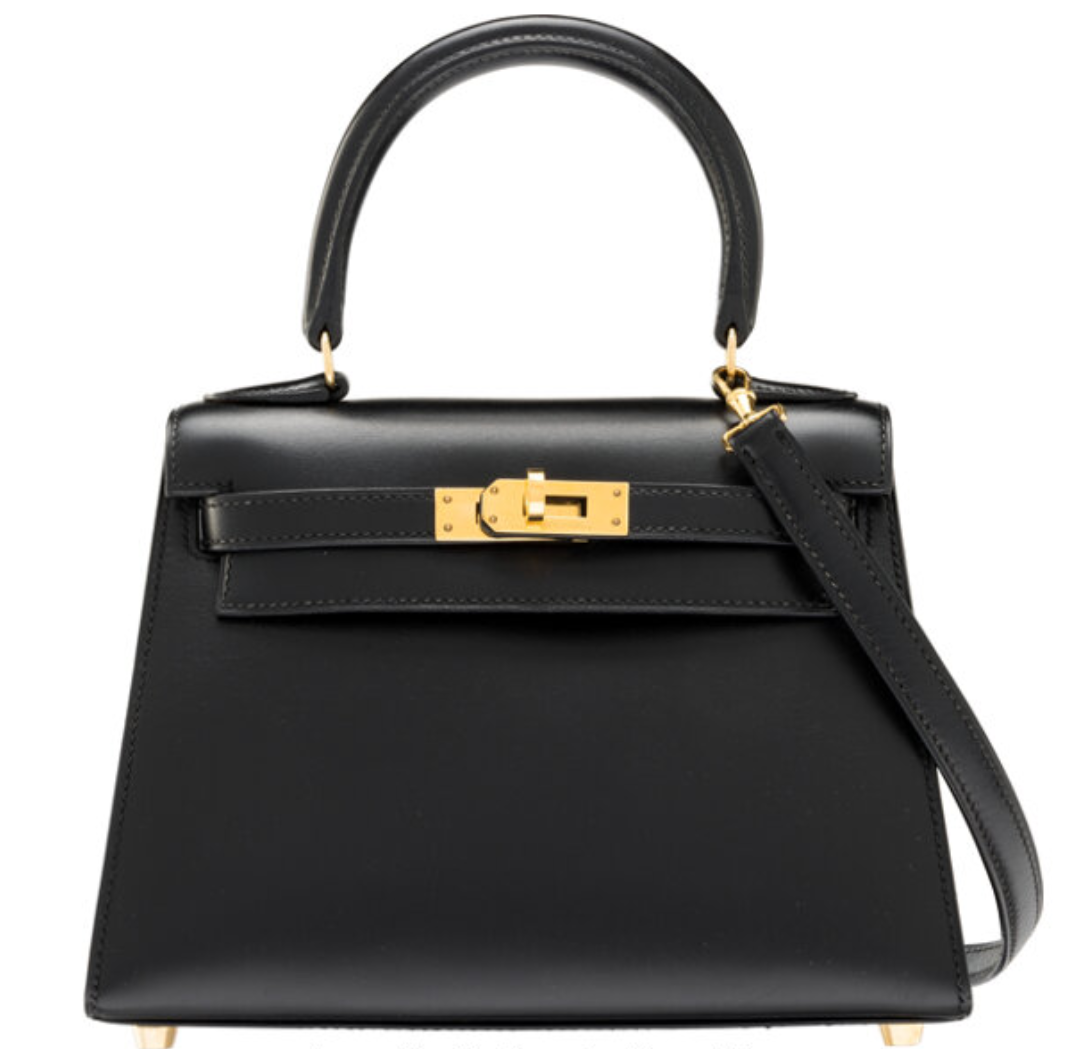
To understand the current fervor, one must appreciate the Mini Kelly’s lineage. The original, smaller Kelly—measuring 20cm wide—was launched in 1957, initially featuring only a non-detachable shoulder strap. The addition of the top handle in the 1980s gave it a familiar structure, though for decades, it remained a more specialized, collectible piece rather than a mainstream staple. Discontinued in 2009, these vintage models now command significant premiums, particularly those crafted in Box leather between 2004 and 2009.
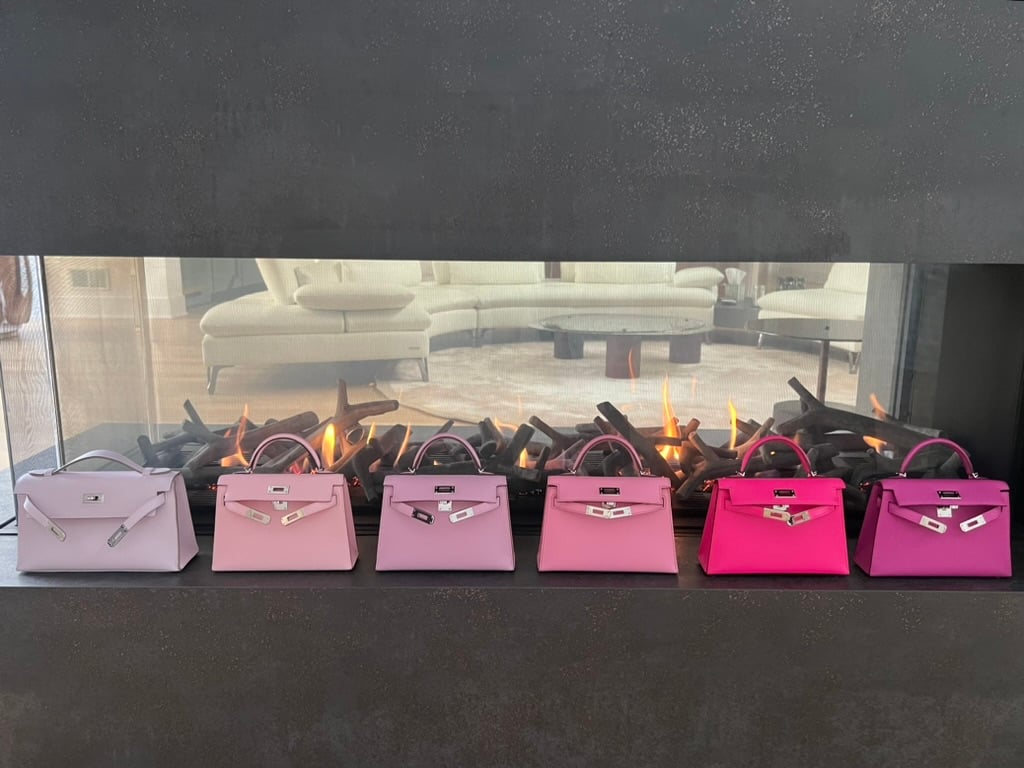
The modern iteration, the Mini Kelly II, arrived in 2016, deliberately timed to capitalize on the burgeoning trend toward micro-bags. While maintaining the same 20cm width, Hermès significantly reduced its height and depth (to approximately 12-12.5cm high and 5.5cm deep), making it even more delicate and less practical—a key element in its aspirational appeal. Equipped with a detachable strap and executed in the classic Sellier construction, it perfectly encapsulated the idea of essential luxury: enough space for a card case, lipstick, and keys, but nothing more. This petite size instantly charmed a new generation of collectors and seasoned enthusiasts alike, many of whom found themselves desiring not just one, but an entire spectrum of colors and leathers.
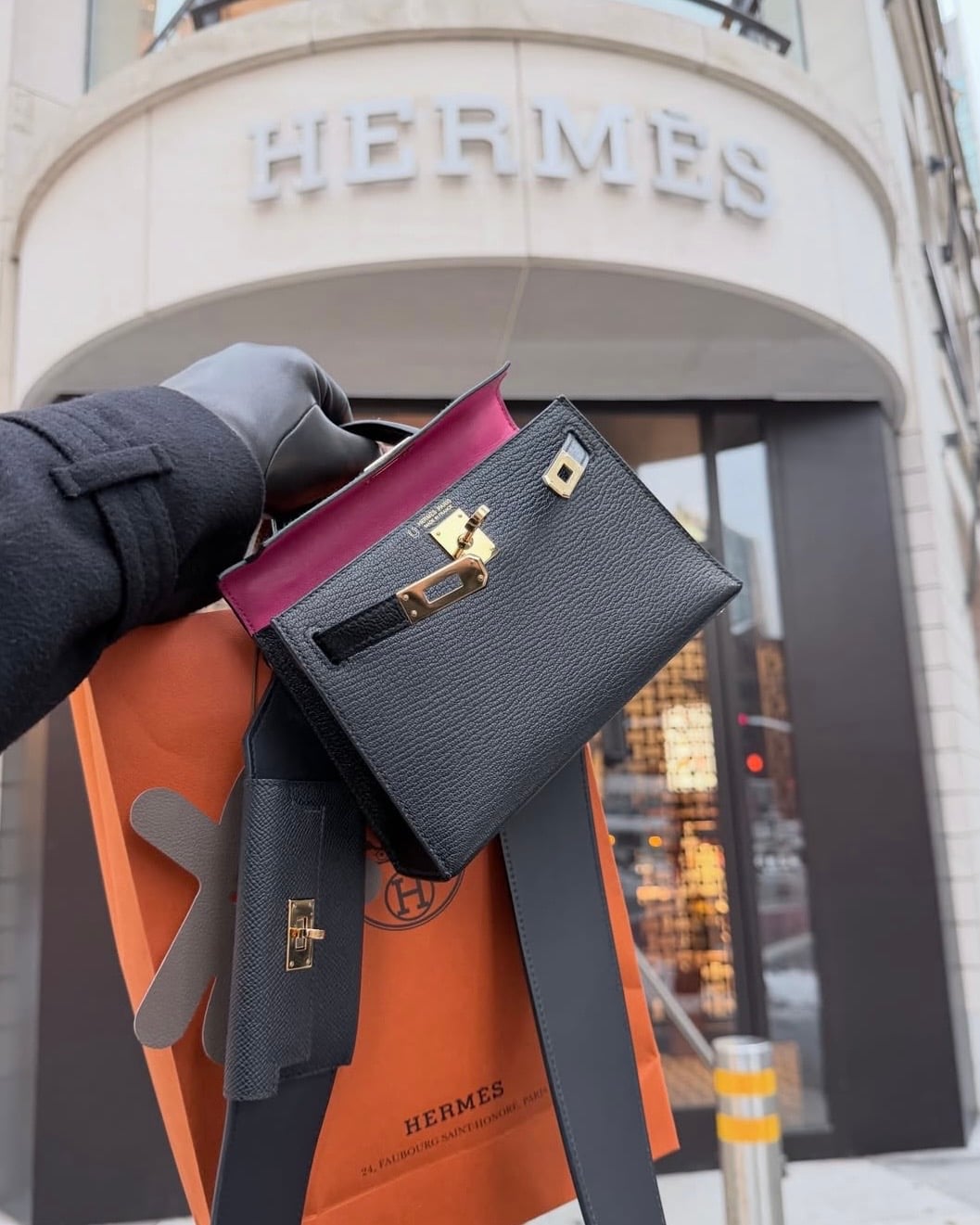
The Aesthetics of Obsession: Why the Mini Kelly Captivates
The Mini Kelly II’s magnetic pull stems from a masterful combination of heritage and modern versatility. It retains the impeccable architectural lines, the sharp structure, and the unmistakable turn-lock closure of its larger counterparts, offering the full Hermès pedigree in a scaled-down, effortless package.
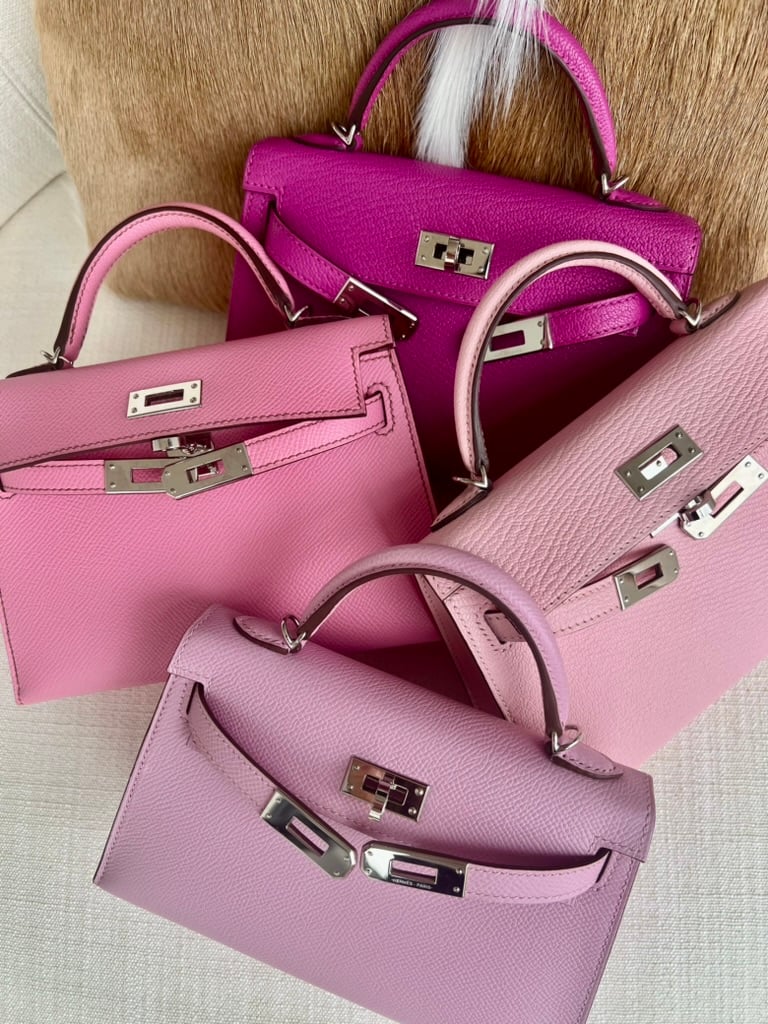
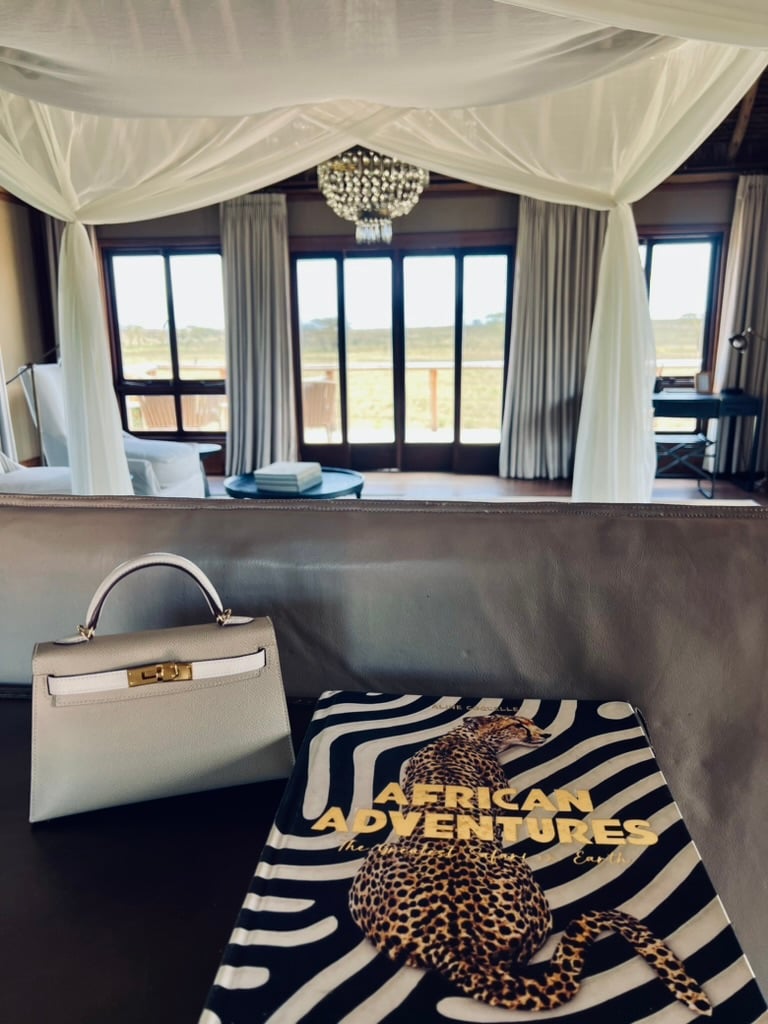
For many collectors, the bag serves as the ultimate accessory for high-profile events or travel. Its diminutive size allows it to transition seamlessly from daytime crossbody wear (for hands-free mobility) to an elegant evening clutch carried by its top handle. As PurseBop notes, its compact nature makes it an ideal travel companion, easily nested inside larger carry-ons like a Birkin or Goyard tote when moving between international destinations.
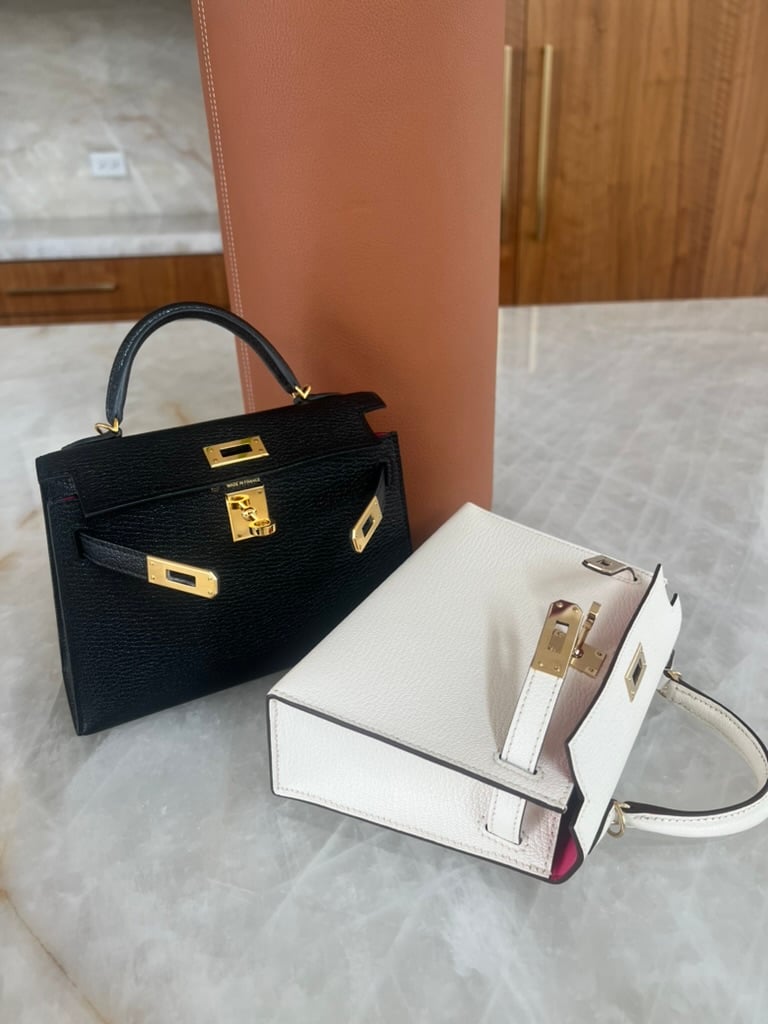
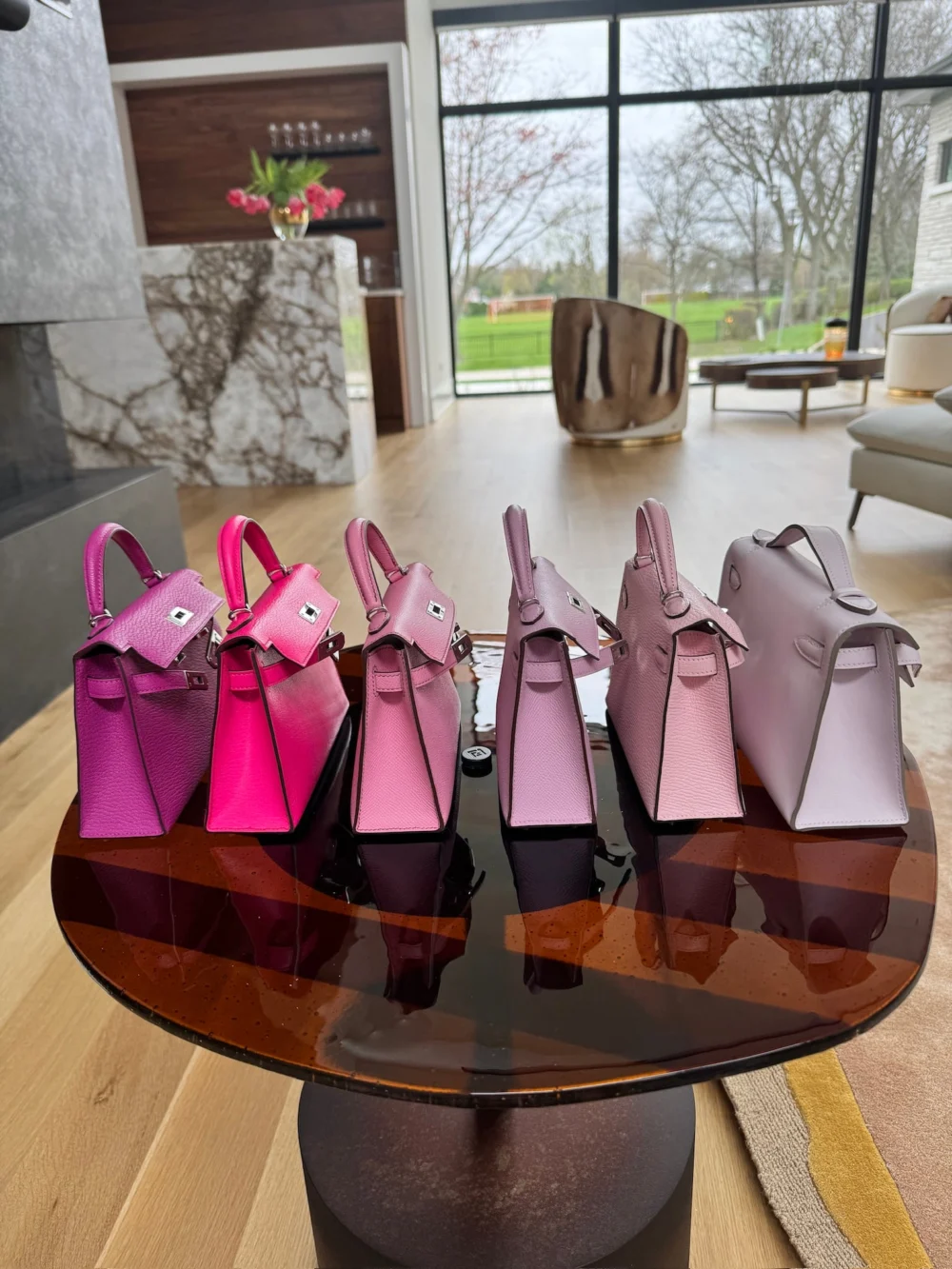
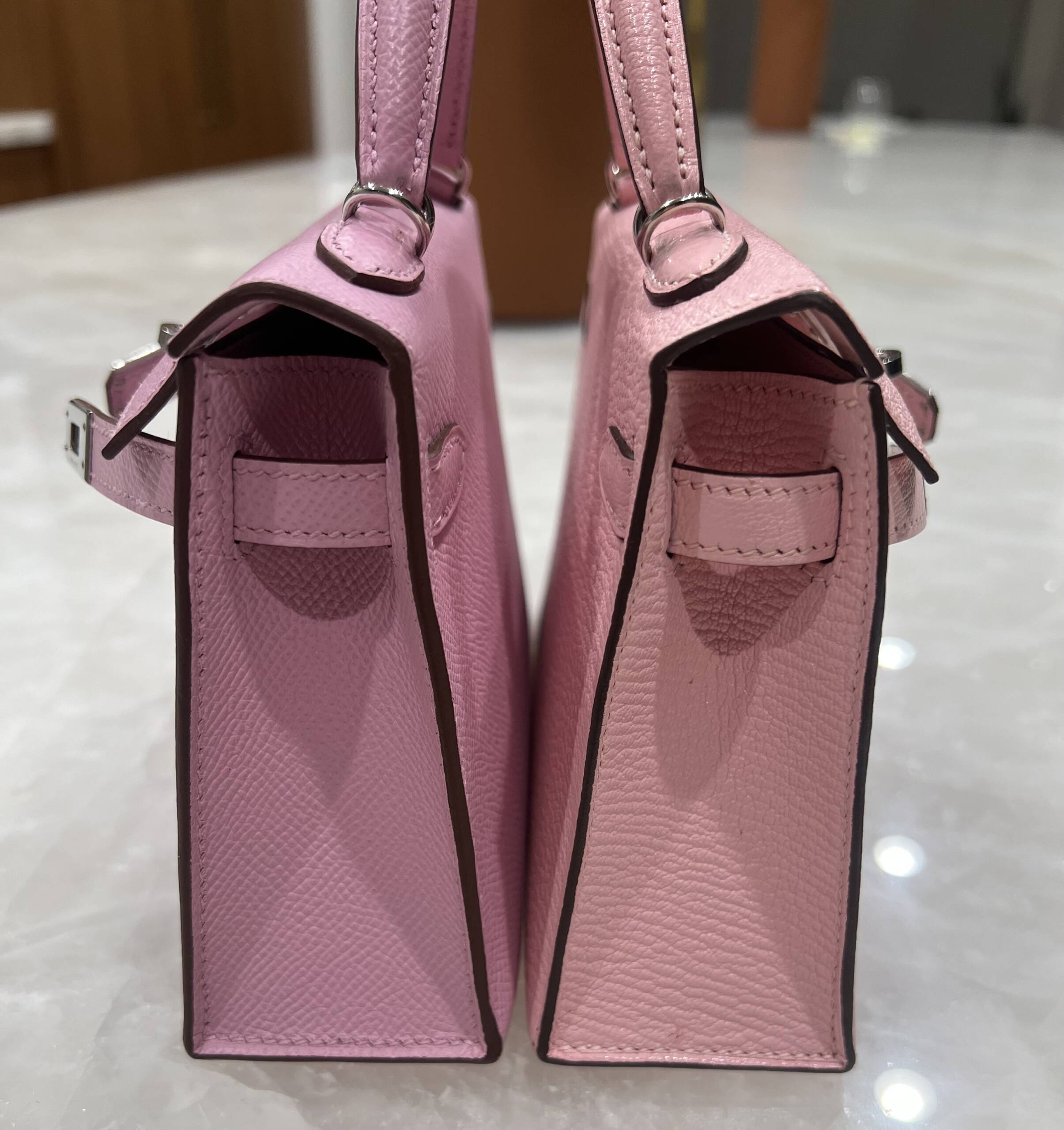
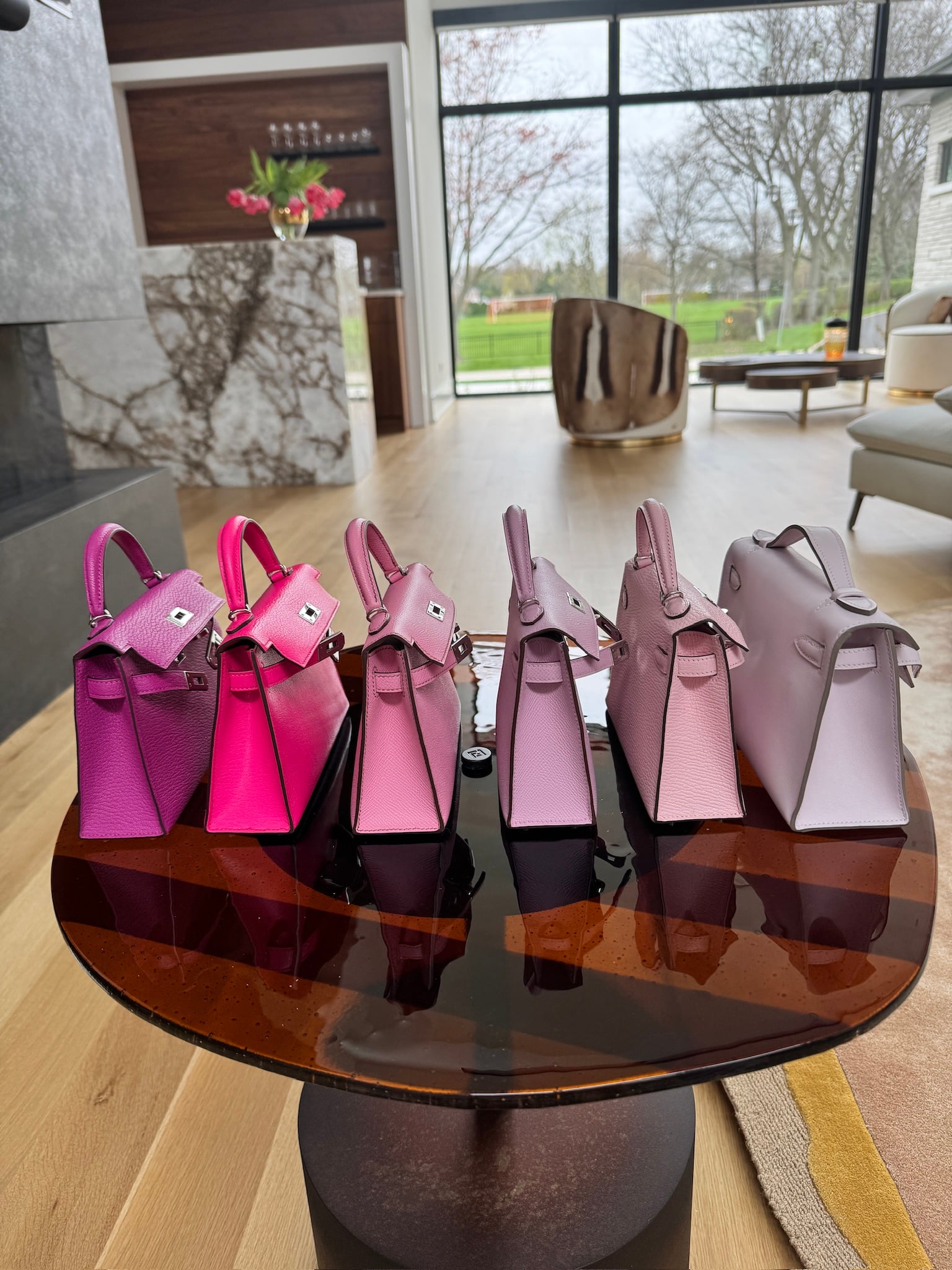
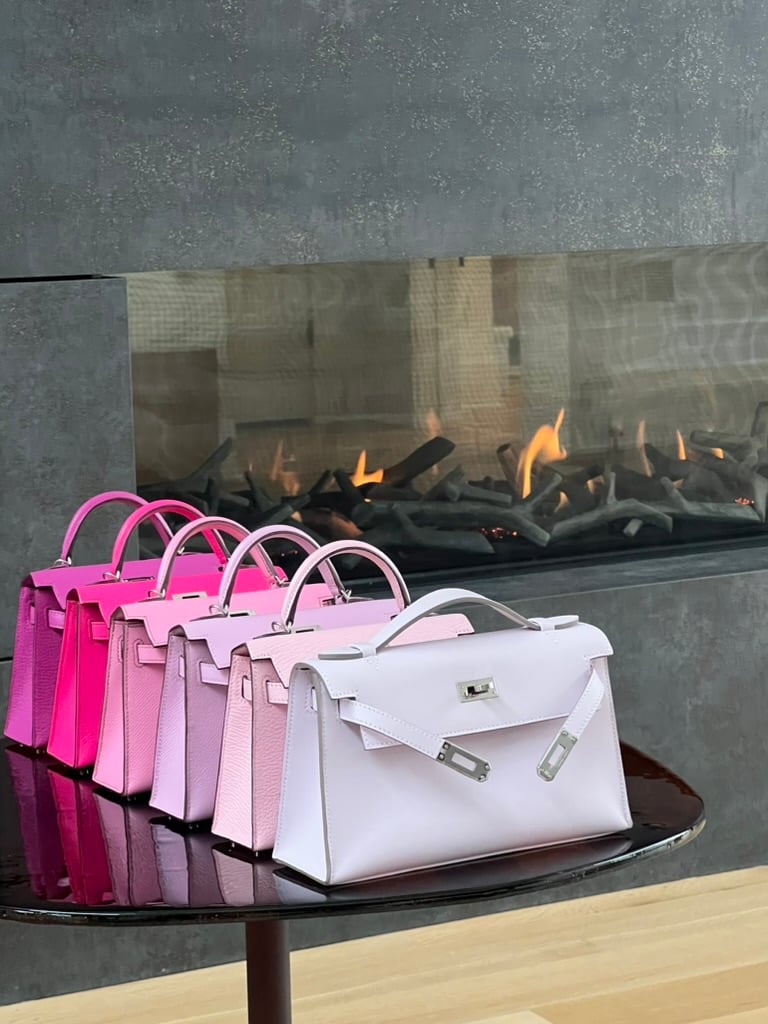
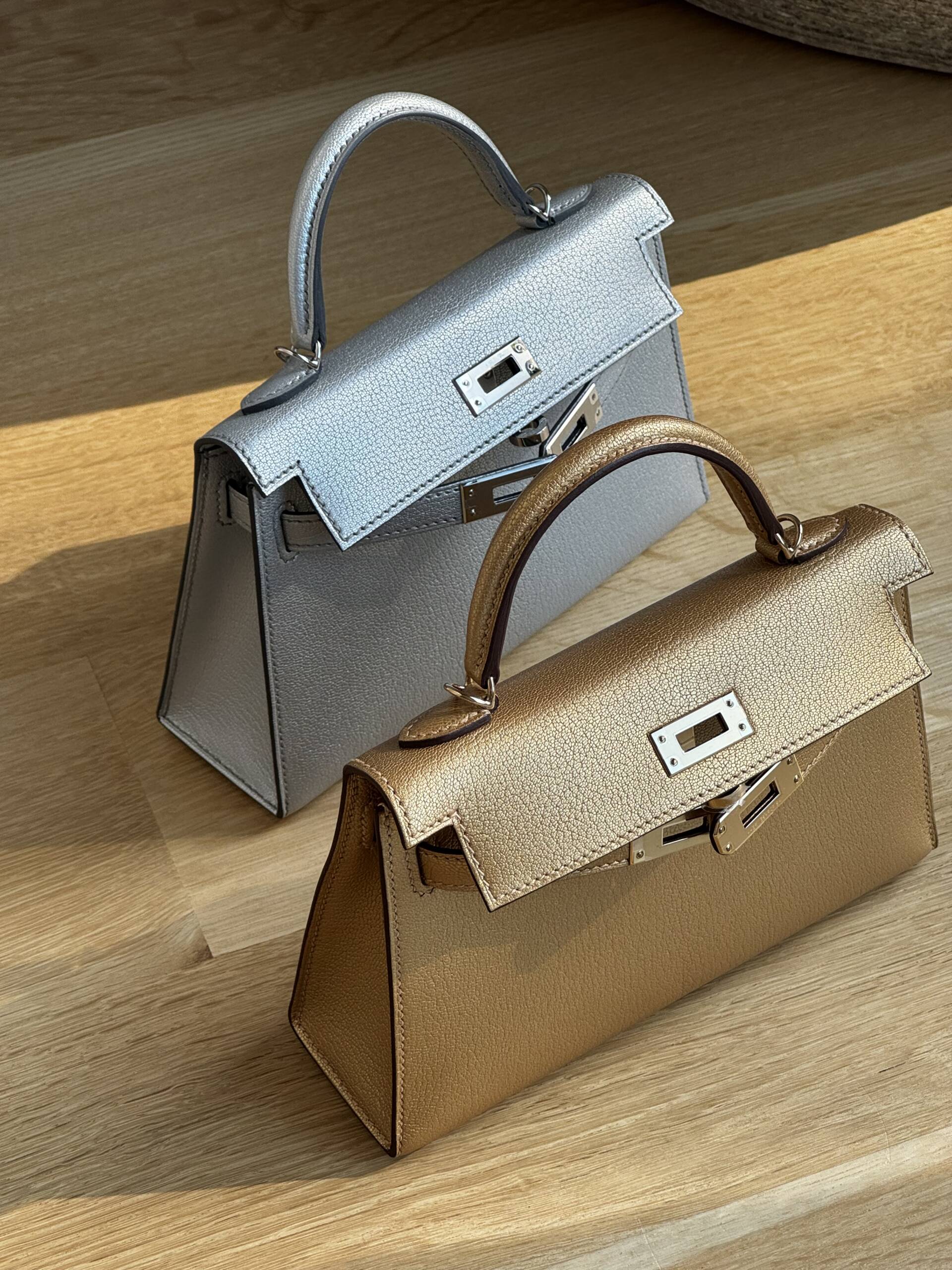
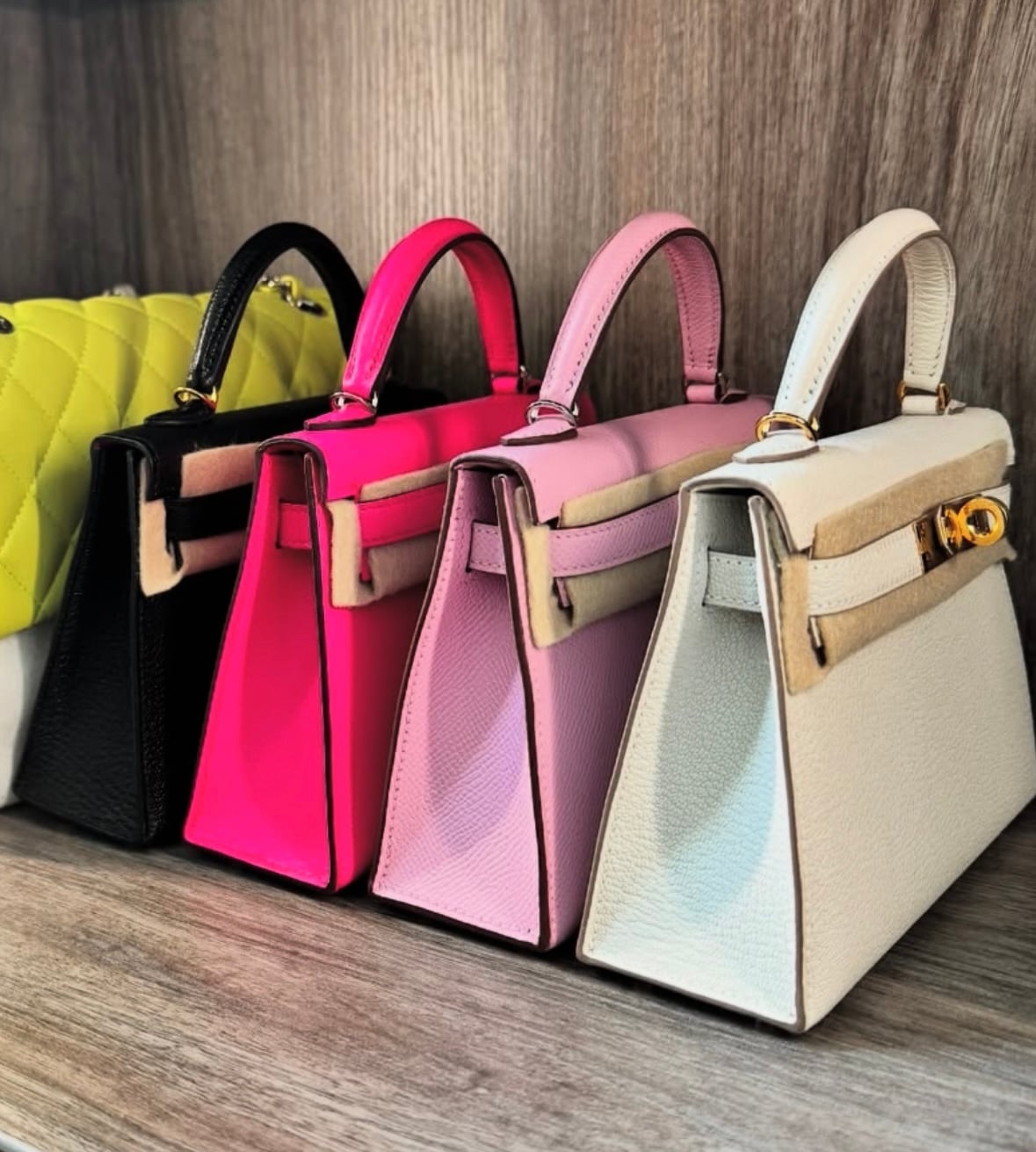
The pursuit is often driven by color and material rarity. The vibrant explosion of pinks—from Magnolia and Rose Sakura to the rich Mauve Sylvestre—showcases the bag’s ability to act as a perfect statement piece against neutral ensembles. Meanwhile, sophisticated neutrals like Noir, Nata, and the highly desirable bi-color Trench/Craie combinations demonstrate its adaptability for year-round elegance. The introduction of special editions, such as the Clouté, Doré, and the heavily embellished Pampilles versions, continuously fuels the collector’s desire for the "next piece."
The Saturation Point: Fatigue vs. Mainstream Acceptance
The central tension in the current discourse surrounding the Mini Kelly II is its sheer visibility. A bag once perceived as elusive is now frequently seen adorning fashion influencers, celebrities, and everyday luxury consumers across major cities. This proliferation inevitably raises the question of market saturation.
When a coveted item becomes highly visible, the perception of its exclusivity can naturally soften. Seasoned collectors, many of whom secured their first Mini Kellys years ago, report a collective pause. While a Mini Kelly is still far from common—the acquisition process via the boutique remains notoriously difficult—the secondary market reflects a greater availability than in previous years, with prices often resting at two to three times retail value, depending on the specific material and colorway.
This saturation has led some long-time devotees, including members of the PurseBop team, to question if the initial rush has subsided. If more pieces are entering circulation, does that dilute the magic?
The Rise of the Alternative: The Kelly Pochette Factor
Interestingly, this re-evaluation of the Mini Kelly II’s dominance has coincided with the burgeoning popularity of another petite contender: the Kelly Pochette. Often deemed a stylistic cousin rather than a direct competitor, the Pochette offers a compelling alternative for those seeking compact luxury with enhanced utility.
Unlike the Mini Kelly II, the Pochette boasts a softer silhouette and, critically, offers significantly better internal capacity, often accommodating a modern smartphone alongside essentials. While it lacks the coveted protective feet of the Kelly and comes without a dedicated long strap (though aftermarket straps are readily available), its growing visibility suggests a segment of the market is pivoting toward its slightly roomier profile. Secondary market prices for desirable Pochette leather/color combinations are soaring, hinting that the Hermès client base is diversifying its focus within the miniature category.
Sustained Magic: Why Obsession Endures
Despite the noise and the visual evidence of its ubiquity, the true collector’s perspective often remains rooted in personal attachment rather than market trends. For PurseBop, the Mini Kelly II remains an indispensable anchor in her collection, valued for its perfect proportions and the sheer joy of each acquisition. The feeling of securing any Hermès bag, especially one as coveted as this, remains a significant milestone.
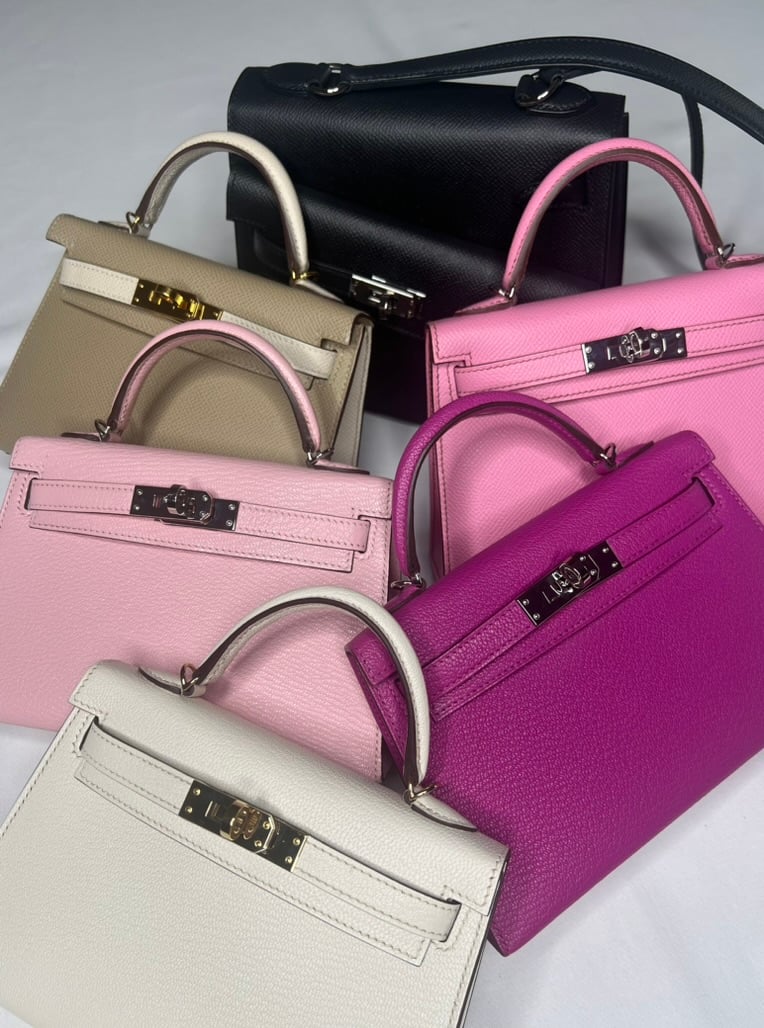
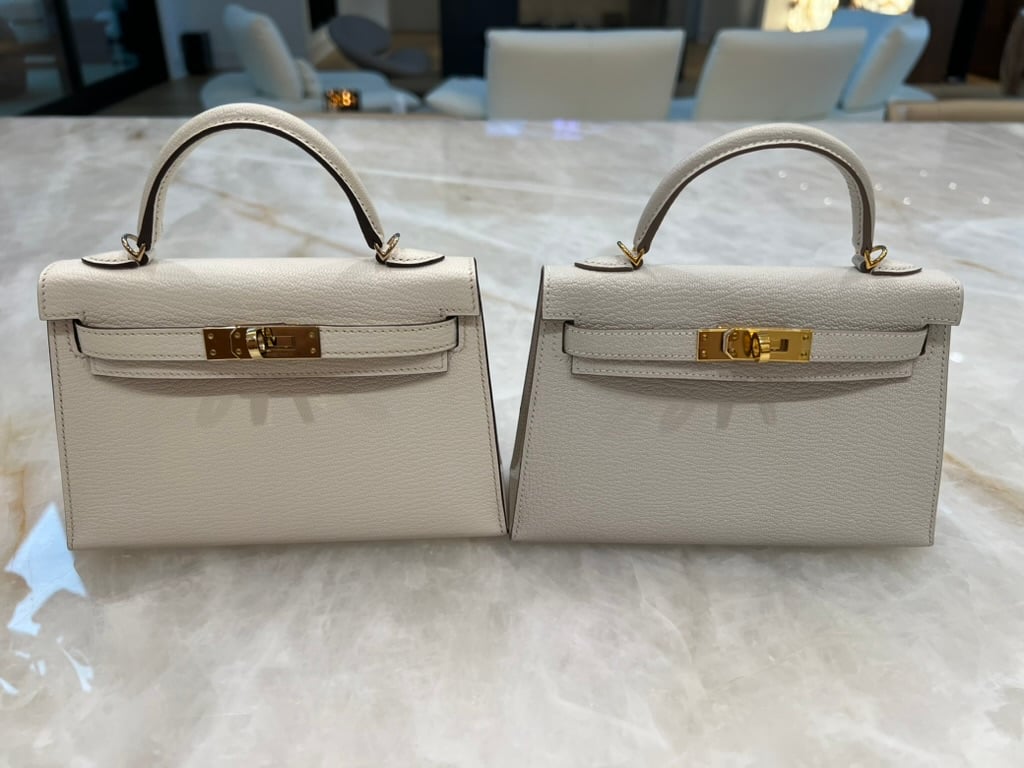
Team member Karenzpurses initially resisted the trend, feeling the scale was better suited for a younger demographic. However, inspired by the bag’s versatility and utility for special events, she pursued her own—a Rose Sakura in Chèvre. Her experience mirrors the broader narrative: the Mini Kelly II, while perhaps short on the shoulder for some, offers a customizable solution (as seen when she ordered a longer 105cm strap). Her subsequent acquisition of a neutral, two-tone Trench/Craie Special Order piece highlights a key factor: Hermès continuously introduces variations that appeal directly to the collector’s desire for uniqueness, preventing true long-term fatigue.
Conclusion: A Permanent Fixture, Not a Passing Fad
Ultimately, the debate over "Mini Kelly Fatigue" reveals more about the current state of luxury consumption than the bag itself. The perception of saturation is driven by social media visibility, but for the dedicated enthusiast, the Mini Kelly II has secured its place in the pantheon of luxury handbags. It is an object of desire because it perfectly marries heritage structure with contemporary miniaturization.
While the Kelly Pochette and other small styles may be gaining traction, the Mini Kelly II’s enduring appeal lies in its crystalline perfection. It represents a manageable piece of the Hermès dream. For those pursuing their first, or adding a sixth, the thrill of the small orange box remains potent. The pursuit of the perfect color, the right leather, and the moment of unboxing ensures that while the bag may be everywhere, the personal obsession remains deeply individual and far from over.