
Leatherworking is an ancient craft redefined by modern tools, and at the heart of personalization lies the art of leather stamping. This technique transforms plain leather into uniquely textured masterpieces, whether etching a simple monogram onto a wallet or creating elaborate, narrative patterns across a full-sized canvas bag. For both hobbyists just starting their journey and seasoned artisans looking to expand their capabilities, the sheer variety of available stamps represents a gateway to limitless creative expression. Recognizing this expansive potential, we delve into an extraordinary collection of 115 leather stamping tools—a comprehensive arsenal designed to cover every need, from basic identification to complex decorative tooling.

The Foundational Art of Leather Stamping
Leather stamping is the process of permanently indenting a pattern or image into the surface of dampened leather, a technique that requires precision, proper preparation, and the right instruments. Before any stamp meets the hide, the leather must be "cased"—a crucial step involving soaking the leather and allowing it to partially dry until it reaches the perfect moisture level (cool to the touch, but not wet). This process ensures the fibers are soft enough to accept the deep, permanent impression when struck with a mallet.

The tools used are typically solid metal dies, often crafted from durable materials like stainless steel or specialized brass, featuring a specific relief pattern on the face. When the tool is placed on the cased leather and struck sharply with a rawhide mallet, the pressure compresses the leather fibers, creating a distinct, three-dimensional mark. The longevity and professional finish of the final piece depend entirely on the quality and variety of these tools. The collection of 115 ideas highlighted here serves not just as a catalogue of options, but as a roadmap for enhancing the aesthetic value and personal narrative embedded in every leather project—from small goods like keychains and cardholders to larger creations like custom satchels and belts.

Categorizing the 115 Creative Instruments
To manage a collection of 115 stamping tools effectively, it is helpful to organize them into functional categories. This vast assortment covers four primary domains: essential character sets, geometric texture creators, border enhancers, and specialized decorative designs.

1. Alphanumeric and Numeric Sets
The most fundamental element of personalization is identity. Within this extensive collection, dozens of options are dedicated purely to communication. These include various font styles (serif, sans-serif, block, script) and sizes, allowing for everything from subtle internal branding marks to bold external monograms.

- Monogramming: Different sizes and depths of letter stamps enable crafters to create complex initials or personalized names on items like wallets and travel tags.
- Dating and Coding: The inclusion of numeric sets allows for stamping dates, serial numbers, or model identifiers, essential for limited-edition or professional products.
- Interchangeable Systems: Many of these tools are designed for use in specialized holders or jigs, ensuring perfect alignment and spacing when stamping multi-character words or phrases, providing a level of polish unattainable through freehand stamping.
2. Geometric and Utility Stamps
These tools are the workhorses of leather decoration, designed not for specific images, but for creating background textures, adding depth, and simulating complex weaves or surfaces.

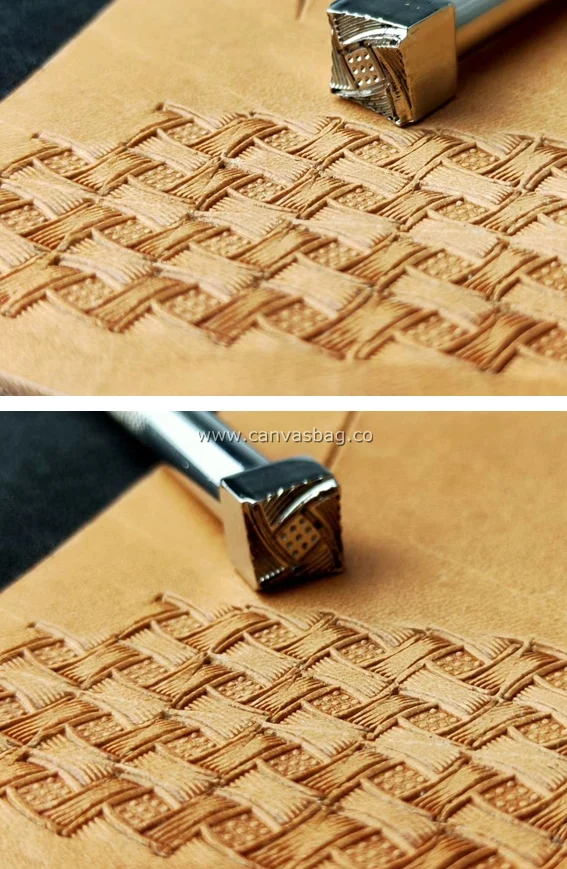
- Basketweave Stamps: A cornerstone of Western leather tooling, these tools create a repeating interlocking pattern that gives the illusion of woven material. The 115 ideas likely include several variations of basketweave stamps, differing in scale and tightness of the weave, crucial for customizing large belt or saddle areas.
- Background Stamps (Seeders and Camouflage): These tools are vital for making the main stamped image or carving stand out. Background stamps (often with a pebbled, dotted, or matted surface) are used to depress the surrounding area, causing the central design to visually pop forward in high relief. The collection offers numerous texture options, ensuring no two backgrounds look alike.
- Mulefoot Tools: Named for their distinctive, slightly triangular shape, mulefoot tools are often used for creating textured fill-ins or unique border patterns that diverge from traditional straight lines.
3. Border and Edge Enhancers
Borders provide definition and frame the central design, turning a raw piece of leather into a finished composition. The variety here ranges from simple, elegant lines to intricate, repeating motifs.

- Continuity Stamps: These tools are designed to be stamped repeatedly along a line, creating a fluid, unbroken pattern such as a chain, rope, or geometric fretwork. Mastering the spacing of these stamps is key to achieving professional-looking edges on belts and straps.
- Woven and Geometric Borders: Beyond simple lines, the collection encompasses stamps that replicate complex interwoven patterns, often used to simulate stitching or braided leather along the perimeter of a piece.
4. Figurative and Decorative Designs
This category unleashes the full artistic potential of the 115-tool collection. These are the stamps that tell a story, adding character and immediate visual interest.

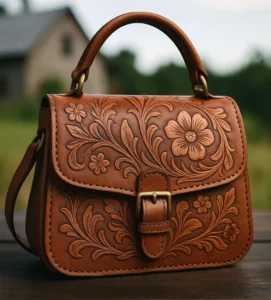
- Natural Elements: Expect to find a wide array of stamps depicting flora and fauna—various leaf shapes, petals, vines, and animal tracks. These are indispensable for traditional carving and decorative tooling, especially in Western or nature-inspired themes.
- Symbolic and Abstract Designs: The collection often includes specialized symbols, heraldic designs, Celtic knots, or stylized geometric patterns used to inject cultural or personalized meaning into a piece. For crafters creating custom branding, unique abstract designs serve as recognizable signatures.
- Specialty Motifs: Given the large number of tools, the collection likely boasts niche designs, such as tiny representations of tools, vehicles, or specific hobby icons, allowing for highly individualized gifts or products.
Beyond the Traditional Strike: Specialty Applications
While traditional stamping involves a hammer and a cold metal die, the modern leather worker often uses these tools in conjunction with other technologies, particularly those focused on permanent branding and heat application.

Heat Stamping and Foil Printing
A subset of metal stamping dies, often made from brass, is specifically designed for use with heat presses. Instead of simply compressing the leather fibers, heat stamping (or hot foiling) darkens the impression and, optionally, applies a thin layer of metallic foil (gold, silver, etc.).

- Deep Branding: Heat stamping provides a darker, more permanent, and visually luxurious mark than cold stamping. Many of the character sets and custom logo designs found within the 115 tools can be adapted for hot stamping, offering maximum versatility across different leather types (especially chrome-tanned leathers which do not respond well to traditional cold stamping).
- Professional Finishing: Using high-quality stainless steel or precision-machined brass tools ensures the stamp retains heat evenly and transfers the design cleanly, avoiding blurred edges—a hallmark of professional leather goods manufacturing.
Achieving Depth and Dimension (Tooling Integration)
It is important to differentiate between general stamping and complex leather tooling, though the tools often overlap. While many of the 115 tools are simple impact stamps (strike once for a full impression), others are critical components of a larger carving process.

Tools categorized as shaders, bevelers, and pear shaders are essential for adding three-dimensional depth to carved designs. For example, a swivel knife is used to cut the outline, but the bevelers (which are technically a form of stamp) are then used to push the leather down along the cut lines, creating a dramatic, contoured shadow effect. This comprehensive collection allows crafters to fully integrate simple decorative stamping (like a repeating basketweave) with advanced carved artwork, resulting in pieces with professional depth and artistry.

Selecting and Caring for Your Stamping Toolkit
Acquiring a large set of stamping tools, such as this impressive 115-piece collection, represents a significant investment in a crafter’s capabilities. Proper selection and maintenance are paramount to ensuring the tools deliver crisp, clean impressions for years to come.

When evaluating stamping tools, look for those made from high-grade stainless steel. Steel resists rust and holds a sharper, more precise edge over time compared to softer metals. The striking end of the tool should be flat and robust to evenly distribute the force of the mallet strike.

Caring for this artisan’s arsenal requires simple but consistent practice:

- Immediate Cleaning: After use, especially if the leather was heavily cased, immediately clean any leather residue from the stamp faces using a stiff brush or an old toothbrush.
- Rust Prevention: If the tools are carbon steel, they must be kept dry and occasionally oiled with light machine oil or camellia oil, particularly in humid environments. Stainless steel requires less maintenance but should still be stored dry.
- Organized Storage: With 115 individual pieces, organization is key. Utilizing specialized wooden blocks, trays, or modular storage systems ensures easy access and prevents the sharp edges of the stamps from dulling by knocking against each other.
The collection of 115 leather stamping tools represents the pinnacle of creative potential in leather craftsmanship. By offering a vast selection of alphanumeric options for personalized messages, geometric tools for intricate textures, precise border stamps for elegant finishing, and figurative designs for artistic storytelling, this arsenal empowers the artisan to transform ordinary materials into extraordinary, deeply personalized items. Whether aiming for the rugged texture of traditional Western tooling or the sleek professionalism of a branded canvas bag, these tools provide the foundational means to achieve any design vision, making them truly essential instruments for any serious leather crafter.