
In the contemporary landscape of marketing and brand visibility, the humble tote bag has undergone a radical transformation, evolving from a simple utilitarian carryall into a sophisticated canvas for corporate storytelling and fashion-forward brand expression. The recent unveiling of a custom-designed, baby pink tote bag—specifically Pantone-matched and featuring high-impact screen printing—serves as a masterclass in how thoughtful design and technical precision can coalesce to create a promotional item that transcends the category of "merchandise" to become a coveted lifestyle accessory. This shift toward high-quality, tailor-made textile products reflects a broader trend in the industry where brands are moving away from generic, off-the-shelf solutions in favor of bespoke items that mirror their unique aesthetic and values.
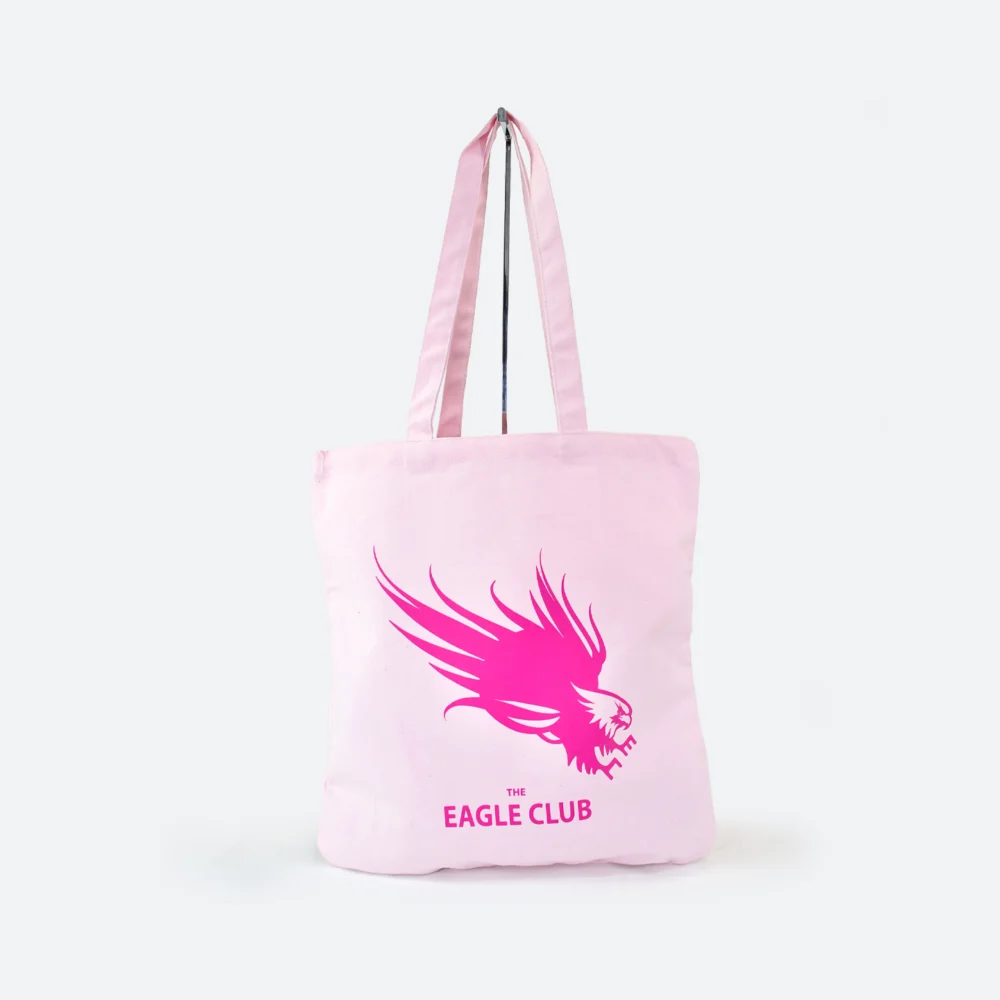
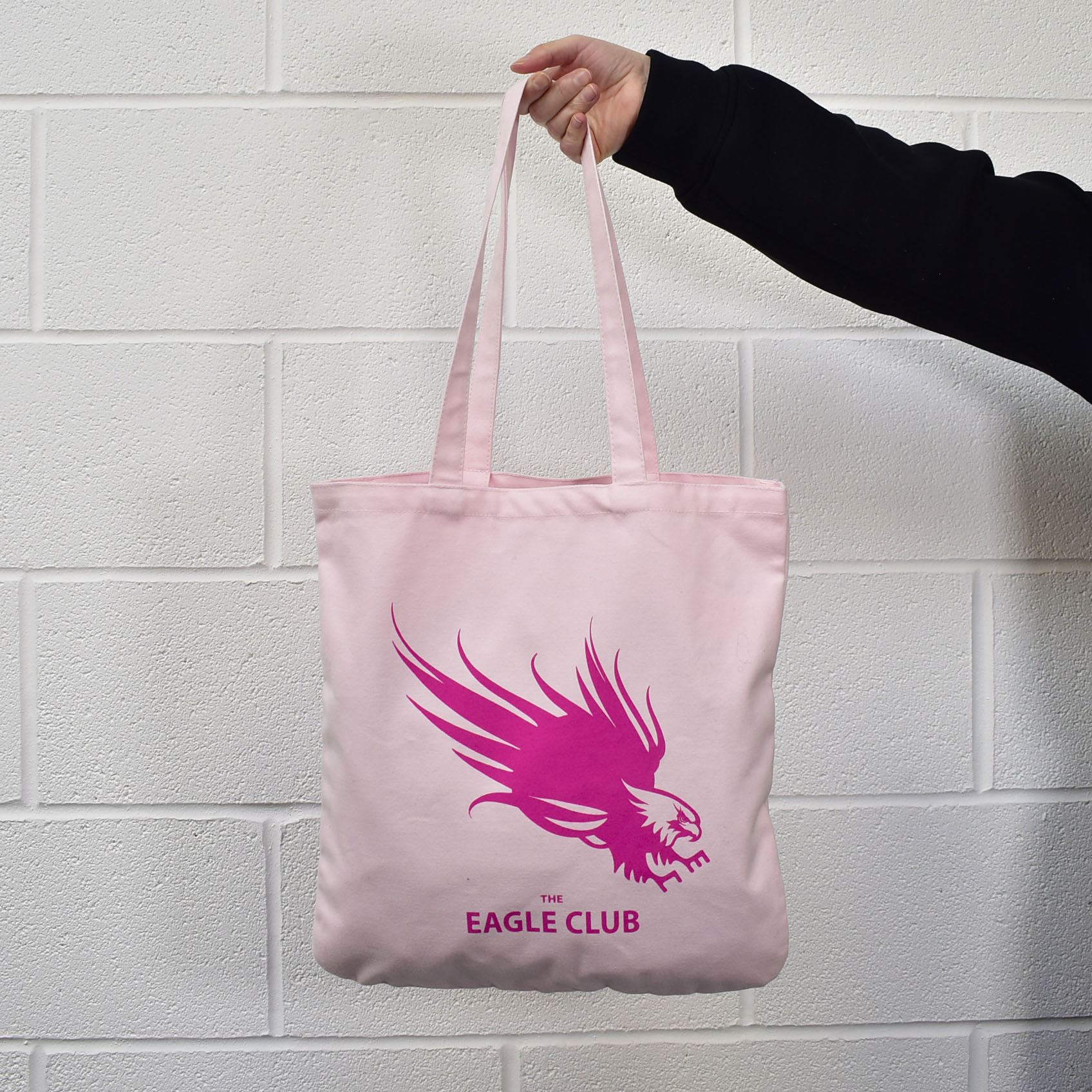
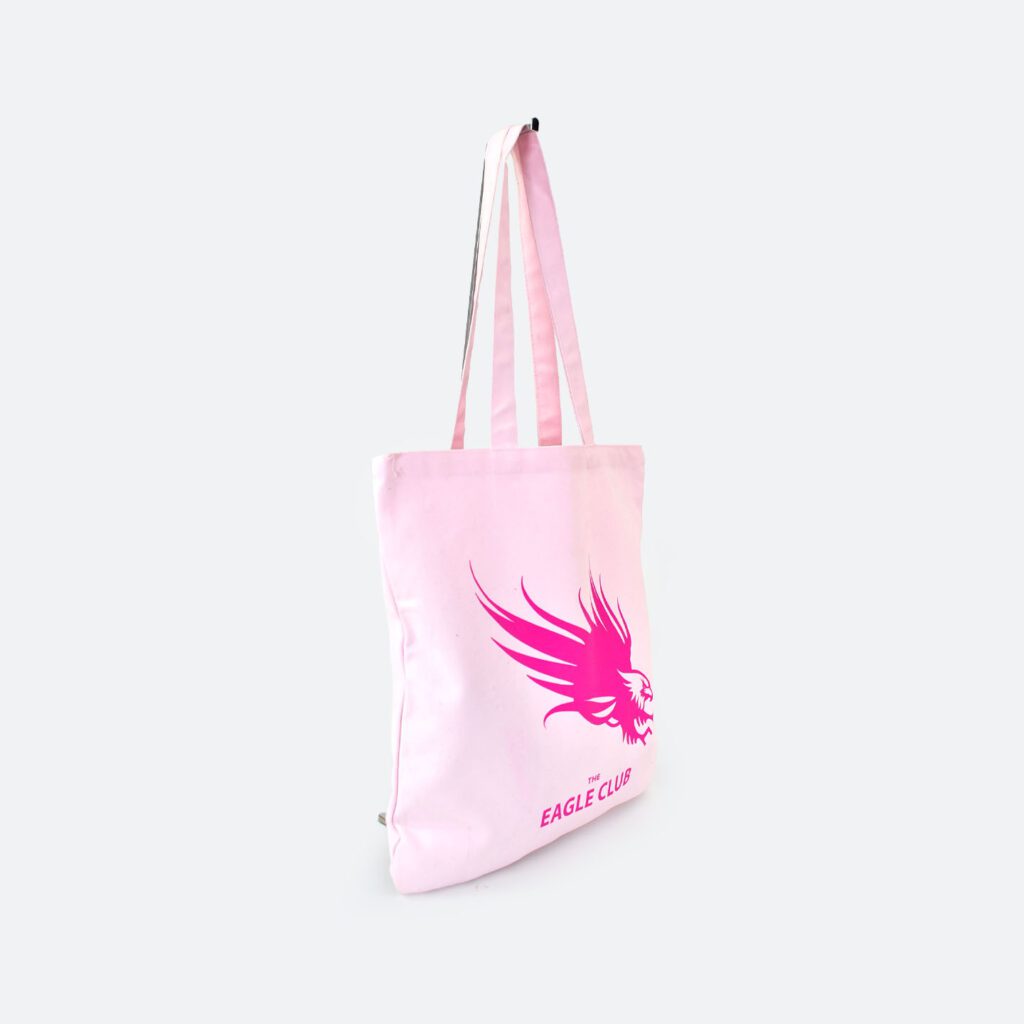
The centerpiece of this recent design initiative is a striking baby pink tote bag, a piece that immediately captures attention through its deliberate and harmonious use of color. The choice of a soft, subtle pink for the main panels provides a sophisticated backdrop that feels both modern and approachable. However, the true brilliance of the design lies in the contrast; the "Eagle Club" logo is rendered in a vibrant hot pink, creating a monochromatic yet high-energy visual that "lifts" the entire product. This isn’t merely a random selection of shades; it is the result of rigorous Pantone matching. In the world of professional branding, the ability to match a fabric exactly to a brand’s specific color palette is crucial. It ensures consistency across all touchpoints, from digital logos to physical products, reinforcing brand recognition and projecting an image of professionalism and meticulous attention to detail.
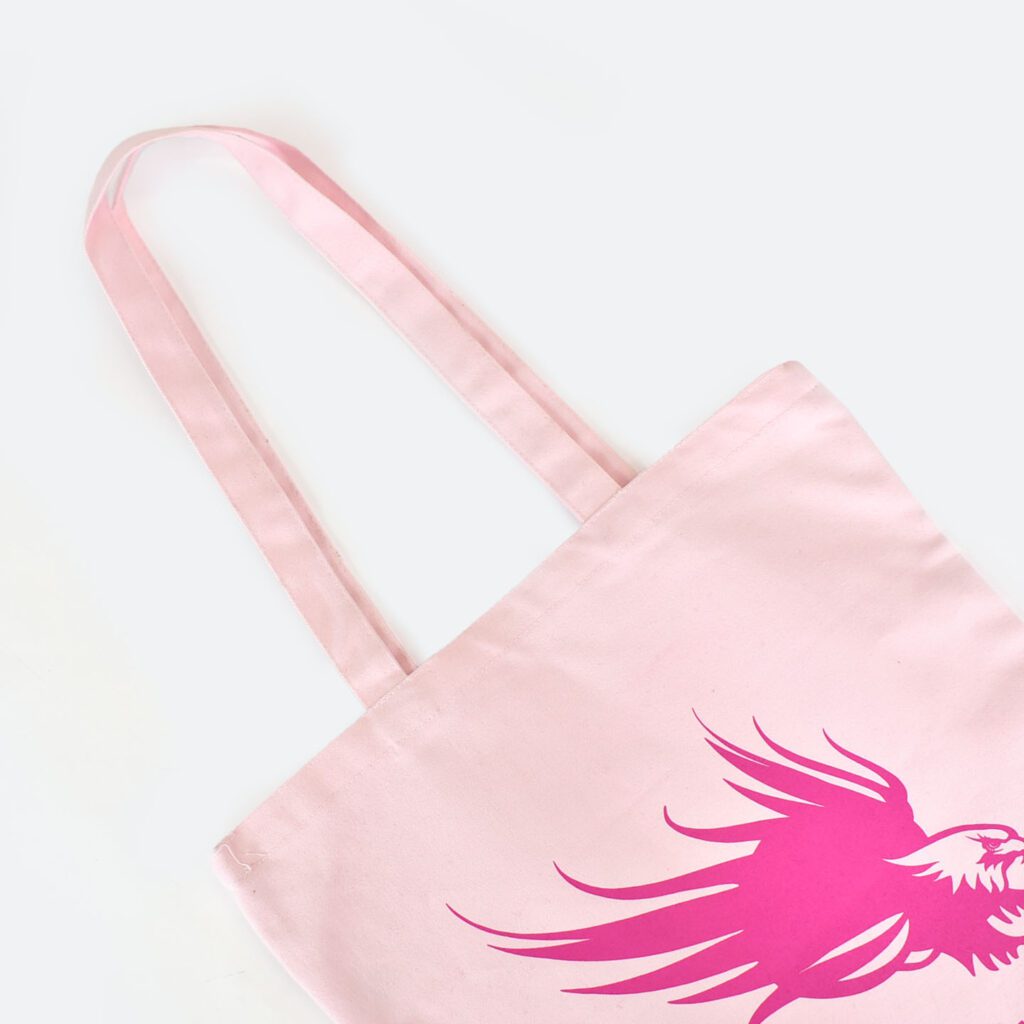
Beyond the aesthetics of color, the construction of this specific tote bag highlights the importance of manufacturing techniques in achieving a premium finish. One of the most significant aspects of its production is the "print-then-sew" methodology. Unlike mass-produced bags where a logo is pressed onto a pre-existing, finished product—often resulting in limitations regarding print placement and proximity to seams—these custom panels are screen-printed while the fabric is still flat. This allows for a much more precise application of ink and enables the design to occupy a more prominent, centered position without the risk of distortion or ink bleeding into the stitching. The use of high-quality screen printing is particularly noteworthy here; it ensures that the hot pink eagle logo remains bold, opaque, and resistant to the cracking or fading that often plagues lesser printing methods. This longevity is essential, as the bag is designed for "every day, repeated use," meaning it must withstand the rigors of commuting, shopping, and general daily wear while maintaining its visual integrity.
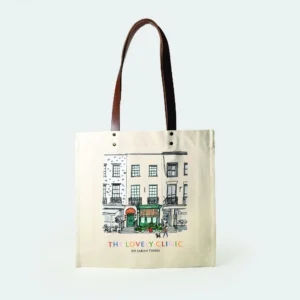
The ergonomics of the bag have been considered with equal care. The inclusion of long handles is a strategic design choice intended to facilitate comfortable shoulder carry. In the realm of functional fashion, the length and width of the handles can make the difference between a bag that is used occasionally and one that becomes a daily staple. By ensuring the handles are long enough to fit comfortably over a coat or blazer, the designers have maximized the bag’s utility. Furthermore, the handles are color-matched to the main panels of the bag, creating a seamless, monochromatic silhouette that reinforces the brand’s specific palette. This level of synchronization is what elevates a tailor-made tote above the standard promotional fare found at trade shows.
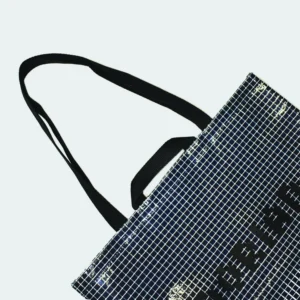
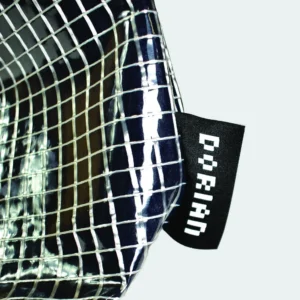
While the baby pink eagle tote serves as a prime example of what is possible, it represents only a fraction of the customization options available to modern brands. The process of personalizing a tote bag today is an exercise in creative freedom. For organizations looking to add a layer of "retail-quality" sophistication, the options are nearly limitless. Consider the addition of woven or printed labels; these small details act as a "signature" for the brand, much like the tags found inside high-end designer garments. Internal or external pockets can be integrated to add functional value, transforming a simple open compartment into an organized tool for the modern professional who needs to separate their keys and phone from larger items. Even the choice of fabric—ranging from lightweight cotton to heavy-duty canvas or eco-friendly recycled PET—allows a brand to align its physical products with its environmental and ethical stances.
The closing mechanism of a tote bag is another critical area where customization can significantly impact the user experience. While a standard open-top tote is classic, many brands are opting for secure closures to enhance the bag’s practicality in urban environments. A high-quality metal or nylon zipper can turn a simple tote into a secure travel bag, protecting the contents from both the elements and opportunistic theft. For those seeking a sleeker look with quick access, magnetic poppers or traditional metal snap buttons offer a satisfying tactile click and a clean aesthetic. Even Velcro closures provide a lightweight, durable option for more casual or sporty applications. Each of these choices allows a brand to tailor the product to the specific lifestyle of their target audience, ensuring the bag is not just seen, but used.
The strategic value of a high-quality custom tote bag cannot be overstated. In an era where consumers are increasingly conscious of sustainability, a durable, aesthetically pleasing fabric bag serves as a functional alternative to single-use plastics. When a brand provides a bag that a customer actually wants to carry, they are effectively enlisting that customer as a mobile brand ambassador. Every time the bag is taken to the gym, the grocery store, or the office, the brand’s logo is put on display in a natural, high-trust environment. This organic visibility is often far more effective than traditional advertising, as it comes with the implicit endorsement of the person carrying the bag.
Furthermore, the creation of such bespoke items often fits into a much larger ecosystem of branded merchandise. Companies that invest in premium tote bags frequently look to expand their portfolio with other high-end accessories. This is where the synergy between different manufacturing specialties becomes vital. For instance, a brand might complement their tote bag rollout with custom-branded umbrellas, ensuring that their visual identity is represented regardless of the weather. Our sister company, The Umbrella Workshop, specializes in this very niche, providing the same level of Pantone-matched precision and design excellence to rainwear as we do to textiles. This holistic approach to branding allows for a unified "brand universe" where every item, from a tote bag to an umbrella, feels part of a cohesive story.
To streamline the process for busy marketing departments, modern manufacturing partners now offer comprehensive fulfillment and "pick-and-pack" services. This means that once the custom bags are designed and produced, they can be stored, managed, and shipped directly to individual recipients or multiple global offices from a central hub. This end-to-end service model removes the logistical headache of merchandise distribution, allowing brands to focus on their core mission while their physical assets are handled with professional care.
Ultimately, the custom baby pink tote bag is more than just a container; it is a testament to the power of quality manufacturing and strategic design. By prioritizing details like Pantone matching, flat-panel screen printing, and ergonomic handle design, a brand can create a product that resonates with its audience on a visceral level. In a crowded marketplace, it is these touches of excellence—the boldness of a hot pink logo against a soft pink background, the durability of a well-sewn seam, and the practicality of a perfectly measured shoulder strap—that distinguish a leader from a follower. As we continue to push the boundaries of what is possible in bespoke merchandise, the focus remains clear: to create functional, stylish, and enduring products that carry a brand’s message further and more effectively than ever before.