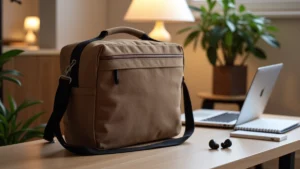

The year 2025 has redefined the concept of commuting. The rigid 9-to-5 structure has largely dissolved, replaced by dynamic hybrid schedules, increased reliance on public transit and cycling, and an ever-expanding arsenal of necessary tech. Consequently, the humble messenger bag is no longer merely an accessory; it is an indispensable piece of mobile architecture, required to be a secure vault, a personal office, and a statement of professional utility. Choosing the right bag means balancing form, function, and future-proofing. This definitive guide explores the crucial factors—from advanced material science to ergonomic design—that determine the best messenger bag for the modern, demanding commuter.
1. Material Mastery: The Canvas and Leather Calculus
The foundation of any superior commuting bag is its material. In 2025, the debate largely centers on the classic rivalry between high-grade canvas and traditional leather. While both offer distinct aesthetic and functional advantages, the choice depends heavily on your specific commute environment.
A. The Resilience of Canvas
For the commuter navigating busy trains, cycling routes, or unpredictable weather, canvas—particularly waxed or heavy-duty cotton duck canvas—is often the optimal choice.
Weight and Mobility: Canvas is inherently lighter than leather, making it far superior for daily long-haul commutes or for those who prioritize speed and agility. A heavy bag, even when empty, compounds shoulder fatigue over time.
Durability and Maintenance: Modern, high-density canvas boasts exceptional tensile strength, resisting rips and abrasions effectively. Waxed canvas adds a critical layer of water resistance, causing moisture to bead and roll off, protecting internal electronics. Furthermore, canvas is relatively low-maintenance, typically requiring only spot cleaning to maintain its rugged appeal. Its slightly utilitarian, yet professional, texture perfectly complements the urban aesthetic.
B. The Timeless Appeal of Leather
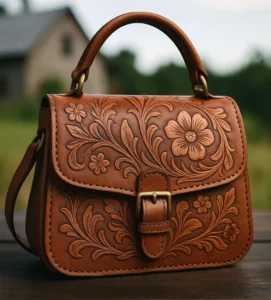
Leather bags remain the pinnacle of boardroom style. Full-grain or top-grain leather offers unparalleled longevity, developing a rich, unique patina over years of use. However, leather introduces drawbacks for the typical daily commuter: significantly increased weight, higher cost, and susceptibility to permanent damage from heavy rain or rigorous treatment. While a leather bag conveys prestige, a modern commute focused on mobility often makes it a secondary choice to its canvas counterpart.
Crucial Insight: For the 2025 commuter who values lightweight durability, weather resistance, and versatility across professional and casual settings, heavy-duty canvas, especially in earthy tones like brown, offers the best blend of performance and style. CanvasBag.co’s detailed comparison of canvas versus leather provides an excellent deep dive into these material differences.
2. Engineered Ergonomics: Comfort Meets Performance
A successful messenger bag must distribute weight efficiently to prevent back and shoulder strain. Ergonomics in 2025 is about more than just a wide strap; it’s about integrated design that supports dynamic movement.
The Crossbody Imperative: The messenger bag is designed to be worn diagonally across the body. This configuration is essential for keeping the bag secure against the torso, preventing swinging while walking or cycling, and allowing immediate access to contents without removal.
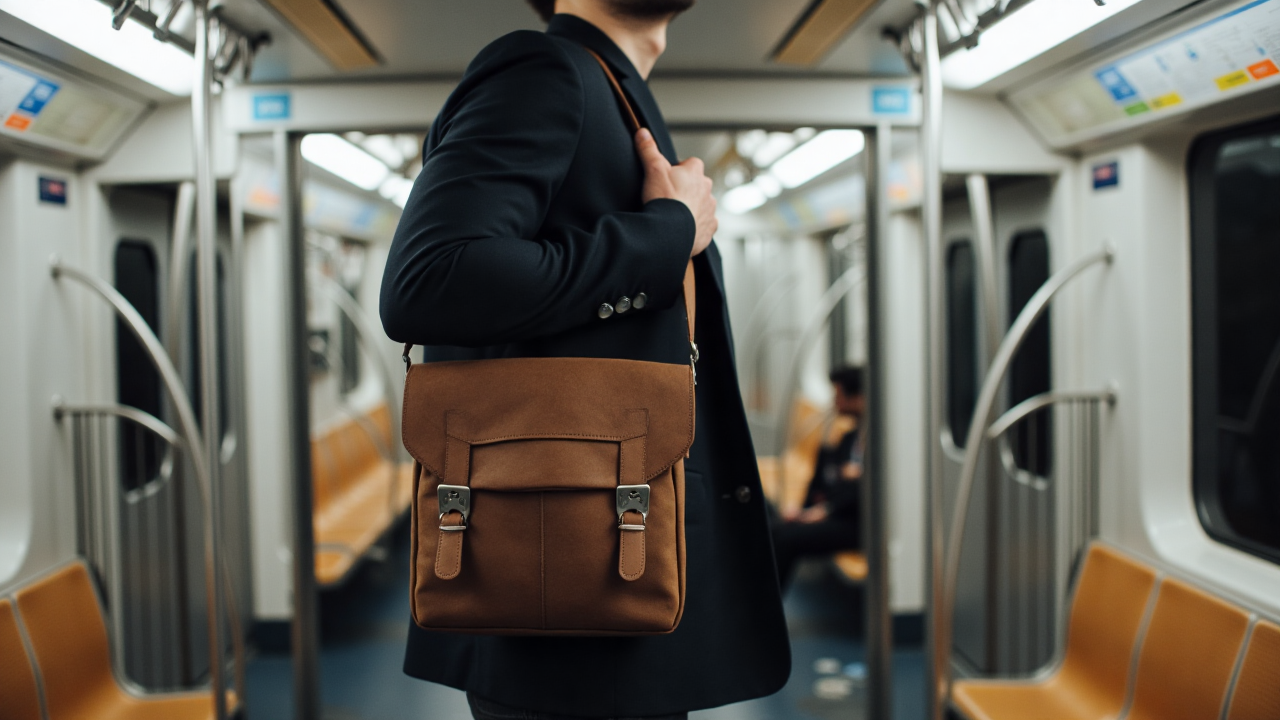
Strap Width and Padding: The strap should be wide (at least 2 inches) and constructed from durable material like seatbelt webbing, often supplemented with a removable, contoured shoulder pad. This padding must be breathable to mitigate heat build-up during warmer months. Crucially, look for straps that are easily and quickly adjustable, allowing the user to cinch the bag high on the back for movement or drop it lower for easy access when standing still.
Stabilization Features: Advanced bags sometimes incorporate a secondary sternum or waist strap. While optional, these features are invaluable for bike commuters, anchoring the bag firmly and preventing it from sliding forward when leaning over handlebars.
3. The Digital Ecosystem: Smart Organization for the Tech-Heavy Commute
In the era of hybrid work, the contents of a commuter bag are complex: a laptop, tablet, multiple chargers, portable batteries, and personal items. Effective organization is mandatory for efficiency and device protection.
The Padded Laptop Sleeve: This is non-negotiable. The sleeve must be adequately padded on all sides and, ideally, "floating" or raised slightly off the bottom of the bag. This prevents the delicate corners of your laptop from hitting the ground when the bag is dropped or set down suddenly—a common failure point. The sleeve should accommodate standard sizes (13-inch to 16-inch).
Cable Management and Power Banks: The modern bag requires dedicated slots for organizing charging cables, power bricks, and portable batteries. Small, mesh, or zippered pockets prevent the "cable spaghetti" that plagues disorganized users.
Quick-Access Pockets: Essentials like keys, transit cards, and phones need to be retrievable in seconds. Look for external zippered pockets positioned conveniently on the flap or side panel. For enhanced security, a hidden pocket against the back panel (the side resting against your body) is excellent for wallets or passports, safeguarding against pickpockets in crowded transit hubs.
Interior Visibility: A light-colored interior lining (e.g., grey or tan) significantly improves visibility compared to standard black linings. This simple feature saves valuable time, eliminating the frustrating "black hole" effect when searching for small items in low-light conditions.
4. Resilience to the Elements: Year-Round Protection
The 2025 commuter cannot afford a bag that fails in the face of rain, snow, or excessive dust. Comprehensive weatherproofing extends the life of the bag and safeguards thousands of dollars’ worth of electronics.
Water-Resistant Shell: As discussed, waxed canvas excels here. Beyond the material itself, look for design features that actively repel water.
Flap and Closure System: The traditional messenger bag flap provides a primary defense against rain. Ensure the flap completely covers the main opening and secures tightly, preferably with robust hardware like metal buckles, G-hooks, or high-strength magnetic snaps. Zippers, if present on external pockets, should be water-resistant or covered by a storm flap.
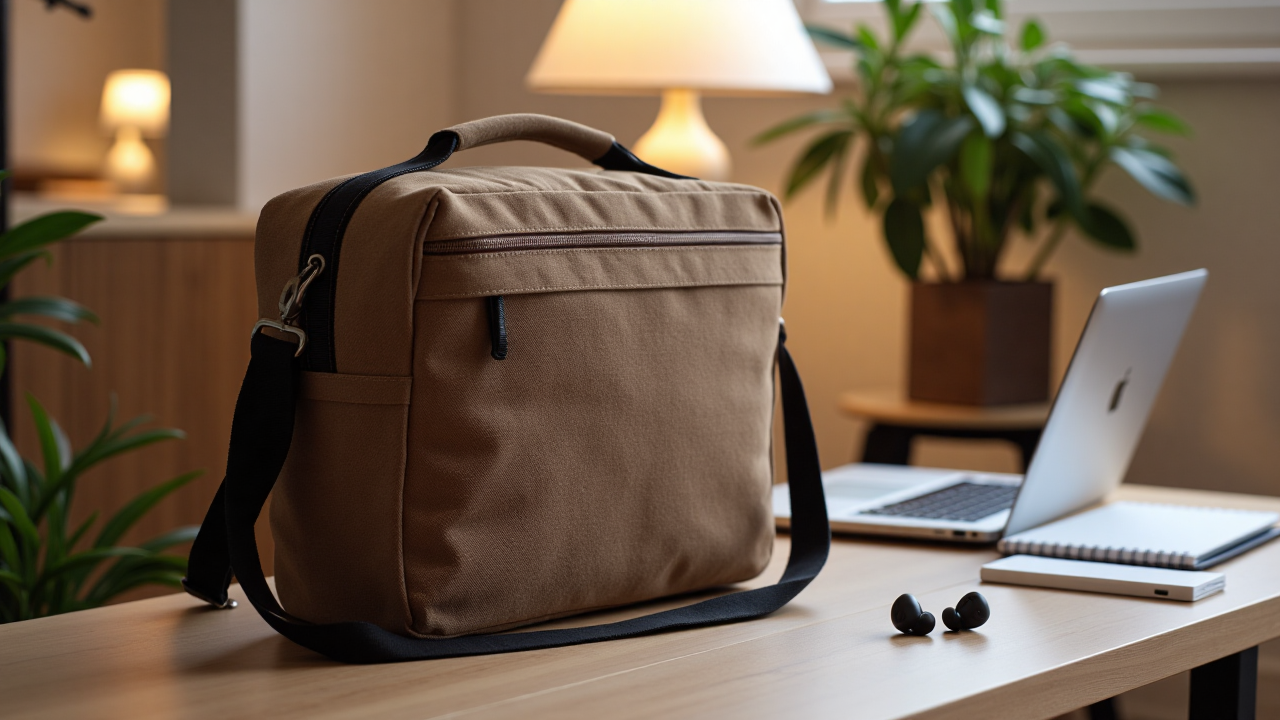
Hardware Durability: Cheap plastic clasps and thin zippers are points of failure. High-quality bags utilize corrosion-resistant metal hardware (brass, zinc alloy) that can withstand daily abuse and exposure to moisture without seizing or breaking.
5. Aesthetics and Professional Versatility
A commuter bag must seamlessly transition from a morning bike ride to an afternoon client presentation. Its style should be polished but authentic.
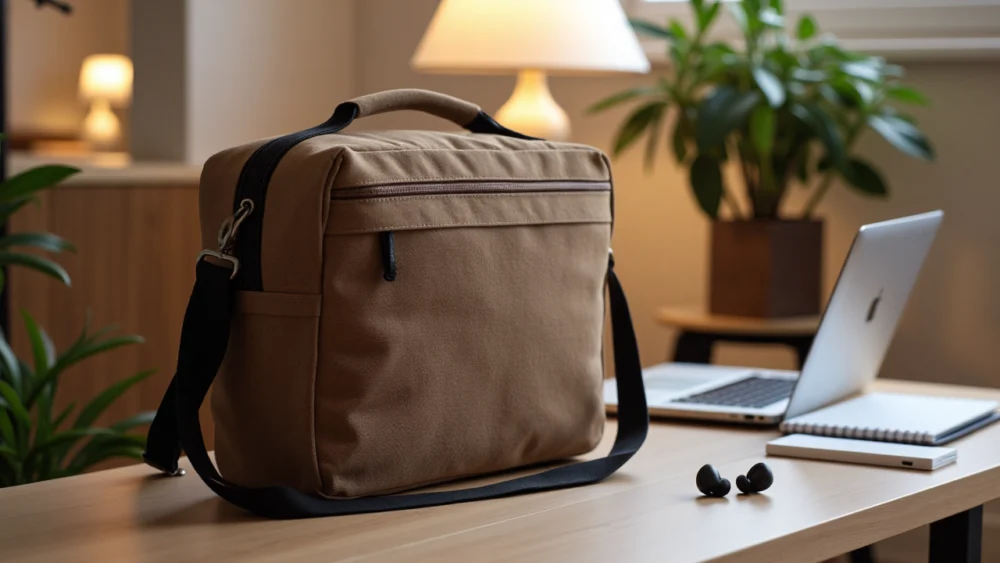
The Appeal of Brown Canvas: While black is always professional, brown canvas messenger bags offer a more relaxed, yet sophisticated, vintage-meets-modern aesthetic. The color is neutral, resists showing minor scuffs, and pairs effortlessly with both smart-casual and business attire. It strikes the perfect balance between the ruggedness required for the street and the refinement needed for the office.
Sizing and Proportion: Avoid overly bulky or rigid designs. A good commuter bag maintains a sleek, vertical or horizontal profile that doesn’t feel cumbersome when worn in tight spaces (like subway cars or crowded elevators). The overall size should accommodate necessary items without encouraging overpacking.
Top Recommendation for 2025: The CanvasBag.co Utility Messenger
Drawing upon all these essential criteria, the standout selection for the contemporary urban traveler is the Brown Canvas Messenger Bag from CanvasBag.co. This specific model is engineered to address the complexities of the 2025 commute, offering a compelling blend of industrial-grade resilience and ergonomic comfort.
Why it Leads the Pack:
- Optimized Material: Constructed from robust, heavy-duty canvas, it achieves superior durability without the weight penalty associated with leather. Its material naturally resists minor moisture and scuffs, maintaining a professional look with minimal effort.
- Tech-Focused Interior: It features a dedicated, padded sleeve designed for modern laptop sizes, coupled with intelligent internal segmentation for chargers, documents, and personal items.
- Commuter-Ready Design: The bag utilizes heavy-duty, adjustable shoulder strapping and robust metal hardware, ensuring comfort during long commutes and longevity under heavy daily use.
- Timeless Aesthetic: The rich brown canvas finish ensures the bag looks appropriate whether you are locking up your bike outside a coffee shop or stepping into a corporate headquarters. It’s a versatile piece that elevates your professional utility without sacrificing rugged function.
The Brown Canvas Messenger Bag is more than just storage; it’s an operational tool built for the demands of the modern, hybrid working world. It successfully encapsulates the five critical features required by the 2025 commuter: lightweight durability, sophisticated organization, ergonomic comfort, weather resilience, and versatile style.
Upgrading your daily carry to a bag that is truly fit for purpose is one of the easiest ways to streamline your routine and enhance your professional presentation. For those ready to transition to a smarter, sharper, and more resilient commuting solution, exploring the features of this top pick is the essential next step.