
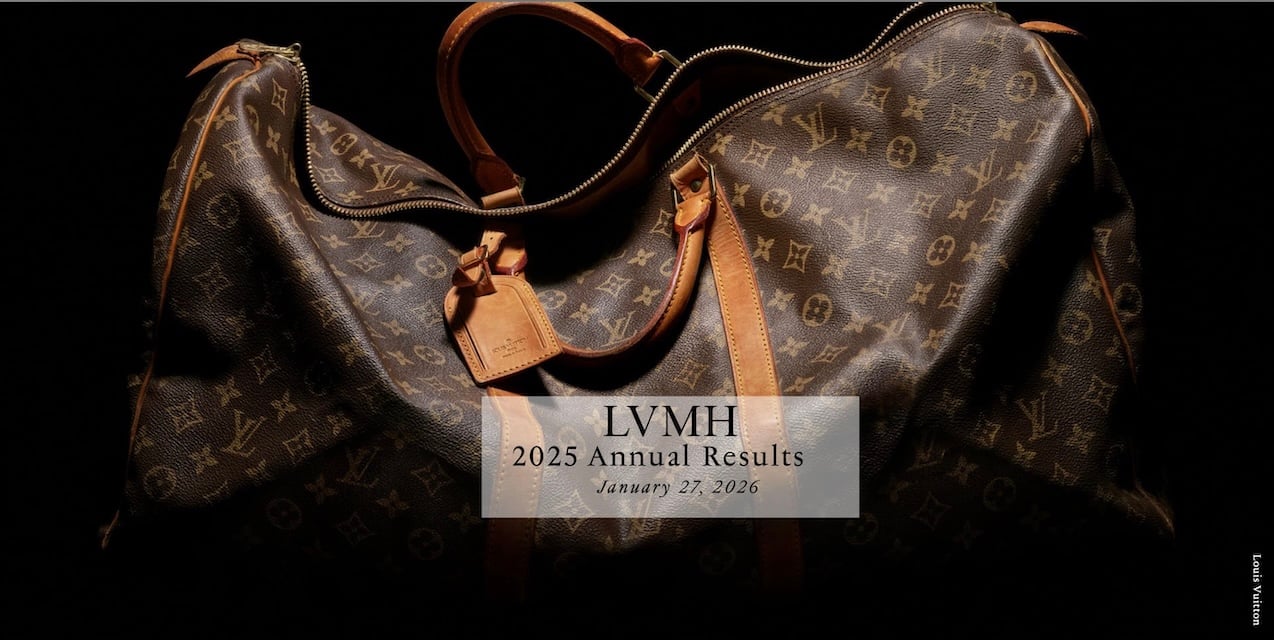
The colossal luxury conglomerate LVMH Moët Hennessy Louis Vuitton delivered its year-end financial summation for 2025, characterizing the performance as "solid" despite a globally fractured economic and geopolitical climate. The figures, released on January 27, 2026, indicated a slight cooling, with total revenues settling at €80.8 billion, marking a contraction of nearly €4 billion compared to the preceding year. This downturn was principally driven by a 5% slip in the group’s powerhouse segment, Fashion & Leather Goods, signaling a potential inflection point for the sector’s recent insatiable growth trajectory.
However, the narrative is far from one of unmitigated decline. A closer inspection of the data reveals a crucial second-half resurgence. After a sluggish first half, the final quarter of 2025 registered a modest 1% uptick in revenue, pulling the full-year performance slightly above the initial downward trajectory. Bernard Arnault, the Chairman and CEO, framed this resilience as evidence of robust "solid local demand," successfully counteracting significant external pressures, including escalating international tariffs, volatile precious metal pricing—particularly impacting jewelry inputs—and unfavorable currency translations.
The Fashion & Leather Goods division, the traditional engine room of LVMH, mirrored this pattern of stabilization, demonstrating strengthening momentum as the year concluded. This suggests that while the broader economic environment may be tempering consumer exuberance, the core desirability of LVMH’s marquee brands remains deeply embedded.
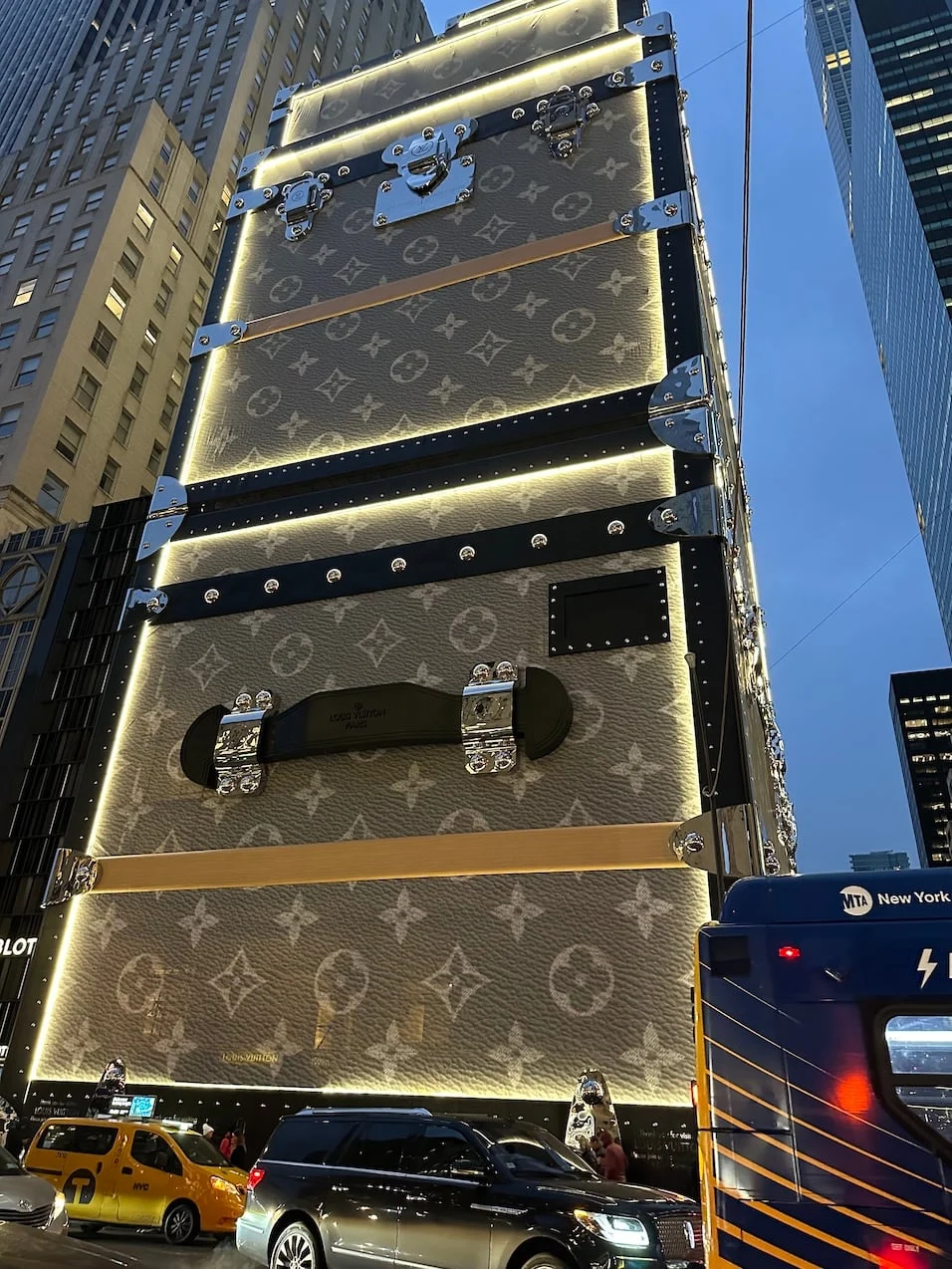
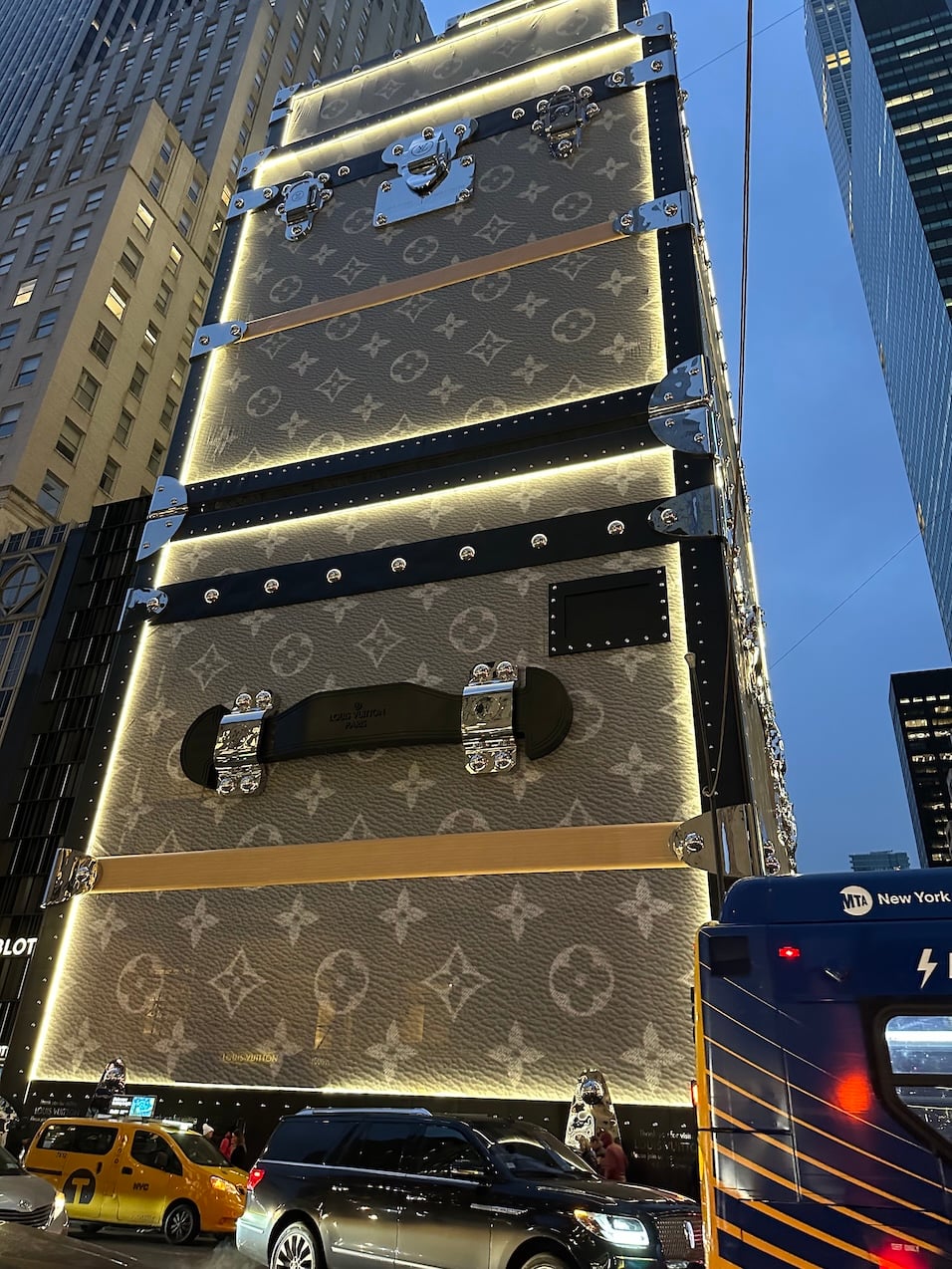
Arnault dedicated considerable attention during the results briefing to highlighting specific triumphs within the portfolio. For Louis Vuitton, he praised Pharrell Williams’ recent men’s collection, describing the offerings as "highly wearable clothing," a departure from purely conceptual runway statements. A notable creative synergy was underscored by the incorporation of trunks featuring designs by the artisans responsible for the stained-glass restoration at Notre Dame, forging a tangible link between heritage craftsmanship and contemporary luxury. Furthermore, infrastructural investments were cited as key drivers, pointing to the launch of the Shanghai Vuitton ship museum and the inauguration of flagship retail environments in high-profile markets like New York City and Los Angeles. In a definitive clarification that may temper speculative murmurs, Arnault explicitly ruled out any immediate plans for Louis Vuitton to venture into the hospitality sector, reaffirming the focus on core luxury goods.

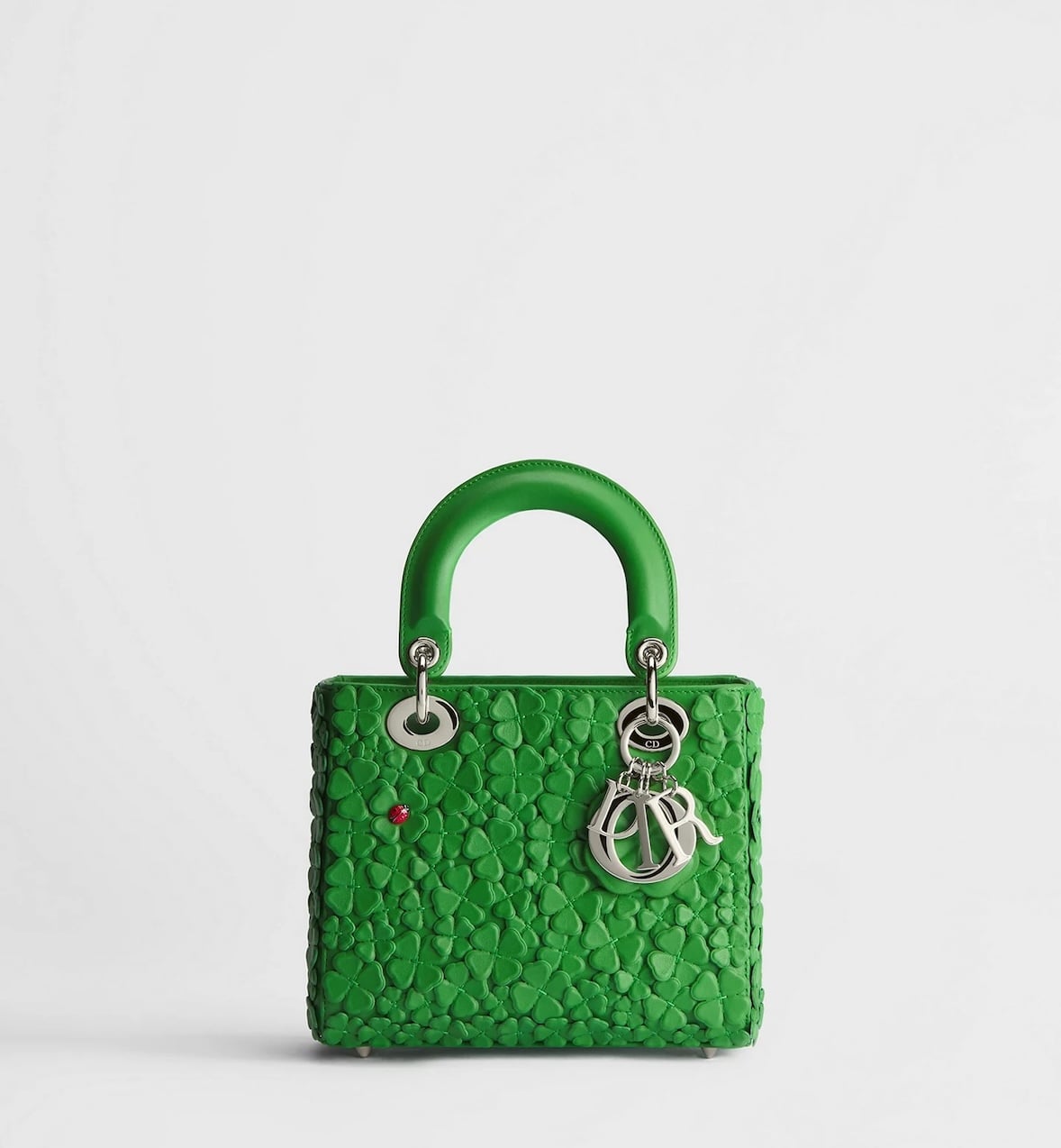
Dior commanded significant positive attention, largely due to the recent debut haute couture collection for Spring 2026 by its newly appointed Creative Director, Jonathan Anderson. Arnault lauded the show as "amazing" and the definitive "event of the week." While these creative triumphs will only begin to influence the revenue stream in 2026, their early reception suggests a potent creative revitalization underway, setting a high bar for the coming fiscal year.

In stark contrast to the challenges facing leather goods, the Watches & Jewelry division emerged as a clear outperformer in 2025, reporting a 3% revenue increase. This aligns with prevailing market trends observed across the sector, where consumers, perhaps seeking more enduring assets or gifts, have increasingly prioritized jewelry over fast-moving fashion items like handbags. This shift has been noted previously, with houses like Van Cleef & Arpels and Cartier driving growth for competitors like Richemont.
However, this positive momentum in jewelry comes with a significant strategic pivot for LVMH’s crown jewel in this segment, Tiffany & Co. The conglomerate signaled a decisive move away from entry-level offerings, announcing a transformation of both its retail footprint and its product architecture. The future focus will be intensely concentrated on high jewelry—pieces featuring significant gold, diamonds, and platinum. This strategic narrowing implies a calculated distancing from aspirational clientele who initially entered the Tiffany ecosystem via more accessible silver pieces. This move emphasizes exclusivity and high-net-worth engagement over broad market penetration within the jewelry category.
The remainder of the portfolio presented a more mixed picture. The Perfume & Cosmetics category remained essentially flat on an organic basis, suggesting saturation or increased competition in the beauty space. The Wine & Spirits segment continued its lagging performance, burdened significantly by a substantial 12% contraction within the Cognac & Spirits portfolio, reflecting specific pressures within those premium spirit markets.
Geographically, the revenue distribution remained broadly consistent, though performance varied regionally. Crucially, LVMH noted an improvement across nearly all major markets, with the notable exception of Europe, which continued to face structural headwinds. The positive trajectory observed in the Chinese market during the third quarter of 2025 sustained into the fourth, albeit at a slightly moderated pace. Japan’s results were tempered by difficult year-over-year comparisons, standing against the exceptionally strong performance recorded in 2024.
LVMH’s repeated invocation of a "disrupted" and "challenging" external environment served as a backdrop for an extended articulation of the group’s internal focus: its "heightened commitment to corporate responsibility." The inclusion of an entire presentation slide dedicated to the LIFE 360 environmental program and workforce development initiatives suggests more than mere compliance. In an economic landscape characterized by unpredictable volatility, this emphasis on controllable, ethical, and sustainable operations appears to be a deliberate strategic anchor—a means of reinforcing brand value where external economic forces are beyond their immediate influence.
As the undisputed bellwether of the global luxury industry, LVMH’s performance offers vital clues about the sector’s trajectory. While fine jewelry offers a segment of undeniable sparkle, the overall softness in fashion and the struggles in spirits raise questions about whether the sector as a whole is entering a period of recalibration rather than outright recession. Arnault acknowledged the complexity ahead, stating that 2026 would not be straightforward.
He concluded with a powerful affirmation of LVMH’s enduring philosophy: "In 2026, in an environment that remains uncertain, our Maisons’ ability to inspire dreams—coupled with the highest levels of vigilance with regard to cost management, and our environmental and social commitments—will once again be a decisive asset underscoring our leadership position in the luxury goods market. We will remain true to our entrepreneurial tradition as a forward-looking family group focused on sustainable creativity in high-quality products, exceptional spaces and the long-term future of our outstanding craftsmanship."
This stance—balancing the imperative to inspire aspiration with rigorous operational control and a deepening commitment to sustainability—defines the LVMH playbook for the uncertain years ahead. The luxury reset, if it is indeed commencing, appears to be less a sudden collapse and more a calculated, strategic refinement toward enduring value and highly curated exclusivity. The industry watches closely to see if this measured consolidation secures leadership or if external pressures will force further strategic concessions.