
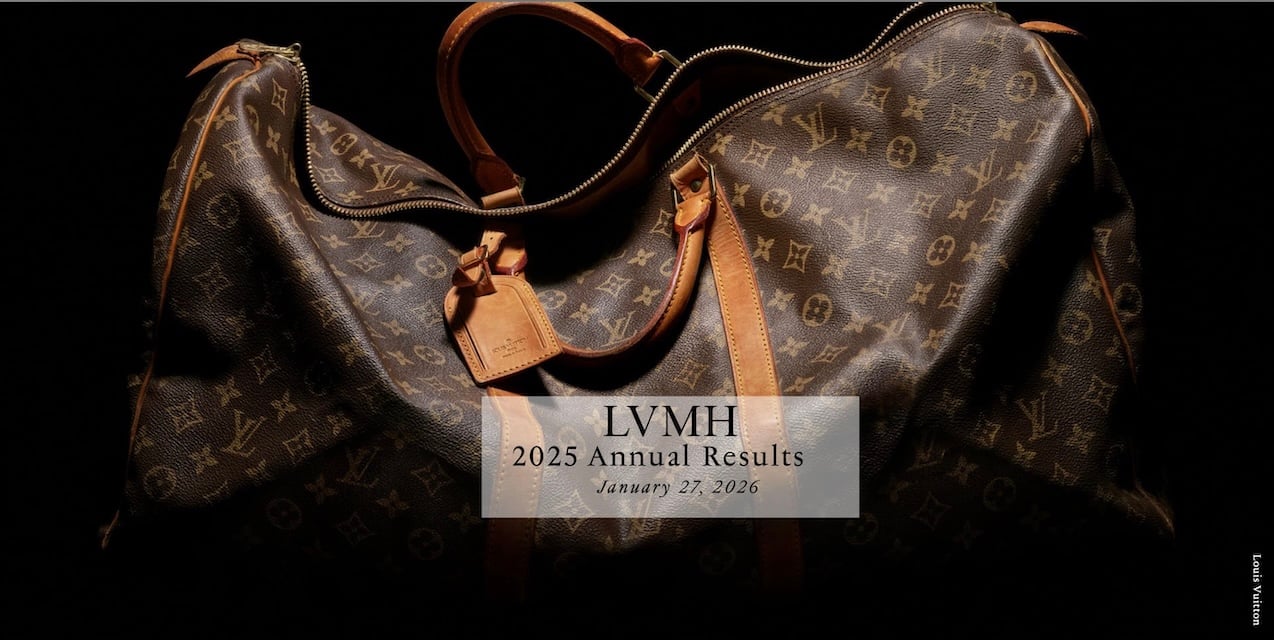
The global luxury behemoth, LVMH Moët Hennessy Louis Vuitton, has publicly charted a complex financial trajectory for the fiscal year concluding in 2025, painting a picture of resilience amidst significant global disruption, yet acknowledging a tangible downturn. The conglomerate reported total revenues of €80.8 billion, marking a contraction of nearly €4 billion compared to the preceding year. This slowdown was most acutely felt within its powerhouse division, Fashion & Leather Goods, which experienced a 5% dip in sales. Bernard Arnault, Chairman and CEO, characterized the results as a "solid performance in a disrupted global economic and geopolitical environment," a statement that subtly underscores the magnitude of the external pressures bearing down on the sector.
While the full-year figures reveal a marginal 1% decline overall, the narrative brightens considerably when examining the cadence of the year. The latter half of 2025 showed encouraging signs of stabilization, culminating in a 1% revenue uptick in the fourth quarter. This second-half acceleration suggests that strategic pivots and the enduring appeal of core Maisons are beginning to counterbalance macroeconomic headwinds, including elevated tariffs, soaring commodity costs (specifically gold), and persistent foreign exchange volatility.
Fashion & Leather Goods: Resilience Anchored by Cultural Resonance
The crucial Fashion & Leather Goods segment, the engine room of LVMH’s profitability, mirrored this pattern of initial struggle followed by a stronger finish. Arnault highlighted that robust "solid local demand" sustained the division through volatile periods.
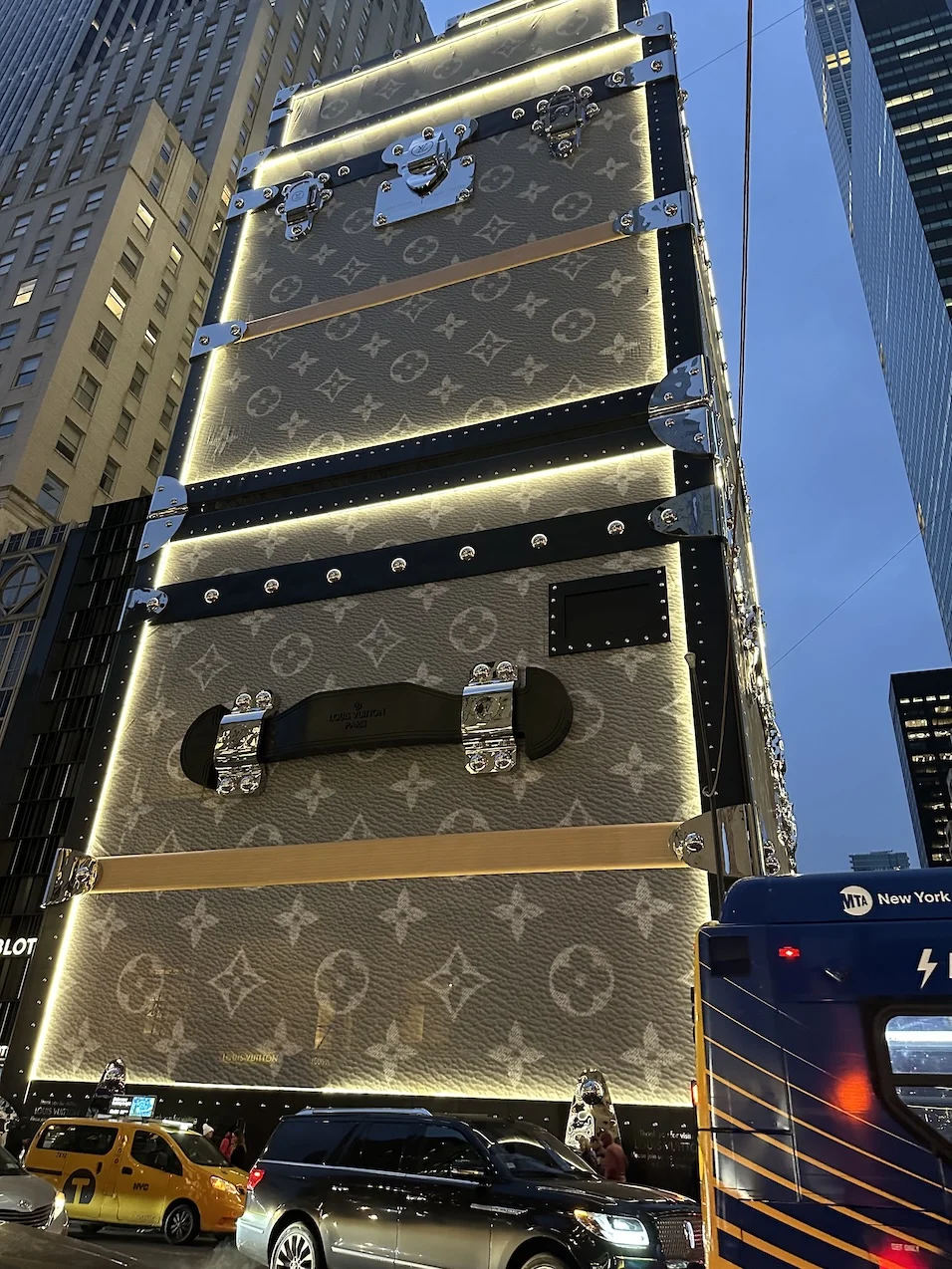
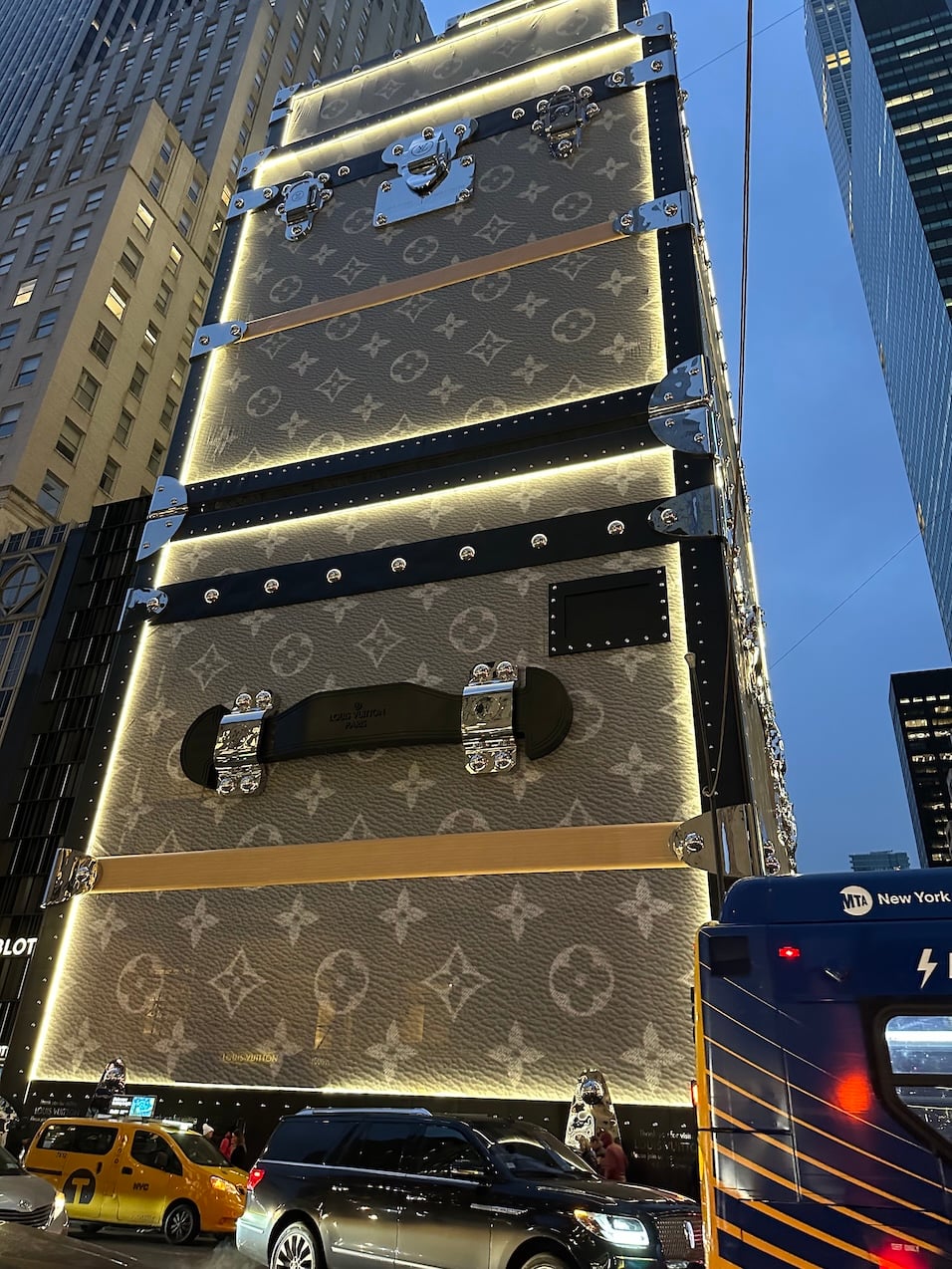
The strategic investments in cultural capital and experiential retail were heavily emphasized. Arnault praised Pharrell Williams’ latest Louis Vuitton men’s collection, noting its "highly wearable clothing" and unique collaborations, such as the integration of craftsmanship seen in the stained-glass artistry of Notre Dame applied to the collection’s trunks. Furthermore, the expansion of physical and cultural footprints—citing the new Shanghai Vuitton ship museum and significant flagship openings in New York City and Los Angeles—reinforces a strategy where brand legacy and immersive retail are deployed to insulate against cyclical consumer spending shifts. In a definitive statement, Arnault firmly dismissed speculation about Louis Vuitton entering the hospitality sector, emphasizing the brand’s commitment to its core product domain rather than diluting its focus through tangential ventures like hotels.
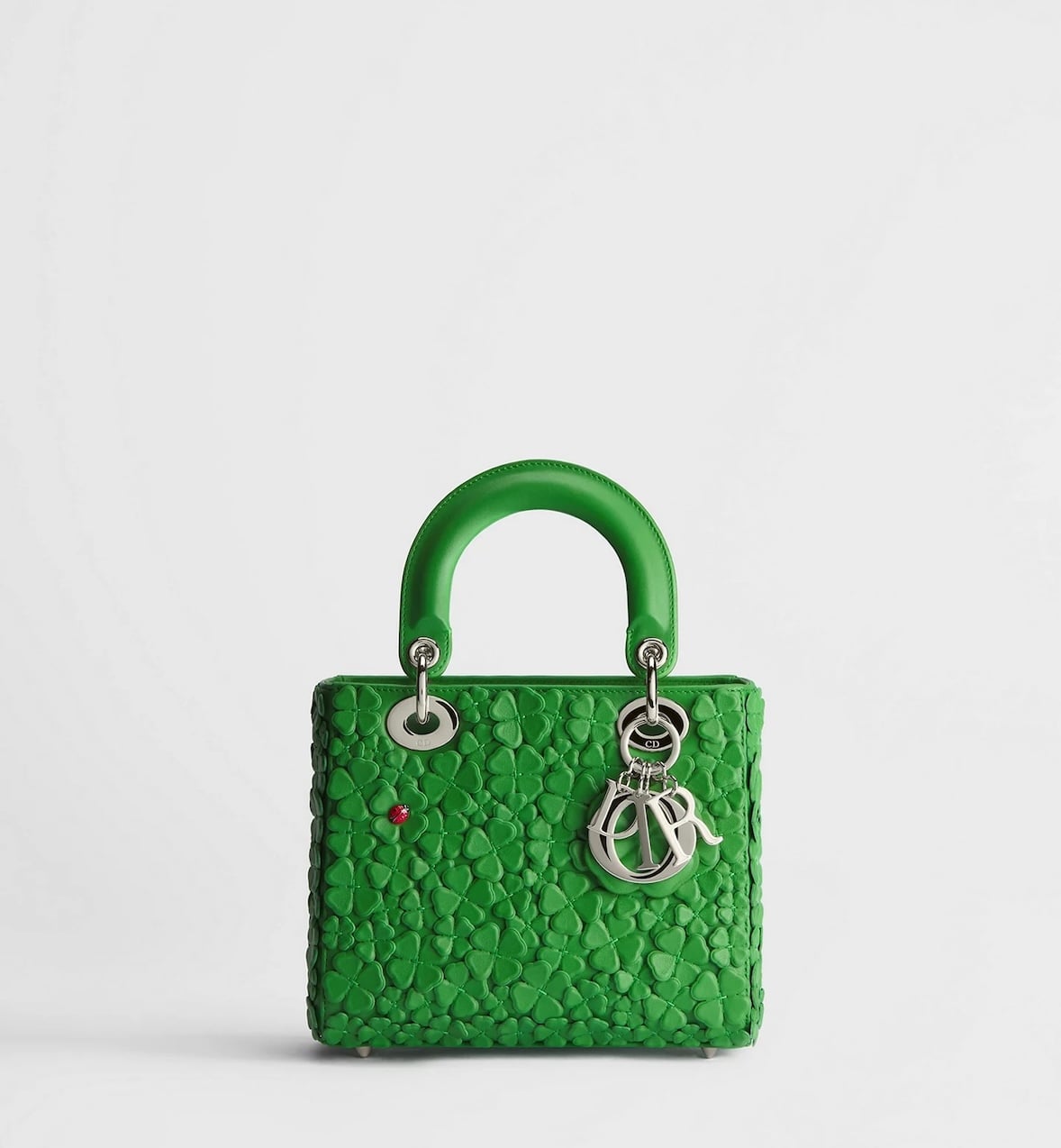
The performance of Dior was another focal point, particularly following Jonathan Anderson’s debut haute couture collection for Spring 2026, which Arnault lauded as "amazing" and "the event of the week." While Anderson’s initial creative triumph will not reflect in the 2025 fiscal data, it sets a powerful tone for the immediate future, suggesting a renewed creative dynamism poised to drive growth in the coming year.
The Shift to Hard Luxury: Jewelry Outpaces Soft Goods
A clear divergence in performance emerged across LVMH’s various business groups. The Watches & Jewelry division demonstrated notable strength, posting a 3% revenue increase for the year. This aligns with broader industry trends observed throughout 2025, where many high-net-worth individuals demonstrated a preference for enduring hard luxury assets—jewelry and timepieces—over more trend-sensitive categories like seasonal fashion accessories.
This segment’s success is intrinsically linked to the evolving consumer psychology, which favors investment pieces. However, for Tiffany & Co., a key LVMH jewelry marque, this preference signals a significant product transformation. LVMH explicitly stated its intention to pivot the Tiffany retail experience and product mix away from entry-level silver offerings. The future focus will be unequivocally on high jewelry, utilizing gold, diamonds, and platinum. This strategic refinement means that aspirational consumers whose initial engagement with Tiffany was via sterling silver pieces may find the brand’s core proposition increasingly elevated and potentially out of reach, signaling a conscious tightening of the luxury tier.

Conversely, other divisions faced stagnation or decline. Perfume & Cosmetics sales remained essentially flat on an organic basis, failing to generate significant upward momentum. The Wine & Spirits segment proved to be a considerable drag, largely attributable to a sharp 12% decline specifically within its Cognac & Spirits portfolio, indicative of softening demand in certain high-end spirits categories globally.
Geographic Stability Amidst Uneven Recovery

Geographically, LVMH maintained a stable distribution of revenue across its operating regions, though performance metrics varied. While most markets showed improved trends compared to earlier in the year, Europe notably lagged behind. The crucial Asian market saw a continuation of the positive momentum that began in the third quarter of 2025, extending into the final quarter, albeit at a "moderately slower pace" than the initial surge. Japan’s results were complicated by challenging year-over-year comparisons, stemming from an exceptionally strong performance in 2024 that created a high benchmark.
Corporate Responsibility as a New Anchor in Uncertainty
In a year defined by volatility, LVMH devoted an unprecedented amount of corporate messaging to its "heightened commitment to corporate responsibility." The inclusion of an entire dedicated page in the presentation to the LIFE 360 environmental program and extensive workforce initiatives suggests a deliberate strategic reframing. In an economic landscape characterized by rapid, unpredictable shifts, focusing on controllable internal factors—sustainability metrics, labor relations, and ethical governance—serves as a vital anchor. This intensified focus on ESG (Environmental, Social, and Governance) factors may be less about altruism and more about building intrinsic brand durability when external economic forecasts are unreliable.
The Bellwether Question and the Path Forward
LVMH has historically served as the ultimate bellwether for the luxury goods sector. Its 2025 performance suggests that while the peak of post-pandemic exuberance has passed, the sector is not collapsing; rather, it is recalibrating. The success of fine jewelry underscores a polarization in luxury spending: high-value, enduring assets retain desirability, while certain segments of discretionary fashion and spirits consumption are under pressure.
Arnault acknowledged the complexity of the road ahead, summarizing the LVMH philosophy for 2026 in an environment he still deems uncertain. His closing statement emphasized a dual mandate: maintaining the core luxury value proposition—the "ability to inspire dreams"—while simultaneously exercising rigorous fiscal discipline ("highest levels of vigilance with regard to cost management"). This operational duality, paired with their stated environmental and social commitments, is framed as the "decisive asset" preserving their leadership.
The conglomerate’s future hinges on its ability to sustain the creative fervor seen at Louis Vuitton and Dior while navigating the necessary contraction in underperforming areas like spirits and the elevated exclusivity imposed on brands like Tiffany. Whether this nuanced performance signals a true "reset"—a fundamental shift toward asset-backed luxury and deeper corporate accountability—or merely a cyclical correction remains the central question for the entire luxury ecosystem in 2026. Consumer behavior in the coming quarters will determine if LVMH’s cautious optimism is predictive of the entire market’s resilience.