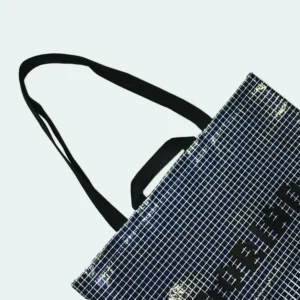

In the contemporary landscape of retail and brand development, the "carry" category has evolved from a simple functional necessity into a powerful vehicle for brand storytelling. Whether it is a high-performance technical backpack designed for the modern nomad or a luxury leather-trimmed tote that anchors a fashion collection, the journey from a creative spark to a finished product is fraught with technical complexities. The Bag Workshop serves as the essential architecture for this journey, acting as a design and production bridge that allows brands, independent creators, and corporate entities to navigate the intricate world of textile engineering and global manufacturing without the typical pitfalls of the industry.
The Role of a Design and Production Bridge
Many businesses possess a clear vision of what they want their brand to represent but lack the technical vocabulary to communicate with international factories. This is where the concept of a "bridge" becomes vital. The Bag Workshop does not merely take orders; it translates creative intent into manufacturing reality. This involves handling the heavy lifting of material sourcing, technical specification development, and rigorous manufacturing management. For a brand, this means they can focus on marketing and sales while the technical nuances—such as seam strength, hardware durability, and fabric grain—are managed by experts.
The scope of production is virtually limitless. While some manufacturers specialize only in high-volume, low-cost commodity items, the expertise here spans the entire spectrum of the industry. This includes avant-garde fashion pieces that challenge traditional silhouettes, sustainable totes that meet the highest environmental standards, and specialized product packaging designed to enhance the "unboxing" experience for influencers and premium customers. If an object is designed to be carried, it falls within the wheelhouse of technical development.
From Sketch to Specification: The Design Evolution
The most common hurdle for new creators is the transition from a rough idea to a manufacturable blueprint. The Bag Workshop is built to accommodate clients at the very earliest stages of this process. Even if a client only possesses a mood board or a rudimentary pencil sketch, the design team utilizes a "bag fact-finder" system to extract the necessary data. This information is then converted into a technical CAD (Computer-Aided Design) drawing.
A CAD drawing is the "North Star" of the manufacturing process. It outlines every dimension, stitch type, and reinforced stress point, ensuring that the factory in another part of the world understands exactly what is being built. This stage prevents the "lost in translation" errors that frequently occur when brands attempt to go directly to a factory. By creating a professional Tech Pack, the workshop ensures that the first physical sample is as close to the vision as possible, saving months of trial and error.
Material Science and Strategic Sourcing
Material selection is where a bag’s aesthetic meets its utility. The Bag Workshop maintains an extensive library of textiles, ranging from heavy-duty industrial canvases to sophisticated recycled fabrics. However, sourcing is not just about looks; it is a financial strategy. By discussing budgets openly at the beginning of a project, the team can recommend materials that balance durability and cost. For example, if a client’s budget cannot accommodate premium Italian leather, the team might suggest a high-grade PU or a sustainable bio-leather alternative that maintains the desired "hand-feel" without breaking the bank.
Sustainability has moved from a niche requirement to a core business imperative. The workshop offers a deep dive into eco-friendly options, including:
- RPET: Fabric made from recycled plastic bottles, ideal for durable backpacks.
- Fairtrade and Organic Cotton: Ensuring ethical labor and pesticide-free farming.
- Piñatex: A revolutionary leather alternative made from pineapple leaf fibers.
- Recycled Ocean Plastics: Turning environmental waste into high-value consumer goods.
Furthermore, for brands committed to a 100% vegan ethos, the workshop ensures that every component—down to the glues and dyes—is free from animal by-products.
Navigating Production and Global Logistics
The transition to mass production is governed by Minimum Order Quantities (MOQs). Generally, custom production runs begin at 250 to 500 units. These numbers are not arbitrary; they are often dictated by the minimum amount of fabric a mill will dye to a specific color or the setup time required for specialized machinery. However, for luxury or highly complex items, there is often flexibility, particularly when a client is developing a multi-style collection.
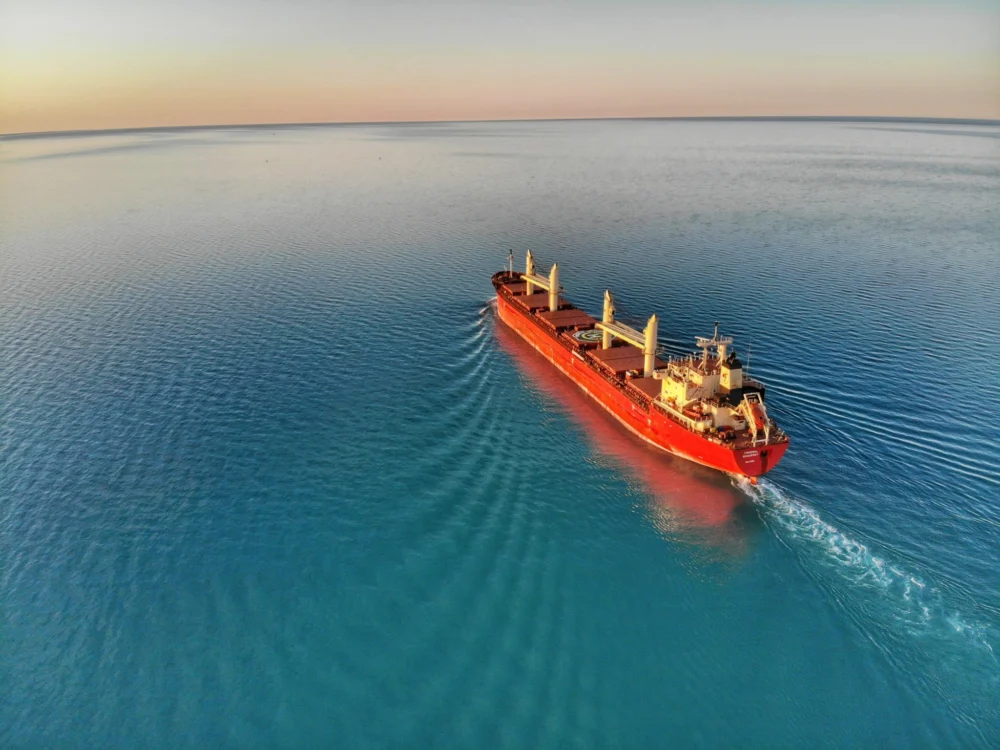
The timeline for bespoke manufacturing is a disciplined march. Typically, the sampling phase takes approximately three weeks. Once the sample is approved as the "gold standard," mass production follows, taking anywhere from 4 to 12 weeks depending on complexity. Shipping then adds the final layer: air freight can deliver goods in roughly 10 days for urgent launches, while sea freight offers a more cost-effective 5-week window for larger inventory builds.
Quality Assurance and the "Landed Cost" Model
One of the most significant risks in global manufacturing is the lack of oversight. The Bag Workshop mitigates this by implementing UK-standard quality control protocols in all overseas facilities. Every factory is SEDEX audited, ensuring that social and ethical standards are met. This means no forced labor, fair wages, and safe working conditions—factors that are increasingly important to the modern consumer.
From a financial perspective, the workshop operates on a "landed cost" model. For many businesses, the hidden costs of importing—such as customs duties, port handling fees, and local taxes—can turn a profitable project into a loss. By providing an all-inclusive price delivered to the client’s door, the Bag Workshop removes the financial ambiguity, allowing brands to calculate their retail margins with absolute precision.
The Strategic Advantage of Bespoke vs. Off-the-Shelf
Why choose bespoke over a ready-made "stock" bag? The answer lies in Intellectual Property (IP) and utility. A stock bag is a generic template that any competitor can purchase and slap a logo on. A bespoke bag, however, is the client’s IP. It is a unique asset that cannot be replicated by others.
Beyond branding, bespoke design solves specific problems. Whether it’s an internal housing system for specific medical equipment, ergonomic adjustments for a specific demographic, or "value engineering" a pattern to minimize fabric waste, bespoke manufacturing allows for a level of optimization that off-the-shelf products simply cannot match. Value engineering is particularly crucial; it is the process of analyzing the design to see if slight modifications can reduce costs without sacrificing quality—such as changing a seam construction to speed up sewing time or adjusting a pocket size to better fit standard material widths.
Protecting the Vision: IP and NDAs
In the world of product development, the "idea" is the most valuable currency. The Bag Workshop prioritizes the protection of this currency. They offer a standard practice of signing Non-Disclosure Agreements (NDAs) to ensure that a client’s concept remains confidential. Crucially, the ownership of the design remains entirely with the client. The workshop acts as the midwife to the product, but the "parentage" and the rights to the design belong to the brand that conceived it.
Conclusion: Engineering the Future of Carry
Creating a custom bag is a journey from the abstract to the tangible. It requires a blend of creative vision, material science, and logistical precision. By acting as the technical intermediary, The Bag Workshop allows creators to bypass the steep learning curves of manufacturing. From the first CAD drawing to the final load-bearing test on a strap, every step is designed to ensure that the final product is not just a bag, but a high-performance "walking billboard" that represents the very best of a brand’s identity. For those ready to move beyond the generic and build something truly their own, the path starts with a single specification and ends with a retail-ready product delivered to the door, fully cleared through customs and ready for the global market.