

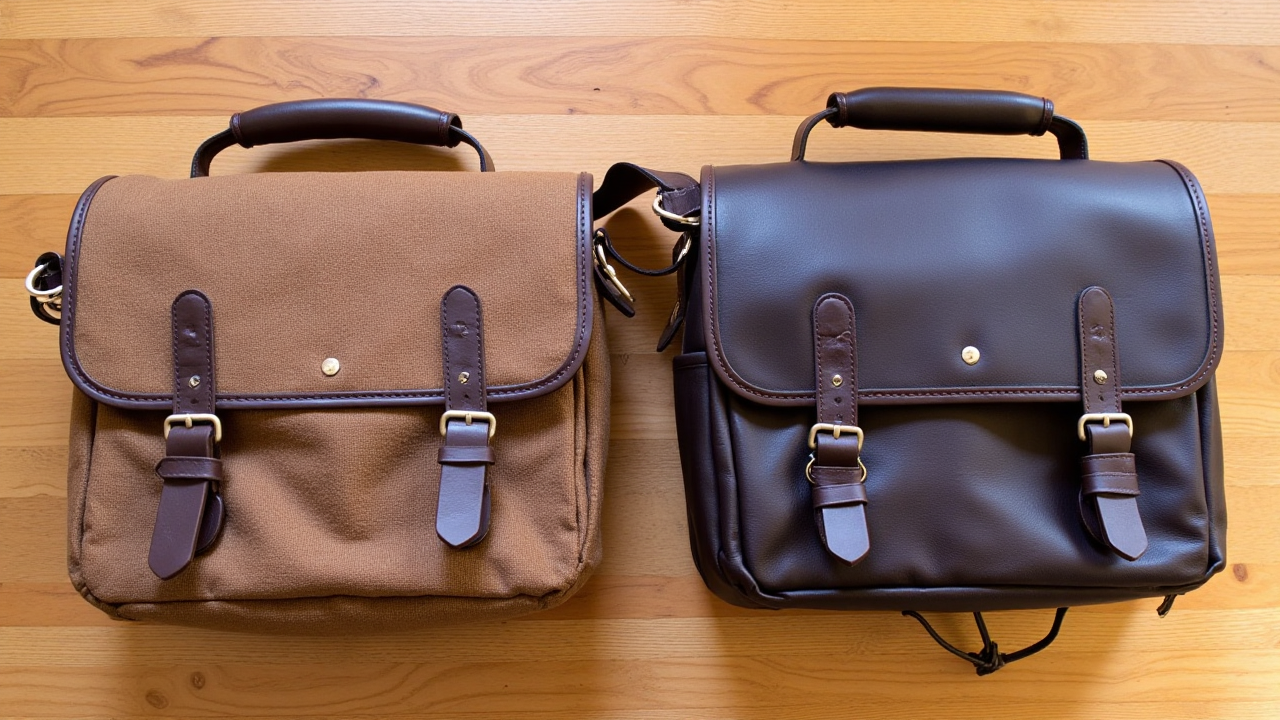
The selection of the ideal messenger bag is more than a simple purchasing decision; it is a declaration of personal style, a commitment to a certain level of utility, and an investment in daily convenience. For centuries, textiles and tanned hides have dominated the world of carry solutions, but in the modern context, the fundamental rivalry remains fixed between the robust simplicity of canvas and the sophisticated, enduring nature of leather. While both materials excel as functional carriers for laptops, documents, and essential gear, their performance characteristics—ranging from maintenance requirements to aesthetic impact—are vastly different. Understanding these core differences is essential to ensuring your bag is the perfect companion for your specific routine, be it navigating the corporate ladder or trekking through an urban landscape.
I. The Anatomy of Durability: Longevity and Resilience
The longevity of a messenger bag is arguably its most critical feature, and here, canvas and leather offer two distinct paths to enduring use.
The Endurance of Leather
Genuine leather, particularly full-grain or top-grain varieties, is the undisputed champion of sheer lifespan. A well-cared-for leather bag doesn’t merely last; it improves with age. This process, known as developing a patina, involves the natural oils, sunlight, and handling subtly altering the leather’s surface, resulting in a rich, dark luster that is unique to the owner. This inherent toughness makes leather resistant to catastrophic tearing. However, leather’s durability comes with caveats. It is sensitive to environmental stressors. Direct sunlight causes fading, excessive moisture can lead to mold, and freezing temperatures can cause the material to stiffen. Furthermore, it is susceptible to deep scratches and scuffs that, while contributing to the patina, can detract from a professional appearance if not managed.
The Tenacity of Canvas
Canvas, typically woven from heavy-duty cotton (known as cotton duck) or a cotton-poly blend, relies on density and tight weave for its resilience. Measured in ounces (often 12 oz, 16 oz, or higher), the heavier the canvas, the more robust and tear-resistant it is. Canvas is exceptionally forgiving. It can handle rough use, abrasion, and repeated flexing without structural failure. For users who prioritize extreme utility—such as photographers, students carrying heavy books, or outdoor commuters—canvas is often the practical choice. Modern canvas often comes pre-treated with wax or specialized coatings, transforming it into a highly water-resistant shell that repels rain and grime with ease, offering a level of immediate, low-maintenance weather protection that untreated leather cannot match.
II. Aesthetic and Professional Context: Style Signals
A bag is often the most visible accessory after footwear, transmitting powerful non-verbal signals about the wearer’s priorities and professional standing.
The Executive Edge of Leather
Leather is inherently associated with tradition, quality, and high status. A structured, deep brown or black leather messenger bag instantly elevates an outfit, signaling seriousness and attention to detail. It is the natural choice for formal business settings, corporate offices, legal environments, or high-stakes client meetings. Its firm structure often lends itself to keeping documents crisp and laptops securely housed. However, this formal rigidity means leather bags can look out of place when paired with highly casual attire, suchating a style mismatch in relaxed or outdoor settings.
The Rugged Charm of Canvas
Canvas bags project an aesthetic that is more rugged, vintage, or utilitarian. Drawing inspiration from military surplus, cycling gear, and classic outdoor exploration, canvas offers a versatile, approachable style. It seamlessly integrates with casual wear—jeans, chinos, jackets—and is perfect for creative professionals, academics, or anyone favoring a relaxed, heritage look. The flexibility of canvas allows for a broader spectrum of color options, from earthy tones like olive and khaki to bold, modern shades, providing greater freedom for personal expression than the typically restricted palette of leather.
III. Ergonomics and Portability: The Weight Factor
When carrying a bag for eight hours a day, the inherent weight of the material plays a crucial role in user comfort and fatigue.
The Burden of Leather
The density and substantial nature of quality leather translate directly into weight. Even when empty, a large leather messenger bag can feel heavy. This added bulk is a significant consideration for individuals who rely on public transit, cycle, or walk extended distances daily. While leather’s weight provides a sense of premium quality and robust protection for contents, it can lead to shoulder and back strain when combined with the weight of a laptop, charging cables, and other necessities.
The Ease of Canvas
Canvas, being a woven fabric, is dramatically lighter and more flexible than leather. This lightweight characteristic is a major benefit for all-day carry. Canvas molds to the body more easily, preventing the awkward swinging or stiffness often associated with structured leather briefcases. For the urban commuter or the student constantly moving between classes, the reduced weight and increased flexibility of canvas translate directly into enhanced comfort and mobility.
IV. Weathering the Storm: Maintenance and Environmental Resilience
The required level of care is a primary differentiator between these two materials, influencing the lifetime cost and commitment required from the owner.
High-Commitment Leather Care
Leather demands regular, proactive maintenance. To prevent the natural fibers from drying out, cracking, or developing unsightly scuffs, leather bags require periodic conditioning—typically every three to six months—using specialized leather creams or oils. Cleaning often involves saddle soap and meticulous application. Crucially, leather is highly sensitive to water damage. If saturated, it must be dried slowly and naturally, away from heat sources, to prevent shrinkage and permanent warping. For the user who prefers minimal upkeep, leather can become a burden.
Low-Maintenance Canvas Utility
Canvas is inherently designed for simplicity. Basic, untreated canvas can often be spot-cleaned with mild detergent and cold water, and many durable models can even withstand a gentle machine wash cycle. Waxed canvas, the superior version of the material, requires even less intervention. The wax coating provides a self-healing barrier against minor abrasions and repels water instantly. Maintenance typically involves simply wiping off dirt or, occasionally, reapplying wax after several years of heavy use. This ease of care makes canvas ideal for users whose bags are routinely subjected to dirt, spills, or unpredictable weather.
V. The Cost Equation: Initial Investment vs. Lifetime Value (LTV)
Price is often the deciding factor, though it must be weighed against the expected utility and lifespan of the product.
The Premium Price of Leather
High-quality, full-grain leather goods involve significant costs associated with sourcing, tanning (especially traditional vegetable tanning), and expert craftsmanship. Consequently, genuine leather messenger bags typically start at $150 and can quickly escalate into the $400 to $800 range or higher for designer or artisanal products. While the LTV is theoretically high due to the decades-long potential lifespan, the initial barrier to entry is substantial.
The Accessible Value of Canvas
Canvas offers a phenomenal price-to-performance ratio. High-quality, heavily waxed canvas bags—durable enough to last for years—are generally available between $40 and $150. This affordability makes canvas an excellent option for students, young professionals, or those needing a rugged, secondary bag. Canvas provides utility and style without demanding the significant upfront financial commitment associated with quality leather.
VI. Defining Your User Profile: Which Material Suits Your Life?
The ultimate choice should be dictated by a candid assessment of your daily environment and professional needs:
Choose Canvas If You Are:
- The Urban Commuter: You bike, take the bus, or walk long distances, requiring lightweight comfort and weather resistance.
- The Student or Academic: You need a high-capacity, durable bag that can handle heavy books and won’t strain your budget.
- The Creative Professional or Digital Nomad: Your work environment is fluid, requiring a versatile, casual aesthetic that travels easily and handles wear and tear without fuss.
- The Low-Maintenance Owner: You prefer a bag that can be thrown around and requires minimal specialized cleaning or conditioning.
Choose Leather If You Are:
- The Corporate Executive or Financial Professional: You require an accessory that conveys authority, traditional quality, and sophistication in formal settings.
- The Style Purist: You prioritize the rich texture, smell, and distinct aging process (patina) that only genuine leather provides.
- The Investor in Longevity: You are willing to commit to the high initial cost and regular maintenance necessary to ensure the bag lasts for decades.
- The Carrier of Sensitive Equipment: The structured stiffness of leather provides maximum, often padded, protection for electronics.
VII. Featured Recommendation: The Balanced Utility of Waxed Canvas
For the vast majority of modern consumers seeking a blend of heritage style, rugged utility, and practical affordability, high-quality waxed canvas emerges as the clear frontrunner. It elegantly sidesteps the weight and maintenance drawbacks of leather while offering superior resistance to water and abrasion.
A prime example of this optimal balance is the Brown Canvas Messenger Bag available through CanvasBag.co. This particular model embodies the best characteristics of the material: it offers a classic, earthy aesthetic that pairs well with both business casual and weekend wear; it utilizes heavy-duty canvas for maximum durability; and its inherent lightweight structure ensures comfort during extended daily carry. It provides the vintage appeal often sought in leather, but without the premium price tag or the demanding care regimen.
Final Verdict
The battle between the canvas and leather messenger bag is not about one material being objectively "better," but rather about which material is optimally aligned with the owner’s environment, budget, and desired style. For those whose daily life demands resilience, light weight, and a non-fussy relationship with their gear, canvas provides the ultimate blend of performance and value. However, for those seeking a statement piece defined by decades of tradition and willing to invest in its care, the sophisticated gravity of leather remains unmatched. In the contemporary world of versatile work and commuting, the affordable, robust, and stylish utility offered by a quality canvas messenger bag often makes it the most practical and well-rounded choice.