

The UK’s fourth-largest grocery retailer, Aldi, is signalling a significant commitment to public health and consumer education by introducing a distinctive, high-fibre on-pack accreditation mark. This initiative is the cornerstone of a broader, multi-faceted strategy that includes a dedicated commitment to developing new high-fibre own-label products and systematically reformulating existing lines, with these enhancements scheduled to roll out through 2026 and beyond. This move directly addresses a critical shortfall in the national diet, as current statistics reveal a sobering reality: a mere 4% of the adult population in the United Kingdom successfully meets the government-endorsed daily fibre intake target of 30 grams, despite overwhelming scientific evidence highlighting fibre’s indispensable role in maintaining robust digestive health and contributing to overall well-being.
Aldi’s strategic intervention is designed to dismantle barriers to healthy eating, making the identification, comprehension, and integration of high-fibre food choices into daily family meals substantially more straightforward for its vast customer base. This proactive step aligns perfectly with Aldi’s ongoing commitment to offering quality products at competitive prices, ensuring that healthier options remain accessible to all economic brackets.
Crucially, this internal push is being externally validated through a new, high-profile partnership with the Food and Drink Federation’s (FDF) influential ‘Action on Fibre’ initiative. This collaborative platform unites diverse stakeholders across the entire food industry—from primary producers to major retailers—with the singular objective of collaboratively elevating dietary fibre consumption across the nation. The impact of this collective effort is already measurable; since the initiative’s inception, participating businesses have collectively facilitated the addition of an estimated 1.5 billion fibre-rich portions into the diets of UK consumers. By formally joining this alliance, Aldi is ensuring its efforts are harmonised with a robust, industry-wide framework dedicated to fostering healthier consumer decisions.
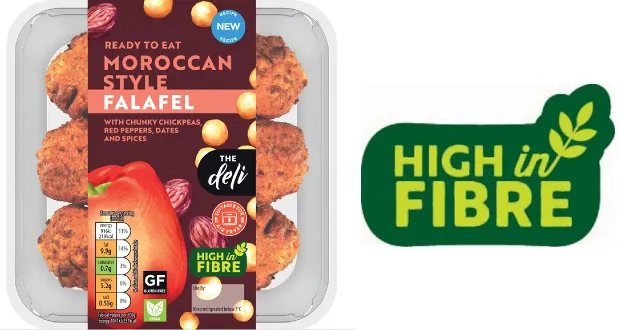
The visual anchor of this campaign is the new, easily recognisable ‘High-in-Fibre’ logo. This mark will begin appearing in a phased rollout across an expanding portfolio of Aldi’s own-brand offerings throughout the year. The aim is to empower shoppers to make swift, informed choices on the shelf, removing guesswork from their purchasing habits. Most products that meet the established criteria are expected to feature this prominent branding by the close of September, with the application process continuing across further product lines as the programme matures and new formulations are introduced.
The initial wave of products slated to display the new fibre accreditation will focus on everyday dietary staples that form the backbone of many households’ pantries. Shoppers will immediately spot the logo on essential items such as loaves of bread, dried and tinned lentils, and breakfast cereals. Furthermore, the designation will extend into the fresh and prepared foods section, featuring on selected deli items like falafels, which offer convenient fibre boosts. Looking ahead, the scope of the logo is set to broaden significantly, with subsequent phases scheduled to incorporate categories such as nutritious dried fruits, various nuts and seeds, and staple wholewheat pasta varieties before the year is out, demonstrating a deep commitment to comprehensive dietary improvement.
Liz Fox, National Sustainability Director at Aldi UK, emphasised the practical motivation behind this extensive undertaking. "We are acutely aware that fibre plays an essential, foundational role in supporting day-to-day health, yet it presents a particular challenge for families navigating the pressures of busy schedules and the complexities of meal planning," Fox stated. "That’s precisely why we have adopted a comprehensive, multi-pronged strategy. This ranges from implementing clearer, more immediate on-pack labelling and driving significant internal product development, right through to actively sharing simple, accessible recipe inspiration. Our goal is to make it undeniably easier for families to naturally incorporate higher levels of fibre into their daily meals, all without ever having to compromise on the high quality or exceptional value that defines the Aldi shopping experience."
Supporting Aldi’s commitment from the industry perspective is Kate Halliwell, Chief Scientific Officer at the Food and Drink Federation. Halliwell expressed strong endorsement for the retailer’s participation in the national effort. "We are genuinely delighted to welcome Aldi into our mission to bolster the nation’s health by actively supporting more individuals in increasing their dietary fibre intake," Halliwell commented. "The health benefits associated with adequate fibre consumption are vast and scientifically proven, spanning from reducing the long-term risk factors for Type 2 diabetes to significantly improving both digestive regularity and cardiovascular health."
Halliwell continued to underscore the necessity of cross-sector collaboration. "This is why the FDF remains wholly committed to working alongside every part of the food supply chain to streamline the process, making it inherently simpler for consumers to consistently reach that crucial benchmark of 30 grams of fibre daily. The tangible impact of this collective action is already evident; last year alone, Action on Fibre helped facilitate the introduction of fibre-enriched equivalents to approximately 88 million large bowls of Bran Flakes onto supermarket shelves nationwide. With a major player like Aldi now fully integrated into our efforts, we are confident that the scale and speed of positive change across the UK diet will accelerate substantially."
Aldi’s commitment extends beyond mere labelling compliance. The retailer is actively investing in research and development to re-engineer recipes for popular own-label goods, seeking opportunities to naturally boost fibre content through the incorporation of whole grains, pulses, and other fibre-rich ingredients, often without noticeable alterations to taste or texture. This reformulation drive is positioned as a long-term investment in the nation’s health infrastructure, recognising that small, incremental changes across millions of products can yield profound population-level benefits over time.
Furthermore, in conjunction with the labelling changes, Aldi plans to leverage its digital platforms and in-store promotions to educate consumers. This educational push will focus on demystifying fibre, explaining its sources beyond traditional whole grains, and providing practical tips for boosting intake—for instance, suggesting simple additions like sprinkling flaxseeds on yogurt, swapping white rice for brown or wholewheat alternatives, or incorporating beans and lentils into everyday sauces and stews.
The integration of the new logo with the Action on Fibre partnership signifies a maturation in how major retailers approach public health mandates. Rather than viewing dietary guidelines as regulatory hurdles, Aldi is framing this as a competitive advantage and a core element of its corporate social responsibility strategy. By making the healthy choice the easy choice, Aldi is positioning itself not just as a discounter, but as a partner in achieving national wellness goals, ensuring that the pursuit of value does not necessitate a sacrifice of nutritional quality for the millions of households relying on their shelves for their weekly groceries. This comprehensive, visible, and collaborative approach is set to redefine fibre accessibility in the British grocery market for years to come.