

December 29, 2025
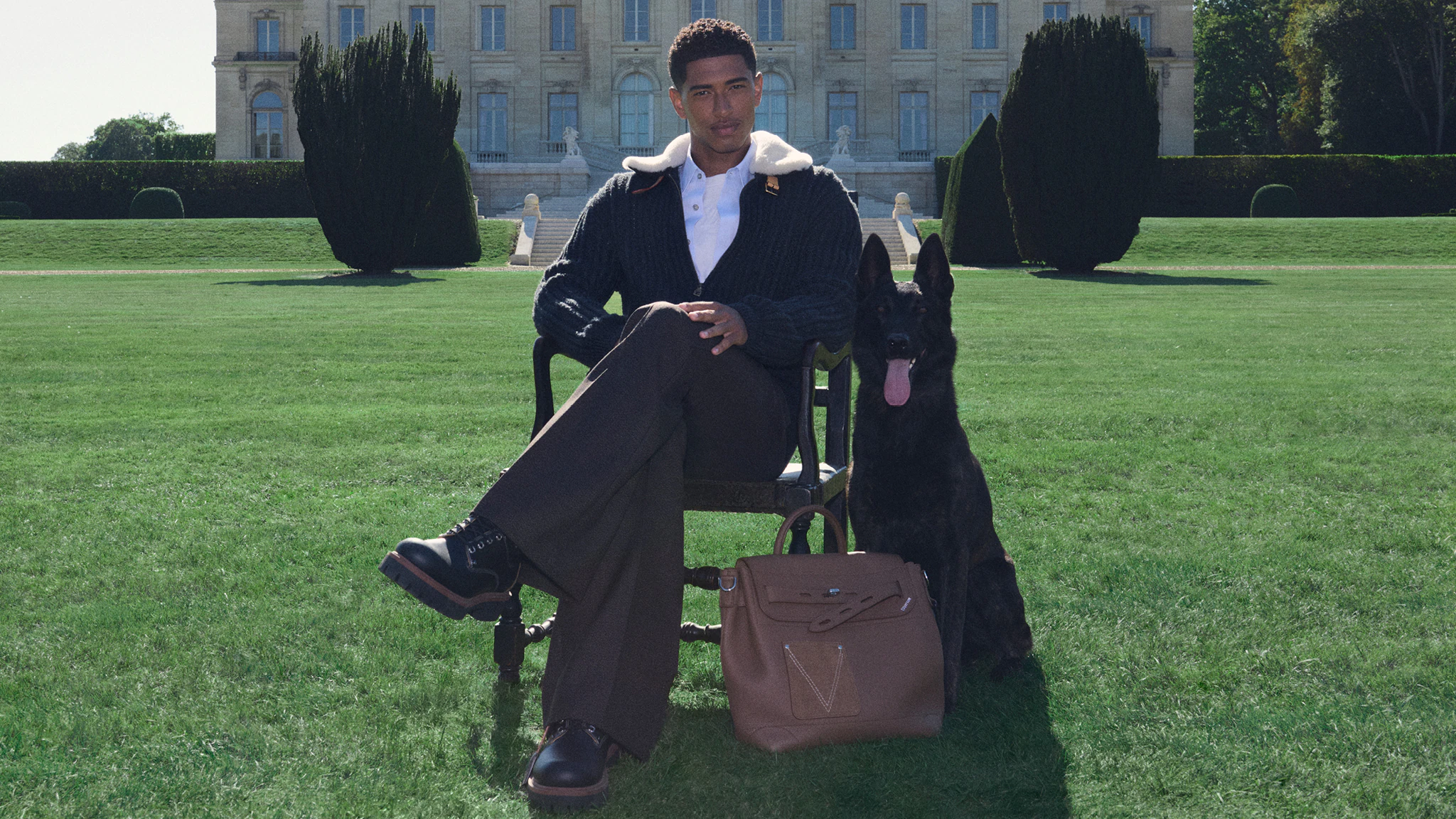
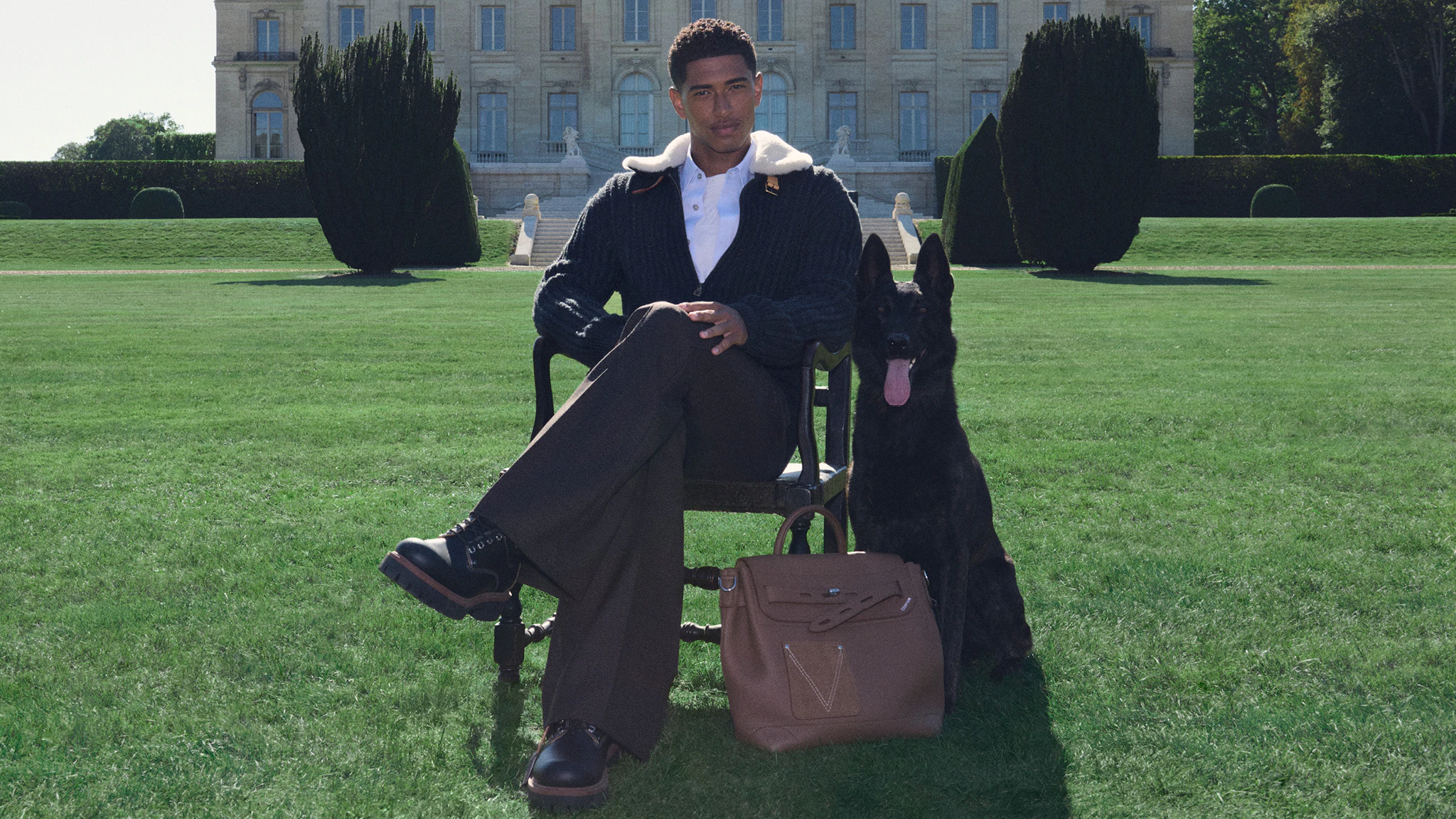
The lineage of a luxury house is often encapsulated within its inaugural handbag design. For Louis Vuitton, that foundational piece is the Steamer. Fast forward over a century, and this historic carryall is experiencing a potent revival, notably featured in the Spring-Summer 2026 Pre-Collection under the creative direction of Pharrell Williams. This latest iteration, part of the LV Touch lineup, has been radically modernized: stripped of overt logomania and rendered in luxurious, supple calfskin. The result is a piece that deftly navigates the tension between heritage elegance and uncompromising modern utility, available both as a hand-carried 30-inch model and a hands-free backpack version.
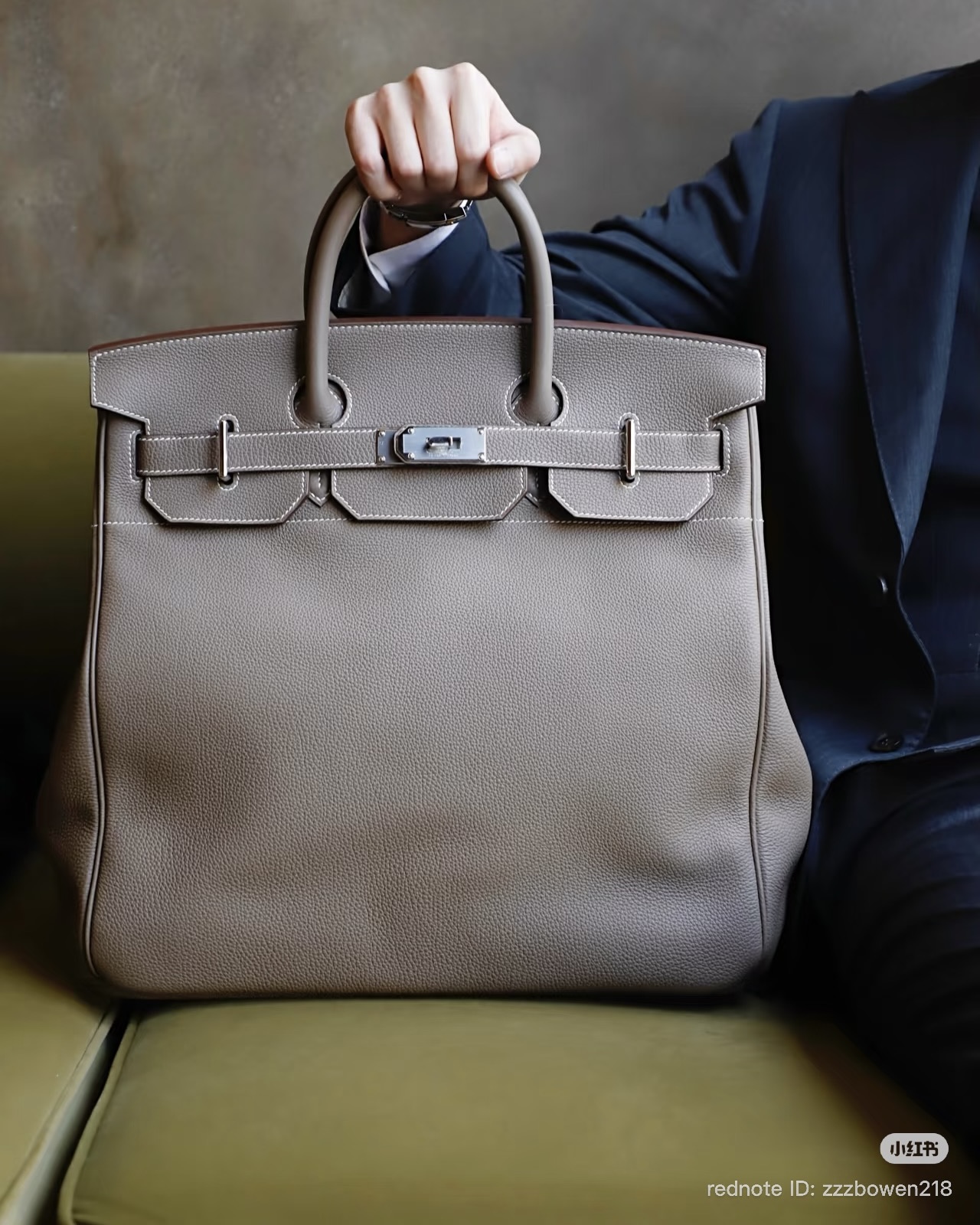
This contemporary evolution of the Steamer stands in stark contrast, yet shares a spiritual kinship, with the very first creation from Hermès: the Haut à Courroies (HAC). Both the reimagined LV Touch Steamer and the foundational HAC embody the pioneering spirit of their respective Maisons, showcasing how initial functional designs continue to serve as powerful inspiration for today’s most coveted reinterpretations.
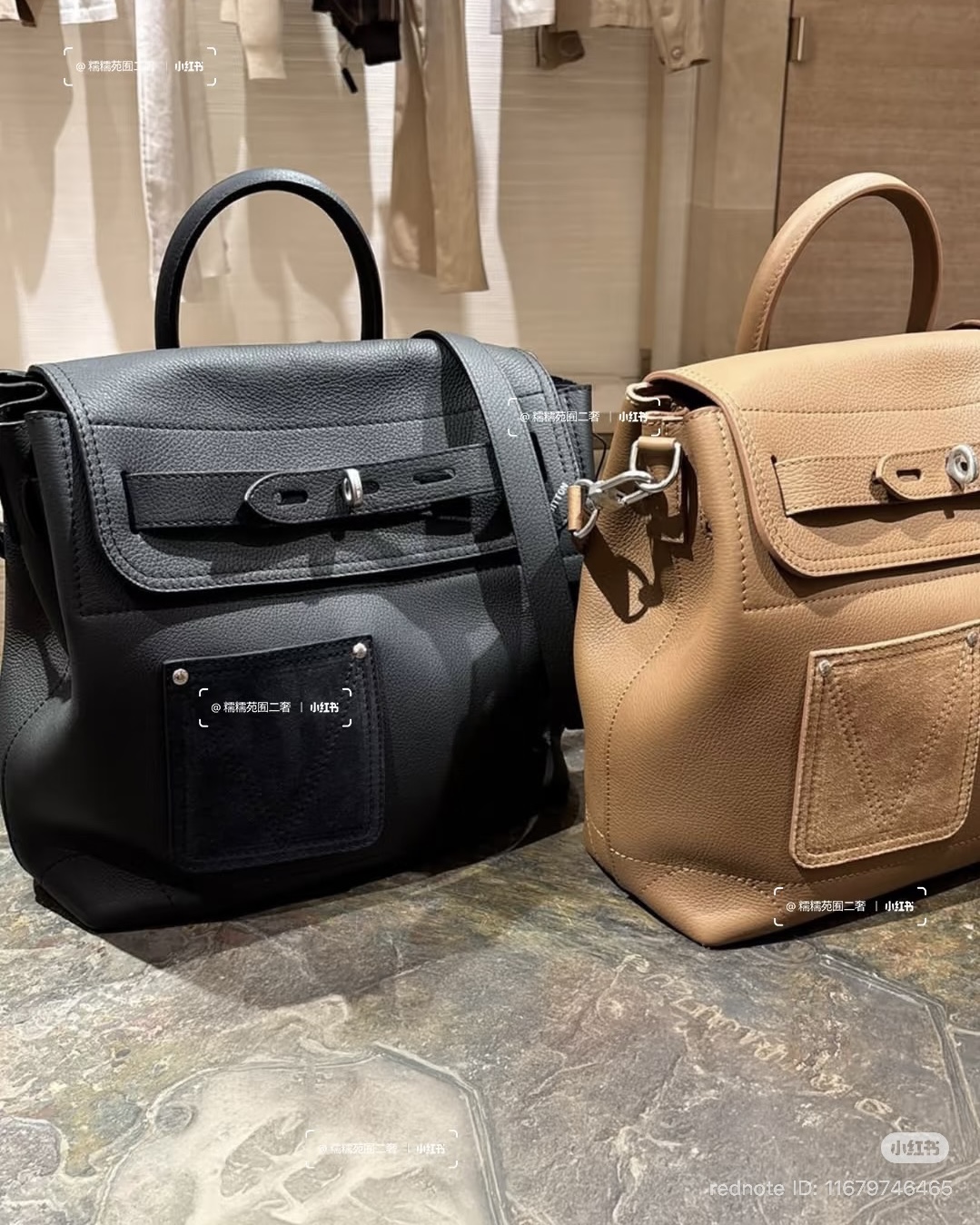
From the structural contours to the inherent functionality, examining the LV Touch Steamer 30 and the HAC reveals fascinating parallels and defining divergences—in everything from minute construction details to practical daily application. This analysis breaks down these elements to help discerning collectors weigh which ancestral design best suits their contemporary rotation.
The Louis Vuitton Steamer 30: A Modern Take on Travel Utility
Tracing its origins back to 1901, the Steamer was Louis Vuitton’s earliest dedicated bag design. Originally conceived as a soft-sided, trunk-inspired container, historical versions were typically fashioned from the signature Monogram canvas trimmed with Vachetta leather. Its structured yet yielding form made it an indispensable accessory for early 20th-century travelers.

The Steamer 30 from the LV Touch collection honors this legacy of practical refinement. It translates the original travel silhouette into a modern piece suitable for hand-carrying or crossbody wear, distinguished by its rich leather, sophisticated hardware, and carefully considered internal organization.
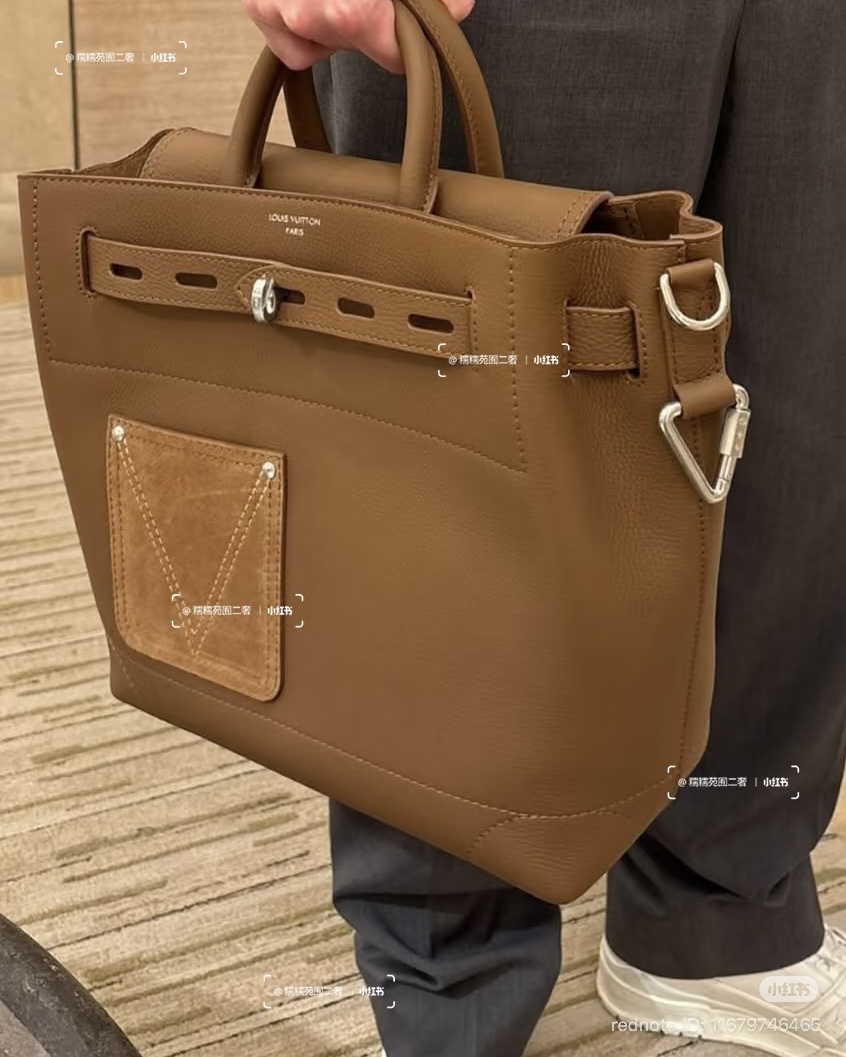
The design of the Steamer 30 is instantly recognizable by its gently curved top flap and reinforced edges, which provide a structure that is simultaneously defined and subtly yielding. A front pocket, possibly crafted in contrasting suede, is subtly detailed with a stitched ‘V’ signature. Securing the flap are two leather straps, reminiscent of the functional sangles seen on classic Hermès designs, which cinch down before fastening onto an engraved touret-style lock closure marked with "LOUIS VUITTON." The careful, contour-following stitching throughout the body adds textural depth without distracting from the overall form.
In terms of hardware, the design leans toward minimalism. Brushed silver-tone accents are strategically placed—at the rivets on the front pocket, the lock mechanism, and the D-rings for the strap attachments. The flap itself features a subtly embossed silver-tone "L.VUITTON" heat-stamp. A final, understated flourish on one side is a V-shaped carabiner clip embellished with Monogram Flowers.
Carrying options are versatile: dual curved top handles permit elegant hand-carrying, complemented by a detachable and adjustable strap that offers a drop range of 15 to 24.8 inches for crossbody wear. Measuring approximately 12.6 x 13 x 5.5 inches, the Steamer 30 maintains its upright, trapezoidal stance even when carrying daily necessities. Inside, users benefit from one main compartment complemented by a practical zippered pocket for improved organization.
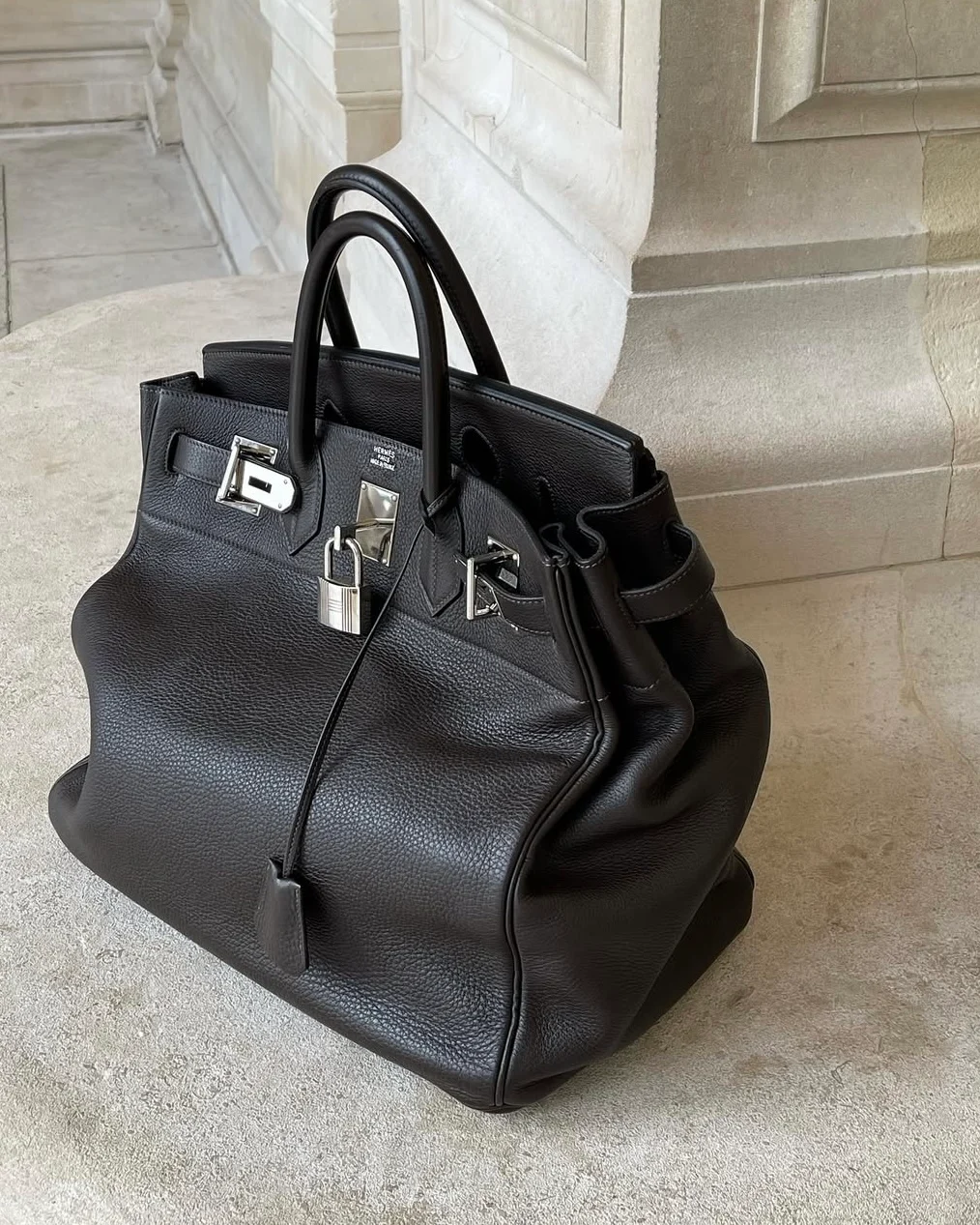
The Hermès HAC 40: Equestrian Restraint and Timeless Structure
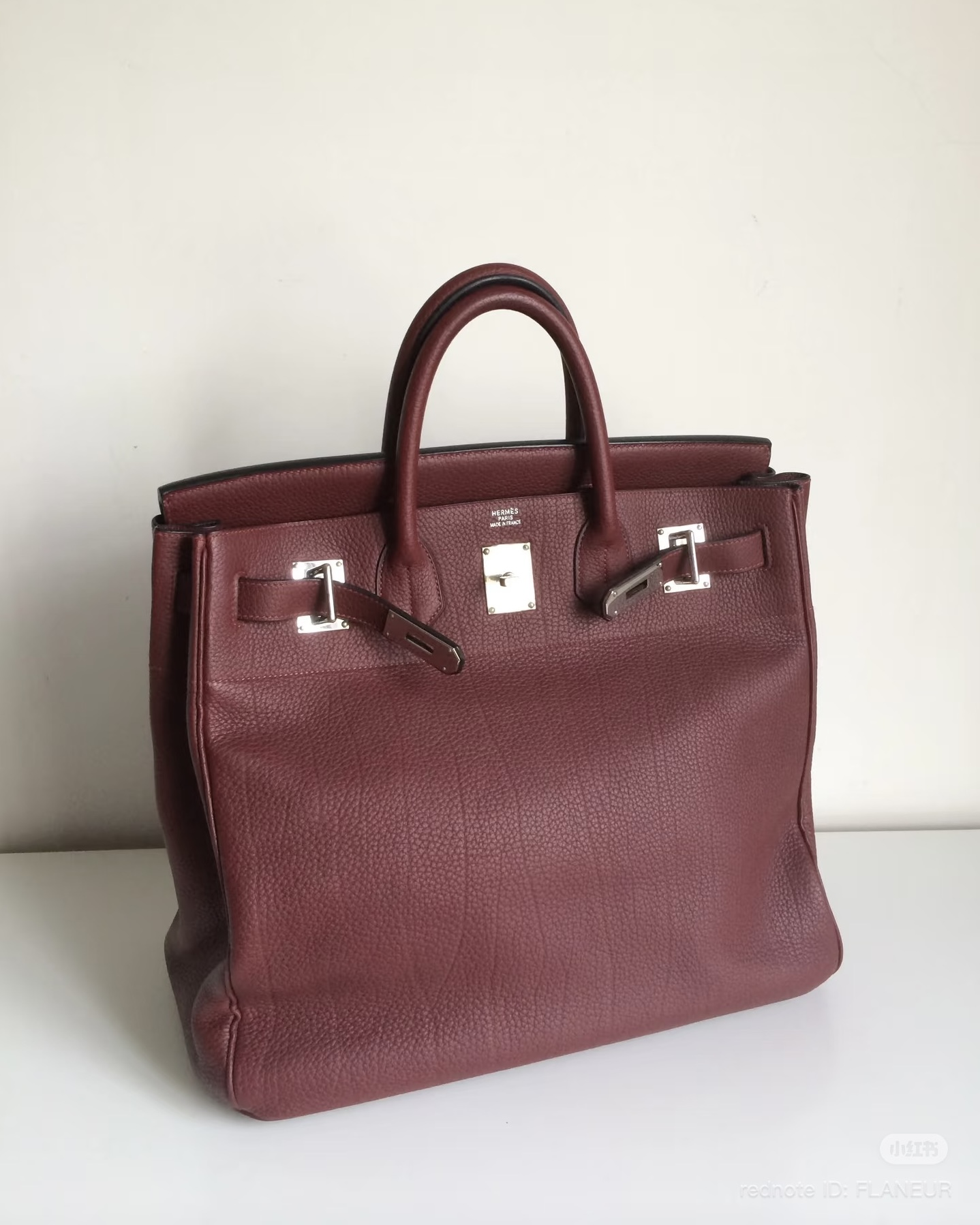
The Hermès Haut à Courroies (HAC) holds the distinction of being the Maison’s very first handbag, dating back to 1892. Its genesis was rooted in equestrian necessity—designed specifically to house a saddle and riding equipment. It subsequently evolved into a highly versatile travel tote. Today, the HAC 40 continues this tradition as a structured, hand-carried piece that places the emphasis squarely on exceptional leather quality, unparalleled craftsmanship, and subtle, inherent luxury.
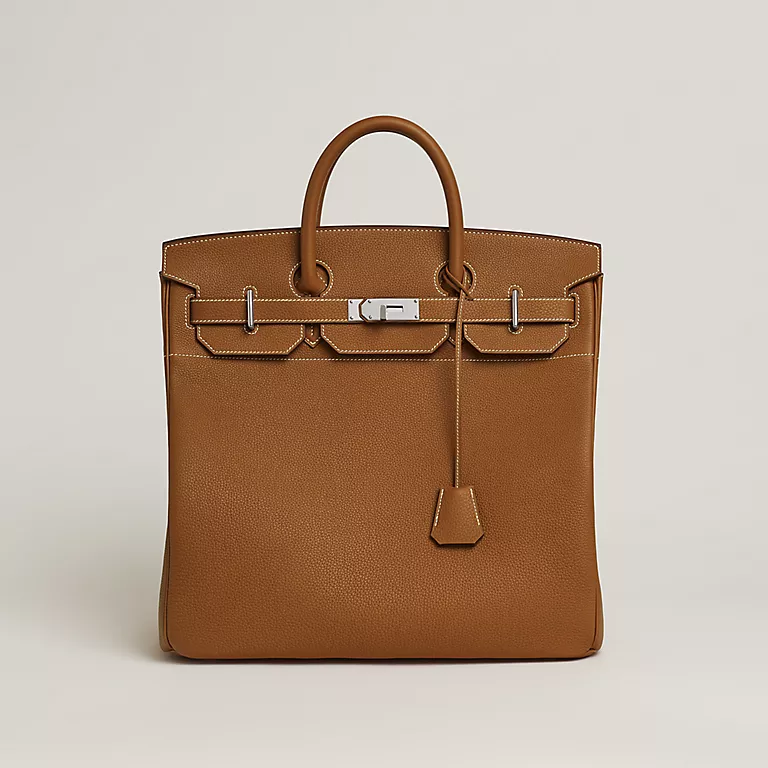
Most often seen in Togo calfskin, the HAC is typically executed using the retourné construction method. This technique allows the leather to develop a natural, subtle slouch over time, softening the initial rigid structure while preserving the characteristic upright trapezoidal profile.
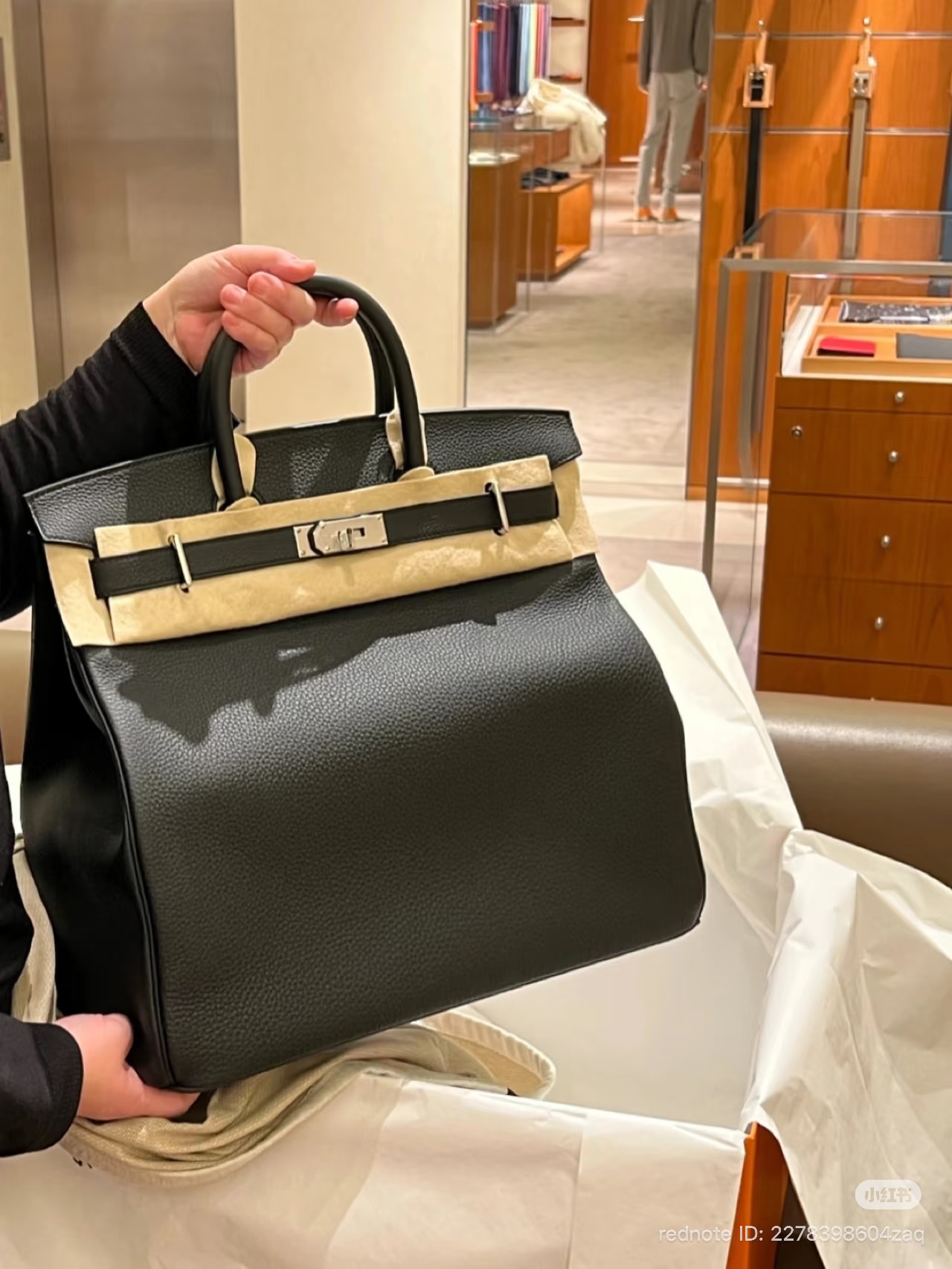
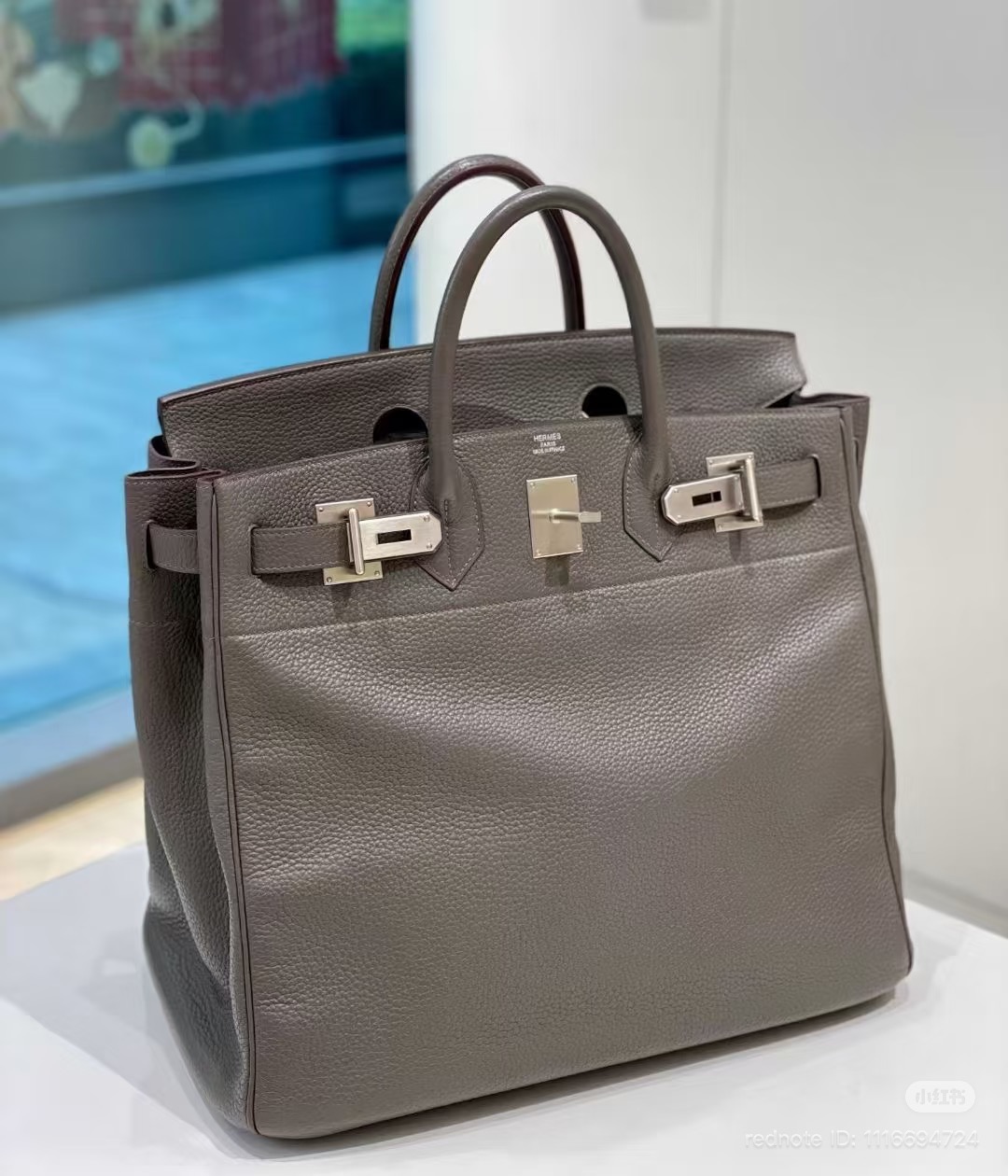
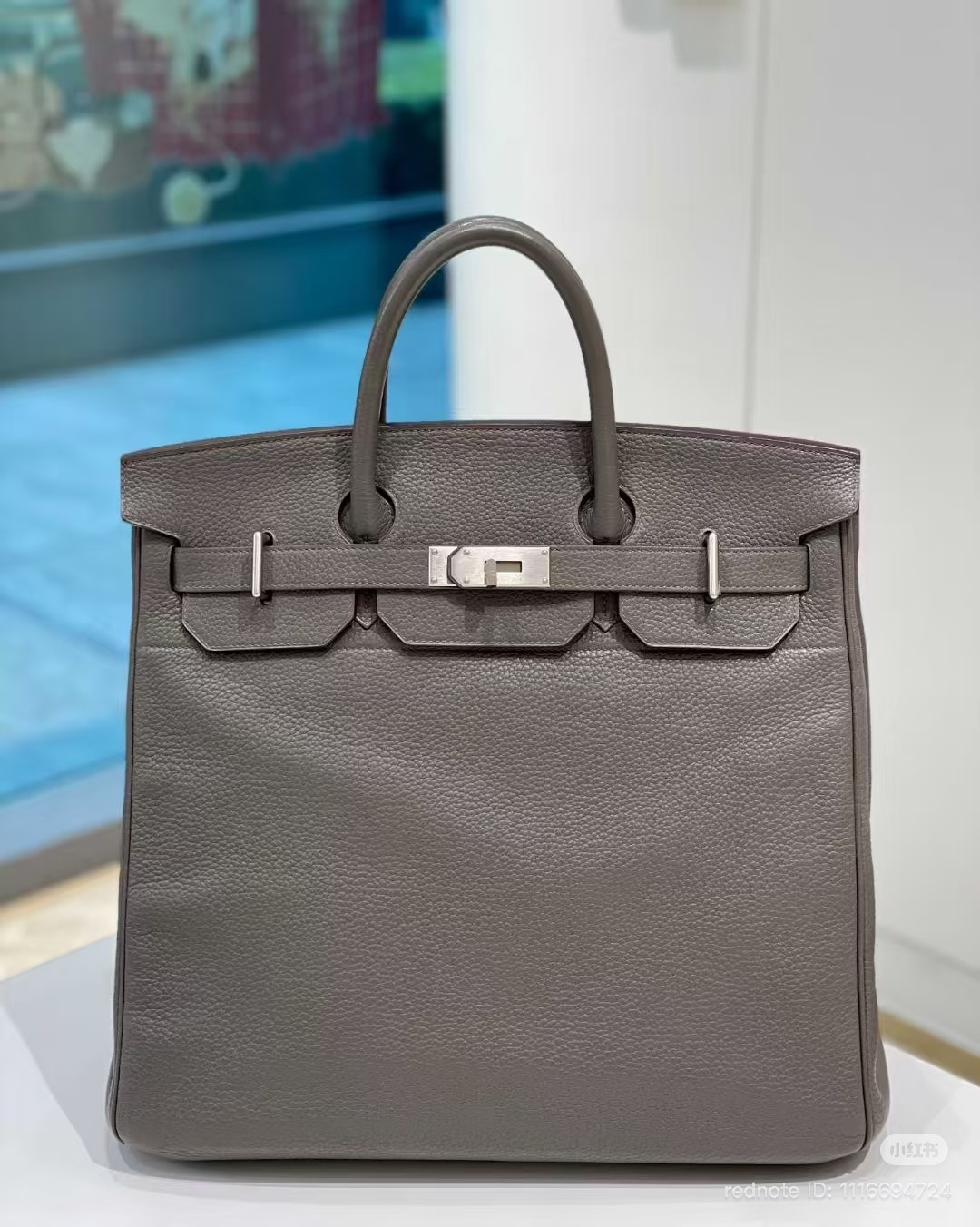
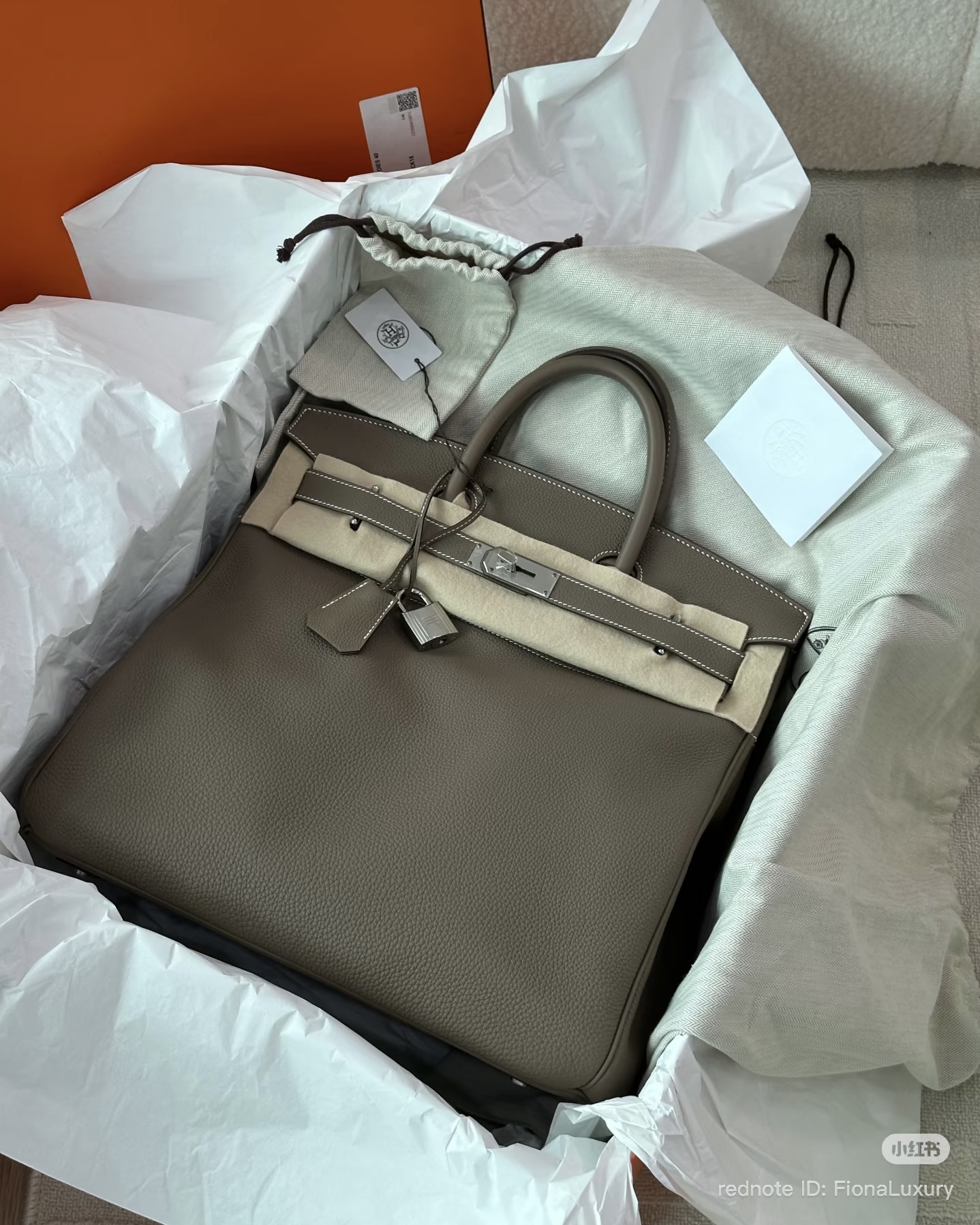
The HAC’s silhouette is defined by its imposing trapezoidal shape, cinched at the apex by the Maison’s signature securing sangles that attach to the characteristic touret closure. For added security during travel, a padlock and clochette are included. Branding is executed with the utmost discretion: the only overtly visible mark is the heat-stamped "Hermès" signature placed subtly beneath the top flap, positioned above the hardware plate, and colored to match the hardware finish. In its supreme restraint, the HAC served as the direct structural progenitor for the world-renowned Hermès Birkin, cementing its status as a cornerstone design within the brand’s archives.
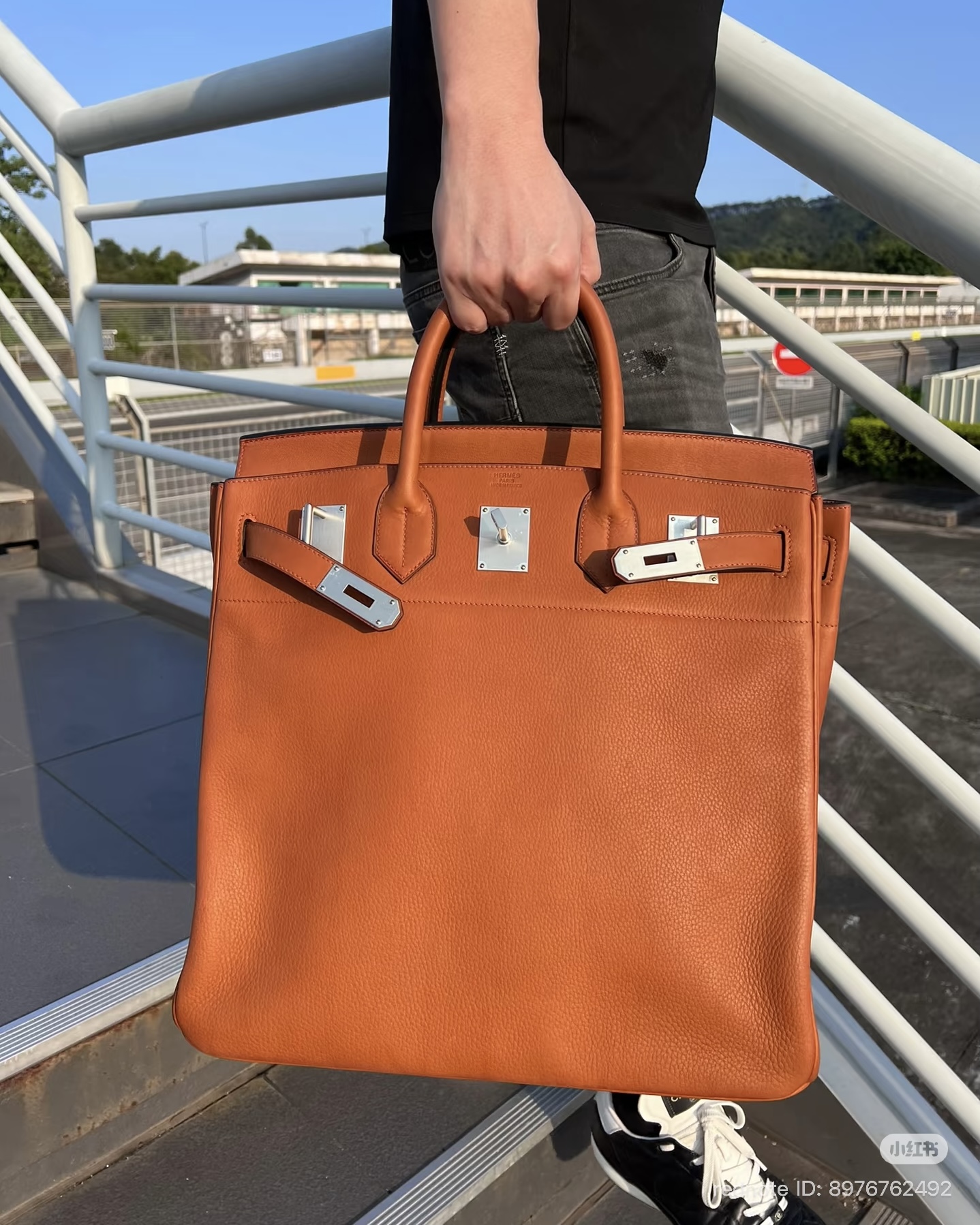
The HAC 40, one of the smaller HAC sizes currently in production, measures roughly 16 x 16 x 9 inches. Internally, the HAC adheres to a philosophy of minimalism: a single, voluminous main compartment provides space, deliberately omitting internal pockets for organization. As an homage to its traditional origins, the HAC is intended exclusively for hand-carrying, featuring dual top handles. This dedication to form means the bag is notably weighty even when empty, becoming considerably more substantial when fully loaded—a characteristic echoing its original purpose of carrying heavy riding gear.

Shared Foundations Versus Defining Differences
Despite their disparate origins and House philosophies, the Louis Vuitton Steamer 30 and the Hermès HAC 40 share several critical design attributes. Both boast upright, structured silhouettes with a distinct trapezoidal geometry. Both feature polished top handles designed for hand-carrying and employ a design language that minimizes overt branding, allowing the superior quality of the leather and the meticulousness of the construction to take precedence.

This shared focus on utility is evident in the functional strapping details at the front: the sangles on the HAC and the adjustable leather straps on the Steamer, both paired with secure locking mechanisms—a touret for the former and a turnlock for the latter.
The divergence between the two icons is perhaps more telling regarding modern consumer preferences. The Steamer 30 embraces contemporary functionality by including a detachable, adjustable shoulder strap for hands-free movement. Furthermore, its interior is thoughtfully laid out with one main section plus auxiliary pockets, catering to the need for organization in daily life. Conversely, the HAC 40 remains strictly hand-carried, offering a singular, vast main compartment devoid of internal organizational sleeves.
These specific features highlight the core design intent: both bags respect timeless proportions and superior leatherwork, but the Steamer 30 is engineered for adaptable, modern practicality, while the HAC 40 remains a purer, heavier expression of foundational luxury structure.
Adapting Heritage for the Hands-Free Era: Backpack Interpretations
In response to modern demands for hands-free convenience, both Louis Vuitton and Hermès have successfully translated their classic upright silhouettes into backpack formats, retaining crucial design DNA while aligning with contemporary lifestyles.
The Louis Vuitton Steamer Backpack
The Steamer Backpack directly echoes the upright, trapezoidal profile of the Steamer 30 while delivering effortless hands-free transport. It presents a taller, slightly narrower profile than its handheld counterpart, featuring reinforced corners that maintain structure while softening the overall appearance. A suede front pocket with the subtle stitched ‘V’ signature adds textural contrast. The signature curved flap is secured by dual leather straps and the classic lock closure. Hardware remains understated, primarily focused on the lock mechanism and strap adjusters.

Measuring 12.2 x 15.4 x 6.1 inches, the Steamer Backpack offers ample capacity for daily essentials, including space for a 16-inch laptop. The interior features a spacious main compartment alongside a zippered pocket and several slip pockets for superior organization. Carrying is flexible, utilizing dual adjustable shoulder straps alongside a convenient top grab handle.

The Hermès HAC à Dos Backpack
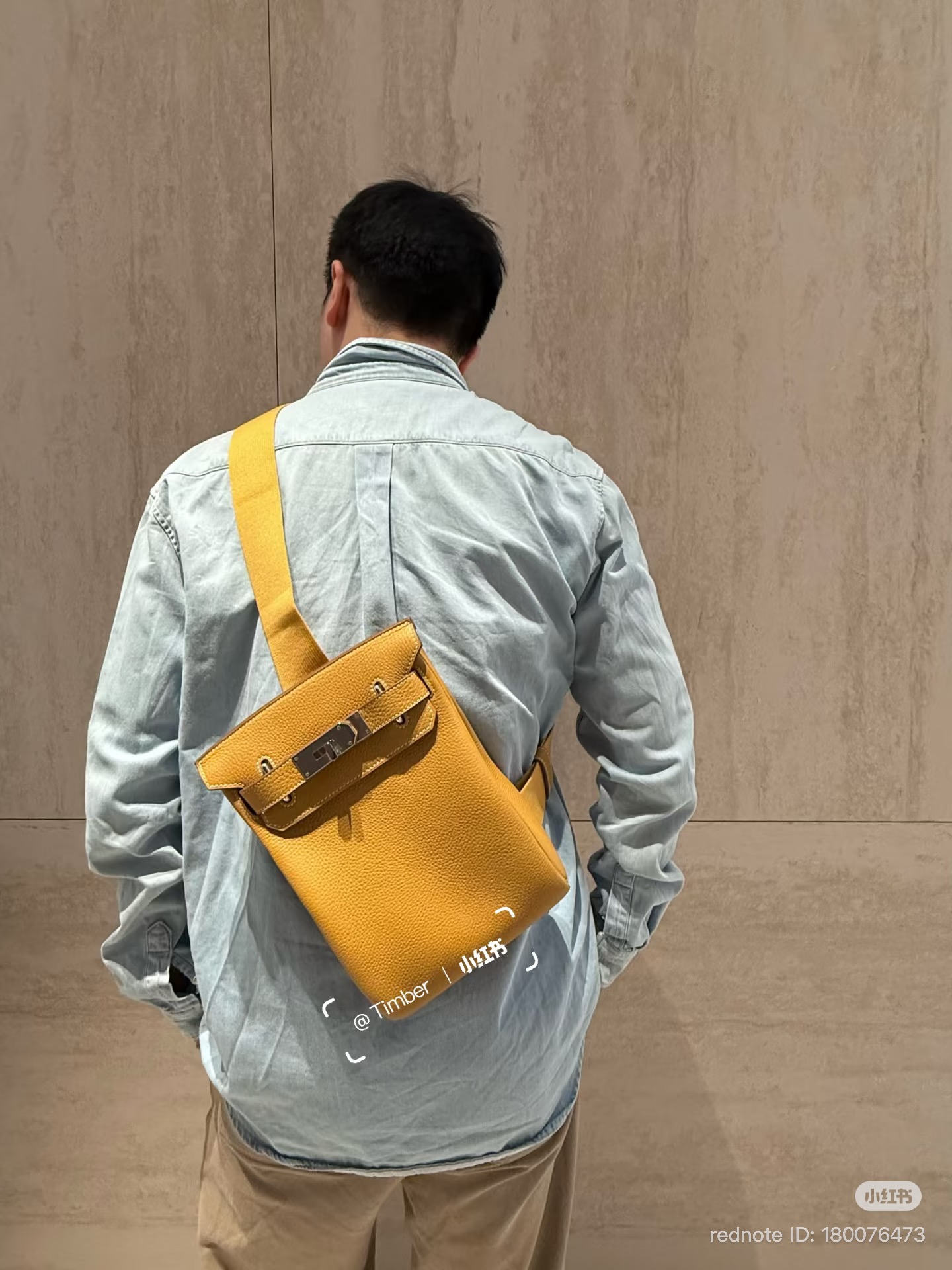
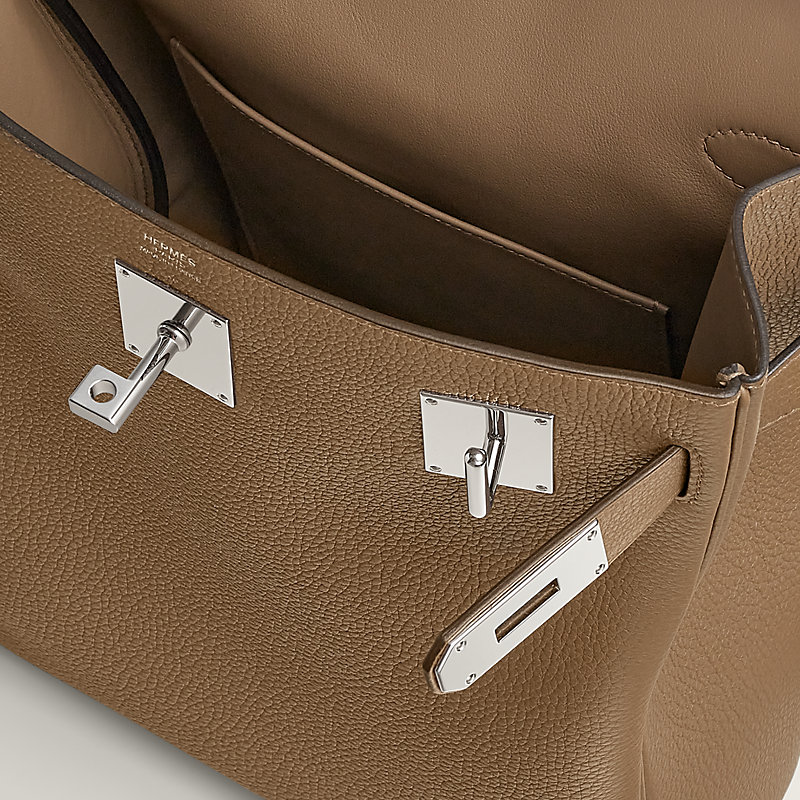
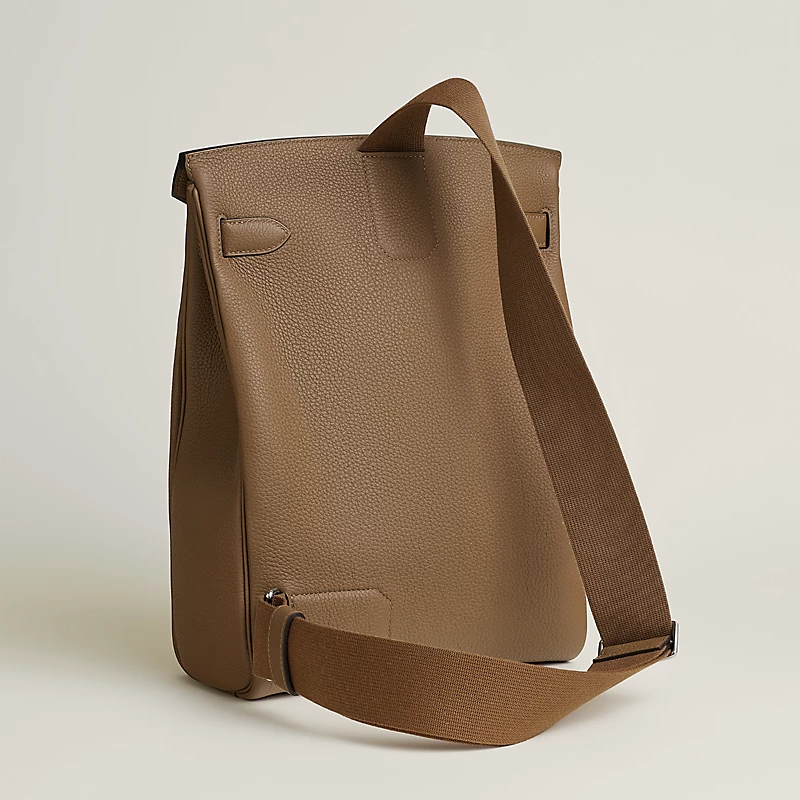
Hermès introduced the HAC à Dos backpack in Winter 2022, adapting the design language of the original HAC for modern mobility. Typically rendered in Togo calfskin, it maintains the restrained aesthetic of the HAC, featuring a semi-structured body and the iconic wedge flap. The design is subtly amplified by an oversized execution of the original hardware, lending a more assertive aesthetic.
The HAC à Dos is offered in two sizes: the PM (approximately 7.1 x 11 x 3.1 inches) and the GM (10.25 x 14 x 4.5 inches). Both sizes feature a large main compartment, a flat interior back pocket, and a D-ring for securing keys. Unlike the LV version, the HAC à Dos is equipped with a single, plain canvas adjustable strap, designed to be worn comfortably over one shoulder or crossbody, rather than in a traditional dual-strap backpack configuration.
Final Price Context: Accessibility vs. Icon Status
The current price structures offer a clear demarcation between the two houses’ approaches to archival revival. Louis Vuitton’s Steamer LV Touch collection provides a relatively accessible gateway into luxury goods inspired by historical designs. In contrast, Hermès’ HAC offerings retain their position at the apex of high-ticket iconography.
The Louis Vuitton Steamer 30 retails at $6,750, with the Steamer Backpack priced slightly lower at $6,000. Conversely, pricing for the Hermès HAC à Dos PM begins around $10,400 in standard Togo leather, escalating to $11,600 for premium Barenia Faubourg calfskin. While official retail pricing for the HAC 40 tote is less publicly disseminated, it is projected to start well above $13,300, aligning with the current starting price point of the Hermès Birkin 30 in Togo.
Ultimately, whether the collector is drawn to the pared-back, leather-focused versatility of the Louis Vuitton Steamer from the LV Touch series or the unparalleled, equestrian-rooted elegance of the Hermès HAC, both collections serve as powerful proof points demonstrating how foundational heritage shapes can be expertly reinterpreted to resonate powerfully in the modern luxury landscape.