

In the current global economic landscape, organizations are increasingly finding themselves caught between two opposing forces: the need to reduce operational expenses and the imperative to drive high-level performance. This delicate balancing act, often referred to as strategic cost management, requires a shift from traditional cost-cutting measures toward a more holistic approach that preserves value while eliminating waste. Modern leadership teams are moving away from broad-brush budget cuts, recognizing that indiscriminate reductions often cripple the very engines that drive revenue and innovation.
The Shift from Tactical to Strategic Cost Control
Historically, cost control was viewed as a tactical response to economic downturns, involving hiring freezes and travel bans. However, performance-driven companies now view cost management as a continuous strategic pillar. By integrating financial discipline into the core culture, businesses can maintain agility. This transition involves analyzing every expenditure through the lens of its contribution to the final product or service quality, ensuring that efficiency gains do not come at the expense of market competitiveness.
Leveraging Automation for Efficiency
One of the primary tools used to bridge the gap between cost and performance is automation. Robotic Process Automation (RPA) and Artificial Intelligence (AI) allow companies to handle repetitive tasks with greater precision and lower costs than manual labor. By automating back-office functions, organizations can reallocate their human capital to high-value activities that directly impact performance, such as strategic planning and customer relationship management, thereby achieving a higher output without a corresponding increase in headcount.
Optimizing Talent and Workforce Productivity
Performance is inherently tied to the quality and engagement of the workforce. Companies are balancing costs by focusing on talent retention and upskilling rather than constant recruitment. High turnover is a significant hidden cost that erodes performance. By investing in internal development programs, businesses can fill skill gaps more affordably while boosting morale and productivity, which are essential for maintaining high performance during periods of fiscal constraint.
Cloud Infrastructure and Digital Transformation
The migration to cloud-based services has fundamentally changed the cost structure of IT departments. Instead of massive capital expenditures on hardware, companies now utilize operational expenditure models. To balance performance, organizations are adopting FinOps practices, which involve real-time monitoring of cloud usage to prevent cloud sprawl. This ensures that the digital infrastructure is robust enough to support high-speed operations without incurring unnecessary costs from idle resources.
Supply Chain Resilience vs. Cost Efficiency
The just-in-time inventory model was long praised for its cost efficiency, but recent global disruptions have highlighted its risks to performance. Today, companies are balancing cost control with resilience by diversifying their supplier base and investing in predictive analytics. While maintaining a safety stock or sourcing from multiple regions might increase short-term costs, it protects the company’s performance against unforeseen shocks, proving that long-term stability is more valuable than marginal savings.
Prioritizing Customer Experience (CX)
Cost control measures that negatively impact the customer experience are ultimately self-defeating. High-performing companies utilize data analytics to identify which touchpoints are most critical to customer satisfaction and loyalty. By focusing resources on these high-impact areas and streamlining less important processes, businesses can reduce costs without degrading the quality of the service provided to their clients.
Data-Driven Decision Making
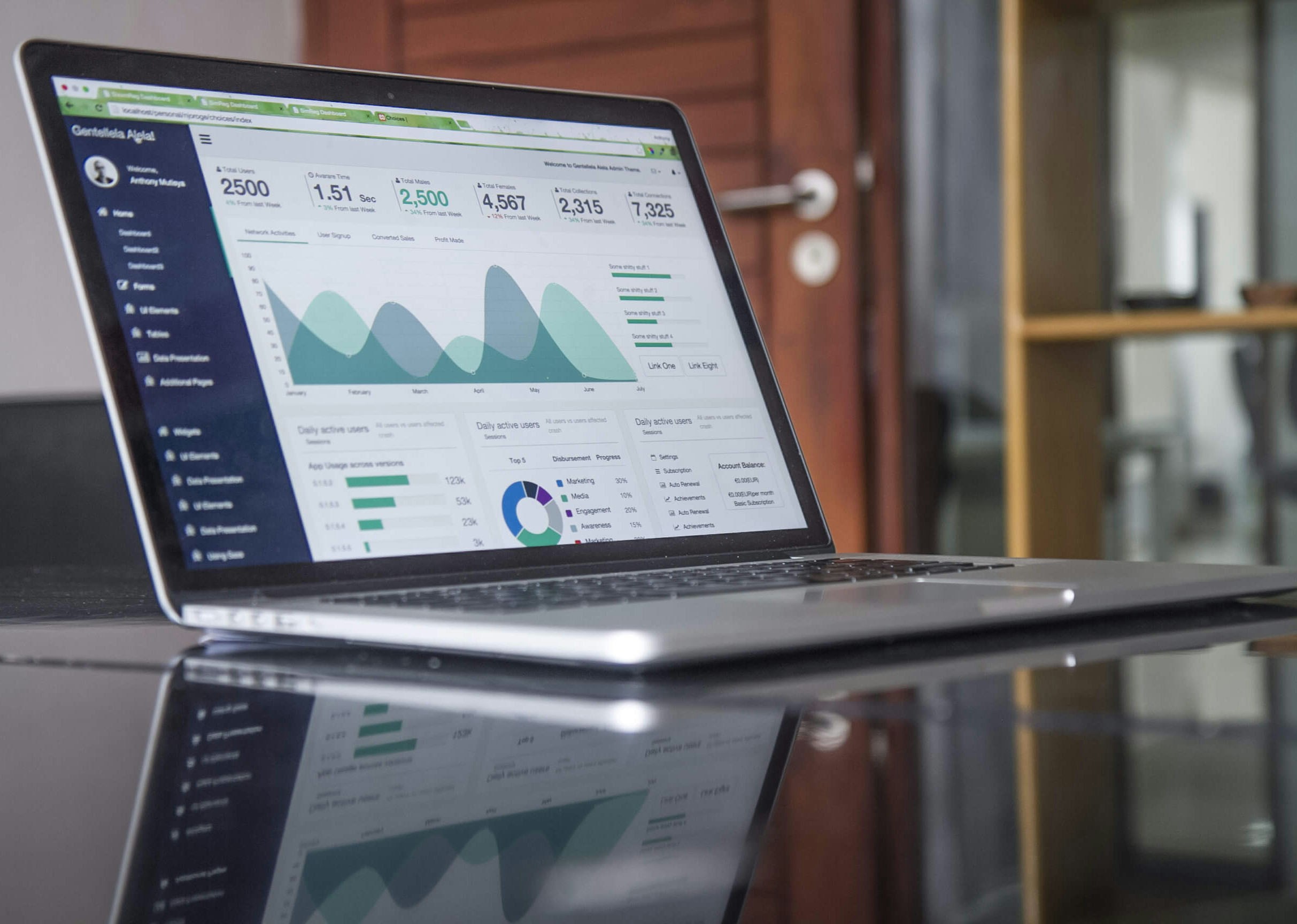
To achieve a true balance, intuition is no longer enough. Organizations are implementing sophisticated Business Intelligence (BI) tools to gain granular visibility into their spending. Advanced data modeling allows executives to simulate the impact of cost-cutting measures on performance before they are implemented. This scientific approach ensures that every dollar saved is a calculated decision that minimizes negative repercussions on operational output.
The Evolution of Real Estate and Remote Work
The shift toward hybrid and remote work models has provided a significant opportunity for cost control regarding commercial real estate. However, maintaining performance in a distributed environment requires investment in collaborative technologies and digital security. Companies that successfully balance these factors are those that repurpose their real estate savings into better digital infrastructure and employee wellness programs, ensuring that the remote workforce remains as productive as their in-office counterparts.
Marketing Attribution and ROI
Marketing budgets are often the first to be scrutinized when cost control is a priority. To maintain performance, companies are shifting toward performance-based marketing and high-precision attribution models. By identifying exactly which channels drive the highest conversion rates, firms can eliminate wasteful spending on low-performing campaigns while doubling down on strategies that provide a clear return on investment, thus maintaining growth even with tighter budgets.
Risk Management as a Performance Driver
Effective risk management is often overlooked as a cost-control mechanism. By proactively identifying potential financial, legal, or operational risks, companies can avoid the massive costs associated with crises. Integrating risk assessment into daily operations ensures that performance is not derailed by avoidable disasters, making the organization more robust and financially predictable over the long term.
Sustainability and ESG Integration
Environmental, Social, and Governance (ESG) initiatives are increasingly seen as a way to balance cost and performance. Energy-efficient operations reduce utility costs, while a strong commitment to sustainability can improve brand reputation and attract talent. Sustainable practices are no longer just a compliance requirement; they are a strategic method for reducing resource waste and driving long-term operational performance.
Strategic Outsourcing vs. Insourcing
The decision to outsource or insource key functions is a critical part of the cost-performance equation. While outsourcing can reduce labor costs, it can sometimes lead to a loss of quality control. High-performing organizations use a hybrid approach, keeping core competencies in-house to maintain performance standards while outsourcing non-essential tasks to specialized vendors who can perform them more efficiently and at a lower cost.
Lean Methodologies in Modern Context
Lean management principles, originally developed in manufacturing, are now being applied across all sectors to balance cost and performance. By focusing on value stream mapping, companies identify and eliminate activities that do not add value to the end customer. This systematic removal of waste improves speed and quality while simultaneously lowering the cost of delivery.
Conclusion: The Path to Sustainable Growth
The successful balance of cost control and performance is not a one-time project but a continuous organizational discipline. It requires a culture that values operational excellence and fiscal responsibility equally. As markets continue to evolve, the companies that thrive will be those that view cost management not as a restriction, but as a catalyst for innovation and a foundation for sustainable, high-performance growth.