

In the contemporary landscape of British marketing, a silent revolution is taking place within the drawers, cupboards, and waste bins of corporate headquarters. For decades, the industry has been flooded with "swag"—a term that has increasingly become synonymous with low-value, high-waste promotional items. From the scratchy polyester t-shirt that shrinks after a single wash to the plastic ballpoint pen that leaks in a suit pocket, these items have historically served as a fleeting touchpoint between a brand and its audience. However, as we move further into the mid-2020s, the "throwaway culture" that once defined event marketing is being dismantled by a new consumer consciousness and a demand for tangible quality. The emergence of the high-end canvas tote with genuine leather handles marks a definitive pivot point, establishing a new "gold standard" for what it means to represent a brand in the physical world.
The psychology of corporate gifting has undergone a radical transformation. Modern clients and employees are no longer satisfied with mere "stuff"; they seek utility, durability, and a reflection of their own values. When a company distributes a flimsy, paper-thin tote bag at a trade show, they are inadvertently communicating a message about their own brand: that it is temporary, disposable, and perhaps a bit cheap. Conversely, providing a retail-quality accessory creates an immediate "Endowment Effect," a psychological phenomenon where individuals value an object more highly simply because they own it—provided that the object feels substantial and valuable. This shift has led to the rise of the "Anti-Swag" movement, a strategic approach to merchandise that prioritizes "fewer, better things" over mass-produced clutter.
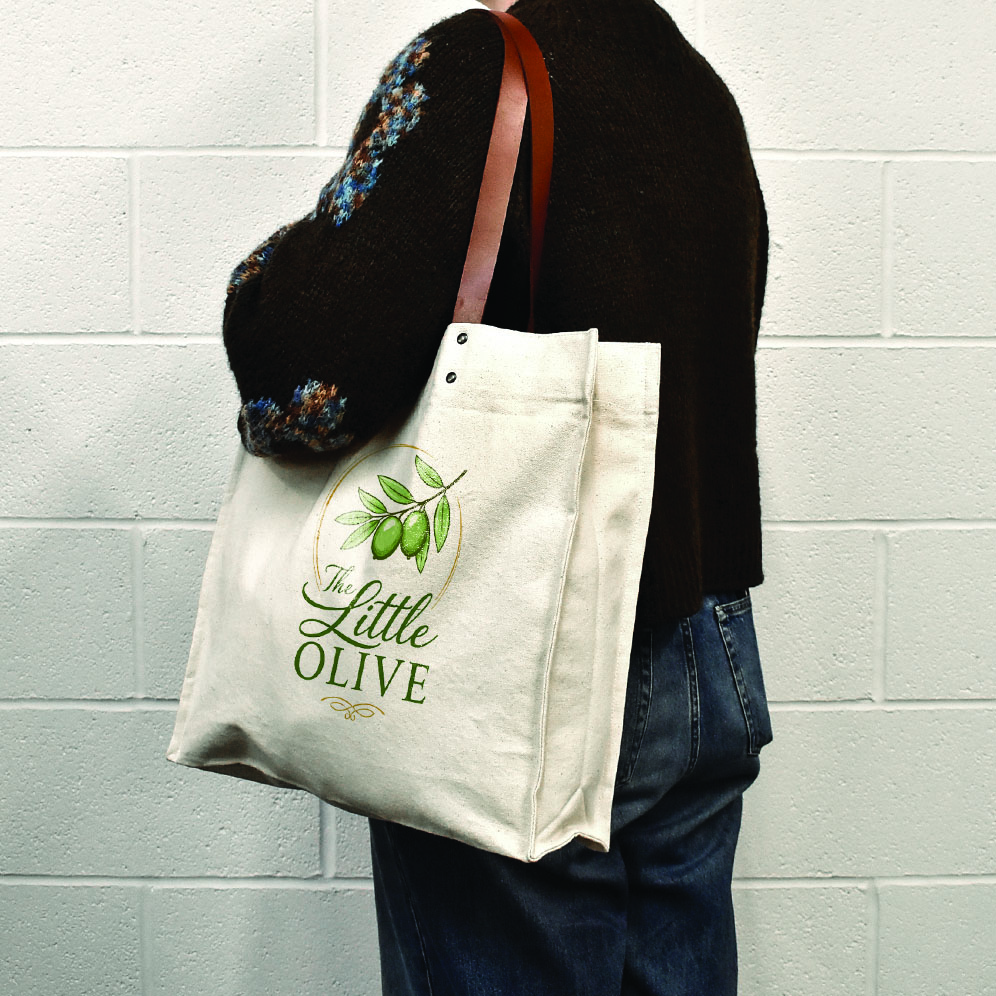
At the heart of this movement is a newly curated addition to the UK’s off-the-shelf merchandise market: the premium canvas bag with leather handles. This is not merely a container for promotional literature; it is a sophisticated hybrid of rugged functionality and professional elegance. By marrying heavy-duty cotton canvas—a material known for its eco-friendly profile and durability—with the refined, tactile luxury of genuine leather, brands are now able to offer a fashion-forward accessory that commands a presence far beyond the conference hall. This bag is designed to transition seamlessly from a high-stakes business meeting to a weekend outing, ensuring that the brand it carries remains integrated into the recipient’s lifestyle for years, not days.
When dissecting why this particular product is changing the game for UK marketing managers, one must look at the three pillars of modern procurement: quality specification, ethical transparency, and logistical agility. The technical specifications of this new canvas-leather hybrid are a far cry from the standard promotional fare. The canvas used is of a superior weight, providing a structural integrity that allows the bag to stand upright and maintain its shape even when empty. The addition of genuine leather handles provides more than just aesthetic appeal; it offers a comfortable grip and a level of durability that synthetic alternatives simply cannot match. Over time, the leather develops a patina, a unique aging process that adds character and reinforces the item’s status as a long-term keepsake rather than a short-term freebie.
However, in 2026, quality alone is insufficient. The modern UK brand is under constant scrutiny regarding its supply chain. Transparency is no longer a luxury; it is a prerequisite for brand survival. This is why the ethical manufacturing of these bags is a cornerstone of their value proposition. Produced in SEDEX-audited facilities, these bags come with a guarantee of social responsibility. A SEDEX (Supplier Ethical Data Exchange) audit is one of the world’s leading collaborative platforms for sharing responsible sourcing data on supply chains. It ensures that the factory adheres to rigorous standards regarding labor rights, health and safety, environmental impact, and business ethics. For a marketing director, this means peace of mind. When they hand over a bag to a high-value client, they are not just handing over a product; they are handing over a story of integrity and ethical commitment.
The logistical challenges of the UK market have also been a historical barrier to high-quality merchandise. In the past, if a company wanted a bespoke, high-end bag, they were often faced with two unappealing options: commit to massive minimum order quantities (MOQs) and wait months for overseas shipping, or settle for lower-quality stock available locally. The new model disrupts this paradigm by offering these premium bags as part of a UK-based off-the-shelf collection. With stock held domestically, the turnaround time is slashed to a mere 10 to 15 days. Perhaps more importantly for SMEs and boutique agencies, the MOQs have been lowered significantly, allowing for small, curated runs of high-value gifts. This agility allows brands to react to market trends and event opportunities with a level of sophistication that was previously reserved for global corporations with massive lead times.
The versatility of the canvas-leather tote makes it an ideal vehicle for various high-stakes scenarios. In the world of executive gifting, it serves as a sophisticated vessel for "welcome kits" or "onboarding packs," signaling to new hires or partners that they are joining an organization that values quality. In the luxury travel and hospitality sector, it functions as a premium beach bag or shopping tote for guests, extending the brand experience long after checkout. Even in the retail sector, these bags are of a high enough caliber to be sold as standalone merchandise, allowing museums, galleries, and high-end boutiques to monetize their brand identity through a product that customers would actually choose to purchase.
The true power of this merchandise, however, lies in its role as a "mobile billboard." The branding potential is expansive, featuring a generous 25x25cm print area on both the front and back panels. This provides ample space for creative expression, whether it be a bold, minimalist logo or a complex, artistic illustration. Because the canvas is of such high quality, it supports a variety of premium decoration methods. Screen printing offers vibrant, durable colors that pop against the natural texture of the fabric. For brands seeking an even more tactile and high-end feel, embroidery or even leather embossing can be utilized. An additional internal pocket offers a space for "hidden" branding—a subtle message or a QR code that creates a private moment of engagement between the brand and the user.
As we look toward the future of brand engagement, the trend is clear: the era of "throwaway swag" is drawing to a close. The environmental impact of millions of discarded promotional items is becoming an unbearable weight for brands to carry, both in terms of ecological footprint and public relations. By investing in a high-quality, durable asset like the canvas bag with leather handles, companies are making a statement about their commitment to sustainability. A bag that lasts for five years replaces hundreds of single-use plastic bags and dozens of cheap promotional totes, representing a far more efficient use of marketing spend and a much lower cost-per-impression over the life of the product.
Ultimately, the introduction of this new gold standard in UK branded merchandise is about respect—respect for the brand, respect for the recipient, and respect for the planet. It is an invitation for businesses to elevate their identity and move away from the noise of disposable marketing. Whether it is being carried through the streets of London, into a boardroom in Manchester, or on a weekend retreat in the Cotswolds, this bag serves as a constant, high-quality reminder of the brand it represents. In a world of digital fleetingness and physical clutter, there is nothing quite as powerful as a well-made, beautiful object that serves a purpose and tells a story of quality. The new standard has been set; the only question remaining for UK businesses is whether they are ready to meet it.