

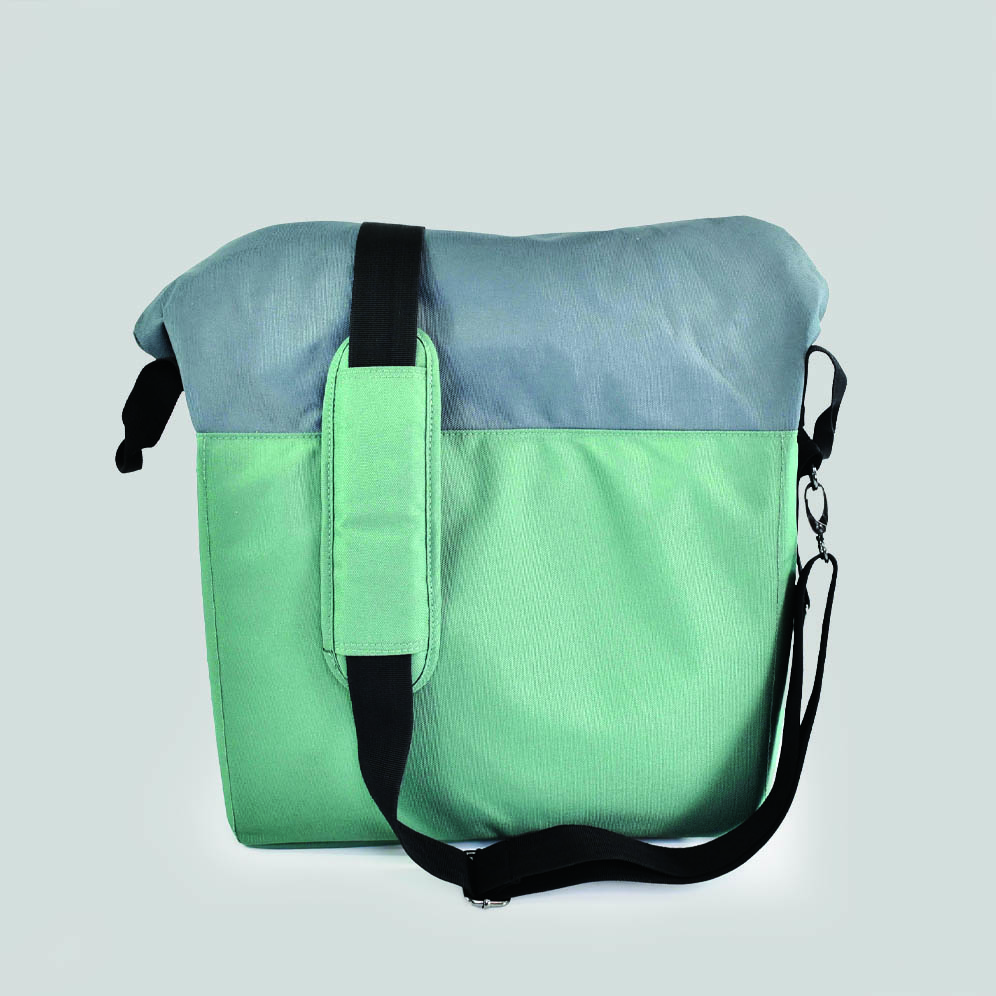
In the modern landscape of promotional marketing, the transition from a "giveaway" to a "lifestyle asset" is the ultimate goal for any brand. Imagine the impact of your logo being present during a customer’s most cherished moments: a perfectly chilled bottle of sparkling water on a sun-drenched beach, or a steaming, home-cooked meal enjoyed on a crisp mountain hike. This is the unique value proposition of the thermal bag. Far from being a mere utility item, a custom-branded thermal bag serves as a high-performance tool that bridges the gap between functional engineering and emotional brand connection. By integrating advanced thermal fabrics into bespoke bag designs, companies can offer more than just a container; they offer a promise of freshness, care, and reliability. To truly leverage this potential, one must understand the intricate science of temperature regulation and the vast array of materials available to create a product that is as durable as it is effective.
The efficacy of a thermal bag is rooted in the fundamental laws of thermodynamics. To keep contents hot or cold, the bag must combat the three primary methods of heat transfer: conduction, convection, and radiation. Thermal fabrics are engineered to address these forces simultaneously. Conduction occurs when heat moves through solid materials; in a bag, this is mitigated by the "insulating core," typically a layer of foam that traps millions of tiny air bubbles. Because air is a poor conductor of heat, these bubbles create a formidable barrier. Convection, the transfer of heat through moving air or liquid, is managed by high-quality closures and airtight linings that prevent "thermal leakage." Finally, radiation—the transfer of heat via electromagnetic waves—is countered by reflective inner linings, often the recognizable silver foil, which bounces radiant energy back toward the source rather than allowing it to penetrate the bag’s walls.
When selecting thermal fabrics for a custom project, the choice of material dictates the bag’s performance profile. The most common and cost-effective insulator is Expanded Polyethylene (EPE) foam. Available in various thicknesses—ranging from 2mm for lightweight lunch bags to 8mm or more for heavy-duty delivery carriers—EPE foam provides the structural integrity and air-trapping capabilities necessary for short-to-medium duration temperature maintenance. For premium applications, closed-cell foams are preferred as they do not absorb moisture, ensuring the bag remains lightweight and mold-resistant even if condensation occurs.
The interior lining is equally critical. While traditional PVC (Polyvinyl Chloride) has long been a staple due to its "wipe-clean" nature, modern brands are increasingly turning to PEVA (Polyethylene Vinyl Acetate). PEVA is a non-chlorinated, phthalate-free alternative that is considered much safer for food contact and more environmentally friendly. These linings are often heat-sealed rather than stitched. Heat-sealing creates a "leak-proof" environment, essential for bags intended to hold ice packs or items prone to spills. This technical detail significantly extends the bag’s lifespan and utility, transforming it from a disposable item into a long-term companion.
The versatility of thermal fabrics allows them to be integrated into an astonishing variety of bag silhouettes, moving far beyond the traditional rectangular cooler. The "Cooler Backpack" has emerged as a favorite for the outdoor and fitness sectors, offering hands-free transport for hikers, festival-goers, and beach enthusiasts. For the corporate world, "Insulated Executive Totes" provide a sophisticated way for professionals to carry healthy, home-prepared meals to the office, aligning the brand with wellness and sustainability. In the pharmaceutical and healthcare industries, specialized thermal bags are indispensable for the safe transport of temperature-sensitive medications and vaccines, where precision is not just a luxury but a clinical necessity. Even the grocery sector has seen a revolution, with high-capacity "Thermal Shoppers" replacing single-use plastic bags and ensuring that frozen goods survive the commute home in peak condition.
Customization is where a brand’s personality truly comes to life. A thermal bag offers an expansive canvas for creative expression, and the choice of decoration method can drastically alter the perceived value of the item. Screen printing remains a popular choice for bold, high-contrast logos, particularly on the rugged polyester or canvas outer shells commonly used for coolers. However, for a more tactile and premium feel, Pantone-matched embroidery allows for intricate detail and a "high-end" retail appearance. For brands seeking a modern, photographic finish, digital transfer printing can capture complex gradients and full-color imagery, making the bag a walking piece of art.
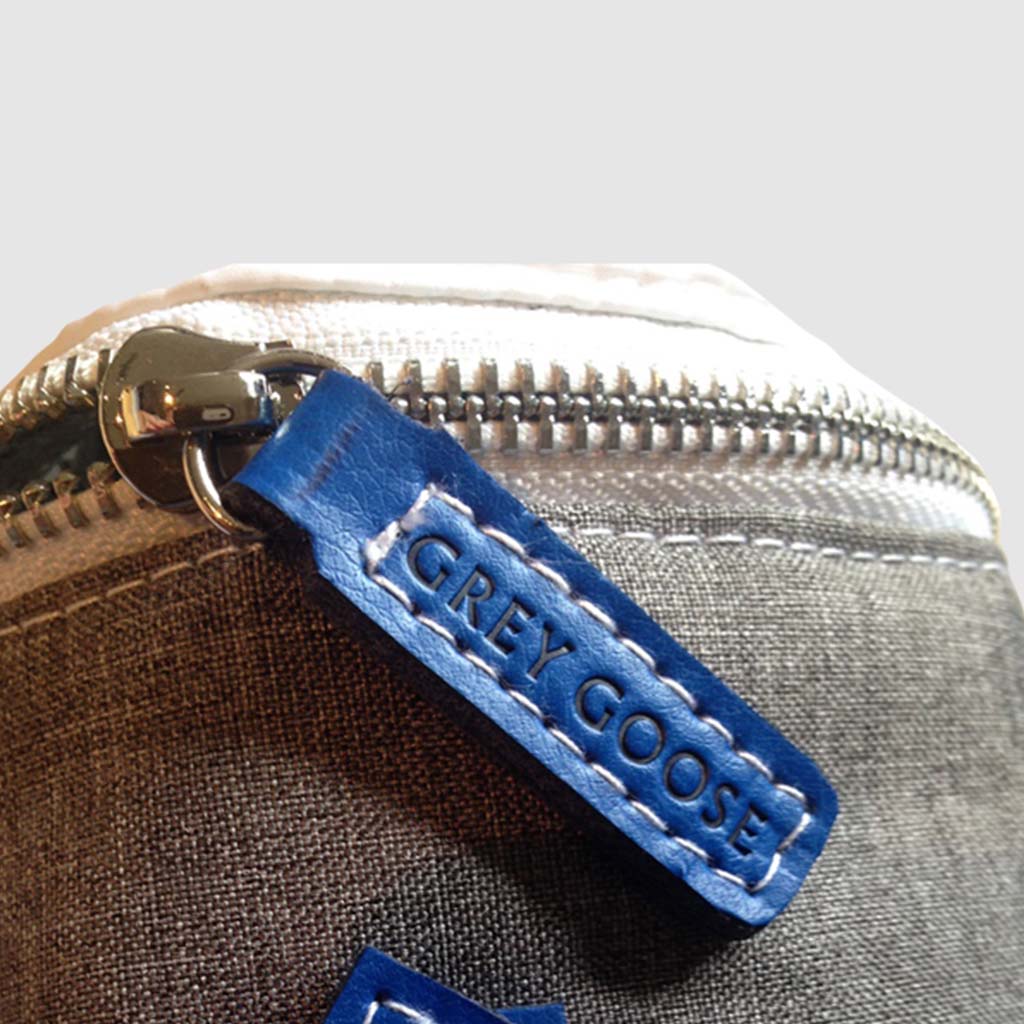
Beyond the primary logo, the "small details" often make the biggest impact. Custom-branded woven labels or silicone badges can be sewn into the side seams, providing a subtle, sophisticated nod to the brand. For a rugged, heritage look, embossed leather or "vegan leather" patches can be applied to the front of the bag, appealing to the premium lifestyle market. The hardware of the bag also offers a branding opportunity; custom-molded zipper pulls featuring a logo or brand icon not only enhance the aesthetic but also improve the ergonomics of the bag, making it easier to open and close.
Functionality can be further enhanced through thoughtful accessorizing. Adjustable, padded shoulder straps are essential for larger cooler bags to ensure comfort during transport. External mesh pockets provide a convenient place for items that don’t require temperature control, such as napkins, cutlery, or dry snacks. Some advanced designs even incorporate integrated bottle openers or reinforced "flat-bottom" bases to prevent the bag from tipping over when placed on uneven surfaces like sand or grass.
In today’s market, the "story" behind a product is as important as the product itself. This is why the choice of outer fabric is increasingly leaning toward sustainable options. Recycled PET (rPET), made from post-consumer plastic bottles, can be transformed into durable 600D polyester, the industry standard for cooler bag exteriors. By choosing rPET, a brand demonstrates a commitment to the circular economy, giving a second life to plastic waste while providing a high-quality product. When paired with a PVC-free lining, the resulting thermal bag becomes a powerful statement of environmental responsibility.
Navigating the complexities of material sourcing, thermal testing, and global manufacturing requires a partner with deep industry expertise. The Bag Workshop stands at the forefront of this niche, offering a comprehensive design-to-delivery service that caters to a global clientele. Whether the goal is to produce a small run of highly bespoke bags for a boutique event or a large-scale production for a multinational retail rollout, the process begins with a consultative approach. Understanding the specific "thermal window" required—how many hours the contents must remain at a certain temperature—allows for the precise calibration of foam thickness and lining type.
The Bag Workshop’s manufacturing network spans the UK, India, and the Far East, providing flexibility in terms of lead times, cost-efficiency, and craftsmanship. Every facility is subject to rigorous and regular audits to ensure compliance with international standards for quality, fair labor practices, and environmental impact. This ethical oversight ensures that the finished product is not only effective as a marketing tool but also produced in a way that aligns with modern corporate social responsibility (CSR) goals.

Ultimately, a custom thermal bag is an investment in the customer relationship. It is a gift of convenience and quality that remains in use for years, providing thousands of brand impressions over its lifetime. It speaks to a brand’s attention to detail and its desire to provide genuine utility. In a world of fleeting digital advertisements, the physical presence of a well-crafted, high-performance thermal bag offers a tangible touchpoint that keeps a brand "cool" in the eyes of its audience, regardless of the weather outside. From the initial concept and the selection of cutting-edge thermal fabrics to the final finishing touches of embroidery and custom hardware, the journey of creating a bespoke thermal bag is an exercise in excellence. By partnering with experts who understand both the science of insulation and the art of branding, companies can turn a simple carryall into a powerful ambassador for their vision.