

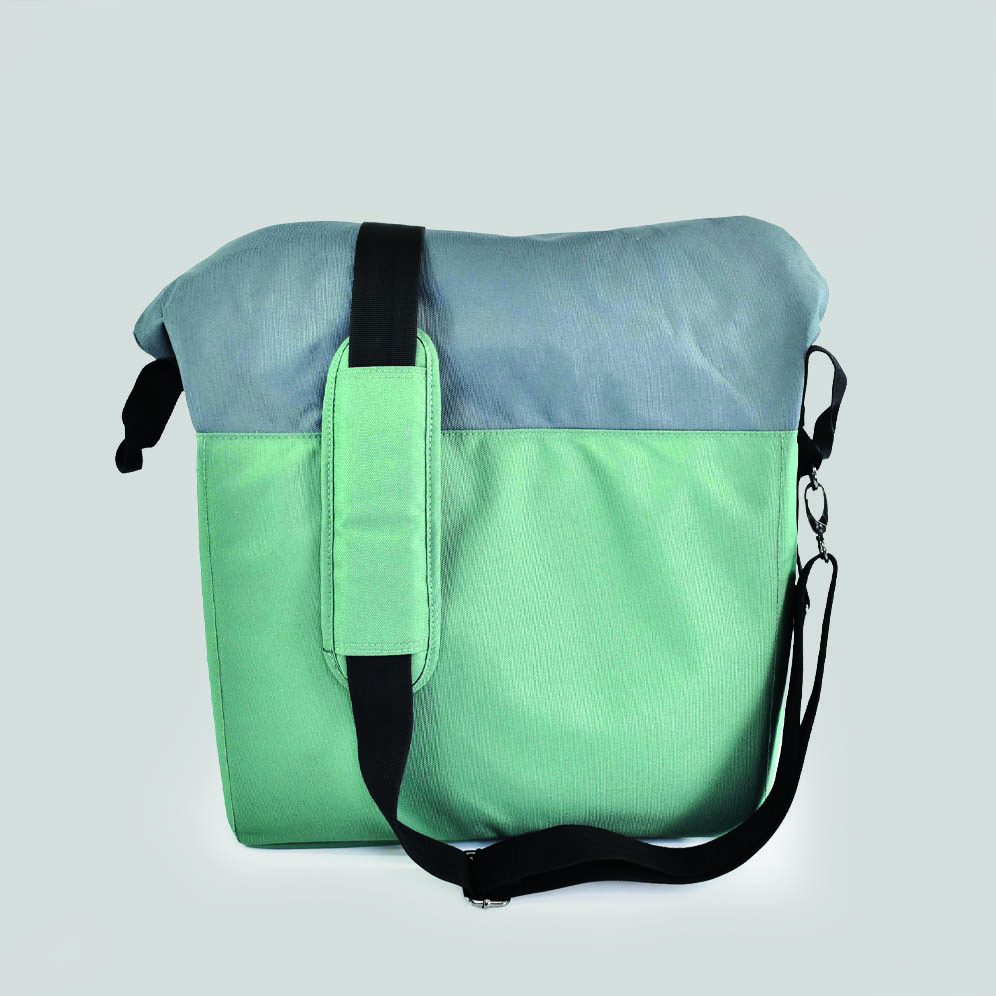
In the modern landscape of promotional marketing, the transition from disposable "swag" to high-utility branded assets has become the defining factor in successful consumer engagement. Among the most effective tools in this evolution is the custom thermal bag—a product that bridges the gap between everyday convenience and sophisticated material science. Whether it is a commuter keeping their morning espresso piping hot during a winter train ride or a family ensuring their perishables remain chilled on a sweltering beach day, the thermal bag provides a tangible service that fosters deep brand loyalty. This is not merely a container; it is a portable climate-controlled environment that reflects a brand’s commitment to quality, functionality, and the user’s personal well-being. By understanding the intricate textiles and engineering principles behind thermal insulation, businesses can transform a simple carry-all into a high-performance marketing vehicle.
The effectiveness of any thermal bag is rooted in the fundamental laws of thermodynamics. To understand how these bags function, one must look at the three ways heat moves: conduction, convection, and radiation. Thermal fabrics are specifically engineered to combat these three forces simultaneously. Conduction occurs when heat moves through solid materials; thermal bags mitigate this by using low-conductivity foam layers, such as Expanded Polyethylene (EPE). Convection involves the movement of heat through air or liquid; by sealing the bag with airtight zippers and thick insulation, the internal microclimate is isolated from the external atmosphere. Finally, radiation is the transfer of heat through electromagnetic waves. This is where the "silver lining" comes into play—typically a layer of aluminum foil or metalized polyester (Mylar) that reflects radiant heat back toward the source, keeping cold items cold and hot items hot.
When selecting materials for a custom bag project, the choice of thermal fabric determines both the price point and the performance level. The most common configuration is a "sandwich" construction. The outer shell is usually a durable, high-denier polyester or nylon, chosen for its resistance to abrasions and its ability to take vibrant dyes and prints. Beneath this lies the heart of the bag: the insulation layer. EPE foam is the industry standard due to its lightweight nature and excellent thermal resistance. For premium applications, closed-cell foam provides even greater density, preventing the "crushing" of air pockets over time and maintaining insulation properties for years. The innermost layer is the lining, where PEVA (Polyethylene Vinyl Acetate) has largely superseded traditional PVC. PEVA is favored for being chlorine-free and phthalate-free, making it food-safe and more environmentally friendly while remaining entirely waterproof and easy to sanitize.
The versatility of thermal bags allows them to permeate almost every sector of the economy. In the corporate world, high-end thermal backpacks have become the "new briefcase," catering to a workforce that prioritizes health, meal-prepping, and outdoor activities. In the pharmaceutical industry, custom-branded thermal pouches are essential for the safe transport of temperature-sensitive medications like insulin or vaccines, providing a service that is literally life-saving. Even the luxury retail sector has embraced the thermal trend, with high-fashion brands offering insulated wine totes and gourmet food carriers that use premium fabrics like waxed canvas or vegan leather on the exterior while hiding high-tech thermal barriers on the inside.
Designing a bespoke thermal bag requires a keen eye for both aesthetics and ergonomics. A common pitfall in bag design is neglecting the "human element" of the product’s lifecycle. For instance, a thermal bag used for food and drink is inevitably subject to spills. Therefore, integrating a leak-proof, heat-sealed lining—rather than a stitched one—is crucial. Stitched seams create needle holes where liquids can seep into the insulation, leading to mold and unpleasant odors. By using radio-frequency (RF) welding or heat-sealing, manufacturers can create a seamless, waterproof interior that can be wiped clean in seconds. Furthermore, the addition of "smart" features such as dedicated pockets for ice packs, antimicrobial coatings on the lining, and heavy-duty, water-resistant zippers can elevate a standard cooler bag into a professional-grade piece of equipment.
Customization is where a brand truly makes its mark, and the options available today are limited only by the imagination. Beyond simple logo placement, businesses can opt for full-surface sublimation printing, allowing for photographic-quality designs that cover every square inch of the bag’s exterior. For a more understated, premium feel, Pantone-matched embroidery or 3D rubberized badges offer a tactile quality that suggests longevity and craftsmanship. Even the hardware—the buckles, zippers, and strap adjusters—can be customized. Matte black metal hardware can give a bag an "urban tactical" look, while bright, high-visibility plastics might suit a brand focused on safety or family fun.
The psychological impact of a high-quality thermal bag should not be underestimated. When a customer receives a promotional item that solves a daily problem—like keeping their lunch fresh—the brand associated with that solution is viewed with gratitude. This creates a "positive feedback loop" every time the bag is used. Moreover, because thermal bags are often used in public spaces—parks, offices, sporting events, and grocery stores—they act as mobile billboards. A well-designed, stylish thermal bag can generate thousands of impressions over its lifespan, offering a significantly higher return on investment than digital advertising or disposable print media.
In an era where sustainability is a primary concern for consumers, the thermal bag stands out as an eco-friendly choice. By encouraging the use of reusable containers and reducing the reliance on single-use plastics and paper bags, thermal carriers align a brand with green initiatives. Many modern thermal bags are now constructed using RPET (Recycled Polyethylene Terephthalate), which is made from post-consumer plastic bottles. Combining RPET outer fabrics with biodegradable or highly recyclable linings allows a company to tell a powerful story about its commitment to the planet. This "cradle-to-cradle" approach to product design is increasingly becoming a requirement for modern tenders and retail partnerships.
Navigating the complexities of global manufacturing is the final piece of the puzzle. Producing a high-quality thermal bag involves a sophisticated supply chain, often stretching from textile mills in India to specialized assembly plants in the Far East or high-tech facilities in the UK. Partnering with a manufacturer that prioritizes ethical auditing—such as SEDEX or BSCI compliance—ensures that the brand’s reputation is protected throughout the production process. Quality control is paramount, particularly when dealing with thermal properties; rigorous testing of seam strength, zipper durability, and "cold-retention" times ensures that the final product meets the specifications promised to the end-user.
In conclusion, the custom thermal bag represents a perfect synergy of science and marketing. It is a product that demands to be used, not tucked away in a drawer. By leveraging advanced materials like EPE foam and PEVA linings, and by utilizing modern decoration techniques from embroidery to digital printing, brands can create a functional masterpiece. Whether the goal is to reward employees, entice new customers, or provide a specialized tool for a specific industry, the power of thermal fabrics offers a unique opportunity to keep a brand "cool" in a crowded marketplace. As we look toward the future of promotional merchandise, the focus will continue to shift toward items that offer genuine utility and long-term value—criteria that the thermal bag meets with flying colors. Transforming a vision into a physical product requires expertise, but the result is a branded asset that speaks volumes about a company’s standards and its appreciation for its audience.