

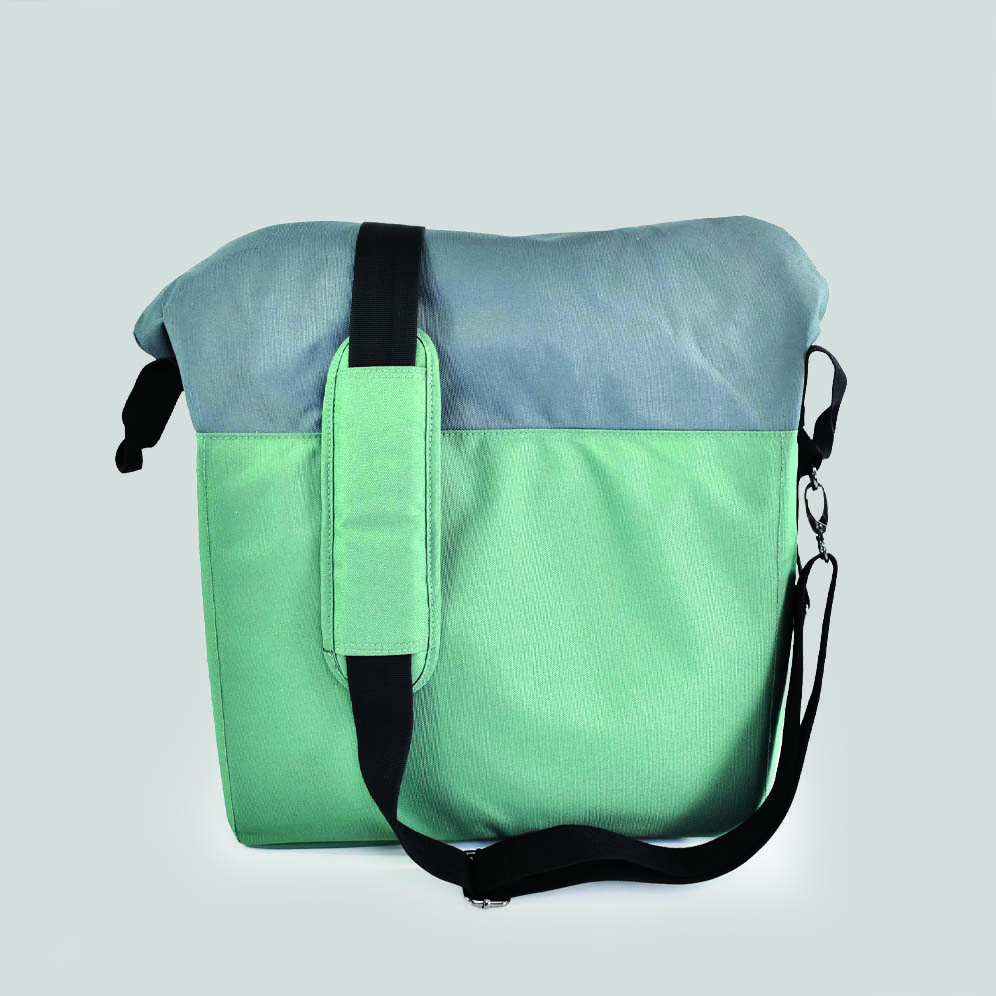
In the contemporary landscape of promotional marketing, the transition from "disposable" to "durable" has become the gold standard for brand longevity. Imagine the scene: a sweltering July afternoon where a customer reaches into a sleek, branded backpack and retrieves a bottle of water that is still condensation-cold, or a crisp November morning where a professional enjoys a steaming, home-cooked meal in the middle of a busy city park. These moments of micro-comfort are not accidental; they are the result of sophisticated thermal engineering integrated into bespoke bag design. Thermal bags have transcended their humble origins as mere picnic accessories to become high-utility, mobile billboards that provide genuine value to the end-user. By understanding the intricate science and vast design potential of thermal fabrics, businesses can transform a simple promotional item into a powerful, long-lasting brand asset that resonates with quality and care.
To appreciate the value of a high-quality custom thermal bag, one must first understand the invisible battle it wages against the laws of thermodynamics. Heat transfer occurs through three primary channels: conduction, convection, and radiation. A standard bag offers no defense against these forces, allowing ambient temperatures to quickly equalize with the contents. However, a bag engineered with specialized thermal textiles acts as a multi-layered shield. The core of this technology usually involves a "sandwich" construction. The outer layer provides durability and aesthetic appeal, the middle layer—often comprised of high-density expanded polyethylene (EPE) foam—acts as the primary insulator by trapping millions of tiny air bubbles to thwart conduction, and the inner lining reflects radiant heat back to its source. Whether the goal is to keep a vaccine stable, a lunch fresh, or a chemical compound at a specific viscosity, the science of thermal fabrics provides the solution.
The diversity of thermal materials available today allows for a level of customization that was previously impossible. While many are familiar with the classic "silver" foil lining, modern manufacturers now offer a spectrum of internal materials tailored to specific needs. PEVA (Polyethylene Vinyl Acetate), for instance, has become a preferred choice for food-grade applications because it is PVC-free, odorless, and highly resistant to mold and mildew. These linings are not just functional; they are designed for the rigors of daily life. By integrating "wipe-clean" technology, designers ensure that a spilled yogurt or a leaking water bottle doesn’t spell the end of the bag’s lifespan. This ease of maintenance is a critical factor in the "utility-to-brand-loyalty" pipeline; the longer a bag remains clean and functional, the longer the brand’s logo remains in the public eye.
When we move beyond the science and into the realm of application, the versatility of thermal fabrics truly shines. The modern marketplace demands more than just a rectangular cooler box. We are seeing a surge in thermal-lined executive laptop bags, where a dedicated side compartment keeps a commuter’s smoothie cold while their electronics remain safe in a separate, padded section. In the pharmaceutical and wellness sectors, small, discreet thermal pouches are being used to transport insulin or temperature-sensitive skincare products, offering a blend of medical necessity and high-end fashion. Even the grocery industry has been revolutionized by heavy-duty thermal totes that allow consumers to transport frozen goods across long distances without the fear of defrosting. For a brand, this means the opportunity to be present in diverse environments—from the gym and the office to the beach and the grocery store.
The true power of a custom project, however, lies in the ability to marry this high-level functionality with bespoke aesthetics. A thermal bag is a three-dimensional canvas, and the options for decoration are nearly limitless. Sophisticated branding goes far beyond a simple screen-printed logo. High-end brands often opt for Pantone-matched embroidery, where the thread colors are precisely calibrated to align with corporate identity guidelines, creating a tactile, premium feel. For more intricate designs or photographic elements, digital printing offers a way to wrap the entire bag in a brand’s visual narrative. The choice of outer fabric also plays a pivotal role; one might choose a rugged, 600D polyester for an outdoor-themed promotion or a refined, eco-friendly rPET (recycled polyethylene terephthalate) fabric to signal a commitment to environmental sustainability.
To further elevate a custom thermal bag, one must look at the "micro-details"—the small additions that signal quality to the user. Labels and badges serve as the "signature" of a well-crafted product. Woven labels provide a classic, understated look, while embossed or debossed leather (or vegan leather) badges add a touch of luxury and heritage. Metal badges or custom-molded rubber (PVC) patches can provide a modern, tech-forward aesthetic. Even the functional components of the bag can be customized; zipper pulls can be molded into the shape of a logo, and adjustable straps can be woven with brand-specific patterns or slogans. These elements work together to create a product that feels less like a "giveaway" and more like a high-end retail item that the recipient will want to use repeatedly.
In an era where consumers are increasingly conscious of the ethics behind their products, the manufacturing process is just as important as the final design. Partnering with a manufacturer like The Bag Workshop ensures that the journey from concept to delivery is handled with professional rigor and ethical oversight. Quality thermal bags require precision in assembly—seams must be tight to prevent thermal leakage, and linings must be heat-sealed to ensure they are leak-proof. By utilizing audited facilities in the UK, India, and the Far East, brands can ensure that their products are manufactured under fair labor conditions and meet stringent social and environmental compliance standards. This transparency is no longer optional; it is a core component of brand reputation.
Furthermore, the integration of eco-credentials into thermal bag design has moved from a niche requirement to a mainstream expectation. Many brands are now requesting "green" thermal solutions, such as using insulation made from recycled textiles or natural fibers like wool, which has incredible inherent thermal properties. The outer shells can be made from organic cotton, hemp, or recycled ocean plastics. When a brand provides a customer with a thermal bag that is both highly functional and environmentally responsible, it creates a powerful emotional connection. It demonstrates that the brand is thinking about the future, not just the next quarterly report.
The logistics of producing a bespoke thermal bag are also a critical consideration for any marketing manager or business owner. Navigating the complexities of international shipping, customs duties, and lead times requires a partner with global reach and local expertise. A streamlined process—from the initial design consultation and prototype development to the final quality control checks and global distribution—ensures that the project stays on budget and on schedule. This end-to-end service allows brand managers to focus on their creative vision while the technical and logistical hurdles are managed by specialists.
Ultimately, the investment in a custom thermal bag is an investment in the "experience economy." We live in a world where consumers are inundated with digital noise; a physical product that solves a real-world problem—like a lukewarm drink or a spoiled lunch—cuts through that noise with remarkable efficiency. It is a gift of convenience and comfort. Every time the bag is used, it reinforces a positive association with the brand. It suggests that the company is practical, thoughtful, and committed to quality. Whether it is a limited-edition artist collaboration, a corporate milestone gift, or a high-volume retail product, the thermal bag stands as a testament to the power of functional design. By leveraging the science of thermal fabrics and the artistry of bespoke customization, your brand can stay "cool" in the eyes of your customers, regardless of the temperature outside. The Bag Workshop remains dedicated to turning these visions into tangible realities, ensuring that your next promotional project is not just a bag, but a high-performance asset that carries your brand into the daily lives of your audience.