

In the contemporary landscape of corporate strategy, the physical artifacts a company chooses to represent itself are no longer mere afterthoughts; they are potent symbols of a brand’s internal values and its respect for its audience. For decades, the promotional merchandise industry was defined by a race to the bottom, a relentless pursuit of the lowest unit price that resulted in an inundation of what many industry insiders now derisively call "landfill swag." We have all encountered these items: the ballpoint pens that fail after three sentences, the synthetic t-shirts that lose their shape after a single wash, and the ubiquitous, flimsy tote bags that are so thin they are translucent. These objects do not just fail to provide utility; they actively erode brand equity by signaling a lack of care for quality and a disregard for environmental sustainability. As we move deeper into an era defined by conscious consumerism and rigorous ESG (Environmental, Social, and Governance) standards, the "throwaway culture" is becoming a significant liability for British businesses.
Recognizing this seismic shift in market expectations, a new benchmark is being set for branded merchandise in the United Kingdom. The introduction of the premium canvas bag with genuine leather handles represents more than just a new product launch; it is a manifesto for a more sophisticated, ethical, and durable approach to corporate gifting. This is a retail-quality accessory designed for a discerning demographic that values tactile luxury and long-term functionality. By moving away from disposable promotional items and toward high-end, "anti-swag" alternatives, brands can transform a simple giveaway into a lasting relationship-building tool.
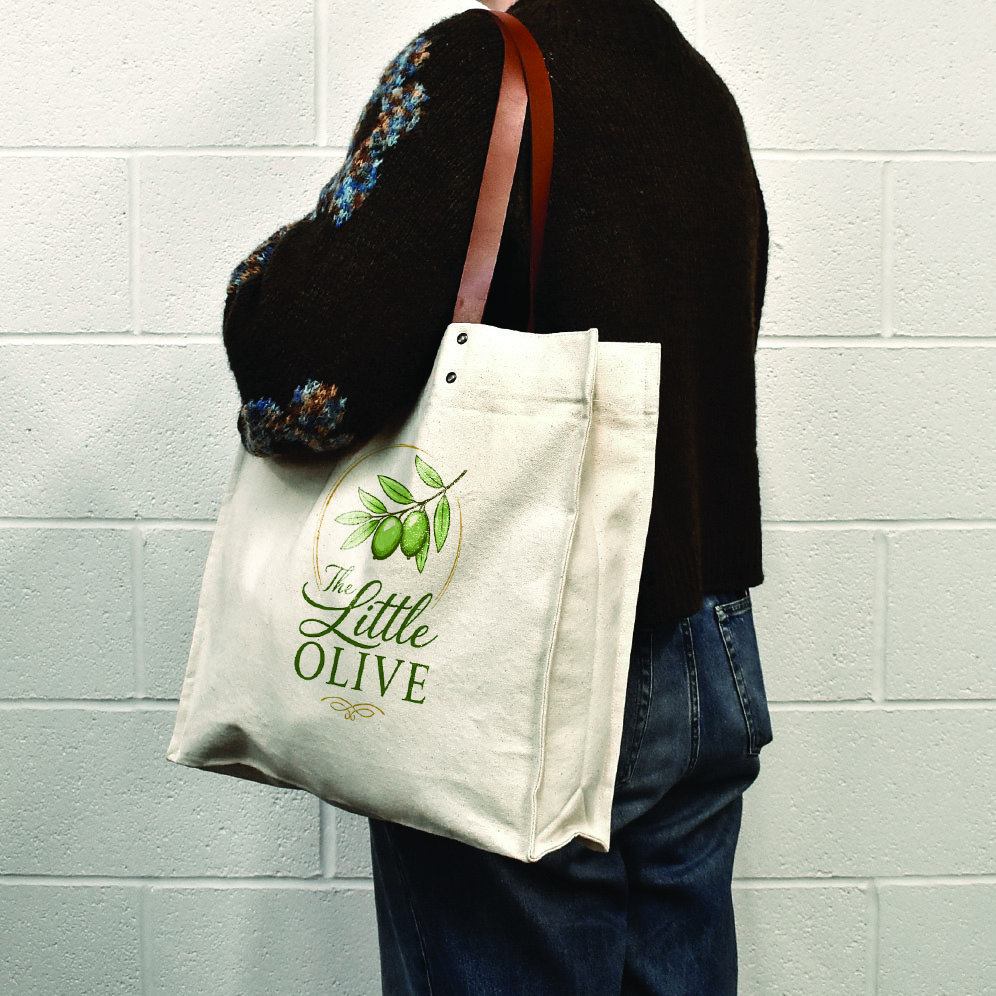
The psychology of gifting suggests that the perceived value of an object is directly proportional to the level of respect the recipient feels from the giver. When a marketing manager hands over a heavy-duty, aesthetically pleasing canvas bag, they are not just providing a container for documents or groceries; they are offering a piece of craftsmanship. The specific engineering of this new UK collection reflects this philosophy. Constructed from high-density, heavy-duty cotton canvas, the bag offers a structural integrity that light-weight alternatives simply cannot match. This choice of material is intentional; cotton is a natural, biodegradable fiber that offers a rugged yet refined texture. Over time, high-quality canvas develops a character of its own, resisting the fraying and tearing common in cheaper weaves.
The inclusion of genuine leather handles further elevates the product from a promotional tool to a fashion-forward accessory. Leather is a material synonymous with professional longevity and classic style. Unlike nylon or polyester webbing, leather handles provide a comfortable grip and a premium aesthetic that fits seamlessly into both a boardroom and a weekend setting. To ensure these handles can withstand the rigors of daily use, they are secured with reinforced metal rivets. This attention to detail—the marriage of organic cotton, natural leather, and industrial-grade hardware—ensures that the bag remains a staple in the user’s life for years, rather than days. This longevity is the ultimate goal of any branding exercise: consistent, long-term exposure.
However, in 2026, a product’s physical attributes are only half of the story. The modern consumer—and by extension, the modern corporate client—is deeply concerned with the "how" and the "where" of production. Transparency is the new currency of brand trust. To address this, the new gold standard in UK merchandise is underpinned by rigorous ethical certifications. These premium canvas bags are manufactured in facilities audited by SEDEX (the Supplier Ethical Data Exchange). For the uninitiated, a SEDEX audit is one of the world’s leading ethical trade service providers, focusing on four key pillars: labor standards, health and safety, the environment, and business ethics.
When a UK business chooses a SEDEX-audited product, they are insulating their brand from the reputational risks associated with exploitative labor practices or environmental negligence. This ethical pedigree allows marketing teams to tell a story of responsibility. It transforms the bag from a silent object into a testament to the company’s commitment to global citizenship. In a market where "greenwashing" is frequently called out, having a verifiable, audited supply chain is an essential component of a successful marketing strategy.
The logistical challenges of the UK market have also been a driving force behind this new collection. Historically, businesses seeking this level of quality were often forced to look toward large-scale overseas manufacturing, which brought with it the complications of long lead times, high carbon footprints from international shipping, and the necessity of ordering thousands of units to make the cost viable. The new UK off-the-shelf model disrupts this paradigm. By maintaining significant stock levels within the UK, the barrier to entry for high-end merchandise has been drastically lowered.
One of the most significant innovations in this space is the reduction of Minimum Order Quantities (MOQs). High-quality, leather-trimmed bags are now available for orders as small as 50 units. This democratization of premium merchandise allows small-to-medium enterprises (SMEs) and organizers of boutique events to compete with the branding power of multinational corporations. Furthermore, the speed of delivery has been optimized for the fast-paced British business environment. With the ability to brand and dispatch items within 10 working days, companies no longer need to plan their promotional strategy six months in advance. This agility is crucial for responding to sudden market opportunities, last-minute conference invites, or internal corporate milestones.
The branding potential of the canvas-and-leather hybrid is equally impressive. A bag is essentially a mobile billboard, but its effectiveness depends on the quality of the "canvas" and the visibility of the message. This new collection provides a generous 25x25cm print area on both the front and back, allowing for bold, high-impact designs. Because the base material is a premium, stable cotton, it supports a variety of sophisticated decoration techniques. Beyond standard screen printing, these bags are ideal for digital transfers that capture intricate details and embroidery that adds a three-dimensional, tactile element to a logo.
Furthermore, the design includes an internal pocket—a feature often omitted in promotional totes to save costs. This pocket serves a dual purpose: it adds functional value for the user (providing a secure place for a phone or keys) and offers an additional branding opportunity. A subtle, "hidden" message printed inside the pocket can create a sense of exclusivity and "surprise and delight" for the recipient, further strengthening the emotional connection to the brand.
The versatility of this product makes it suitable for a wide array of sectors. In the luxury real estate market, these bags serve as the perfect "welcome home" gift for new homeowners, filled with local artisanal products. In the tech sector, they provide a sophisticated alternative to the "geeky" nylon backpack, offering a more mature aesthetic for executive retreats and high-level summits. For retail brands, they function as high-end "gift with purchase" items that customers will actually value and reuse, effectively extending the brand’s reach into the streets and cafes of the UK.
Ultimately, the shift toward the "Gold Standard" in branded merchandise is a reflection of a broader cultural movement toward quality over quantity. The era of mindless consumption is being replaced by an appreciation for items that are built to last, ethically sourced, and beautifully designed. By choosing a canvas bag with leather handles, UK businesses are making a clear statement: they value their brand, they value their clients, and they value the planet. This is not just about giving away a bag; it is about elevating the entire perception of what a brand stands for. In the competitive landscape of the mid-2020s, that distinction is what separates the market leaders from the rest. The investment in premium merchandise is, at its core, an investment in the longevity and integrity of the brand itself.