

The global beverage landscape is currently undergoing a seismic shift, driven by a generation of consumers who are increasingly "sober-curious" and health-conscious. As the demand for non-alcoholic alternatives skyrockets, brands are no longer just competing on taste; they are competing on lifestyle, wellness, and the "vibe" they provide. Enter Collider, a disruptive force in the drinks industry that has moved beyond the simple "alcohol-free" label to offer something more transformative: a mood-boosting beer. To cement its place in this competitive market, Collider recognized that its physical presence needed to extend beyond the glass. This realization led to a landmark collaboration with The Bag Workshop to create a custom-made canvas landscape bag—a piece of "functional fashion" designed to act as a primary brand ambassador.
Collider’s entry into the market was predicated on a unique value proposition. Unlike traditional non-alcoholic beers that often focus on what they lack (alcohol), Collider focuses on what it adds. By utilizing ingredients designed to help consumers unwind and achieve a gentle, natural "buzz" without the subsequent hangover, the brand targets the ritual of the evening wind-down. However, a digital-first beverage brand faces a significant hurdle: tangibility. In a world of fleeting social media ads, how does a brand become a permanent fixture in a customer’s life? The answer lies in high-quality, desirable merchandise that aligns with the brand’s premium positioning.
When Collider approached The Bag Workshop, the brief was specific and ambitious. They didn’t want a generic, flimsy tote bag that would be relegated to the back of a cupboard. They required a "hero" item—a bespoke canvas landscape bag that reflected their innovative spirit. The "landscape" orientation was a deliberate choice. While most promotional totes are portrait-oriented, a landscape bag offers a wider, more modern silhouette. This provides a broader "canvas" for visual storytelling and gives the item a more retail-quality feel, akin to a high-end weekend bag or a designer shopper rather than a giveaway item.
The design process began with a deep dive into material science and aesthetics. The Bag Workshop, known for its meticulous approach to bespoke manufacturing, worked closely with Collider to select the perfect substrate. They settled on a heavy-duty, high-GSM (grams per square meter) canvas. This choice was critical; the weight of the canvas dictates the bag’s structure. For a brand like Collider, which prides itself on "body" and "substance" in its beer, a thin fabric would have been a brand misalignment. The selected canvas provided a robust architecture, allowing the bag to maintain its shape even when empty, and ensuring it could withstand the weight of several six-packs of beer.
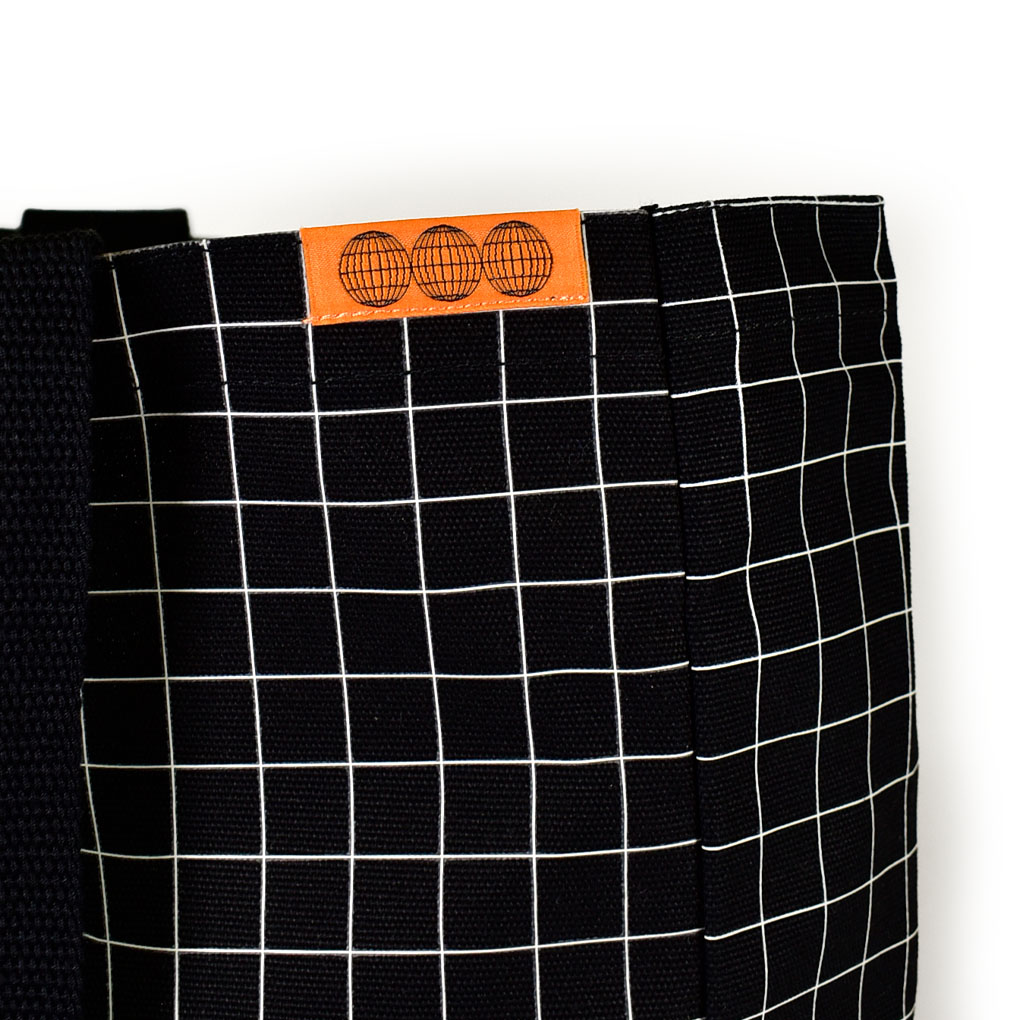
The visual identity of the bag was achieved through a sophisticated multi-layered branding strategy. The centerpiece of the design was an all-over print featuring a striking white check pattern against a deep black background. This geometric precision required expert screen-printing techniques to ensure the lines remained crisp across the seams and gussets. To add a tactile, premium element, the Collider logo was not merely printed but embroidered. Embroidery offers a three-dimensional quality and a longevity that ink cannot match, signaling to the consumer that this is a luxury item. Furthermore, a vibrant orange woven label was integrated into the top seam. This small but "pop" of color served as a signature detail, much like the "red tab" on a pair of iconic jeans, providing instant brand recognition from a distance.
Functionality was the next pillar of the project. A bag is only an effective marketing tool if people actually use it. To ensure daily utility, the design included a generous gusset and side panels. In the world of bag manufacturing, the gusset is the extra fabric that allows the bag to expand, providing depth. This turned a flat tote into a high-capacity carrier. The handles were another point of focus; rather than simple fabric strips, The Bag Workshop utilized reinforced webbed handles. These were engineered for comfort during shoulder-carry, ensuring that whether the user was heading to a beach, a grocery store, or a social gathering, the bag remained a comfortable companion.
The manufacturing phase of the Collider project highlights the complexities of global supply chains and the importance of ethical oversight. The Bag Workshop manages a sophisticated network of production facilities in China, but they distinguish themselves through a rigorous commitment to social responsibility. In an era where consumers demand transparency, Collider needed to be certain that their merchandise was produced under fair labor conditions. The Bag Workshop’s partners are subject to strict audits, ensuring that environmental regulations and workers’ rights are upheld. This ethical backbone allowed Collider to market the bags with a clear conscience, reinforcing their brand ethos of "well-being."
Quality control was perhaps the most vital stage of the collaboration. To maintain the "premium" promise, The Bag Workshop implemented a multi-stage independent quality control (QC) protocol. This began during the production line phase, where individual components were inspected before assembly. Once the bags were completed, they underwent a final AQL (Acceptable Quality Level) inspection. This statistical sampling method ensures that the entire batch meets specific standards for stitching density, print alignment, and structural integrity. By the time the bags reached Collider’s distribution center, they had been vetted to ensure that not a single loose thread or misaligned logo would tarnish the brand’s reputation.
The impact of the custom-made canvas landscape bag was immediate. In the marketing world, these items are often referred to as "walking billboards." When a customer carries a Collider bag through a crowded city center or a busy park, they are providing a peer-to-peer endorsement that is far more powerful than a paid advertisement. The bag’s unique landscape shape and bold check pattern acted as a "pattern interrupt," catching the eyes of passersby and sparking curiosity about the brand.
Moreover, the bag became a versatile tool in Collider’s broader marketing arsenal. It wasn’t just sold as merchandise; it was used for influencer seeding kits, high-value "gift with purchase" (GWP) promotions, and as a centerpiece for social media giveaways. The aesthetic appeal of the bag made it highly "Instagrammable," encouraging users to share photos of their "Collider haul," thereby generating organic, user-generated content (UGC) that further amplified the brand’s reach. This synergy between a physical product and digital engagement is the holy grail of modern brand building.
Reflecting on the project, the success of the Collider landscape bag serves as a case study in why "off-the-shelf" solutions often fail innovative brands. A standard promotional bag might have been cheaper and faster to produce, but it would have lacked the soul and the durability required to represent a market disruptor. By choosing a bespoke path, Collider invested in an asset that grows in value over time. As the bags age and develop a "worn-in" character, they continue to tell the story of a brand that cares about quality, design, and the consumer experience.
The Bag Workshop’s role in this journey was more than just that of a supplier; they acted as a design and manufacturing partner. Their ability to translate a beverage brand’s "mood-boosting" essence into a textile product demonstrates a high level of creative empathy and technical skill. This collaboration underscores a fundamental truth in the modern economy: the most successful brands are those that can bridge the gap between the sensory experience of their product (the taste of a beer) and the lifestyle aspirations of their audience (the style of their accessories).
As the non-alcoholic beverage sector continues to evolve, the lessons from the Collider project remain highly relevant. For any brand looking to make a lasting impression, the physical touchpoints of the brand must be as innovative as the product itself. The custom-made canvas landscape bag is not just a container for groceries or gym gear; it is a symbol of a conscious lifestyle choice, a piece of high-quality craftsmanship, and a testament to the power of thoughtful, bespoke design. For Collider and The Bag Workshop, this project was not just about making a bag—it was about crafting a connection that lingers long after the last sip of beer is gone.