

The global beverage industry is currently undergoing a seismic shift. As consumers increasingly prioritize wellness, mental clarity, and "sober-curiosity," the demand for sophisticated alternatives to traditional alcohol has skyrocketed. Into this vibrant, competitive arena stepped Collider, a brand that doesn’t just offer a substitute for beer, but a functional evolution of it. Collider’s "mood-boosting" alcohol-free beer promises the social "buzz" and relaxation of a standard brew without the physiological toll of a hangover. However, for a disruptive brand to survive the transition from a niche startup to a household name, it requires more than just a superior liquid product; it needs a physical identity that resonates in the real world. This is the story of how Collider partnered with The Bag Workshop to create a custom-made canvas landscape bag—a piece of "hero" merchandise designed to turn customers into community ambassadors.
In the modern marketing landscape, the "digital-first" approach often leaves brands feeling ephemeral. While Instagram ads and influencer shout-outs drive initial awareness, they lack the tactile permanence of high-quality physical goods. Collider recognized this gap early in their journey. They needed a promotional item that mirrored the premium, innovative nature of their beverage—something that felt durable, fashionable, and inherently useful. The challenge was to move away from the "disposable" feel of standard promotional totes and toward a bespoke accessory that a consumer would feel proud to carry to a beach, a grocery store, or a social gathering. This led them to the specialists at The Bag Workshop, a firm renowned for its ability to translate complex brand ethos into high-end textile products.
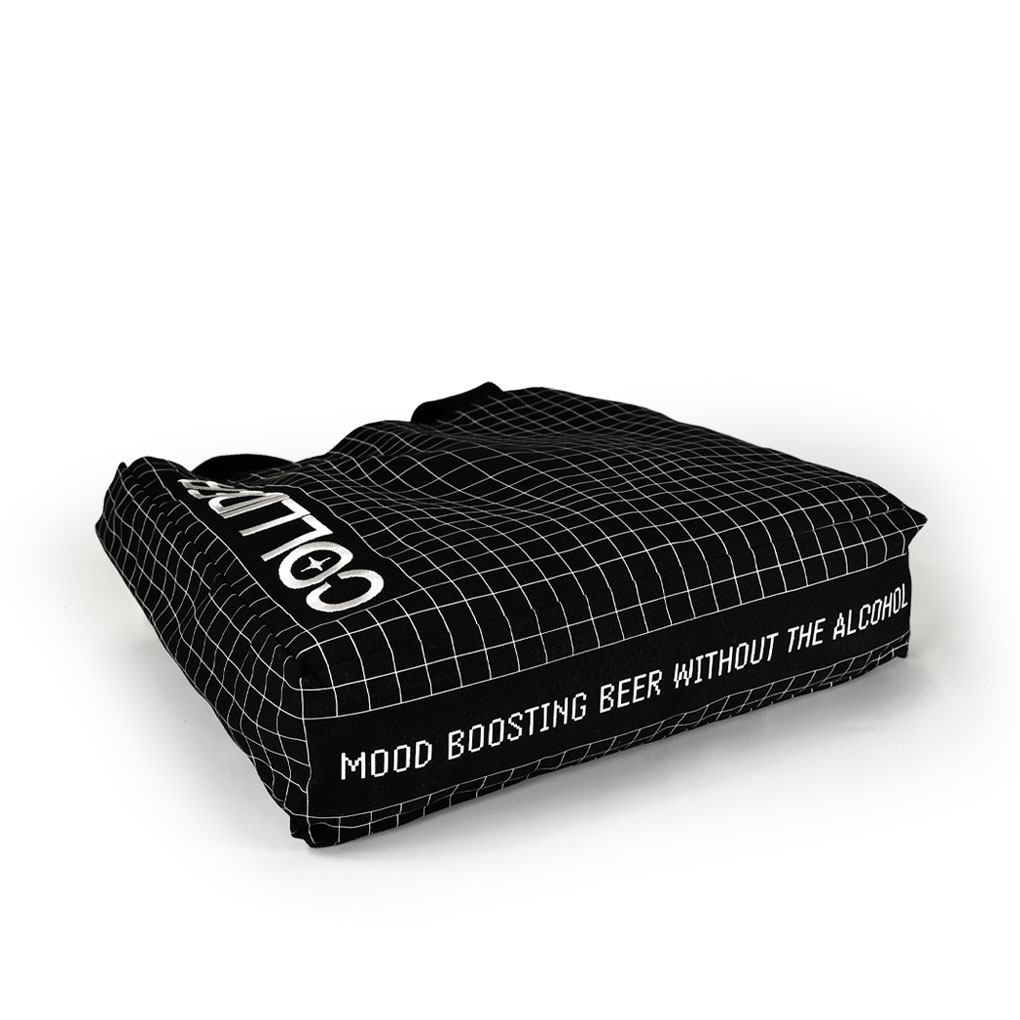
The collaboration began with a deep dive into Collider’s brand DNA. Collider isn’t just a beverage; it’s a lifestyle choice centered on "unwinding without the wind-up." Their visual identity is bold, modern, and slightly irreverent, utilizing a monochromatic base with sharp, energetic accents. To reflect this, The Bag Workshop proposed a "landscape" orientation for the bag. Unlike the vertical "portrait" style of most grocery totes, a landscape bag offers a wider, more expansive canvas. This choice was strategic; the horizontal layout provides a more ergonomic fit when carried over the shoulder and allows for a panoramic display of branding that is visible from a distance.
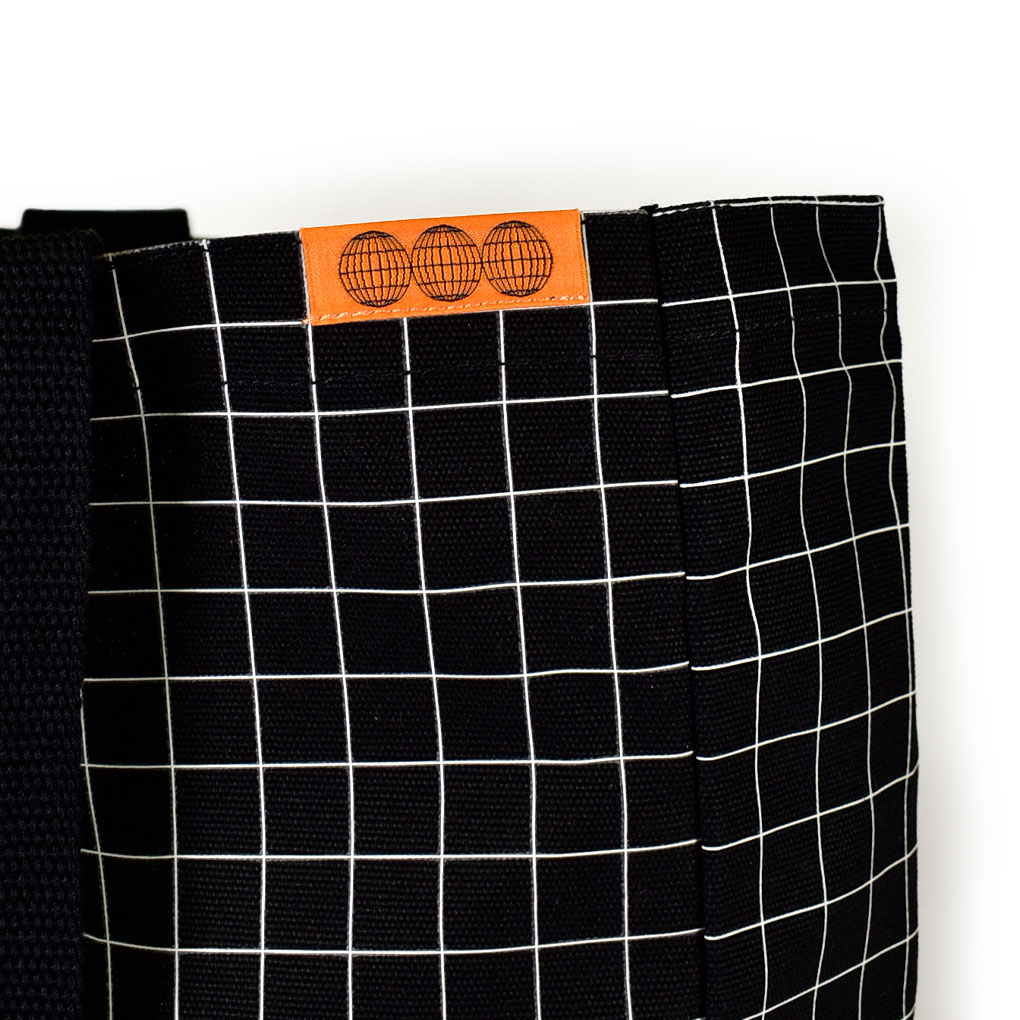
The technical specifications of the Collider bag were meticulously planned to ensure longevity and aesthetic impact. The foundation was a heavyweight, high-grade canvas—a material chosen for its ruggedness and its ability to hold a structural shape even when empty. To capture Collider’s striking visual language, the design team utilized an "all-over print" technique. This wasn’t a simple logo slap-on; the entire surface of the bag was treated with a crisp, white checkerboard pattern against a deep black background. This geometric precision creates a sense of movement and energy, perfectly aligning with the "Collider" name.
Furthermore, the branding was multi-layered. While the all-over print provided the "vibe," the specific brand identity was reinforced through high-density white embroidery of the "COLLIDER" logo. Embroidery offers a tactile, premium feel that screen printing simply cannot match, signaling to the consumer that this is a high-value item. To add a final "pop" of brand personality, a bright orange woven label was stitched into the top seam. This small but significant detail serves as a signature, a hallmark of quality that distinguishes bespoke manufacturing from mass-produced stock.

One of the most critical elements of the bag’s design was its functional capacity. The Bag Workshop integrated a generous gusset and structured side panels, transforming the bag from a flat envelope into a three-dimensional carrying solution. This depth is essential for a beverage brand; the bag needed to be sturdy enough to carry multiple cans of Collider beer, along with personal essentials, without sagging or losing its shape. The handles were crafted from reinforced webbed cotton, measured to the perfect "shoulder length" to ensure comfort even when the bag is at maximum capacity.
Beyond the design and aesthetics, the partnership between Collider and The Bag Workshop was built on a foundation of ethical responsibility and rigorous quality assurance. In an era where consumers are as concerned with "how" a product is made as they are with "what" it is, The Bag Workshop’s commitment to an ethical supply chain was a decisive factor. Leveraging a long-standing network of audited manufacturing partners in China, they ensured that every bag was produced under fair labor conditions and met stringent environmental standards. This transparency allowed Collider to market their merchandise with a clear conscience, knowing their physical products mirrored the integrity of their drinkable ones.
To maintain the highest standards, The Bag Workshop implemented a multi-stage, independent quality control (QC) protocol. This process is what separates professional bag manufacturing from basic promotional sourcing. It began with "In-Line Inspection," where the first batch of bags was checked during the sewing process to catch any deviations in stitching or print alignment. This was followed by a "Mid-Production Check" to ensure consistency across the entire run. Finally, a "Pre-Shipping Inspection" was conducted by an independent team to verify that every zipper, seam, and embroidered letter was flawless before the goods left the factory. For a brand like Collider, which is positioning itself as a premium alternative in the market, even a minor defect in their merchandise could undermine their brand authority. The Bag Workshop’s "zero-defect" mentality provided the necessary insurance for their brand reputation.

The impact of the finished product was immediate. Upon delivery, the custom-made canvas landscape bags became the centerpiece of Collider’s marketing strategy. They weren’t just sold as merchandise; they were used as high-value "seeding" items for influencers and key industry figures. When an influencer carries a Collider bag, it’s not just an ad; it’s a lifestyle endorsement. The bag’s distinctive look makes it "Instagrammable," encouraging organic user-generated content that extends the brand’s reach far beyond its own following.
Moreover, the bag serves as a "walking billboard." In the crowded streets of London or the busy aisles of a supermarket, the bold checkerboard pattern and embroidered logo act as a visual hook. It sparks curiosity: "What is Collider?" This organic discovery is the holy grail of brand building. Because the bag is high-quality and fashionable, customers actually want to use it daily. Every time a customer takes the bag to the gym or the park, they are performing a micro-endorsement of the brand, building "social proof" in their local communities.
The success of the Collider project illustrates a broader trend in the "Brand-as-Experience" movement. In a world of digital noise, physical touchpoints have regained their status as the most effective tools for building long-term loyalty. A well-designed, bespoke bag is more than just a container; it is a symbol of belonging. For Collider’s customers, carrying the bag is a way of signaling their alignment with a modern, health-conscious, and vibrant way of living.

Ultimately, The Bag Workshop’s collaboration with Collider proves that when a brand invests in quality and bespoke design, the return on investment transcends simple sales figures. It builds brand equity, fosters community, and creates a tangible legacy for the brand in the physical world. As Collider continues to disrupt the non-alcoholic beer market, their custom-made landscape bag remains a constant, reliable companion to their growth—a testament to the power of "Crafting Connection" through thoughtful, high-end textile manufacturing. For any brand looking to move beyond the screen and into the hands of their consumers, this case study serves as a masterclass in how to turn a simple brief into a powerful marketing engine.