

In the contemporary landscape of global commerce, the line between a promotional item and a retail-grade luxury product has become increasingly blurred. For high-end brands, the traditional approach to "merchandise"—often characterized by mass-produced, low-quality giveaways—is no longer sufficient. Today, every physical touchpoint must serve as a rigorous extension of a brand’s core identity, reflecting its commitment to excellence, sustainability, and aesthetic sophistication. This shift has necessitated a more disciplined approach to product creation, moving away from simple sourcing and toward the intricate world of bespoke bag design development. A recent case study involving the creation of a specialized, high-performance cool bag for a premium brand illustrates how technical engineering and artistic vision can converge to produce an item that does not merely carry a logo but reinforces a legacy of quality.
The challenge presented by the client was both specific and demanding. As an established leader in the premium market, they required a product that could expand their merchandise portfolio while maintaining the high standards of their primary product lines. The item in question was a thermal cool bag—a product category that is notoriously difficult to execute with elegance. Traditionally, cool bags are viewed as purely utilitarian, often constructed from cheap, shiny plastics and neon-colored fabrics that prioritize function over form. The client’s brief, however, demanded a complete inversion of this trope. They required a bag that offered flawless thermal protection and hygienic food security, yet looked and felt like a piece of high-end fashion or luxury luggage. This necessitated a partner capable of navigating the complexities of bag design development, from the initial chemical matching of dyes to the structural integrity of internal insulation.
The first pillar of this development process was "Precision Aesthetics." In the world of premium branding, color is not a suggestion; it is a critical component of brand equity. A shade of navy or forest green that is "close enough" can inadvertently signal a lack of attention to detail, undermining the consumer’s trust. To prevent this, the development team engaged in a rigorous Pantone-matching process for the exterior fabric. Unlike standard off-the-shelf materials, the fabric for this project was custom-dyed to ensure a 100% match with the client’s existing brand guidelines. This level of customization ensures that when the bag is placed next to the brand’s other offerings, the visual harmony is absolute. Furthermore, the choice of fabric went beyond color; the texture and "hand-feel" were selected to convey durability and luxury, ensuring the bag would withstand the rigors of outdoor use while maintaining a sophisticated silhouette.
Beyond the exterior shell, the internal engineering of the bag represented a significant technical hurdle. A cool bag is, at its heart, a functional tool designed to maintain a specific microclimate. For this premium client, the bag needed to provide a hygienic, wipe-clean environment that could protect perishables from external heat for extended periods. This was achieved through the integration of a specialized internal thermal layer. This isn’t merely a thin foil lining; it is a multi-layered system designed for thermic integrity. The development team experimented with various thicknesses of insulating foam and reflective barriers to find the "Goldilocks zone"—maximum thermal retention without adding unnecessary bulk that would ruin the bag’s sleek profile. By focusing on food-grade, easy-to-sanitize materials, the design ensured that the product was as practical for a gourmet picnic as it was beautiful on a store shelf.
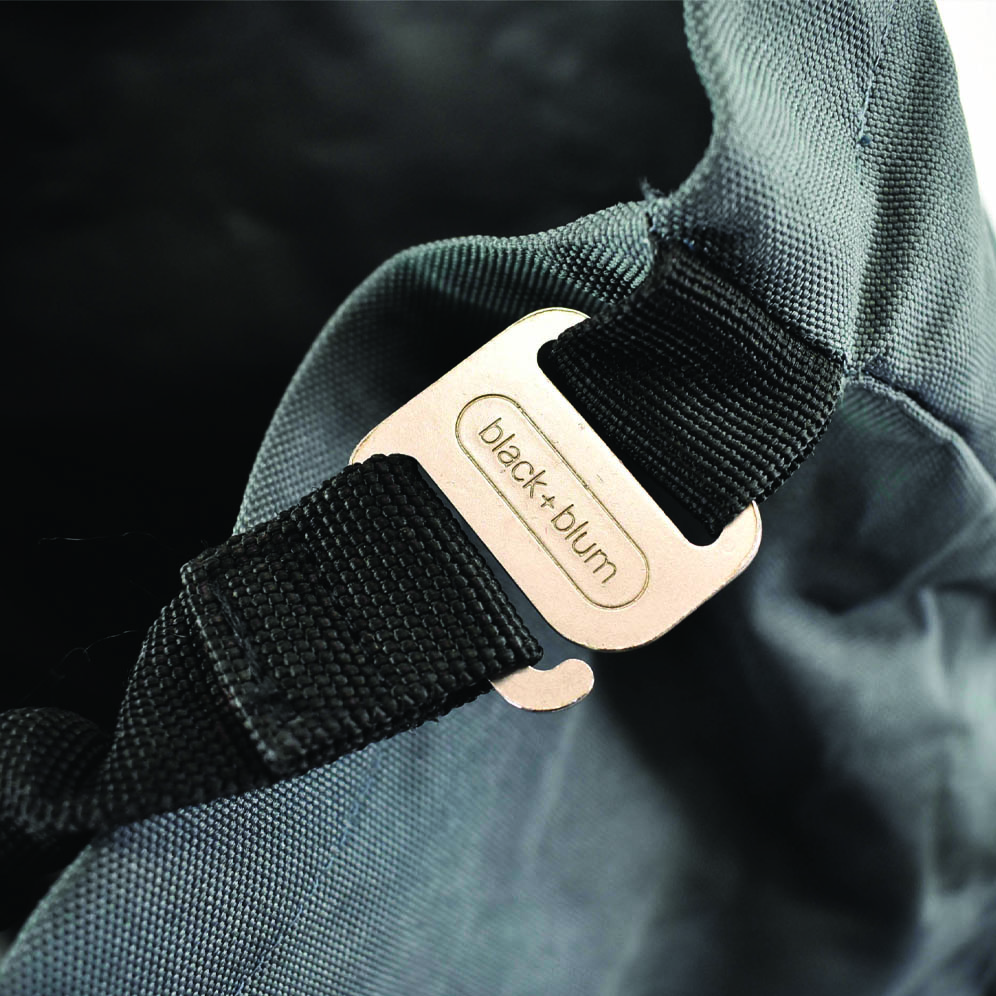
The third phase of the development journey focused on the "Silent Language of Quality"—the branding and hardware. In premium merchandise, overt, loud branding is often shunned in favor of subtle, sophisticated details that reward the observer upon closer inspection. Instead of a large, screen-printed logo that might crack or peel over time, the team opted for a high-definition woven brand label. This adds a tactile dimension to the branding, suggesting a level of craftsmanship associated with artisanal goods. The customization extended to the hardware as well. In many bag development projects, zippers and buckles are an afterthought, often chosen from a catalog of generic plastic components. For this project, however, the team explored bespoke solutions for closures and handles. Metal hardware with custom engravings and adjustable straps made from premium webbing were incorporated to ensure that every interaction—opening a zipper, adjusting a shoulder strap, or carrying the bag by its handle—felt substantial and high-quality.
The success of such a project is rarely the result of a linear path; it is the product of an iterative sampling process. Bag sampling is a critical stage where the theoretical designs are tested against reality. During this phase, prototypes are subjected to stress tests to ensure that the handles can bear the weight of full bottles and food containers, and that the thermal seals do not leak. This meticulous attention to detail during the development stage allows for the refinement of the bag’s geometry, ensuring that it holds its shape even when empty—a hallmark of premium bag construction. By balancing these aesthetic desires with the project’s budgetary constraints, the development team was able to deliver a solution that felt like a "no-compromise" product.
This case study serves as a blueprint for how creative agencies and brand owners should approach the concept of branded assets. The Bag Workshop, a specialized division of the Wurlin Group, spearheaded this project by leveraging a global supplier reach and a deep understanding of manufacturing logistics. The Wurlin Group’s philosophy is built on the idea that they are more than just manufacturers; they are partners in brand building. With expertise spanning from bespoke umbrellas to intricate packaging solutions, they provide a holistic approach to merchandise that considers the entire lifecycle of a product. For a brand, the goal of a custom bag should be to create an item that the customer wants to keep, use, and show off. When a bag is engineered with the same care as the brand’s flagship products, it ceases to be a "promotional item" and becomes a mobile billboard that radiates credibility.
The outcome for the client was a successful product launch that saw high engagement and positive feedback from their target demographic. The bag did more than keep food cool; it protected the brand’s reputation. It proved that utility and luxury are not mutually exclusive but can be woven together through professional bag design development. This process requires a partner who understands the nuances of fabric composition, the physics of insulation, and the psychology of branding.
In conclusion, the development of the premium cool bag highlights the necessity of a structured, detail-oriented approach to merchandise. In an era where consumers are more discerning than ever, brands cannot afford to settle for mediocrity. By investing in bespoke solutions—such as precision Pantone matching, advanced thermal engineering, and custom hardware—a brand can elevate its merchandise from a simple commodity to a powerful tool for brand storytelling. Whether it is a cool bag designed for a high-end food and beverage brand or a technical backpack for a corporate giant, the principles remain the same: quality is non-negotiable, and the design must be fit for purpose. As part of the Wurlin Group, The Bag Workshop continues to push the boundaries of what is possible in the world of customized solutions, proving that with the right development partner, any brand vision can be transformed into a tangible, premium reality. For those looking to start their next journey in product development, the message is clear: do not just create a bag; engineer an experience.