

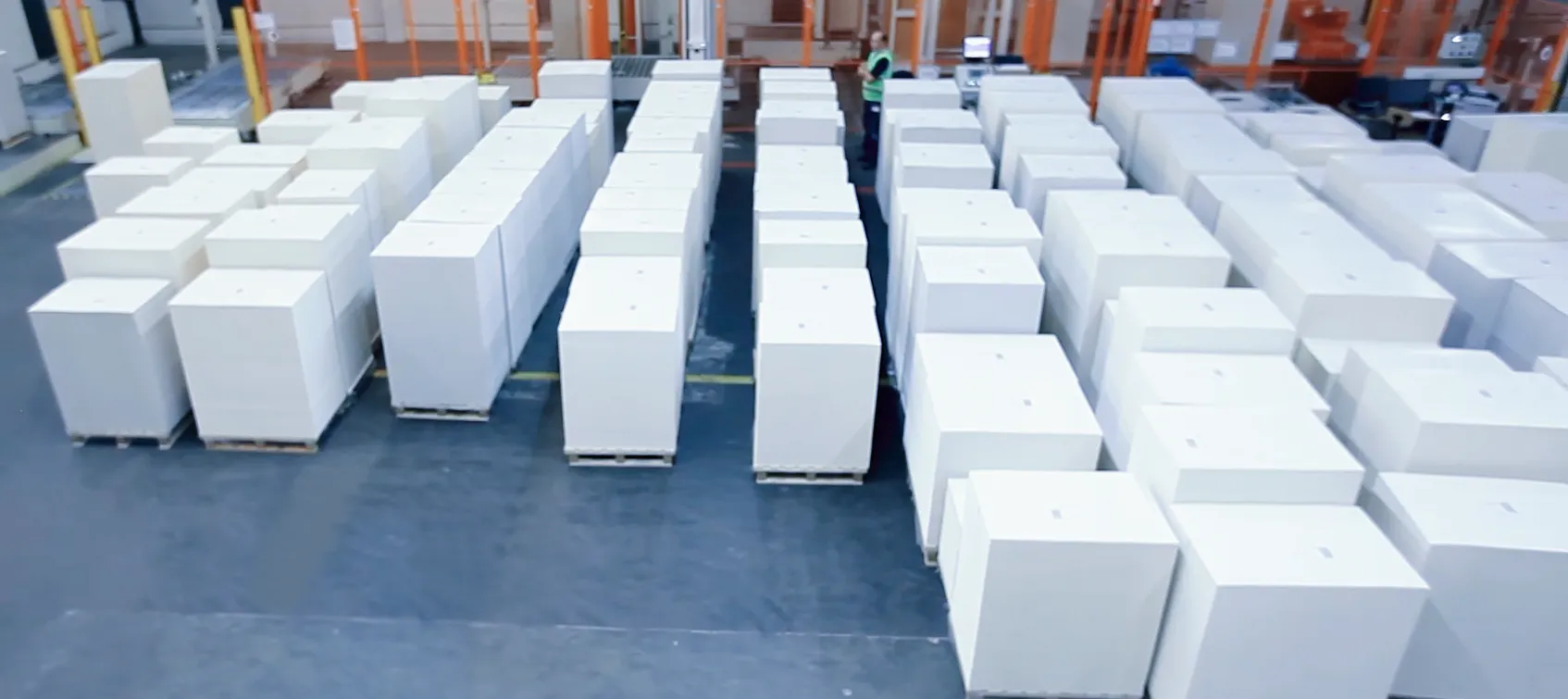
The European carton industry has solidified its position as a frontrunner in sustainable packaging by successfully slashing its cradle-to-gate fossil carbon footprint by an additional 8%. This significant environmental milestone, validated by rigorous, independent research from the Research Institutes of Sweden (RISE) and Germany’s Institut für Energie- und Umweltforschung (ifeu), demonstrates a decisive decoupling of industrial growth from reliance on fossil fuels. The annual footprint per tonne of carton packaging has demonstrably decreased from 929 kg CO2e to 854 kg CO2e, providing brand owners with robust, verifiable metrics essential for navigating increasingly strict Scope 3 emissions reporting requirements.
This comprehensive assessment, encapsulated within Pro Carton’s forthcoming 2025 Carbon Footprint of Carton Packaging Study, provides an unprecedented, granular look at the sector’s environmental trajectory between 2021 and 2024. The study’s integrity is underpinned by data aggregation from 70 manufacturing sites, collectively representing 60% of European cartonboard production and a substantial 16% of the continent’s folding carton conversion capacity. The resulting report paints a clear picture of an industry deeply committed to accelerating its transition toward a bio-based, low-carbon economic model.
The dramatic 8% reduction in embedded fossil emissions is not accidental; it is the direct dividend of targeted, collective capital investment and a strategic overhaul of energy procurement across European mills. Over the three-year review period, manufacturers aggressively substituted conventional fossil energy sources, resulting in the share of fossil fuels in the overall energy mix plummeting from 46% to just 39%. This proactive pivot, characterized by prioritizing sustainable wood-based biofuels and investing heavily in renewable heat generation technologies, directly mitigated approximately 60 kg of fossil CO2e emissions for every tonne of cartonboard produced.
Simultaneously, the industry has executed a transformative shift in its electricity sourcing strategy. The proportion of low-carbon electricity utilized at mill sites has nearly tripled, surging from 23% to an impressive 66%. This dramatic improvement stems from direct infrastructural investments in green energy generation—including the installation of on-site photovoltaic systems—and strategic power purchase agreements (PPAs). This proactive engagement signifies that the carton sector is no longer passively awaiting broader grid decarbonization but is actively driving demand and deploying solutions to secure clean energy today.
Carbon Sequestration: The Inherent Advantage of Fibre
Beyond immediate operational efficiencies, the Pro Carton study underscores the fundamental environmental advantage embedded within fibre-based packaging: its participation in the natural carbon cycle. Cartonboard originates from sustainably managed European forests, which function as vast, growing carbon sinks. The research confirms that the total amount of atmospheric carbon dioxide sequestered by the trees during their growth—the biomass that eventually becomes packaging—significantly outweighs the residual fossil emissions generated throughout the entire production lifecycle (cradle-to-gate).
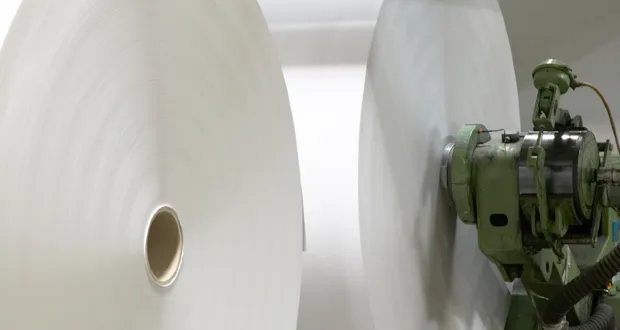
Furthermore, the study explicitly links the secure supply chain for packaging fibre to rigorous, legally mandated sustainable forest management practices across Europe. These forests are not merely being utilized; they are demonstrably expanding and enhancing their capacity to absorb atmospheric carbon, ensuring a perpetual, renewable feedstock that actively contributes to climate mitigation.
The analysis also dissected the energy demands of the downstream converting process, where raw cartonboard is transformed into consumer-ready packaging. While this stage accounts for 21% of the total cradle-to-gate footprint, the report highlights exceptional efficiency: direct, on-site emissions related to critical processes like print drying and heating constitute a mere 2% of this converting total. This points to high levels of process optimization and technological refinement within the shaping and finishing stages.
This inherent resource efficiency, coupled with the robust end-of-life management, positions cartonboard as a benchmark for the circular economy. With a European recycling rate consistently hovering around 87% (according to Eurostat data from 2023), the material achieves exceptional resource recovery, closing the loop effectively and minimizing waste.
Horst Bittermann, Director General of Pro Carton, emphasized the significance of these verifiable achievements. “The 8% reduction we are reporting today is not a minor adjustment; it is the tangible outcome of sustained, multi-year investment and a profound strategic re-evaluation of our sector’s entire energy infrastructure,” Bittermann stated. “By aggressively pivoting towards biofuels, securing reliable sources of low-carbon electricity, and deploying renewable energy generation assets directly at our facilities, our members are furnishing brands with packaging that unequivocally meets the most demanding contemporary environmental benchmarks.”
He continued, stressing the importance of data transparency: “This validated evidence provides the essential substantiation that brand owners, major retailers, and regulatory bodies require for compliance and for making genuine, impactful climate-related decisions. It robustly supports the ongoing transition towards a truly sustainable, fibre-based ecosystem across the entire packaging value chain.”
The exhaustive Carbon Footprint of Carton Packaging 2025 study, which details the complete methodologies, comprehensive data sets, and all independent verification documentation, is now accessible for detailed review on the official Pro Carton website. This release marks a crucial moment for stakeholders seeking to benchmark packaging sustainability performance against verifiable industry advancements.