

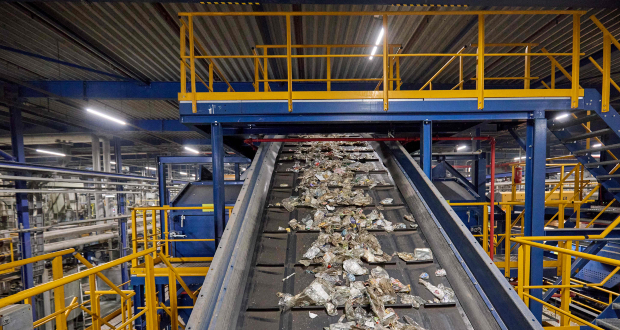
The strategic expansion and optimization of Faerch’s dedicated recycling facility, Cirrec, marks a significant leap forward in the company’s commitment to embedding a truly circular economy within the food packaging sector. This facility is now poised to dramatically increase the volume and quality of recycled PET (rPET) available, directly underpinning Faerch’s ambitious sustainability goals and providing a crucial buffer against market fluctuations for its customers. Cirrec functions as the linchpin in Faerch’s vertical integration strategy, ensuring a secure, high-specification supply chain for the recycled content necessary to manufacture next-generation food trays.
The core operational metric driving this enhancement is the facility’s projected annual output capacity. Cirrec is engineered to process waste streams and deliver approximately 27,000 tonnes of high-grade rPET pellets each year. Crucially, this entire volume is earmarked for captive use—meaning it will be consumed internally by the broader Faerch Group for the production of its extensive portfolio of food-grade packaging solutions. This closed-loop approach minimizes reliance on external, virgin polymer sources and maximizes material efficiency from end-of-life trays back into new products.
This substantial internal capacity is directly tied to Faerch’s forward-looking corporate sustainability mandate. The company has publicly committed to achieving a portfolio-wide average content of 25% to 30% rPET across all its tray offerings by the year 2026. The current operational scale of Cirrec positions Faerch exceptionally well to meet, and potentially exceed, these targets by providing a consistent, traceable, and high-quality source of recycled material necessary to compound into the final packaging products. This proactive approach to material sourcing mitigates the risks associated with fluctuating global commodity prices for virgin plastics and enhances the overall environmental profile of Faerch’s packaging solutions.
Tim Rademacker, the Divisional CEO overseeing Recycling for the Faerch Group and Cirrec, emphasized the strategic imperative behind controlling the recycling lifecycle. He articulated that managing the entire recycling process via Cirrec is fundamental to guaranteeing both the stability and the required quality standards for food-grade packaging.
"Faerch ensures stability and quality in food packaging by managing the recycling process through Cirrec," Rademacker stated. "This comprehensive control allows us to secure the highest standards for our raw materials, ensuring consistent quality across every batch, and providing a reliable supply chain that our partners can depend on."
The ability to dictate the specifications of the recovered material is a significant competitive advantage. By overseeing the collection, sorting, decontamination, and reprocessing stages, Cirrec can guarantee that the resulting rPET pellets—available in both clear and colored variants—meet the stringent regulatory and performance requirements demanded by the food industry. This internal oversight transforms a potential waste stream into a high-value, predictable input.
Rademacker further elaborated on the economic and strategic benefits this integration provides to Faerch’s clientele. "Clear and colored tray rPET offer a stable and sustainable recycled PET source, effectively protecting our customers from the often-unpredictable volatility inherent in global polymer markets," he noted. "This insulation supports long-term business resilience, allowing our partners to forecast material costs and availability with greater certainty."
In an era where brand owners are increasingly scrutinized for their environmental claims and packaging choices, securing a proven, high-content rPET source is paramount. Faerch’s investment in Cirrec moves beyond simple compliance; it is a proactive measure to embed sustainability deep within the value proposition offered to brand owners across the fresh prepared food, meat, poultry, and dairy sectors. The guaranteed supply also supports Faerch’s ability to collaborate on ambitious packaging redesign projects with major retailers who are themselves striving to meet aggressive recycled content goals mandated by legislation or corporate pledges.
The significance of the 27,000-tonne capacity cannot be overstated in the context of the European packaging landscape. While many converters rely on external recyclers, often facing long lead times or inconsistent material specifications, Faerch’s captive facility provides a robust internal solution. This infrastructure is designed to handle the specific PET waste streams generated by their own products, creating a highly optimized feedback loop.
"With our ambition and the operational capacity we have established, we can secure constant supply and stable quality for all PET food packaging applications within the Faerch Group," Rademacker confirmed. This statement underscores a commitment not just to incremental improvement, but to foundational change in how food packaging materials are sourced and managed. The facility acts as an insurance policy against material shortages and quality degradation that can plague the wider industry, cementing Faerch’s role as a stable and forward-thinking supplier.
Furthermore, the environmental impact of Cirrec’s operations extends beyond simple material replacement. By utilizing advanced recycling technologies, the process significantly reduces the energy consumption and greenhouse gas emissions associated with producing virgin PET resin, which typically relies on fossil fuels as its feedstock. Every tonne of rPET produced by Cirrec translates into a measurable reduction in the overall carbon footprint of the food trays leaving Faerch’s manufacturing sites.
The investment in Cirrec reflects a broader industry trend recognizing that true circularity requires infrastructure investment capable of handling the complex logistics of post-consumer material recovery and upgrading it to food-grade standards—a process that demands advanced decontamination technology to ensure consumer safety. Faerch’s integrated approach addresses this challenge head-on, creating a commercially viable and environmentally sound pathway for high-volume food packaging. As the 2026 target approaches, the sustained performance and scalability of the Cirrec facility will be critical in demonstrating that ambitious circular targets are achievable within the high-volume, high-specification demands of the modern food industry.