

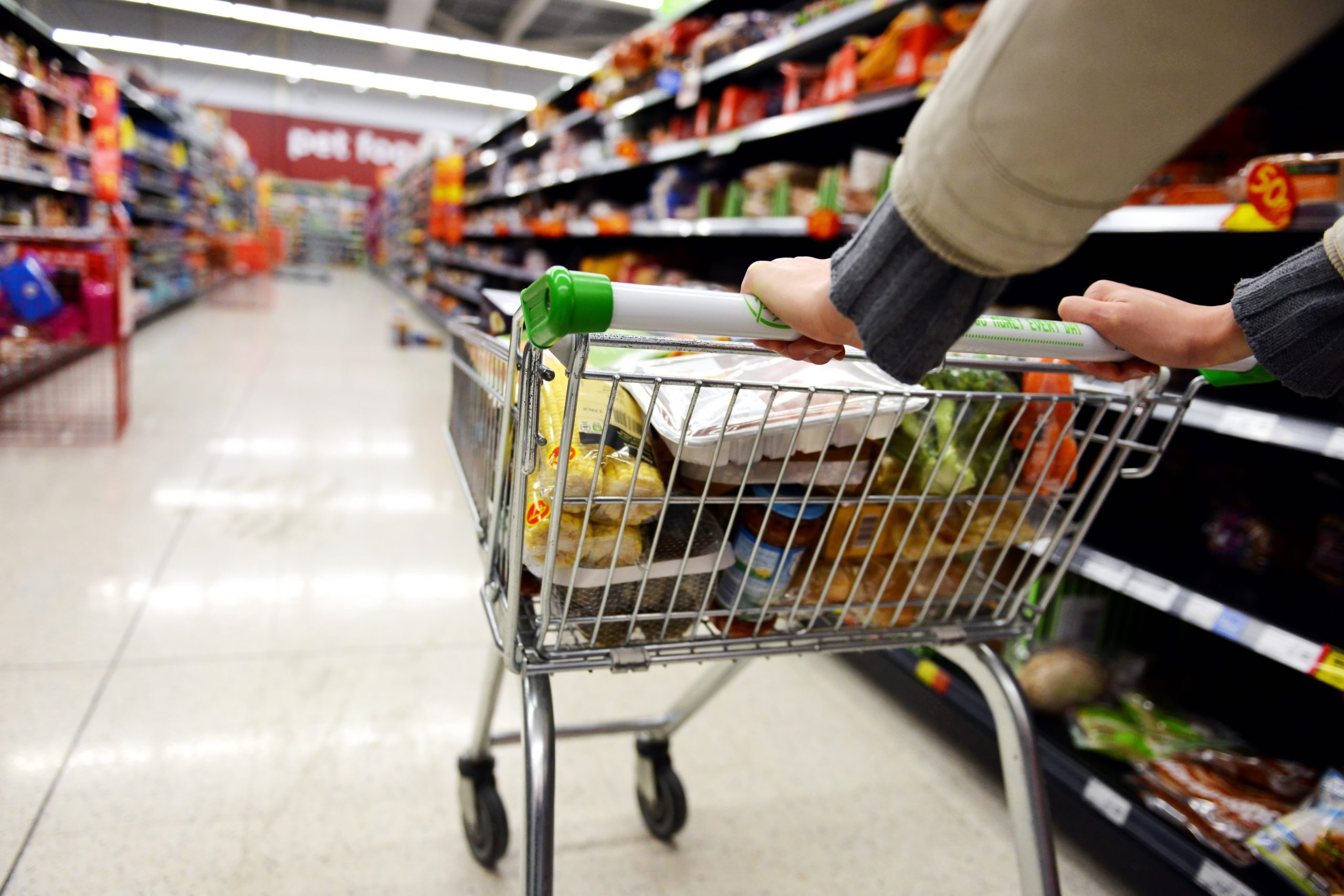
A groundbreaking investigation commissioned by GS1 UK has exposed a systemic failure in food packaging accessibility, revealing that an overwhelming majority of shoppers with visual impairments find critical product information either severely difficult or entirely impossible to decipher. This extensive research, undertaken as part of GS1 UK’s sustained commitment to fostering a truly inclusive retail environment—a mission bolstered by strategic alliances with pioneering technology firms such as Zappar and Navilens—paints a stark picture of daily challenges faced by millions.
The findings are alarming: a staggering 83% of respondents confirmed that accessing the necessary details printed on food packaging constitutes a significant hurdle or an absolute dead end. Furthermore, the study underscores a deep-seated perception of neglect within the industry, with 73% of those experiencing sight loss expressing the conviction that insufficient consideration is dedicated to designing packaging solutions that accommodate individuals who cannot rely on standard visual text.
The consequences of this inaccessibility are far more serious than mere inconvenience, directly impacting consumer safety and dietary compliance. Nearly half of the participants (41%) recounted instances where they inadvertently purchased food items only to discover later that the contents included an ingredient they actively avoid or, critically, an ingredient to which they have a severe intolerance or allergy. Even more concerning, a substantial 37% of the visually impaired community surveyed have suffered adverse health reactions directly attributable to their inability to accurately read and verify food labels prior to consumption. This highlights a critical public health risk embedded within the current packaging paradigm.
The research meticulously dissected the primary obstacles preventing access to vital information. The most frequently cited barrier, reported by 56% of respondents, was the use of text that is either excessively small or possesses insufficient contrast against the background, rendering it illegible. This was closely followed by environmental factors, with 40% pointing to inadequate or poor lighting conditions within retail settings as a major impediment to reading labels on shelves.
Beyond the physical attributes of the packaging itself, systemic issues within the shopping environment contribute significantly to the frustration. A notable 23% cited the constant and unpredictable shifting of product placement on shelves, which forces reliance on memory or repeated tactile exploration, making efficient shopping difficult. Furthermore, a lack of responsive human assistance emerged as a significant hurdle, with 22% stating that insufficient staff availability or a deficit in staff training regarding assistive support exacerbates the problem.
Other contributing factors identified in the comprehensive survey include the physical design of the store itself. Seventeen percent mentioned inaccessible or poorly organized shop layouts that impede navigation. Technological support remains underdeveloped, as 14% noted a lack of accessible solutions such as integrated audio descriptions or specialized mobile application support designed to scan and interpret label information. Finally, the absence of tactile cues—specifically the scarcity of Braille or raised symbols directly on food items—was cited by 13% as a barrier to quick identification.
The cumulative effect of navigating these pervasive barriers translates directly into heightened psychological distress during routine shopping trips. The study documented that 26% of visually impaired shoppers report feeling acutely stressed while attempting to confirm product details on the shelf. This stress is compounded by feelings of frustration (reported by 23%) and anxiety (cited by 21%), transforming what should be a simple act of purchasing necessities into an emotionally taxing ordeal.
Daphne Mavroudi-Chocholi, Managing Director of RNIB Enterprises, passionately advocated for immediate technological integration, framing it as an essential step toward parity in retail access. "RNIB champions truly accessible design," she stated. "Accessible QR codes provide brands with a straightforward, scalable mechanism to deliver on this commitment and fundamentally transform the shopping experience for blind and partially sighted people—and indeed, for anyone dealing with a print disability. The speed at which corporations adopt these solutions directly correlates with how quickly the entire consumer base benefits from enhanced inclusion."
Anne Godfrey, Chief Executive of GS1 UK, elaborated on the strategic advantages of modern technological solutions over traditional design compromises. She acknowledged the inherent physical constraints of food packaging: "While large, high-contrast print is certainly desirable, it is often impractical due to the severely limited real estate available on contemporary packaging designs."
Godfrey then pivoted to champion the standardized, digitally-enabled approach facilitated by GS1 infrastructure. "QR codes powered by the GS1 system offer a level of functionality far surpassing standard, generic QR codes. They possess the capability to deliver vital, verified details—such as comprehensive ingredient lists, precise allergen warnings, and essential storage instructions—directly to the consumer via universally compatible screen readers and assistive mobile applications. This standardized digital pathway ensures crucial consistency and robust compatibility across an entire spectrum of products, effectively restoring true independence and confidence to visually impaired shoppers who currently navigate a landscape fraught with risk and uncertainty." The push is now clearly toward leveraging digital standards to overcome the immutable physical limitations of print media on small packaging formats.