

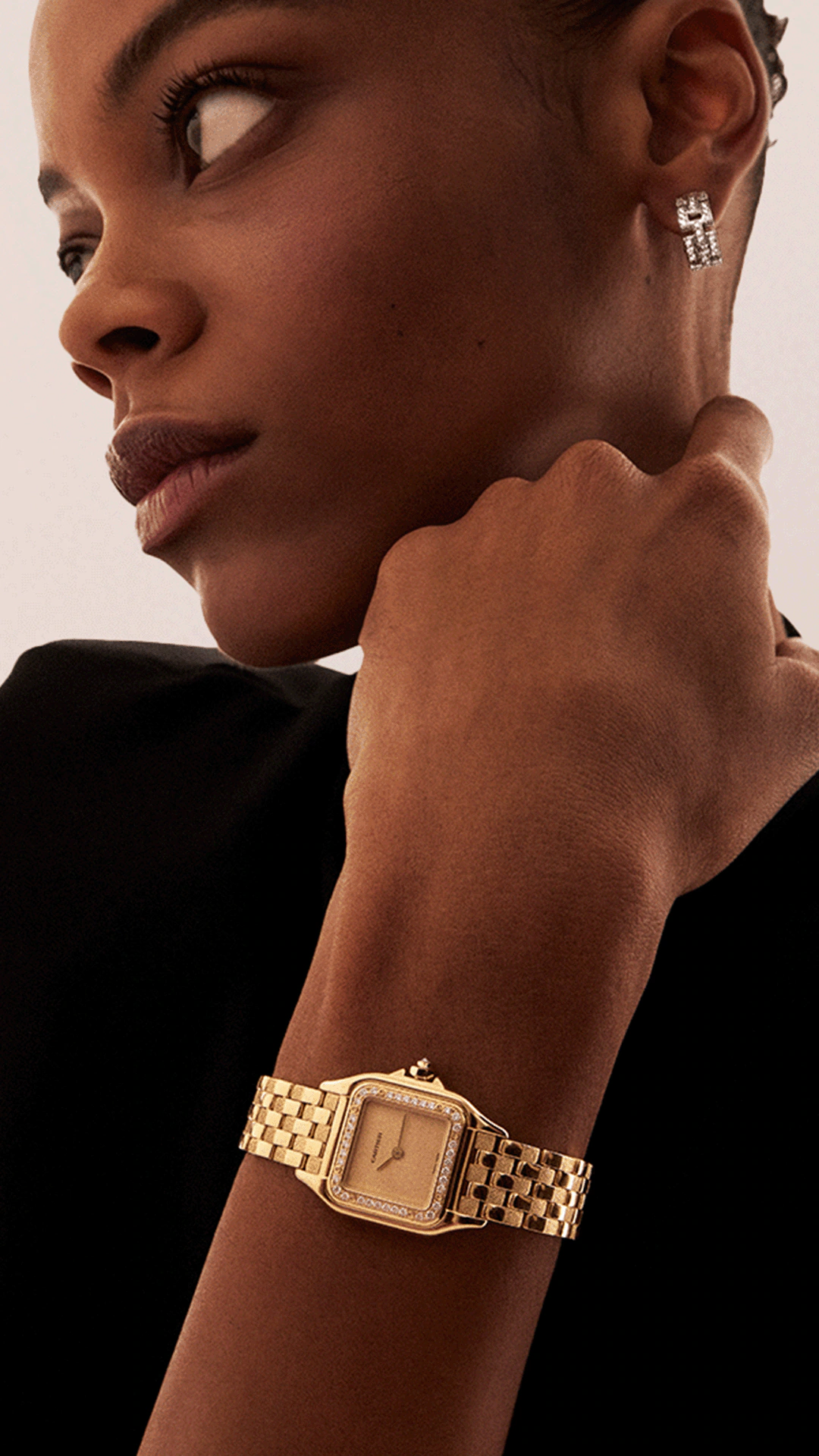
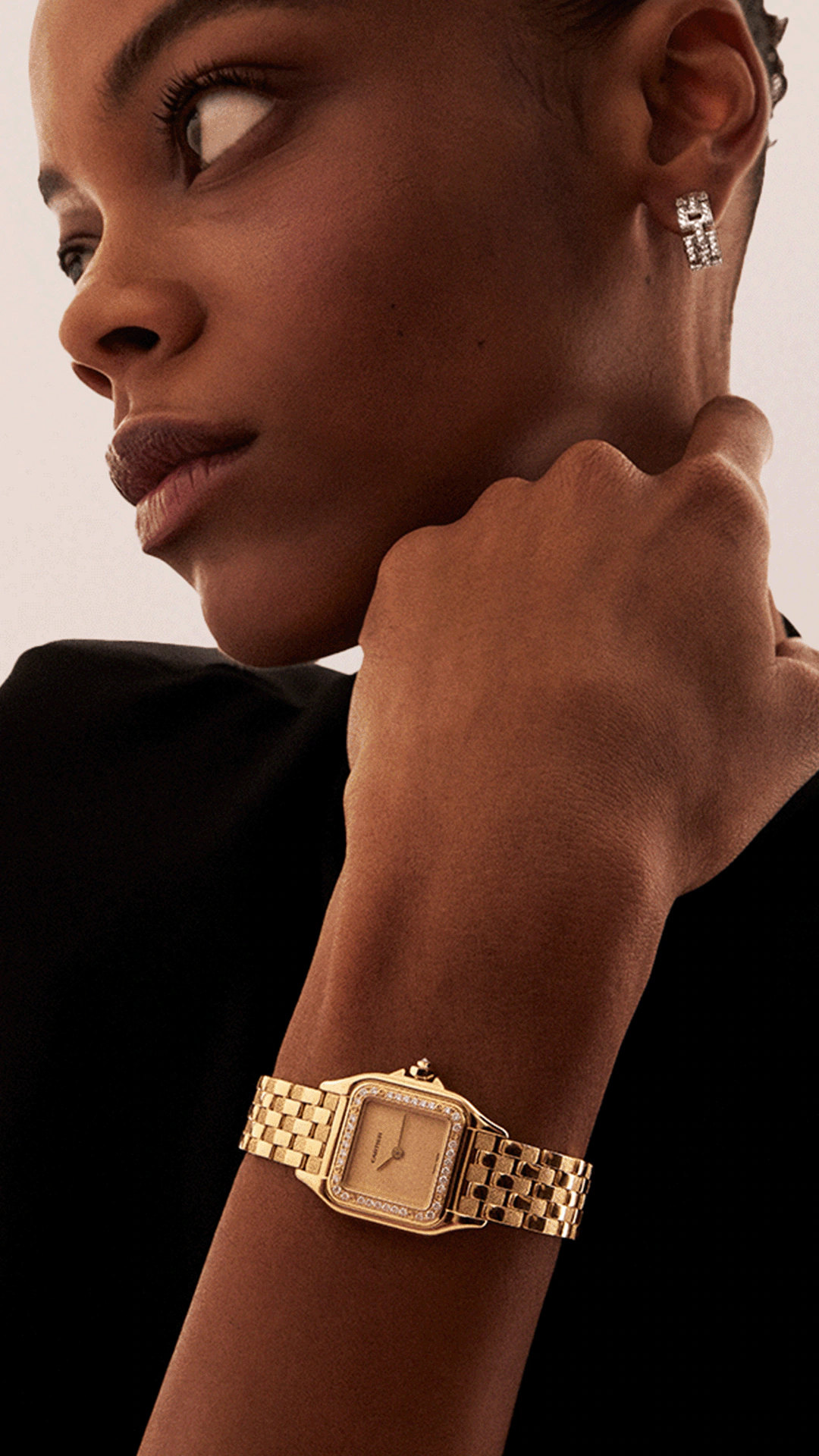
Luxury conglomerate Richemont, SA, has once again demonstrated robust financial health, with its latest financial disclosures for the quarter ending December 31, 2025, revealing an impressive 11% surge in overall sales, calculated at constant exchange rates. This strong performance, described by the company as "sustained momentum," is overwhelmingly powered by its prestigious Jewelry Houses. The division, anchored by global titans Van Cleef & Arpels and Cartier, alongside esteemed names like Buccellati and Vhernier, posted a remarkable 14% growth in sales, successfully navigating a period that featured challenging year-over-year comparisons from the previous strong season.
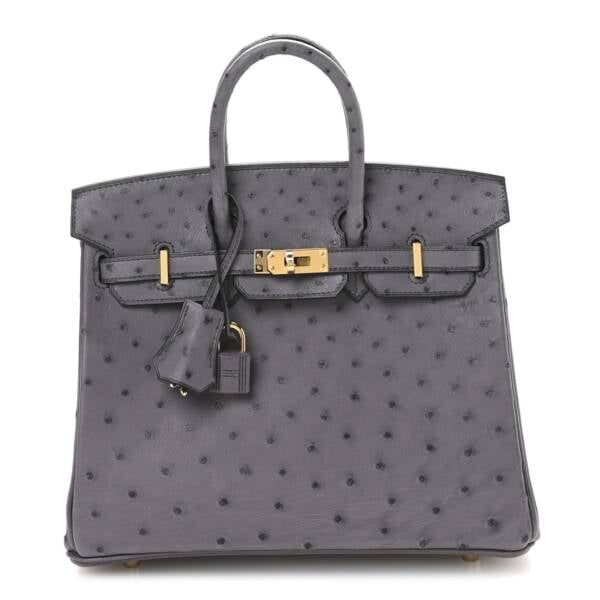
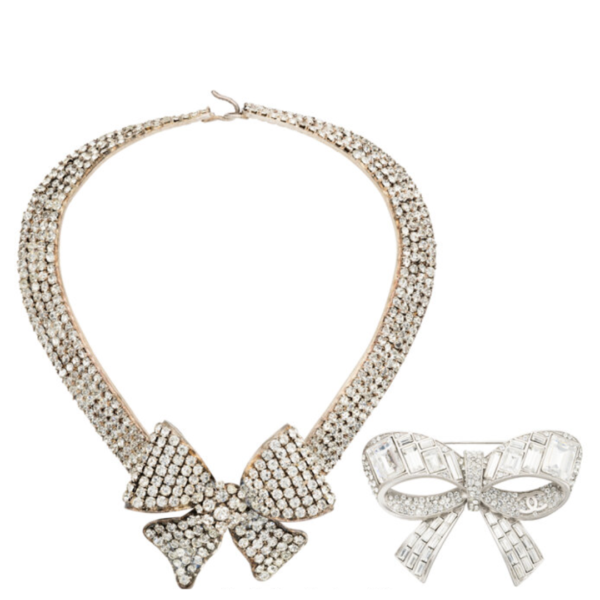
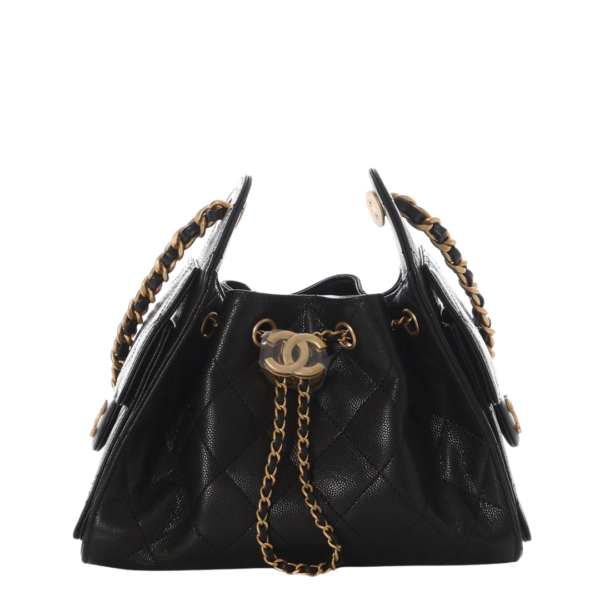
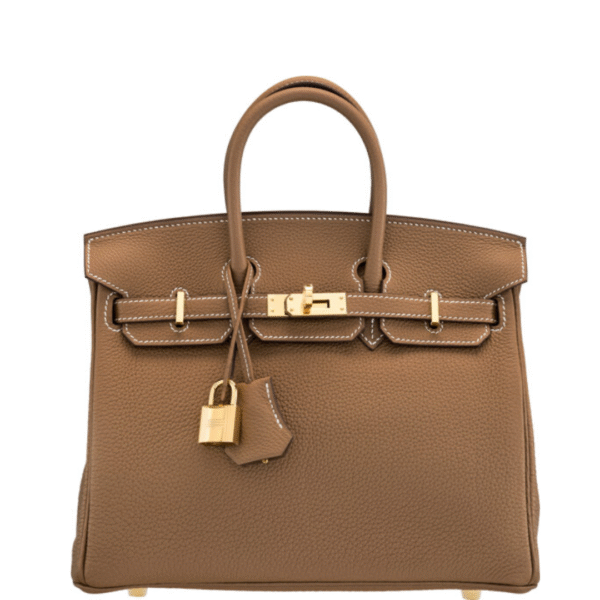
This financial triumph solidifies a notable trend observed across the luxury market throughout the latter half of 2025: a discernible pivot in consumer preference away from seasonal fashion accessories, specifically high-end handbags, and toward enduring fine jewelry. Several converging economic and psychological factors are fueling this migration of discretionary spending.

Foremost among these drivers is the growing recognition of jewelry as a tangible asset. In an increasingly volatile economic climate, discerning clientele are prioritizing purchases that hold intrinsic, verifiable value. Precious metals and high-quality gemstones are perceived as superior stores of wealth compared to leather goods and textile-based fashion items, which are subject to rapid stylistic obsolescence and depreciation. While the allure of the "It-Bag" remains, its status as a reliable investment vehicle is increasingly being overshadowed by the steadfast appreciation of significant jewelry pieces.

Furthermore, the escalating pricing strategies implemented by top-tier handbag manufacturers have begun to trigger a moment of pause, or even outright hesitation, among even the most devoted luxury collectors. As the barrier to entry for iconic handbags continues to rise—often requiring multiple prerequisite purchases or facing near-impossible waitlists—many consumers are redirecting those substantial investment sums toward immediate, high-value jewelry acquisitions. The holiday season of 2025 clearly underscored this realignment, with coveted, instantly recognizable designs from Cartier and Van Cleef & Arpels frequently reporting sell-outs across global boutiques. This scarcity further enhanced the desirability and perceived immediate worth of these tangible luxury assets.

Richemont’s internal data confirms the strength of this shift, noting that retail channels accounted for nearly three-quarters of the jewelry division’s total revenue. This highlights that while digital engagement is crucial, the ultimate transaction for these high-value, emotionally significant purchases remains firmly rooted in the physical boutique experience, where craftsmanship and heritage can be fully appreciated.
Geographically, the growth narrative is widespread and powerful. The Americas led the charge with a robust 14% sales increase at constant rates, closely followed by Japan, which posted a significant 17% rise. The Middle East and Africa region demonstrated explosive momentum, reporting a 20% sales jump, underscoring robust wealth concentration and high demand in those markets. While Asia Pacific and Europe registered more moderate, single-digit increases, the European performance was bolstered significantly by inbound tourism. Richemont specifically cited "supportive tourist spending, particularly from North American and Middle Eastern clienteles," as a key contributor to Europe’s 8% sales growth, suggesting an arbitrage or destination shopping effect driven by favorable exchange rates or tax advantages for international visitors.
While jewelry constitutes the bedrock of Richemont’s empire, representing approximately two-thirds of its total sales, the company’s other segments also contributed positively to the overall results. The Special Watchmakers division, which includes storied names in horology, achieved a respectable 7% growth. The Fashion & Accessories segment, which contains brands competing directly with the handbag market, saw a more modest 3% uptick in sales, further illustrating the relative deceleration in that sector compared to jewelry.
The crucial question moving forward centers on the sustainability of jewelry’s current meteoric rise, particularly as prices continue their upward trajectory. Both Cartier and Van Cleef & Arpels have proactively managed their pricing architecture to reflect increasing costs of raw materials and burgeoning demand. In the preceding year, for instance, Cartier implemented multiple price increases within the U.S. market across its most desirable lines, while Van Cleef & Arpels executed at least one significant hike.
Remarkably, these adjustments have, thus far, failed to dampen consumer enthusiasm or purchasing volume. This suggests that, for the core clientele of these ultra-luxury Maisons, the perceived value proposition—the blend of artistry, heritage, and intrinsic material worth—still heavily outweighs the nominal price tag. However, the luxury sector operates within delicate consumer psychology. There is an undefined threshold where even the most affluent buyers might pause if increases are perceived as excessive or disconnected from underlying material value shifts. Industry analysts will be closely monitoring Q1 and Q2 reports of 2026 to determine if the elasticity of demand for these iconic jewelry lines has reached its limit or if they possess near-unlimited pricing power, cementing jewelry’s new, elevated status in the hierarchy of luxury investment.
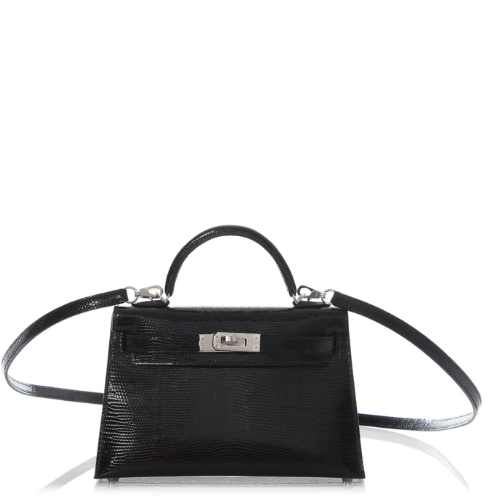
For consumers currently weighing their next major luxury acquisition—whether it be a highly sought-after handbag or an heirloom-quality piece of jewelry—the market data suggests that the sparkle is currently outweighing the leather. The sustained success of Richemont’s jewelry portfolio indicates that many are betting on enduring beauty and tangible assets over ephemeral trends. The ultimate decision remains personal, but the financial evidence points toward a clear hierarchy in current luxury priorities. How will these continuous price adjustments influence your personal luxury investment strategy this year?