

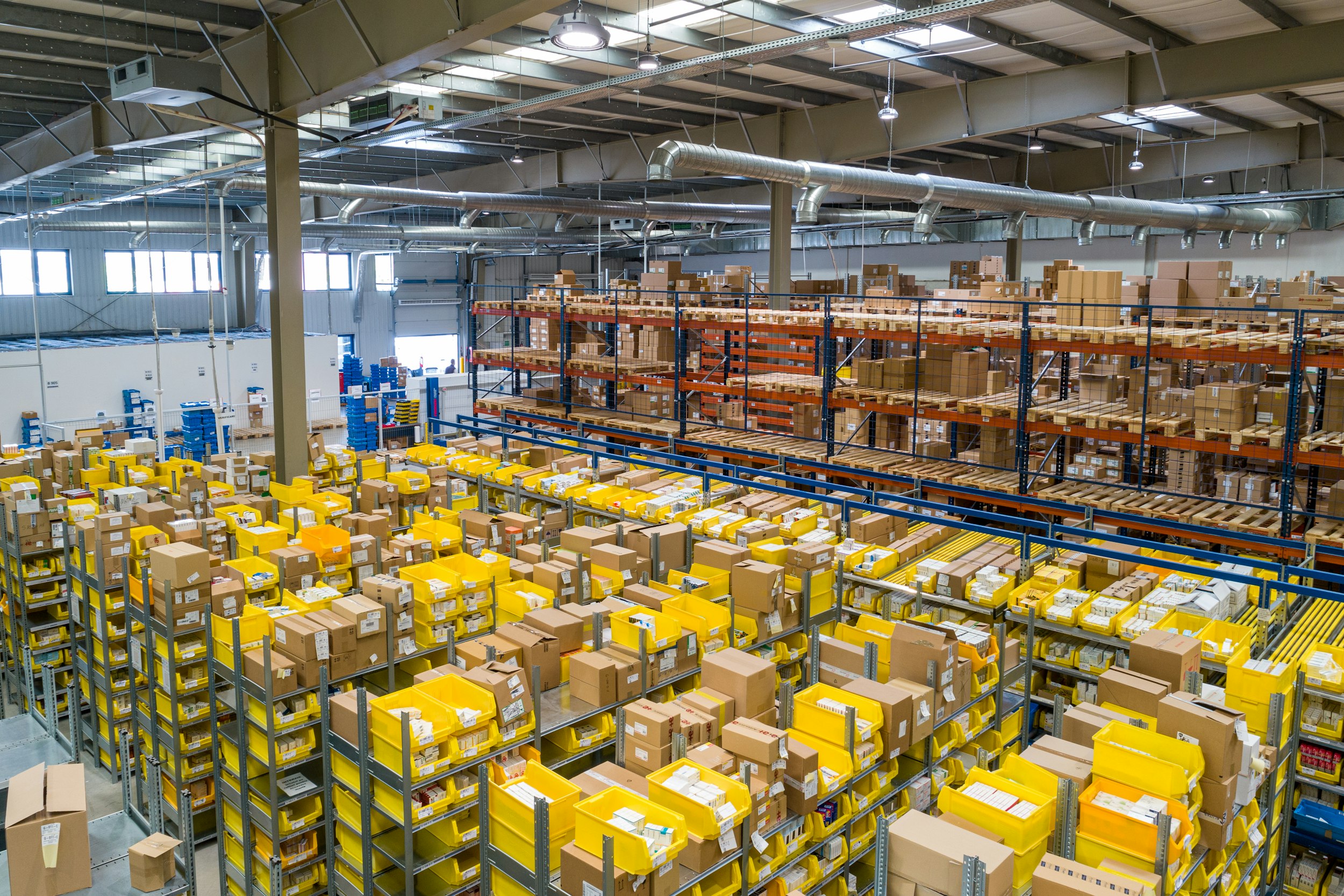
Understanding the Evolution of Material Handling
In the modern industrial landscape, material handling has transitioned from a back-end logistics function to a core strategic pillar. Industry leaders emphasize that long-term success requires a shift from manual labor to integrated, intelligent systems. By focusing on the flow of goods rather than just storage, companies can significantly reduce lead times and operational costs. Experts suggest that the foundation of any long-term strategy must be the seamless integration of physical movement and digital tracking.
The Power of Scalable Infrastructure
One of the most common recommendations from logistics experts is the implementation of scalable infrastructure. As businesses grow, their material handling needs fluctuate. Investing in modular shelving, expandable conveyor systems, and flexible racking allows a facility to adapt without requiring a complete overhaul of its physical footprint. This modularity ensures that the initial capital expenditure remains relevant even as product lines and volumes change over the years.
Automation as a Long-Term Investment
Automation is no longer an optional luxury but a necessity for staying competitive. Industry pioneers suggest starting with small-scale automation, such as Automated Guided Vehicles (AGVs) or Autonomous Mobile Robots (AMRs), which can be scaled up as demand increases. These technologies mitigate labor shortages and ensure consistent throughput. Unlike manual operations, automated systems provide a predictable performance level that is essential for long-term financial forecasting.
Leveraging Data Through IoT Integration
The Internet of Things (IoT) provides a level of visibility previously unattainable in the warehouse environment. Leaders recommend embedding sensors across the material handling chain to collect real-time data on equipment health and inventory movement. This data-driven approach enables managers to identify bottlenecks before they impact the bottom line. By analyzing historical data, companies can optimize their workflows for maximum efficiency across seasons.
Prioritizing Sustainability in Logistics
Sustainability is a recurring theme among industry leaders looking toward the future. Long-term material handling strategies now include the use of electric lift trucks, recyclable packaging materials, and energy-efficient warehouse lighting. Reducing the carbon footprint is not only environmentally responsible but also appeals to the modern consumer base and reduces long-term energy costs. Companies that adopt green practices early often find themselves ahead of regulatory requirements.
Enhancing Ergonomics and Workforce Safety
A safe workforce is a productive one, and industry veterans advocate for ergonomic equipment design to reduce repetitive strain injuries. Features like adjustable height workstations, vacuum lifters, and anti-fatigue matting ensure that employees can perform their tasks safely for years. Prioritizing ergonomics reduces employee turnover and lowers insurance premiums, contributing to a more stable and cost-effective operation over the long haul.
Transitioning to Predictive Maintenance
Moving away from reactive maintenance is a top recommendation for long-term asset management. By using predictive maintenance algorithms, companies can forecast when a motor or belt is likely to fail based on vibration or heat signatures. This proactive stance prevents costly unplanned downtime and extends the lifespan of expensive machinery, ensuring that the return on investment is maximized over many cycles.
Optimizing Warehouse Layout for Flow
The physical arrangement of a warehouse dictates the efficiency of material movement. Industry leaders suggest conducting regular slotting analyses to ensure high-velocity items are easily accessible. A well-optimized layout minimizes travel time for both human pickers and automated systems. This spatial efficiency is critical for maintaining high throughput rates as the business grows and the number of SKUs increases.
AI-Driven Inventory Management
Artificial Intelligence (AI) is revolutionizing how inventory is handled and stored. Leaders recommend using AI to predict demand spikes and adjust stock levels accordingly. This prevents overstocking and stockouts, ensuring that material handling resources are utilized effectively throughout the year. AI can also optimize the picking paths for warehouse staff, further increasing the speed of fulfillment without requiring additional labor.
Building Strong Vendor Partnerships
Long-term success often depends on the strength of external partnerships. Experts recommend working closely with equipment manufacturers and software providers to ensure systems remain updated and compatible. Collaborative relationships lead to better technical support, customized equipment solutions, and early access to emerging technologies that can provide a competitive edge in a crowded marketplace.
Evaluating Leasing vs. Purchasing Equipment
Financial flexibility is crucial in the capital-intensive world of material handling. Many leaders recommend a hybrid approach to equipment acquisition. While purchasing core assets like racking may make sense, leasing specialized or rapidly evolving technology allows a company to upgrade frequently without significant capital expenditure. This strategy keeps the facility modern and avoids the trap of being stuck with obsolete hardware.
Investing in Workforce Training and Development
As technology becomes more complex, the skills required to manage it must evolve. Industry leaders stress the importance of continuous training programs. Upskilling workers to operate robots and interpret data ensures that the human element remains a valuable asset. A well-trained workforce is more likely to identify process improvements and handle technical glitches, reducing the reliance on external service calls.
Standardizing Global Processes
For organizations with multiple locations, standardization is key to operational excellence. Implementing consistent material handling protocols across all sites simplifies training, maintenance, and reporting. Standardized processes allow for easier benchmarking and the sharing of best practices across the enterprise. This consistency is vital for maintaining brand quality and operational efficiency as the company expands geographically.
Addressing Cybersecurity in Automated Systems
With the rise of connected devices and cloud-based management, cybersecurity has become a critical concern for logistics managers. Leaders recommend robust security protocols for warehouse management systems (WMS) and automated equipment. Protecting operational data from breaches is essential for maintaining business continuity and protecting intellectual property in an increasingly digital world.
Future-Proofing Through Modularity
The only constant in material handling is change. Experts suggest that every investment should be evaluated based on its modularity. Systems that can be easily reconfigured or integrated with new software will provide the best return on investment over a ten-to-twenty-year horizon. Future-proofing involves looking beyond current needs and anticipating how technology might shift in the coming decade.