

Jonathan Anderson’s latest vision for Dior’s Autumn/Winter 2026/27 ready-to-wear collection, unveiled in Paris on March 3rd, 2026, masterfully translated the quotidian elegance of Parisian public life into high fashion. The collection drew profound inspiration from the ubiquitous green metal chairs found in the city’s treasured green spaces, particularly the Jardin des Tuileries—objects that shift seamlessly from solitary repose to animated social hubs. This concept of the everyday object imbued with potent meaning was central to Anderson’s narrative.
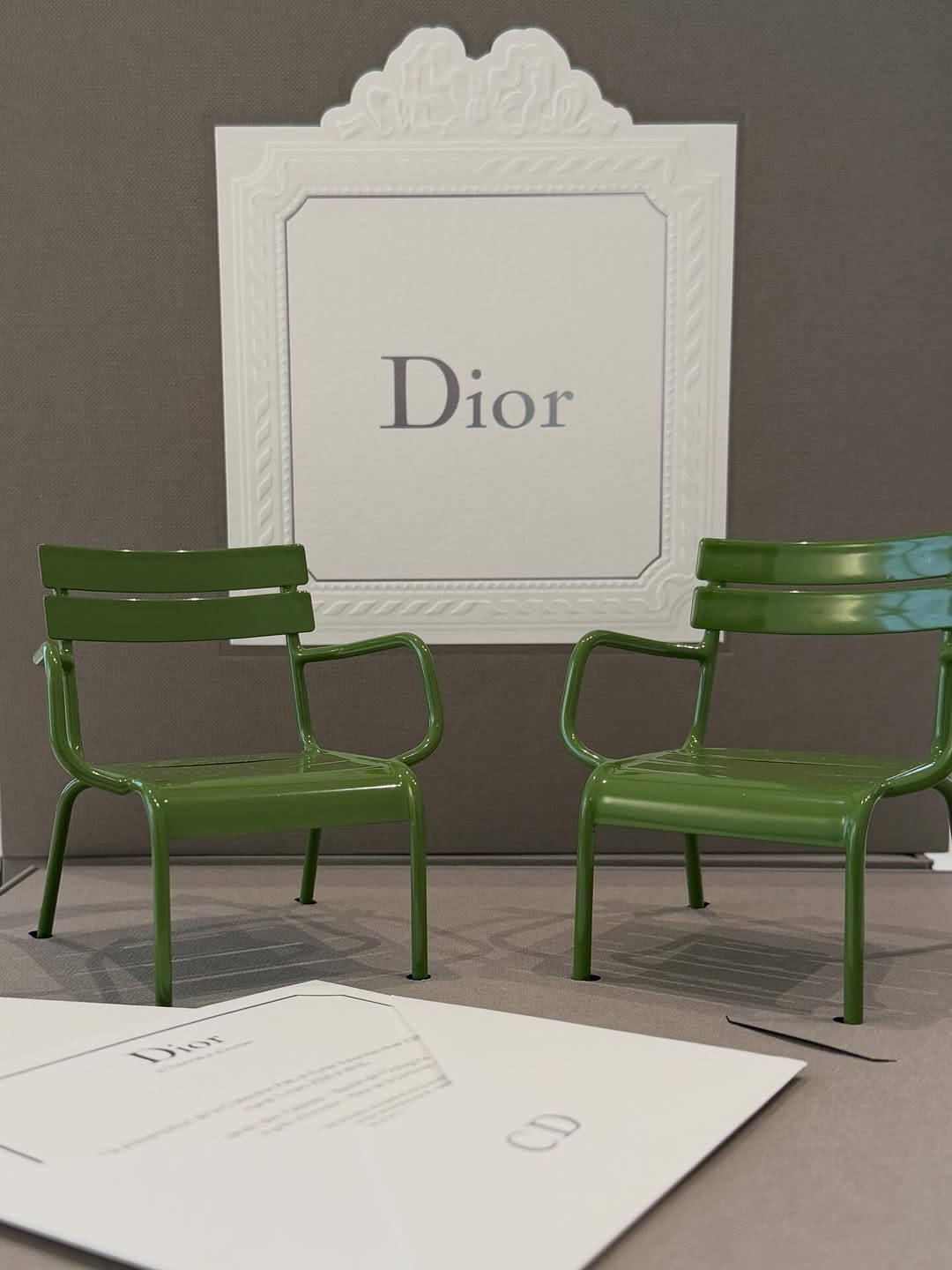
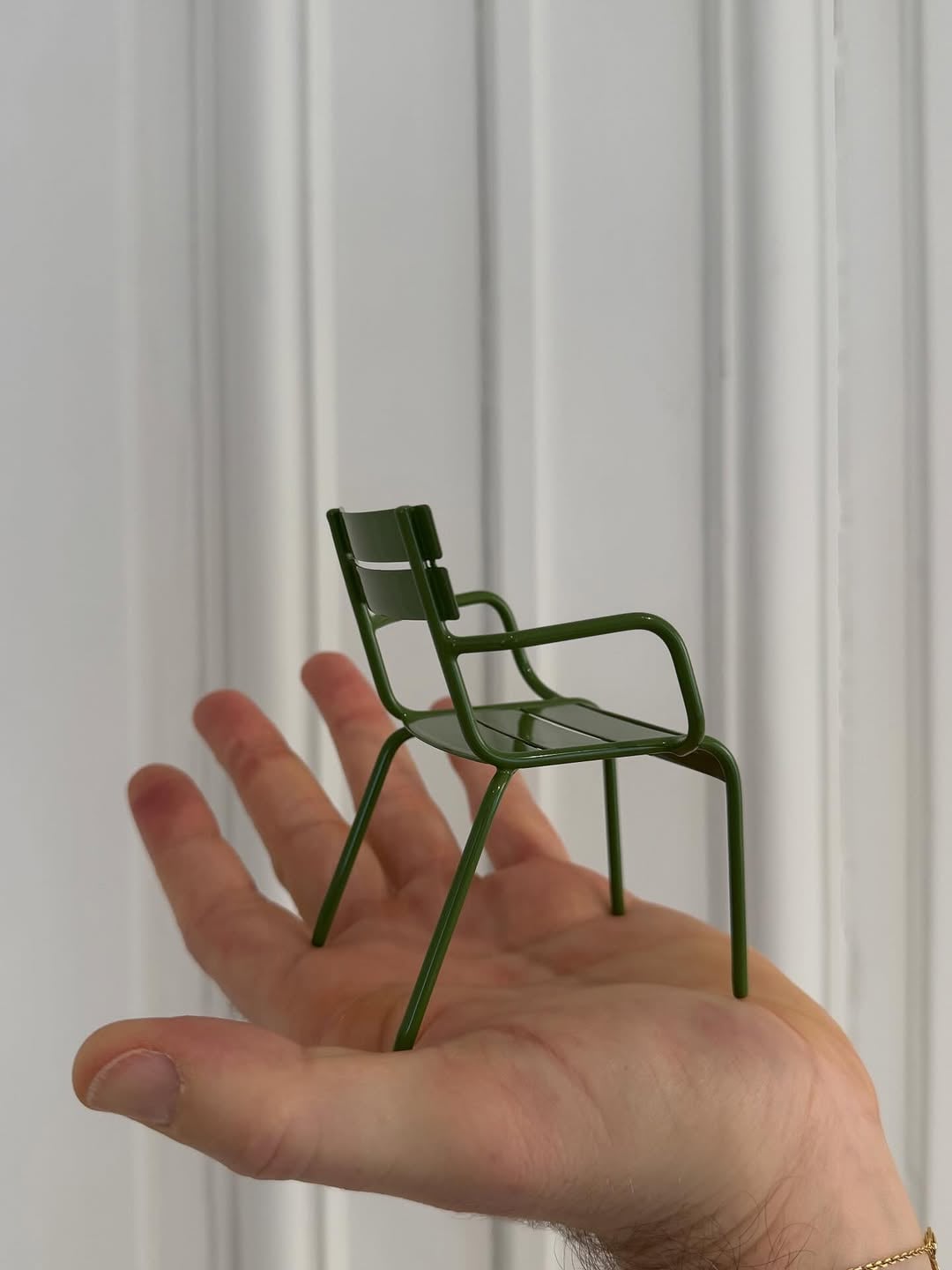
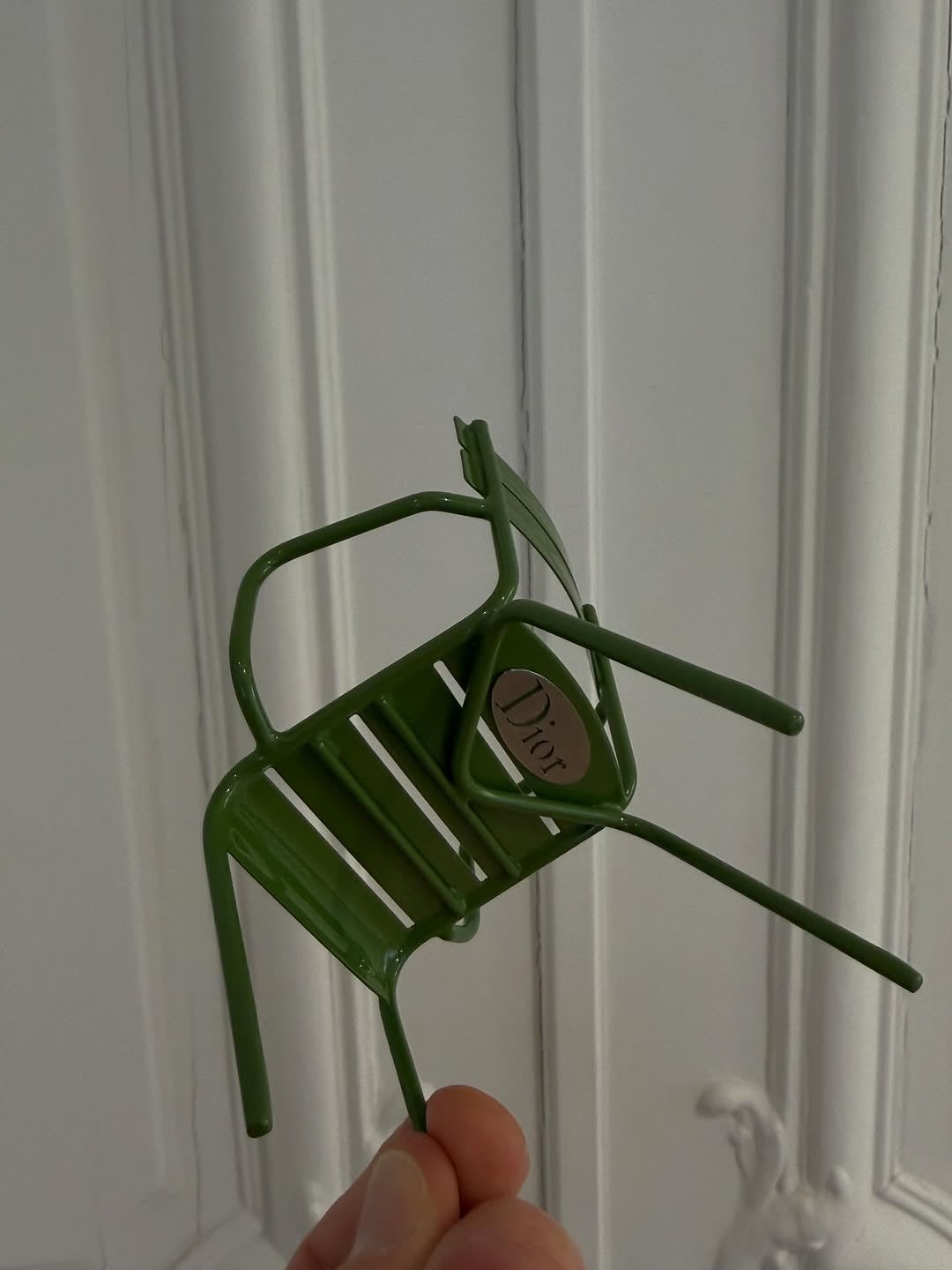
The thematic groundwork was laid with an exquisite invitation: a perfectly scaled-down replica of the iconic Tuileries chair, fashioned by Edmond & Fils, the original 1920s manufacturer. This miniature piece, subtly branded with the Dior insignia beneath the seat, served as a tangible metaphor for Anderson’s interest in the "readymade"—objects so intrinsically linked to a location that their mere presence signals identity and memory. As Anderson discussed with Bella Freud days before the show, this collection explored how clothing functions today, shifting from a mere indicator of social status to a deeply personal psychological statement, much like choosing one’s spot on a park bench. He noted his own reliance on a "tight formula" or uniform to anchor his creative process, a principle subtly echoed in the collection’s refined structure.
The runway itself transformed the Jardin des Tuileries into an immersive installation. Guests observed the presentation from behind glass panels, resembling a sophisticated greenhouse, while the models traversed a pathway built across a lily pad-adorned fountain. The perimeter featured structural green metalwork, directly referencing the collection’s muse—the park chair. The accompanying soundtrack further enhanced this atmosphere, beginning with ambient garden sounds that slowly evolved into softened, yet quickened, subtle techno beats, mirroring the serene yet energetic rhythm of the park environment.
The Ready-to-Wear: Structure Meets Fluidity
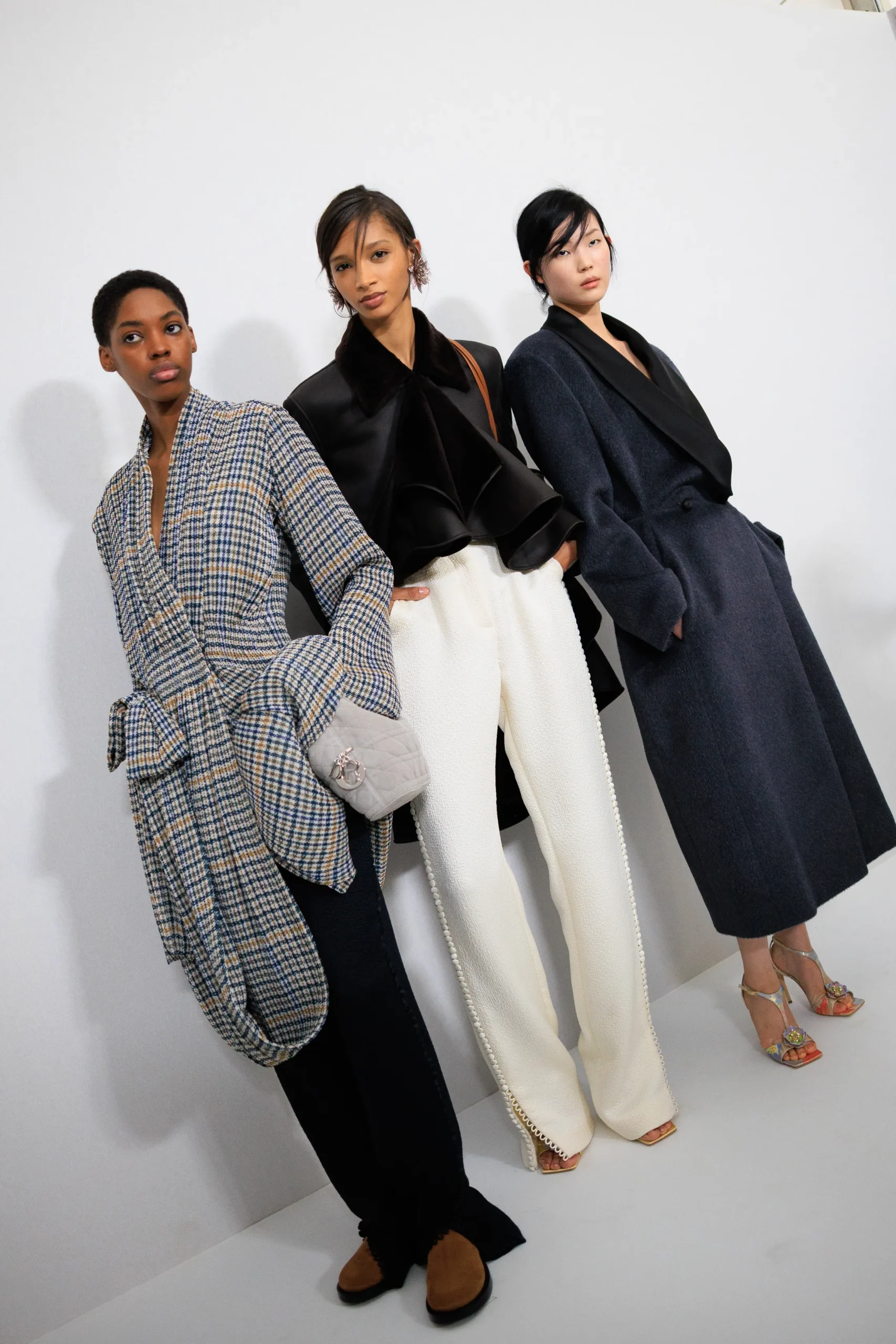
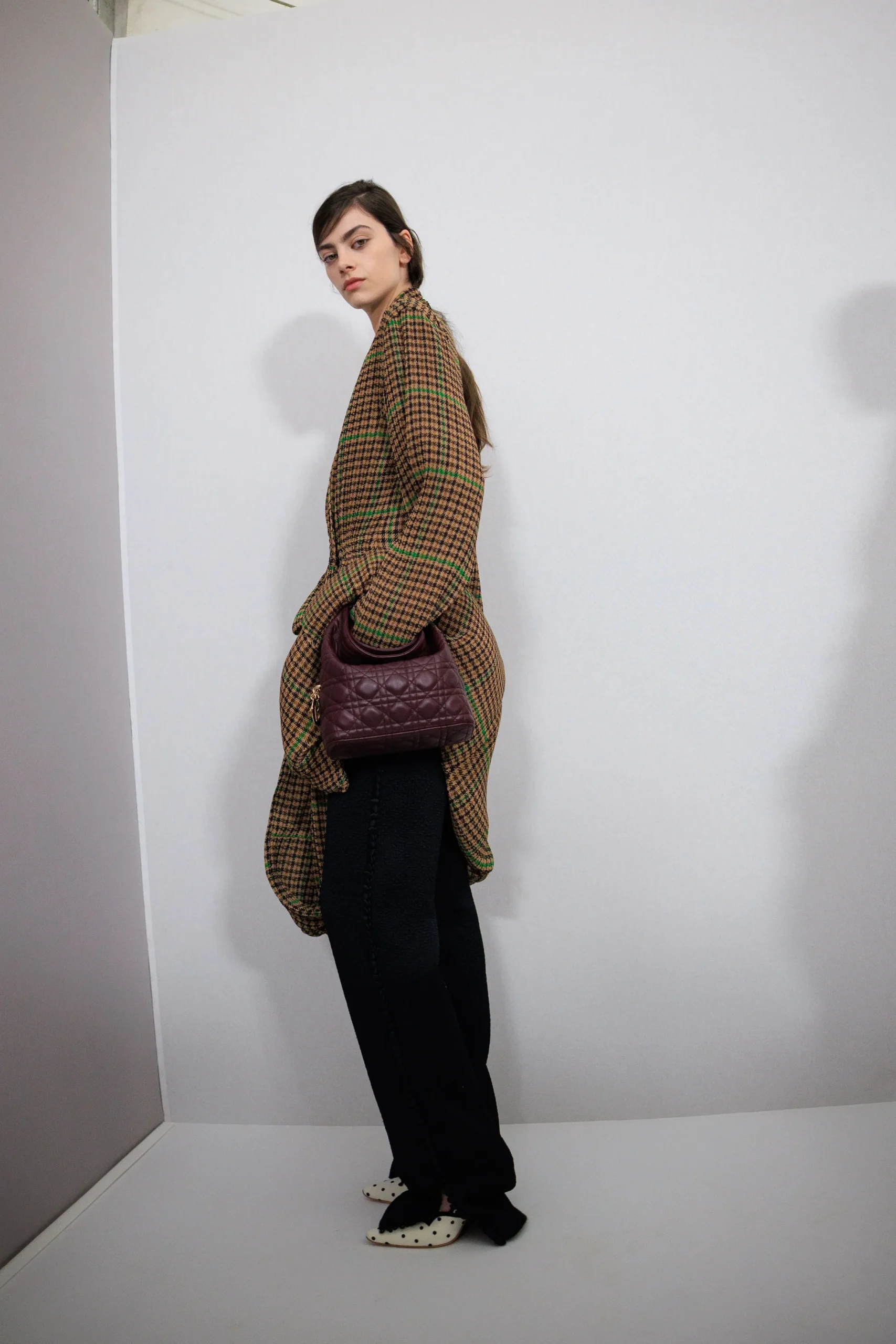
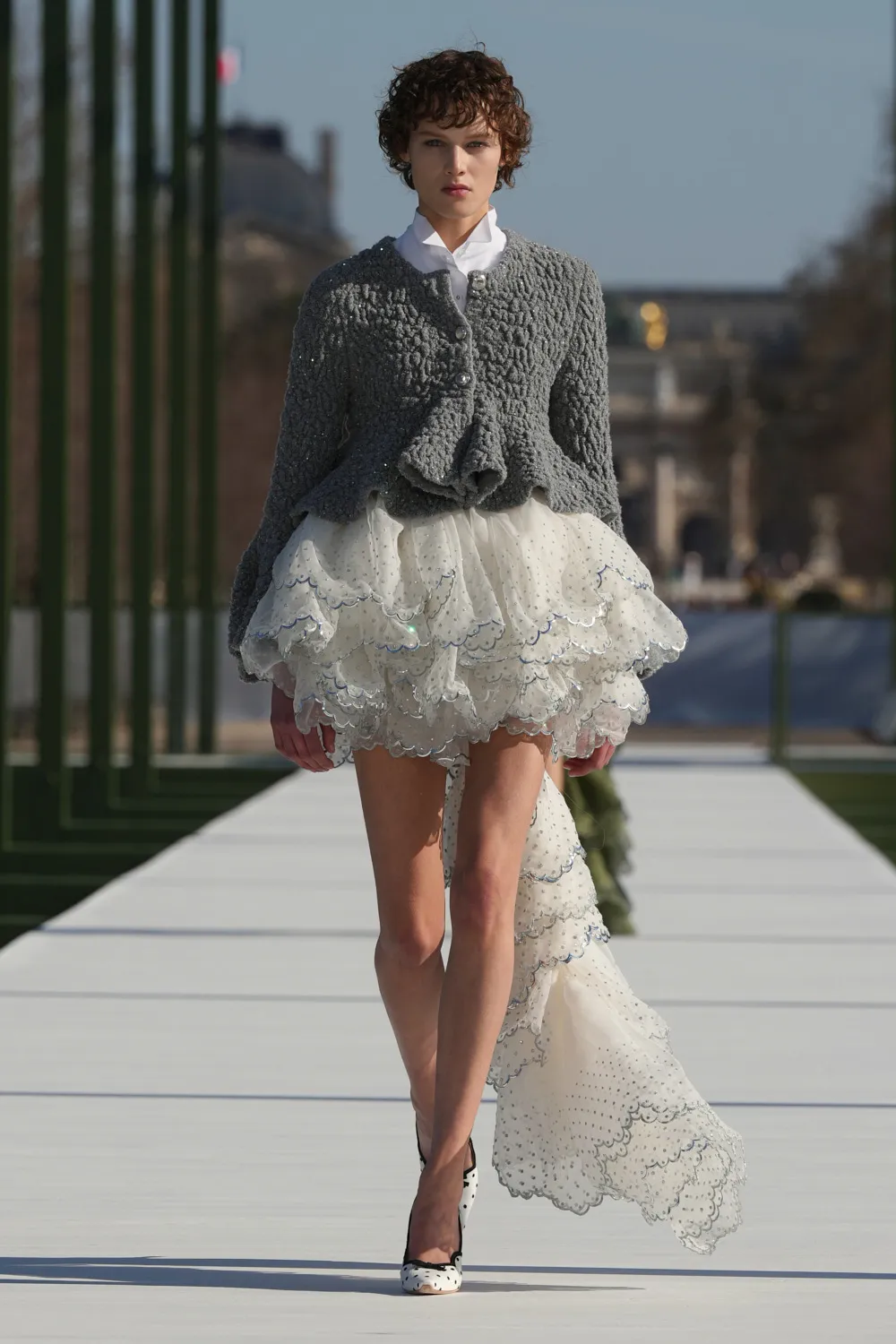
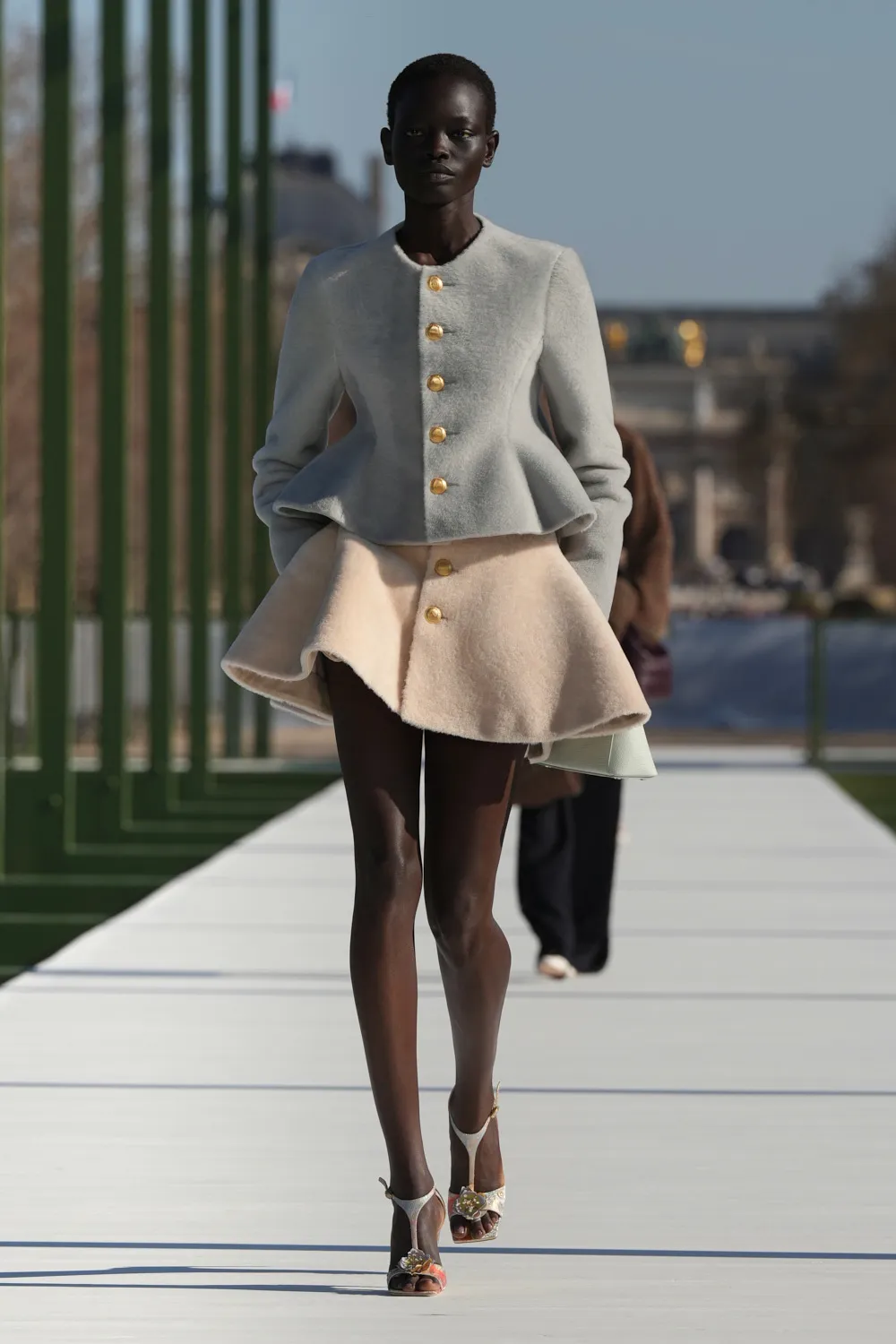
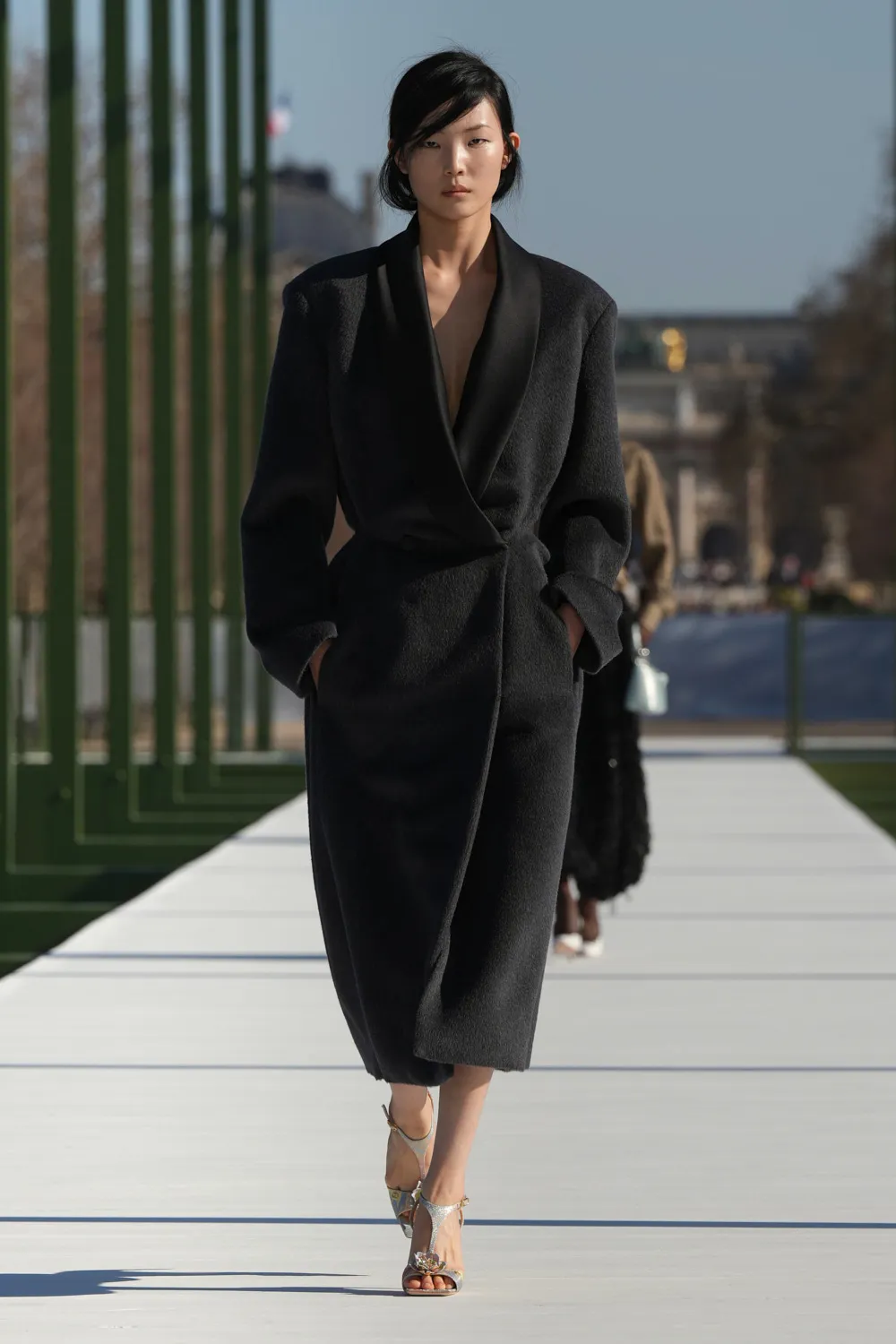
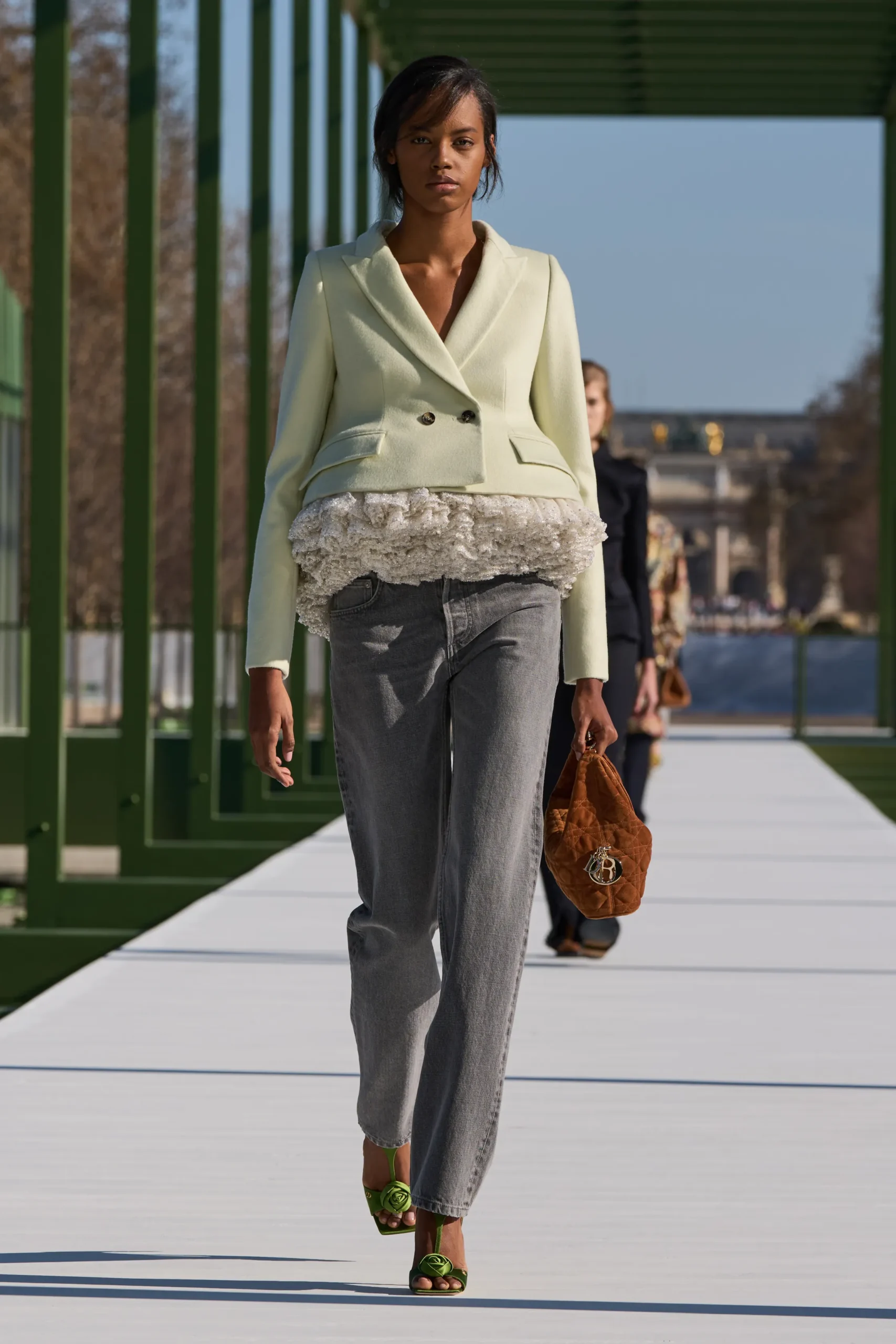
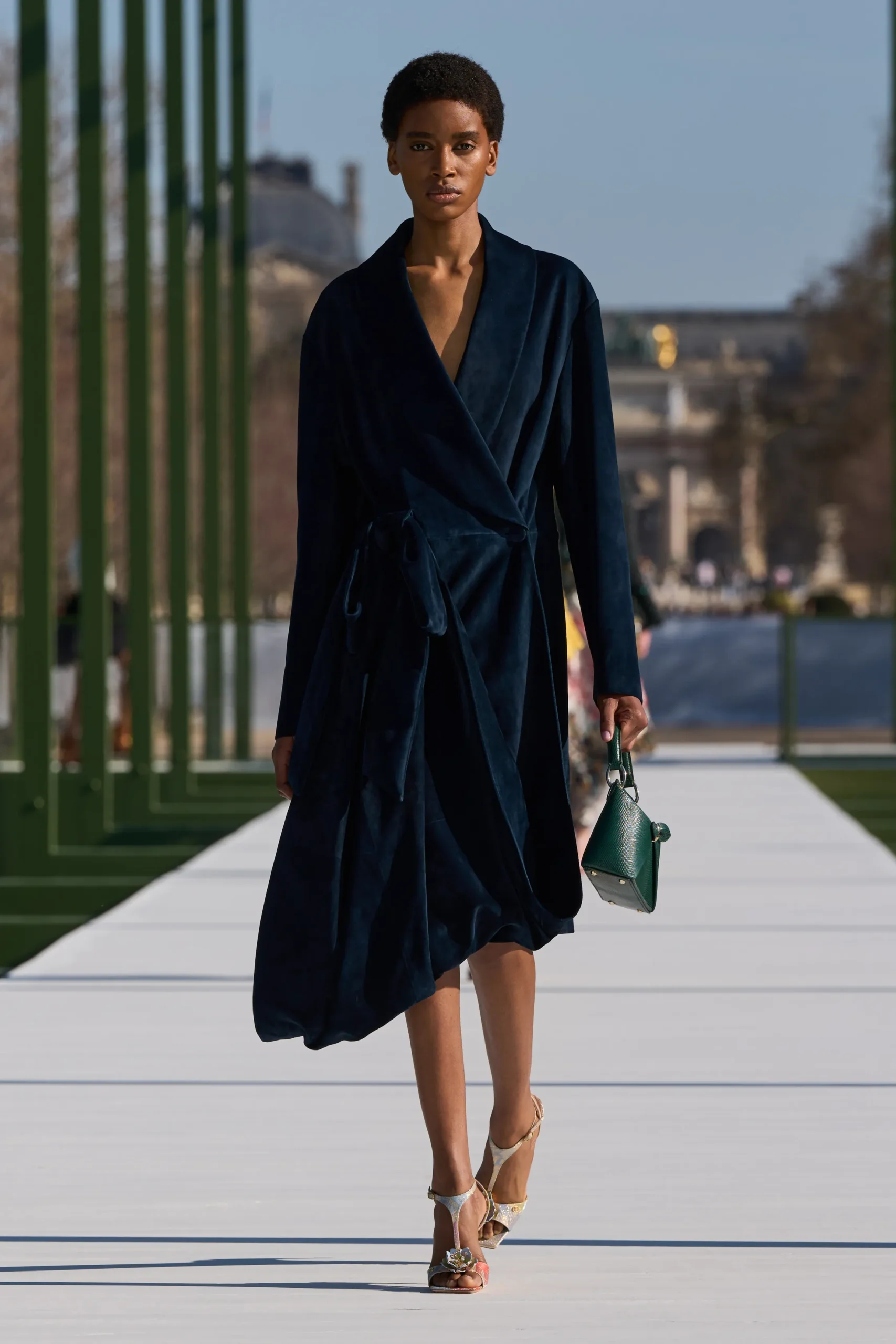
Anderson’s silhouettes for AW26/27 played a dynamic game of contrasts, juxtaposing rigid tailoring with graceful volume. The collection showcased sharp, structured Bar and peplum jackets, which were frequently offset by unexpectedly short, flouncy skirts, injecting a sense of playful movement into the classic Dior codes. Frills and layered draping were employed to soften the architectural tailoring, creating silhouettes that moved dramatically with the wearer. This tension between structure and fluidity was balanced by the grounding presence of sweeping maxi coats, designed for both weight and practical wearability throughout the cooler months. The palette was rich, reflecting the transition from autumn foliage to deeper winter tones, punctuated by unexpected bursts of color mirroring the small, vibrant life within a garden setting.

The Autumn/Winter 2026/27 Handbag Highlights
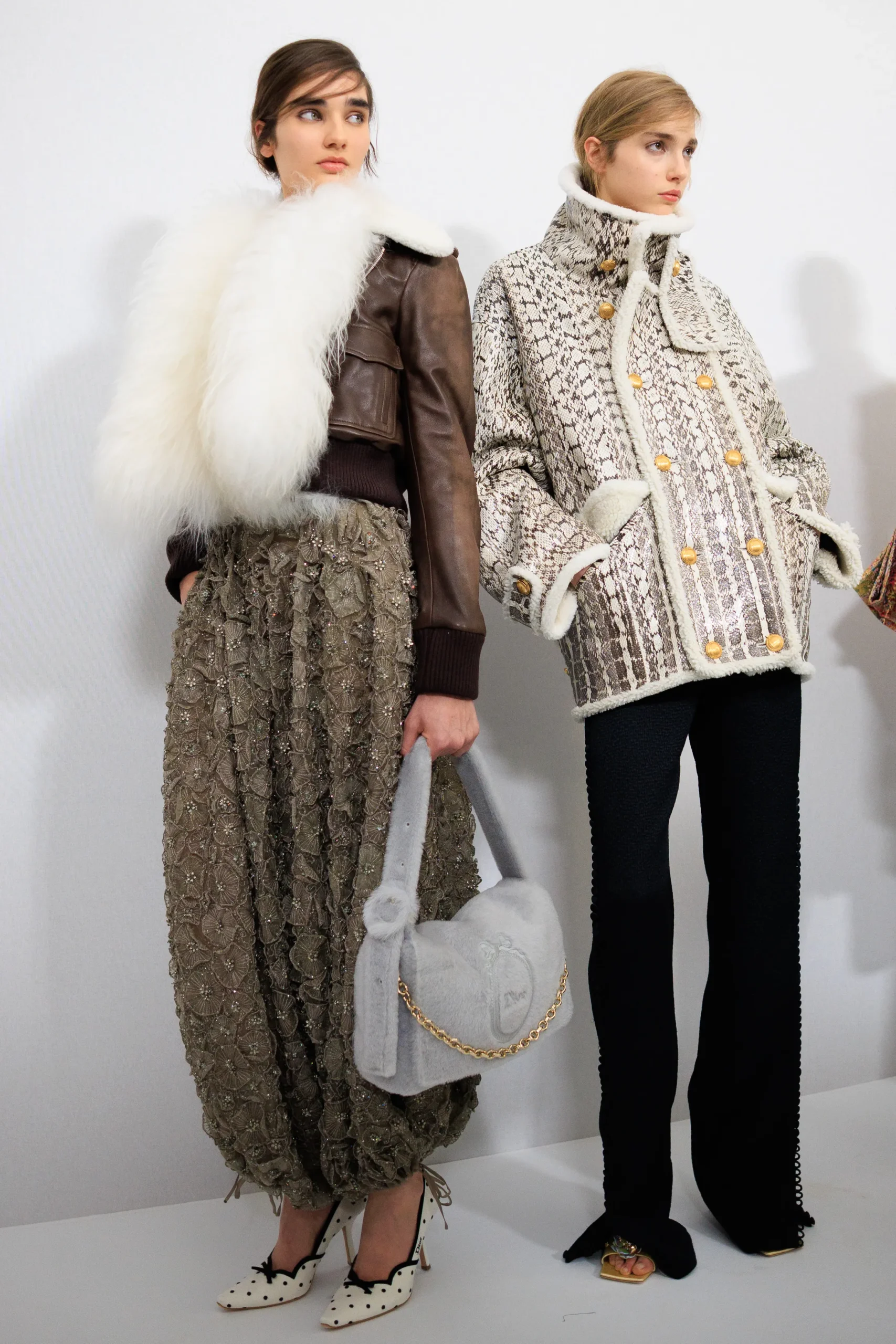
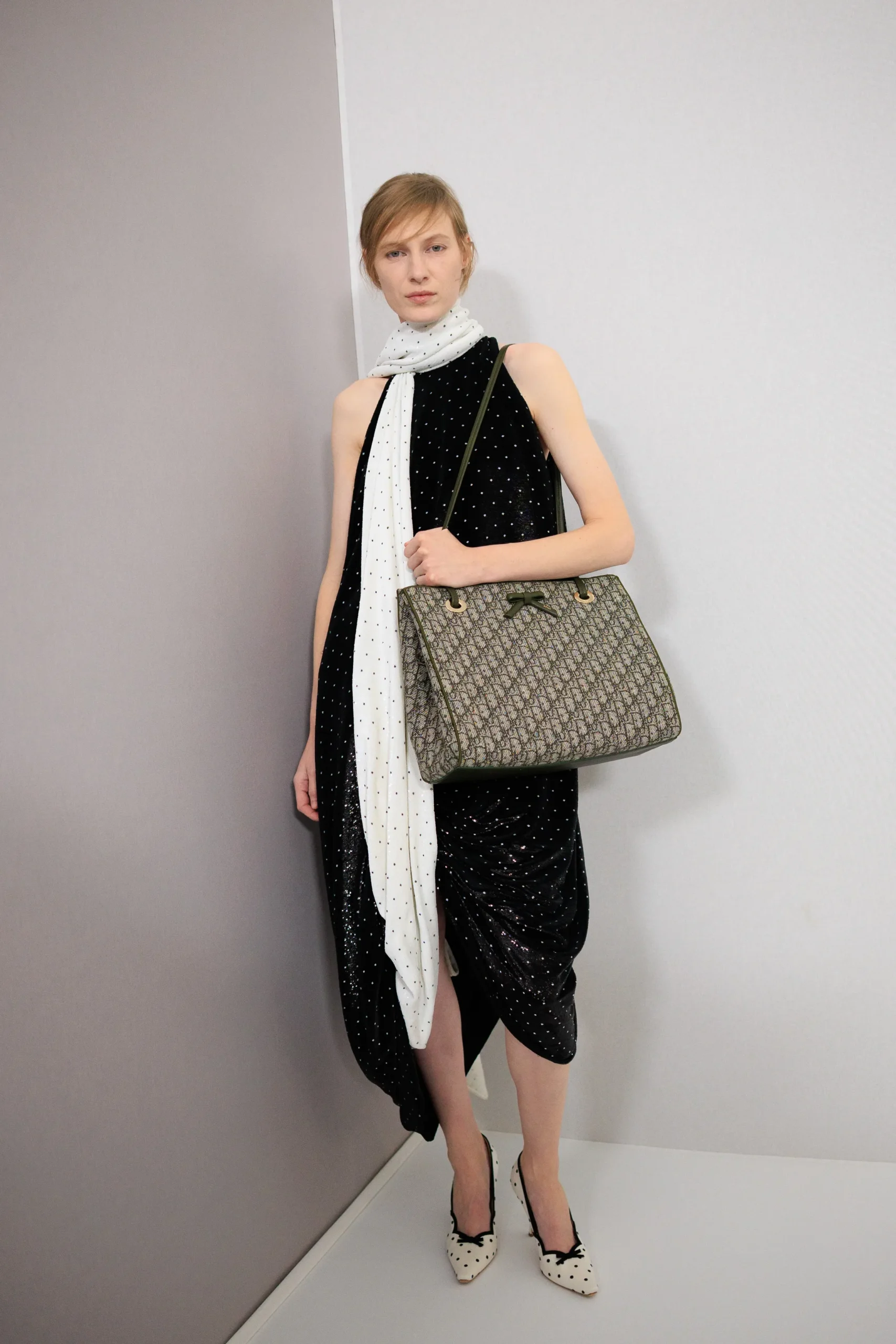
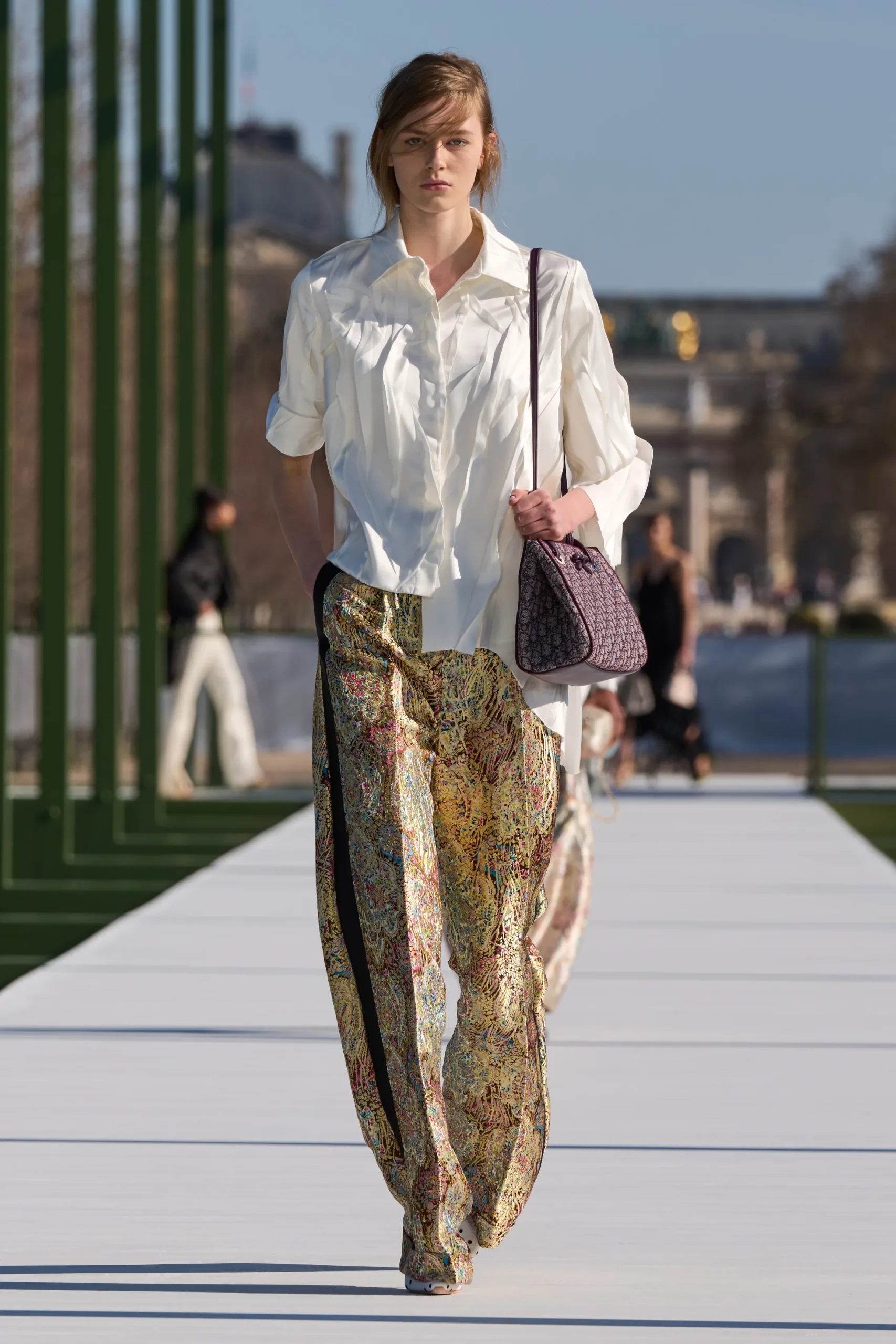
The accessories continued Anderson’s dialogue between established heritage and emerging forms, featuring continuations of silhouettes seen in his preceding Spring/Summer 2026 ready-to-wear and Couture collections. Key materials included supple suede, the signature Oblique canvas, and the newly emphasized Macrocannage leather, often treated with metallic finishes.
Macrocannage Mini Bag: A New Sculptural Shape
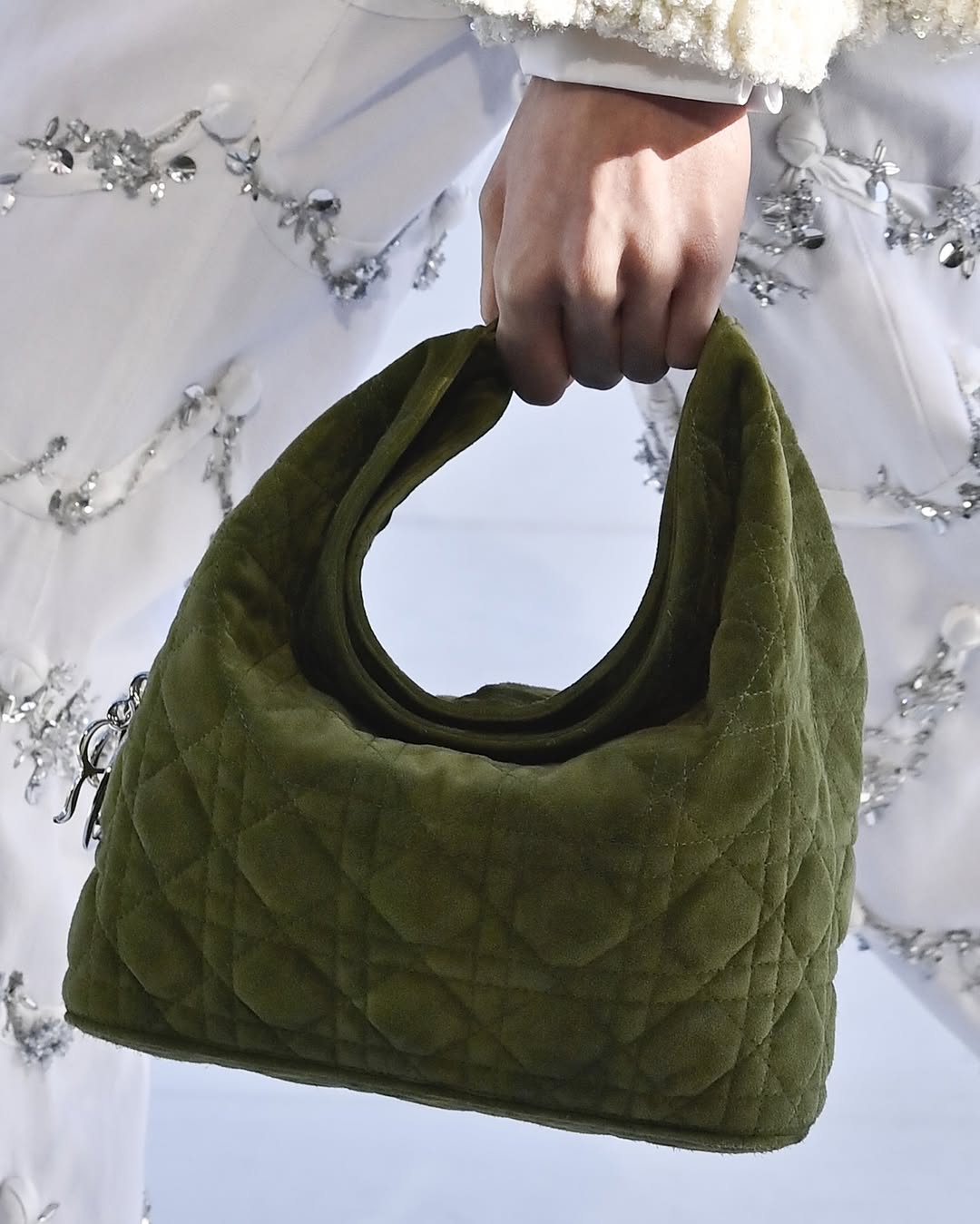
A standout newcomer was the Macrocannage Mini Bag. This piece boasted a soft, rounded body defined by the striking Macrocannage quilting, seamlessly merging into an integrated top handle for a cohesive, almost monolithic sculptural effect. The closure appeared to be a discreet zip tucked under the curved top. Adorned with the recognizable D.I.O.R. charms, the bag’s compact, rounded geometry immediately drew comparisons to contemporary favorites like the Bottega Veneta Mini Jodie. It appeared in rich autumnal hues, including deep green and dark orange suede, alongside polished leather versions in burgundy and pale blue.
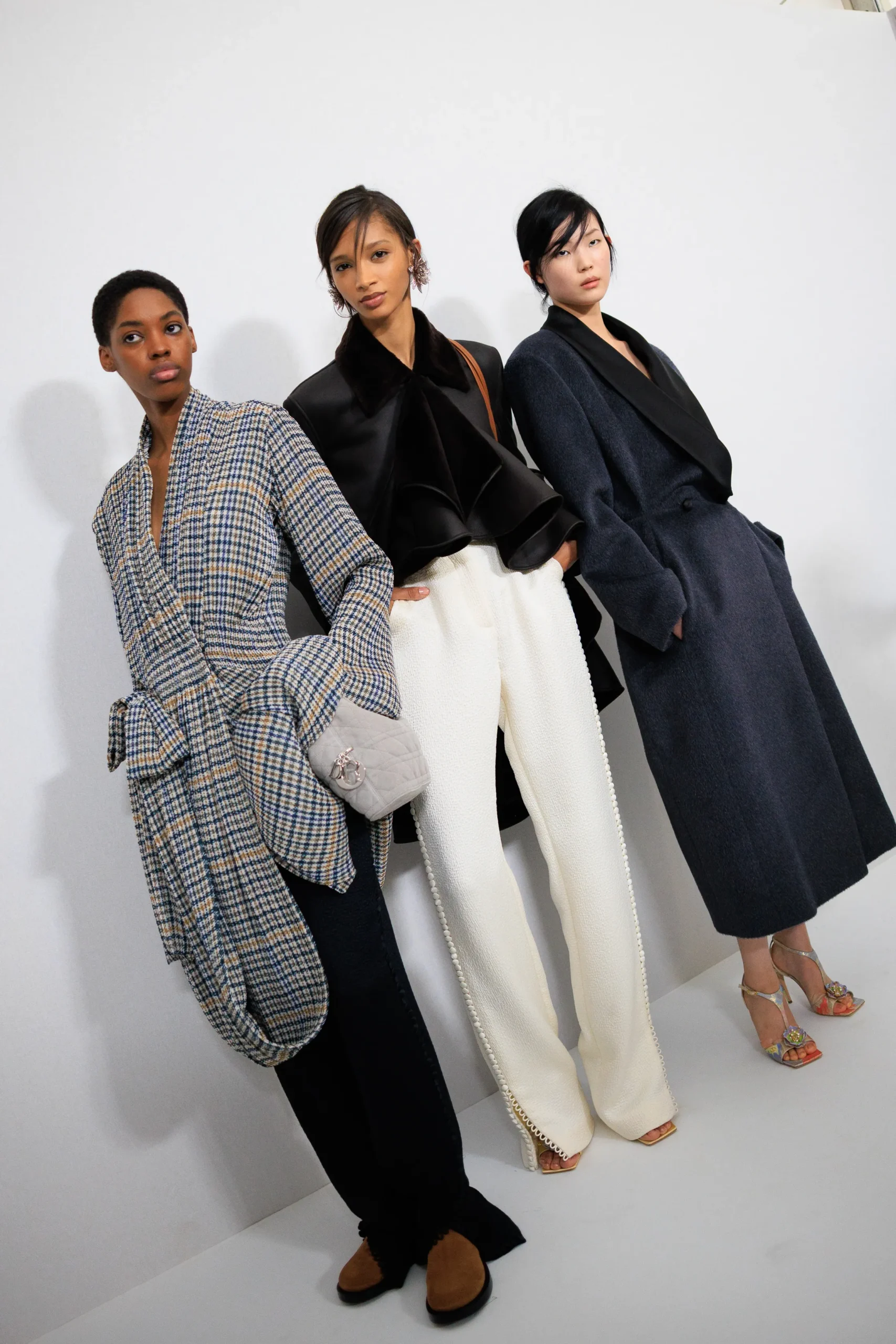
The Messenger Bag: Reimagined Utility
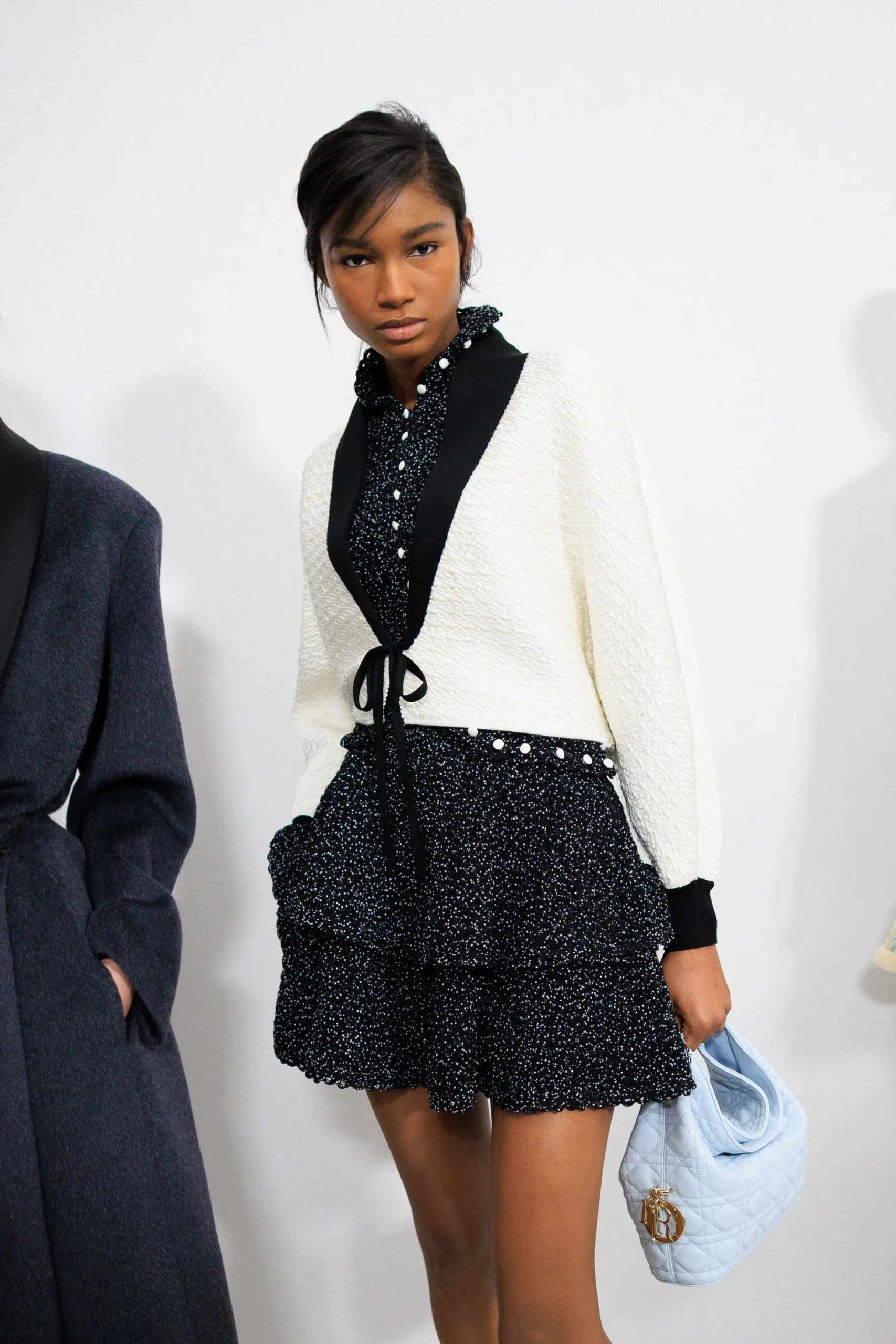
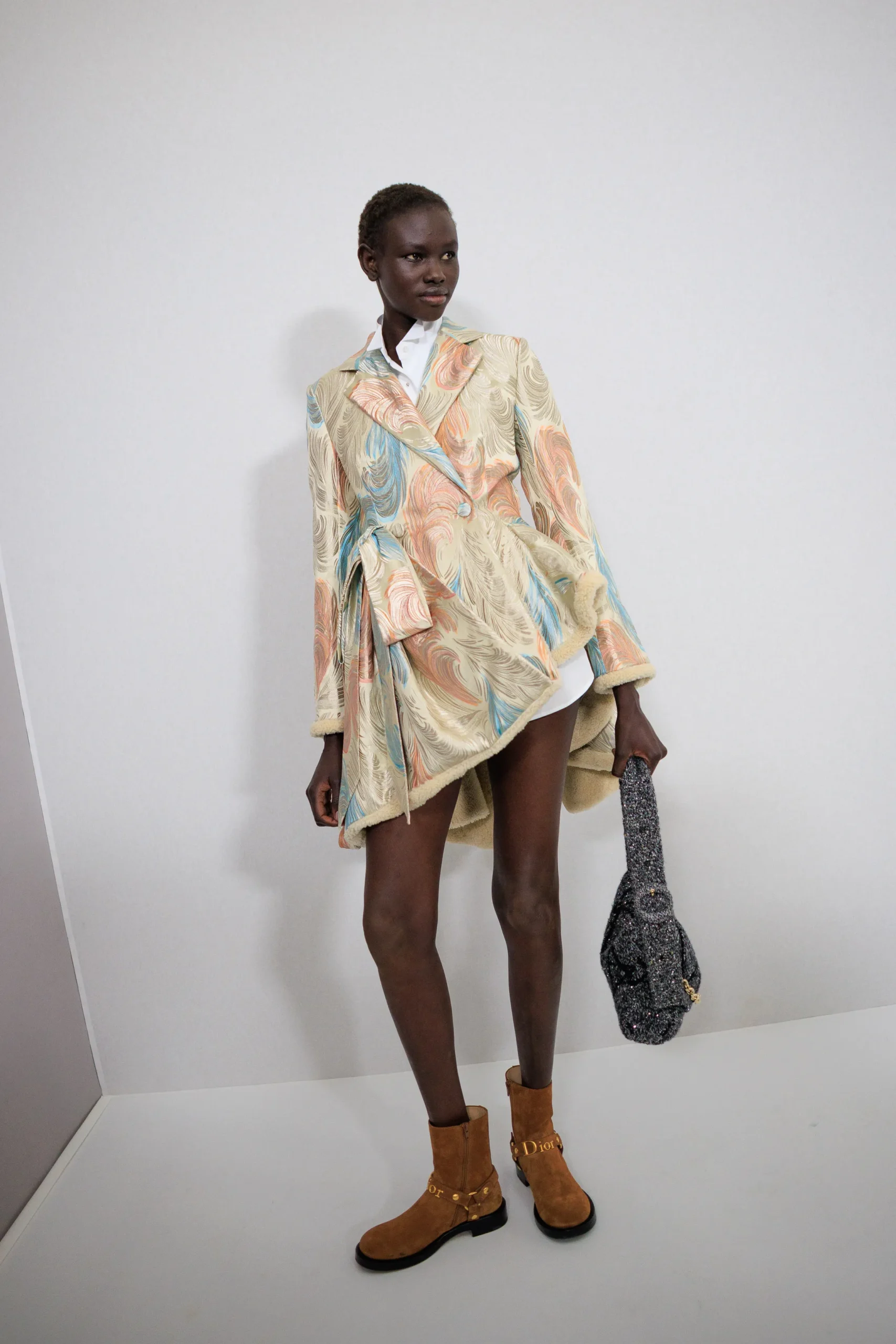
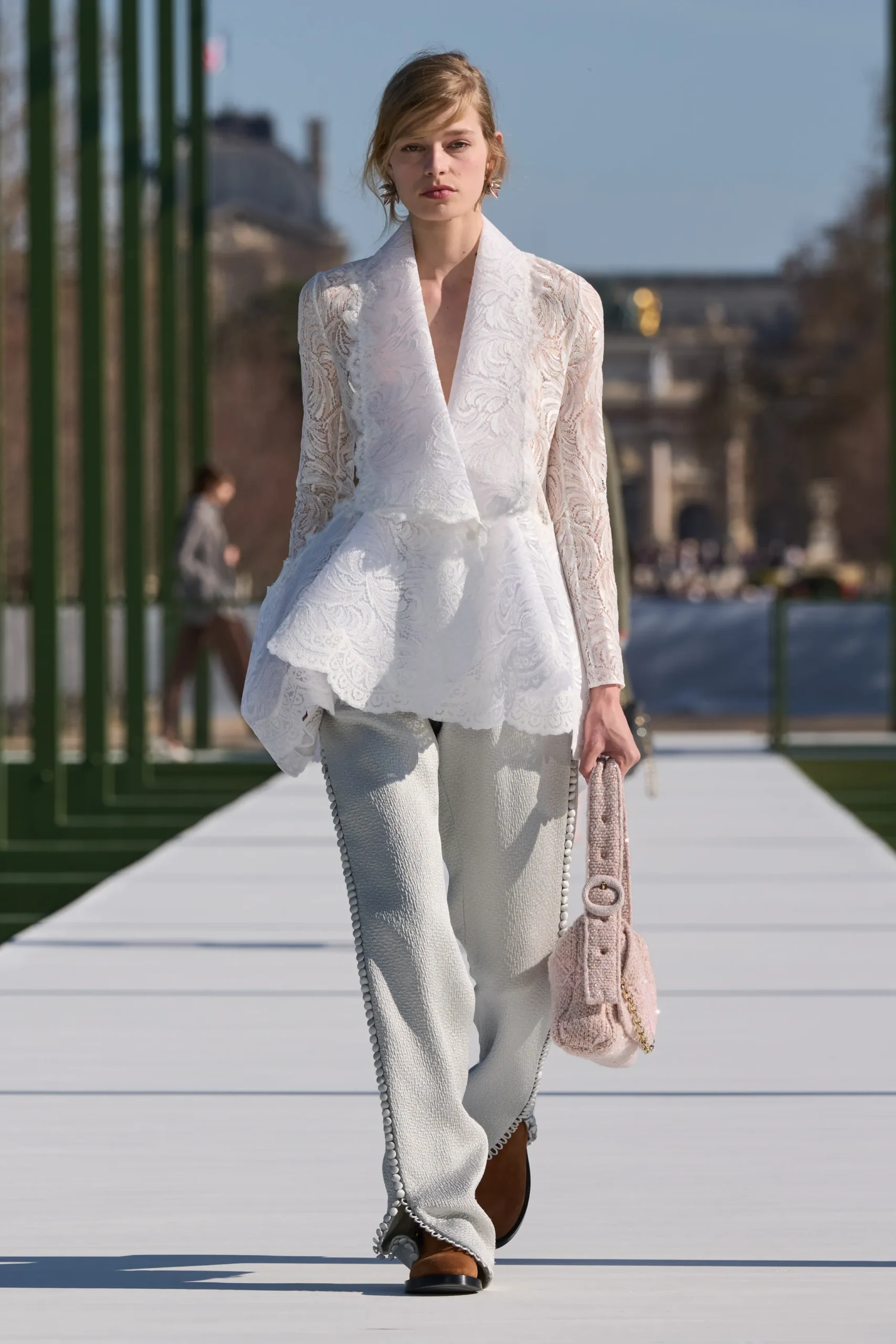
Echoing designs presented on the men’s AW26 runway, the full-flap messenger bag was revisited and refined for the women’s line. This iteration was scaled down for increased versatility and presented in textural tweed featuring an oversized Macrocannage pattern interwoven with the Dior Médallion motif. Details included an oversized buckle, subtle chain accents, and a wide, adjustable shoulder strap for comfortable cross-body wear. Colorways ranged from classic deep and light grays to a tactile light gray fur variation, offering textural depth for the season.
The Iconic Book Tote: Seasonal Embellishments
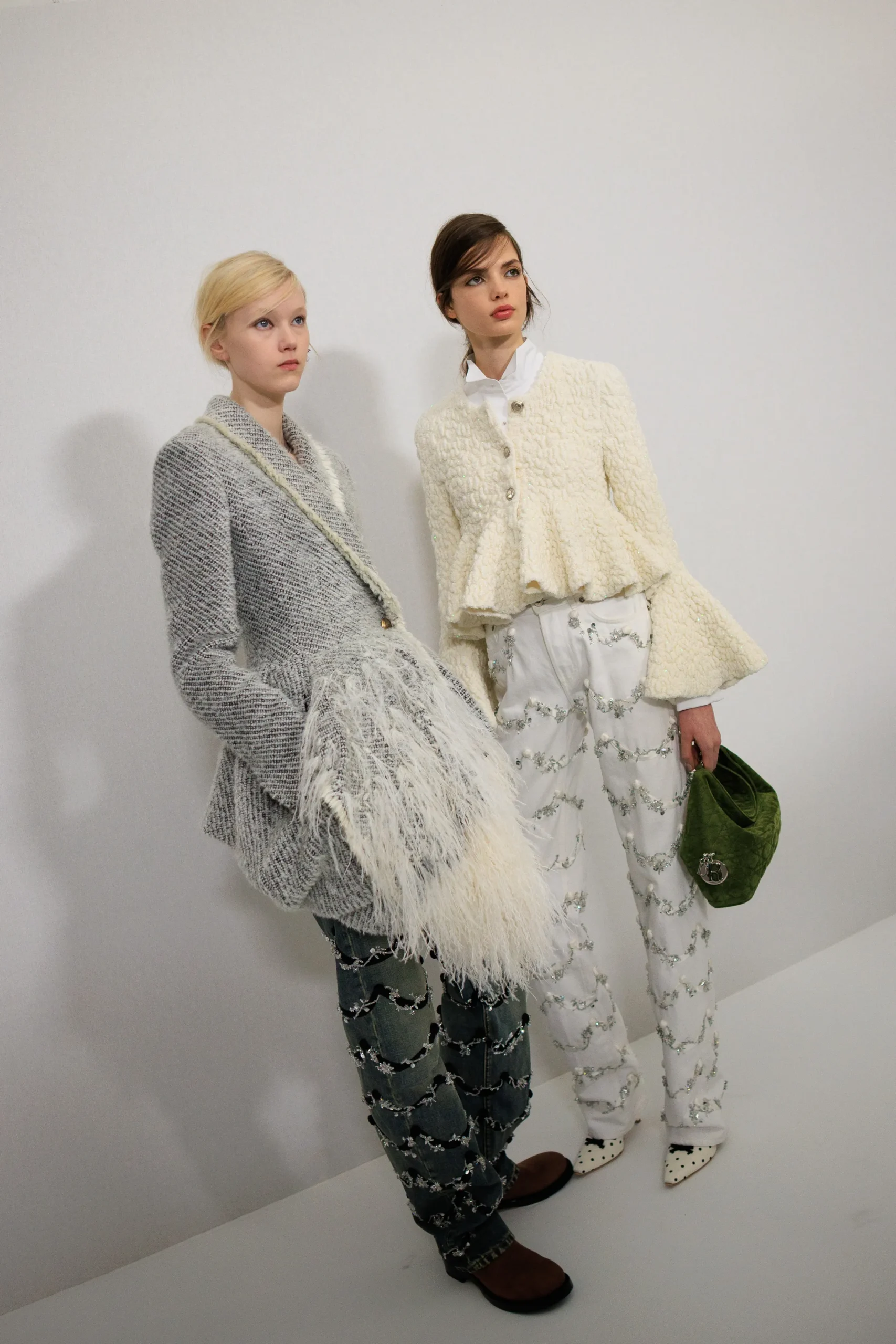
The ever-present Book Tote was updated in Mini and Small sizes. For the Autumn/Winter season, it was rendered in deep green wool, subtly infused with shimmer, and intricately embroidered with the Dior Médallion motif, maintaining its status as a coveted carryall.
The Diorly Tote: Slouchy Sophistication
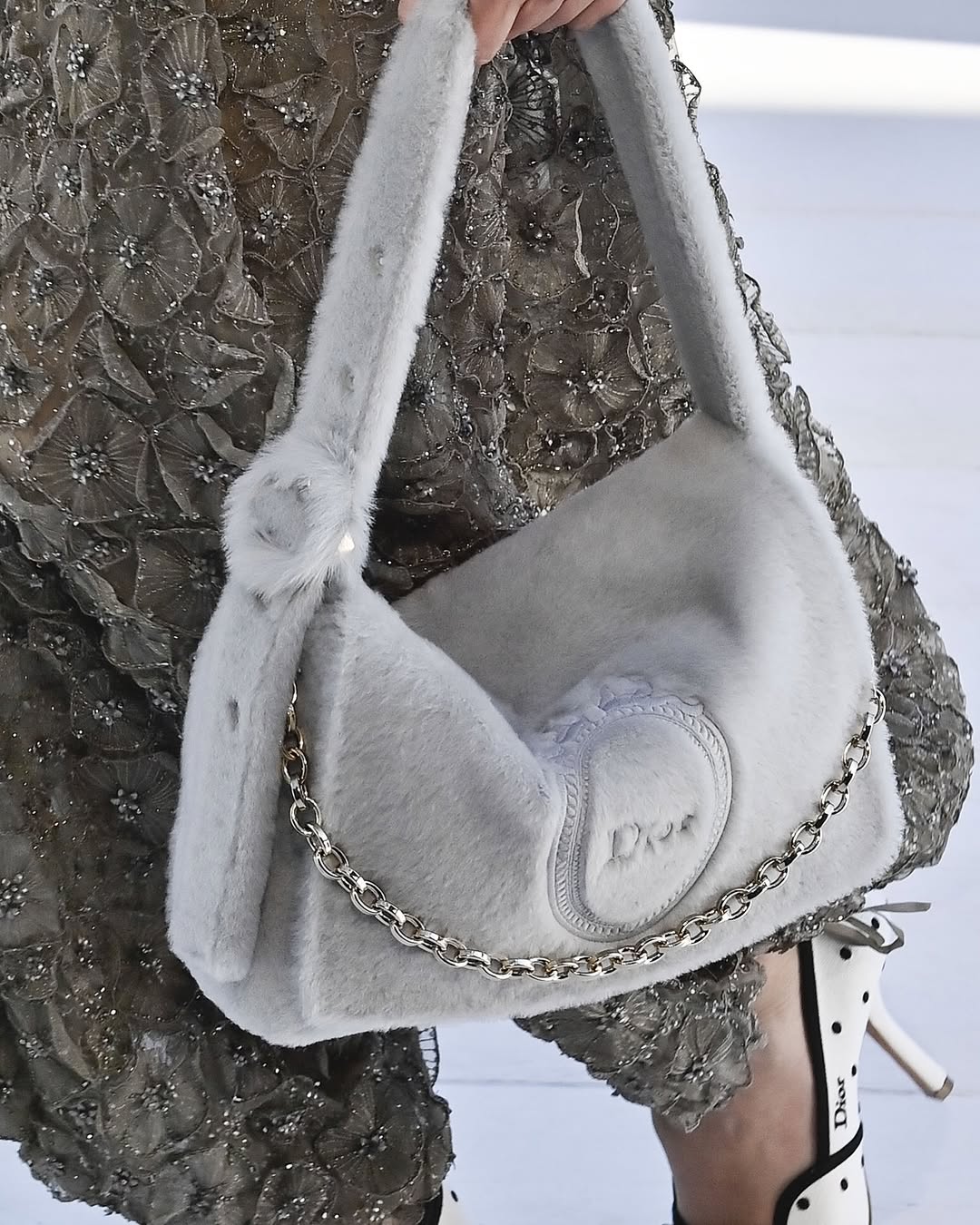
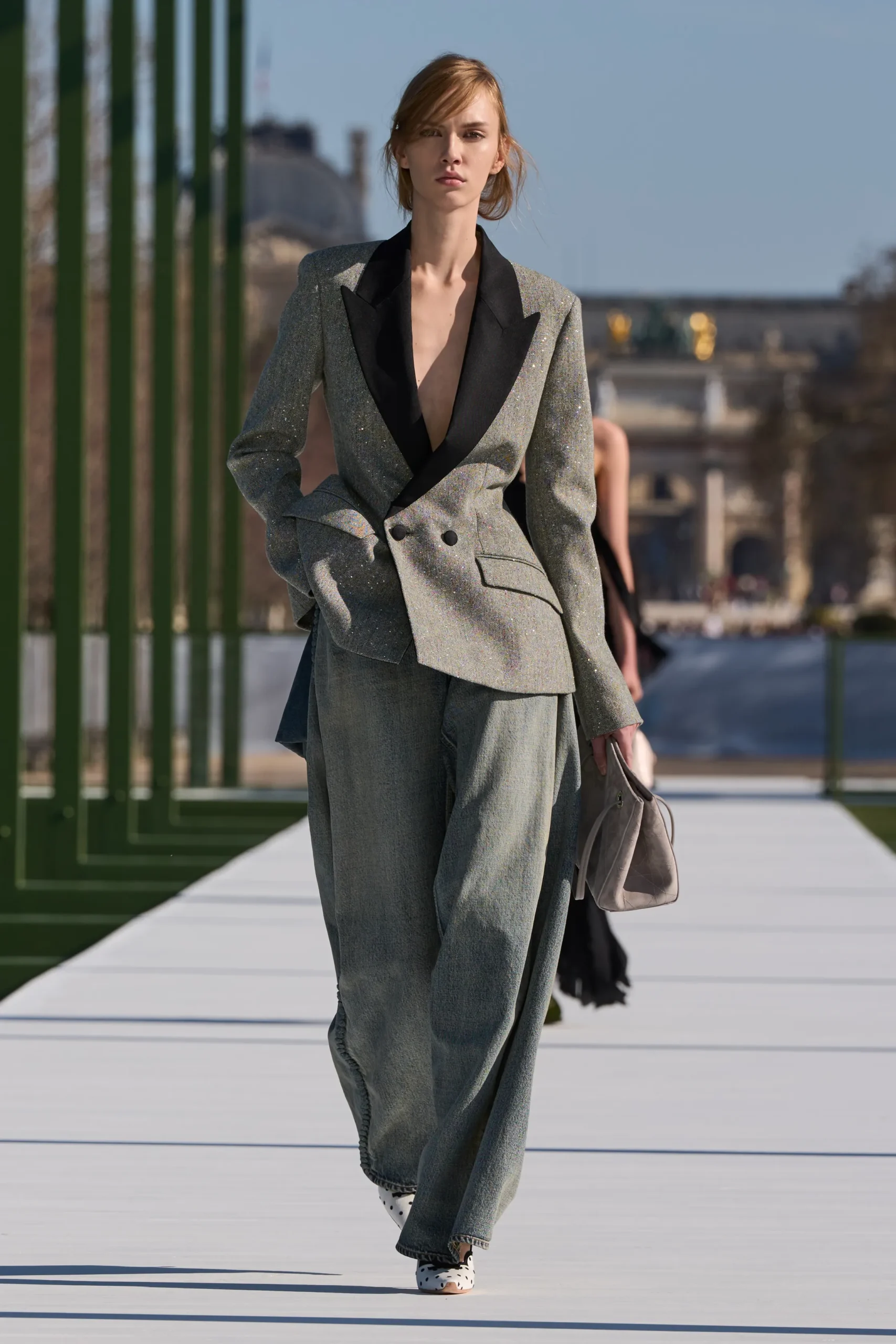
The Diorly tote made a welcome return, now executed in luxurious suede calfskin. The medium-sized bag presented a soft, deliberately slouchy body that draped elegantly over the shoulder, tethered by straps detailed with the signature D.I.O.R. hardware. Runway appearances showcased this design in delicate light gray suede with polished silver-tone hardware, emphasizing its understated luxury.
The Cigale Bag: Anticipated Arrivals
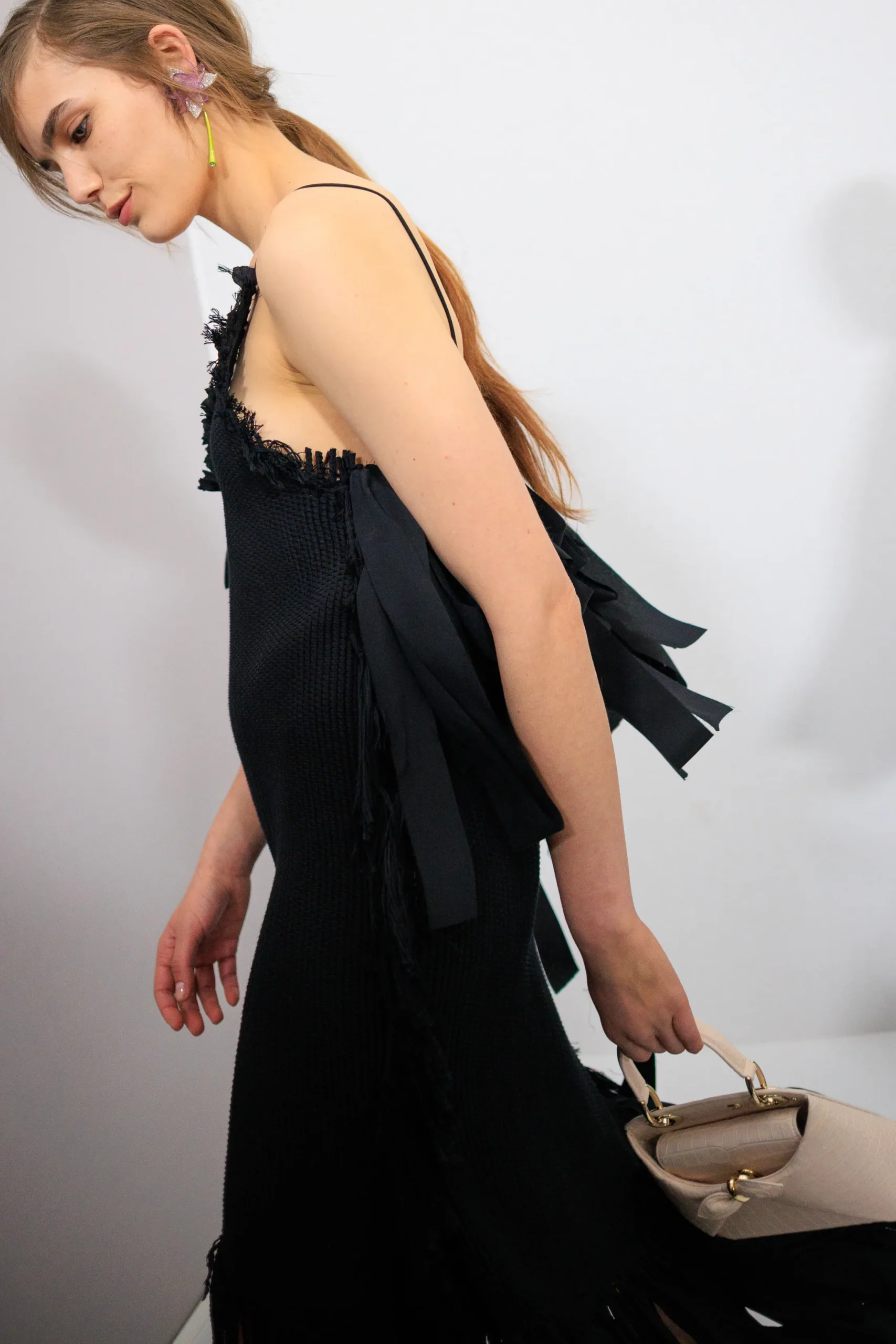
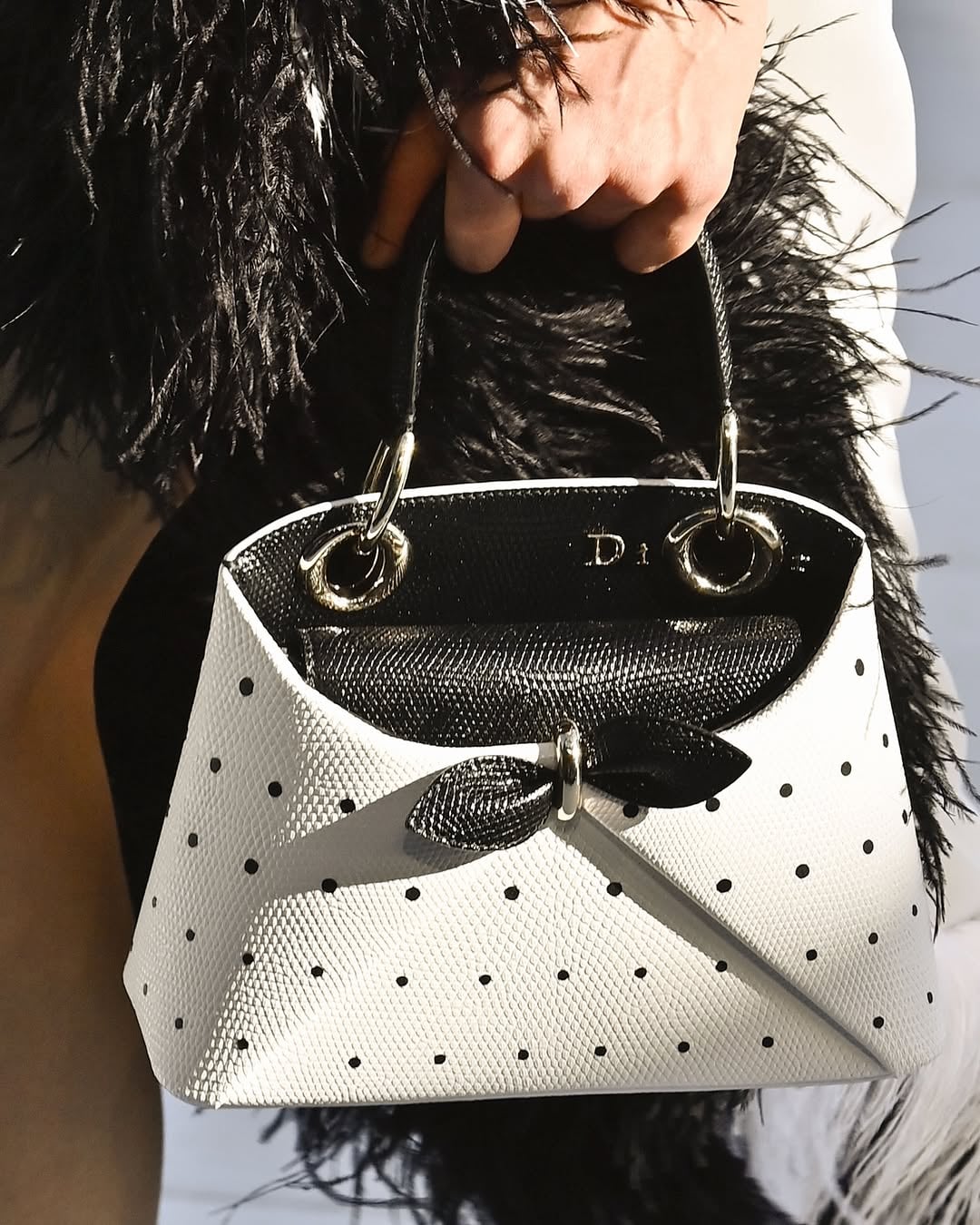
The much-anticipated Cigale Bag, already nicknamed the "Bow Bag" following its SS26 debut, continued its preview tour on the AW26 runway with fresh treatments. For the cooler season, the bow-adorned silhouette was presented in vibrant new iterations, including a deep forest green, an exotic light beige, and a charming black-and-white polka-dot print, building excitement for its general release.
Couture Echoes: Sculptural Clutches and the Frog Minaudière
The collection leaned into artistic glamour with the reintroduction of the sculptural clutch, first glimpsed on the Spring 2026 Haute Couture runway. Its cinched, elongated form suggested natural, organic shapes. These statement pieces were presented in metallic silks featuring painterly swirl effects in soft pink, light blue, and ivory, alongside bold sequined versions. While designed to be carried as a hand-held clutch, a delicate chain strap offered optional shoulder wear.
Most whimsical was the singular Frog Minaudière, which seemed to leap directly from the lily pad fountain setting. This piece showcased Anderson’s penchant for precise, nature-inspired craft, featuring a soft green velvet top, a glossy enamel underside, and detailed gold-tone feet, directly referencing the insect-themed minaudières from the Couture season.
The Softened Classic: The Cannage Tote
Anderson applied his softening touch to another Dior cornerstone: the Cannage Tote. This season saw the classic quilting rendered with a subtly puckered texture, giving the leather a gentle, almost yielding movement. Carried by its chain straps on the runway, the AW offerings incorporated textured wool fabrications embellished with sequins, appearing in shades like pale yellow with floral applications, charcoal gray with subtle shimmer, and a light blue denim finish.
Jonathan Anderson successfully orchestrated a collection that felt both deeply rooted in the Parisian experience—the simple act of sitting outdoors—and forward-looking in its design language, offering a wardrobe built on psychological resonance rather than rigid formality, perfectly complemented by a robust and imaginative array of new and evolving handbag icons.
Which of these Dior bags are you most excited to add to your Autumn–Winter wardrobe?