

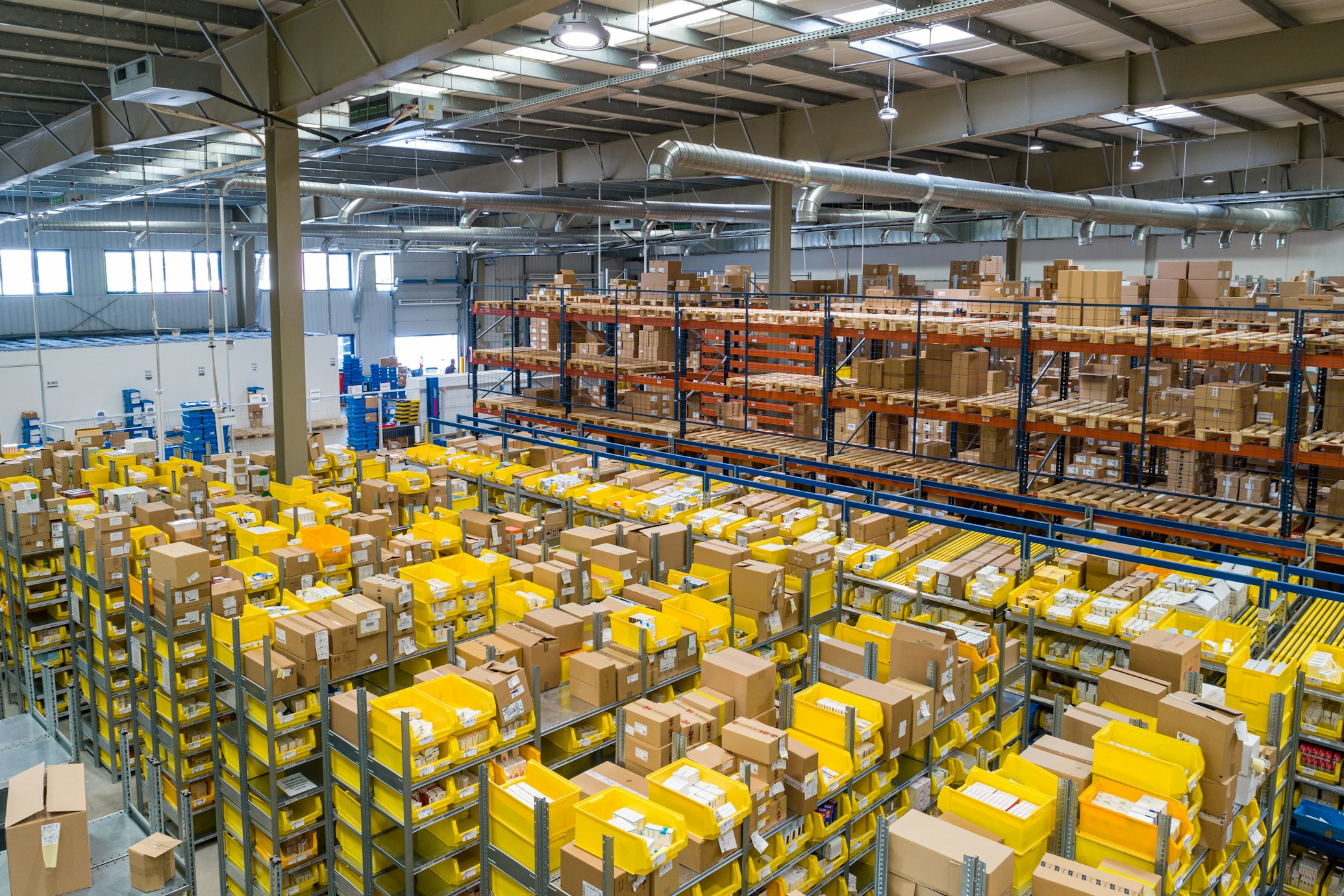
For decades, the mantra in global logistics was efficiency above all else. Driven by lean manufacturing principles and the promise of globalization, supply chains were optimized for minimal inventory, speed, and the lowest possible cost per unit. This paradigm, often summarized by the ‘just-in-time’ (JIT) philosophy, served corporate balance sheets remarkably well until global disruptions became the norm rather than the exception.
Today, logistics managers are engaged in a profound strategic reassessment. The ‘real reason’ they are rethinking everything is not merely one isolated event, like a pandemic or a canal blockage, but the convergence of systemic fragility exposed by these events. The cost of efficiency has proven to be unacceptable risk.
The Erosion of Predictability: From Stability to Volatility
The foundational assumption of the JIT model was relative stability in geopolitical, environmental, and labor conditions. That assumption is now obsolete. Logistics managers are grappling with unprecedented volatility across every vector of the supply chain.
Geopolitical Instability: Trade wars, tariffs, and regional conflicts necessitate constant re-routing and re-sourcing. A single political decision thousands of miles away can instantly invalidate a carefully constructed, multi-year transportation contract. This demands agility that JIT inherently discourages.
Climate Change Impacts: Increasingly frequent and severe weather events—droughts affecting inland waterway transport, hurricanes closing major ports, or extreme heat disrupting rail operations—mean that contingency planning must now include probabilistic environmental modeling, not just standard deviation analysis.
The Inventory Dilemma: Shifting from Lean to Resilient
The most visible strategic shift is the move away from minimal inventory. While carrying safety stock incurs carrying costs, the cost of stockouts—lost sales, damaged customer relationships, and production halts—has skyrocketed. Managers are now calculating the Total Cost of Risk (TCR) rather than just the Total Cost of Ownership (TCO).
This leads to critical decisions regarding inventory placement:
- Decentralization: Moving away from massive, centralized distribution hubs to smaller, regional micro-fulfillment centers. This shortens the ‘last mile’ and provides redundancy if one hub goes offline.
- Strategic Stockpiling: Identifying critical components or long lead-time items and maintaining buffer stock, effectively implementing a ‘just-in-case’ (JIC) approach for high-risk inputs.
- Nearshoring and Friend-shoring: Actively moving production closer to end markets (nearshoring) or consolidating supply chains within politically aligned nations (friend-shoring) to reduce transit time and geopolitical exposure.
This shift requires significant capital investment, which is a major hurdle, but one increasingly viewed as necessary insurance.