

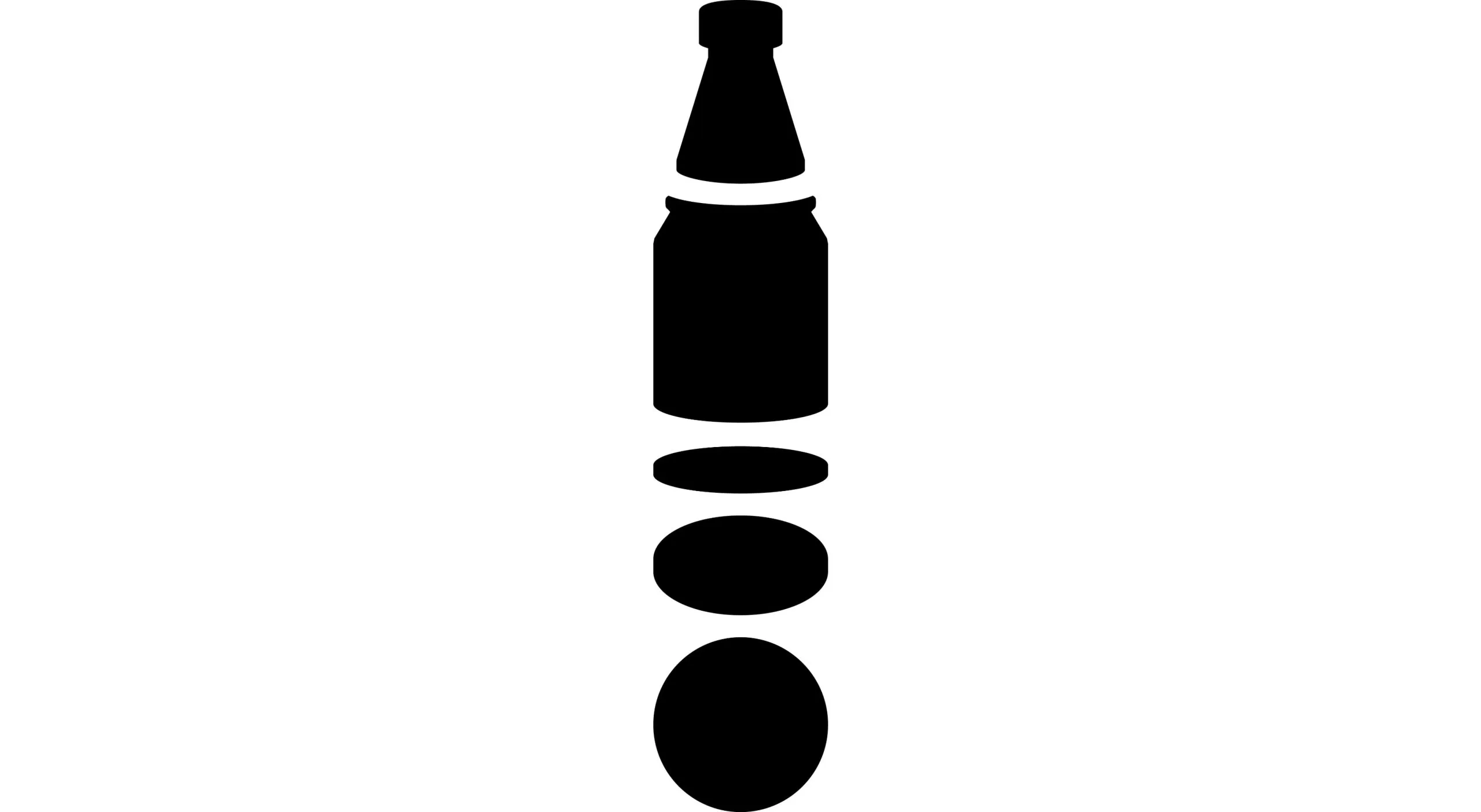
The cornerstone of the United Kingdom’s forthcoming Deposit Return Scheme (DRS) has been firmly laid, as Exchange for Change, the appointed industry body responsible for the scheme’s execution across England, Scotland, and Northern Ireland, has officially published the comprehensive regulatory requirements dictating the use of the mandatory DRS logo on all relevant beverage packaging. This pivotal release signals a critical deadline for the drinks industry, establishing a clear visual language that consumers will use to engage with the circular economy initiative when it officially commences operations on October 1, 2027.
Exchange for Change, a not-for-profit entity driven by industry collaboration, has undertaken the monumental task of designing, implementing, and overseeing the vast logistical network required for the UK’s first multi-nation DRS. Central to this infrastructure is consumer recognition and participation, which the newly mandated logo is specifically engineered to foster. The organization has made the full, exhaustive guidance document publicly accessible, providing drinks producers with the necessary technical specifications and legal parameters for incorporating the required symbol onto cans and bottles that will fall within the scheme’s scope.
The introduction of a standardized visual identifier is not merely an aesthetic choice; it is a fundamental regulatory necessity designed to eliminate confusion and streamline the return process for millions of consumers. The logo, described by its designers as a "simple, distinctive symbol," has been meticulously crafted to ensure immediate legibility and universal understanding across diverse retail environments, reverse vending machines (RVMs), and collection points nationwide. The strategic goal is to create a singular, consistent mark that bridges packaging, physical return infrastructure, and public awareness campaigns, thereby maximizing producer compliance and consumer participation rates.
The Imperative of Compliance: October 2027 Deadline Looms
The regulation is unambiguous: adherence to the published guidance regarding the DRS logo placement, size, and specification will transition from recommended practice to a mandatory legal obligation for all producers placing in-scope beverage containers on the market in the UK starting from the third quarter of 2027. Failure to comply with these aesthetic and technical standards will render packaging non-compliant with the overarching DRS regulations, potentially impacting market access for non-conforming products. This looming deadline necessitates immediate action from packaging designers, procurement teams, and brand managers within the beverage sector to integrate these changes into their long-term production schedules.
The official guidance document explicitly details the precise technical parameters for the logo’s application. While the original press release noted the absence of specific bullet points detailing the requirements in the snippet provided, the full regulatory document, as confirmed by industry stakeholders, outlines crucial aspects such as minimum size specifications to ensure legibility even on smaller formats; required contrast ratios against varying background colors or materials; acceptable positioning guidelines relative to existing mandatory labeling (such as nutritional information or recycling instructions); and specifications for digital files versus print-ready artwork across various printing technologies (e.g., digital printing, flexography, rotogravure).
Navigating Coexistence with Existing Recycling Markings
A key area of clarity provided by Exchange for Change concerns the integration of the new DRS logo alongside established on-pack recycling indicators. The guidance explicitly addresses the existing landscape of environmental labeling, confirming that producers retain a degree of discretion regarding the co-location or substitution of the DRS mark relative to pre-existing recycling labels. This flexibility acknowledges the space constraints on packaging and allows producers to optimize design layouts while ensuring the DRS symbol remains prominent and functional. For instance, in scenarios where packaging already carries comprehensive recycling instructions, producers might be permitted to replace a less critical element with the DRS logo, provided the core recycling message remains accessible. Conversely, on new packaging, the DRS logo must stand alongside, or be clearly differentiated from, standard recycling information to avoid diluting its specific meaning related to the deposit system.
To smooth this transition, Exchange for Change has proactively furnished the industry with a full suite of technical artwork assets. These files are available in a comprehensive array of formats, tailored for both high-volume industrial printing processes and digital applications. This ensures that whether a producer is updating millions of aluminum cans via high-speed lithography or preparing labels for specialized glass bottles, they have access to the precise, regulation-approved files necessary for flawless implementation.
Driving Behavioral Change Through Visual Consistency
Russell Davies, Chief Executive of Exchange for Change, underscored the strategic importance of this visual standardization. He characterized the scheme logo as the "visual shorthand" for the entire Deposit Return Scheme mechanism. Davies emphasized that by the time the scheme is operational next year, this icon will serve as an immediate, Pavlovian trigger for consumers across England, Scotland, and Northern Ireland, signaling that the container they hold is part of a valued, refundable system.
"The consistency of the DRS logo matters immensely," Davies stated. "It is the engine for building recognition and, critically, for driving the necessary shifts in consumer behavior that underpin the success of any large-scale recycling initiative."
The power of the logo lies in its ability to demystify the process. Consumers often hesitate to participate in complex schemes due to uncertainty about what qualifies for return or where to take the items. A single, consistent symbol, repeated across every participating can and bottle, removes this cognitive barrier. It communicates, without the need for extensive text, that the item holds a financial value that can be reclaimed through the scheme’s established channels.
Davies further elaborated on the importance of providing certainty to the industry: "Publishing the approved Regulatory Requirements now grants drinks producers the essential clarity they need to move forward confidently with their critical artwork cycles and upcoming packaging updates. Our focus remains firmly on providing the industry with the necessary time, certainty, and comprehensive support as we collectively navigate the final stretch toward a successful launch."
Implications for the Supply Chain and Future Readiness
The rollout of these regulatory requirements triggers significant downstream activities. Packaging suppliers, pre-press houses, and brand agencies must now recalibrate their workflows to accommodate the new mandatory mark. For international producers exporting into the UK market, the guidance serves as a non-negotiable prerequisite for market entry under the DRS framework.
The scheme is designed to capture billions of beverage units annually, dramatically increasing the recycling rate for aluminum cans and PET plastic bottles, materials that often suffer from low recovery rates in standard kerbside collections. The DRS logo acts as the on-the-ground ambassador for this ambitious environmental goal. Its mandatory nature ensures that no container within the scheme’s scope can enter the market visually ambiguous about its deposit status.
Furthermore, the regulation indirectly influences the design choices made by beverage companies themselves. While not explicitly banning certain materials, the clear requirement for the DRS logo on all in-scope packaging incentivizes designers to favor materials that are easily printable and durable enough to display the mark clearly throughout the product’s lifecycle—from shelf to deposit point.
In summary, the release of the DRS logo regulatory requirements by Exchange for Change marks the transition from planning to concrete implementation for the drinks industry. With the October 2027 deadline fast approaching, producers now possess the definitive visual and technical blueprint required to align their packaging with the UK’s unified Deposit Return Scheme, setting the stage for a significant transformation in resource management across the three nations involved. The logo is poised to become one of the most recognizable symbols in UK retail within the next two years, signaling a tangible commitment to circularity.