

In the contemporary landscape of marketing and personal expression, the humble bag has undergone a radical transformation, evolving from a mere utilitarian vessel into a sophisticated medium for brand storytelling. No longer confined to the limitations of mass-produced, off-the-shelf inventory, the modern bag serves as a mobile billboard, a tactile representation of corporate values, and a functional accessory that commands attention in a crowded marketplace. The transition from a "blank canvas" to a fully realized bespoke product is a journey of engineering, aesthetics, and strategic decision-making. To truly leverage the power of custom bag design, one must look past the surface and understand the intricate components that contribute to a product’s longevity, impact, and perceived value.
The foundation of any exceptional custom bag begins with its structural blueprint: the shape and dimensions. While a standard tote bag is a perennial favorite for its simplicity, the "bespoke" advantage allows for the creation of silhouettes tailored to specific use cases. Whether it is an oversized shopper designed for high-end retail, a sleek, padded sleeve for executive tech hardware, or a rugged, multi-compartment backpack for outdoor enthusiasts, the geometry of the bag dictates its daily utility. Designers must consider the "gusset"—the side or bottom panel that provides depth. A T-gusset offers a simple, flat-bottom look, while a full box gusset provides a structured, voluminous interior. By manipulating these foundational elements, a brand can create an accessory that doesn’t just carry items but organizes a lifestyle.
Parallel to structure is the critical selection of fabric, a choice that communicates a brand’s ethos before a single word is read. In an era where environmental consciousness is no longer optional, the material science of bag manufacturing has seen a surge in sustainable innovation. Heavyweight canvas (measured in ounces, such as 12oz or 16oz) remains a gold standard for durability and a premium, organic feel. However, the rise of rPET—fabric made from recycled plastic bottles—offers a compelling narrative for brands focused on the circular economy. For a more avant-garde or tech-focused aesthetic, felt provides a unique tactile contrast, while vegan leathers and high-density polyesters offer water resistance and a sleek, professional finish. The choice of fabric weight (GSM) and weave directly impacts the bag’s "drape" and how it holds its shape under the weight of its contents, making it a pivotal engineering decision.
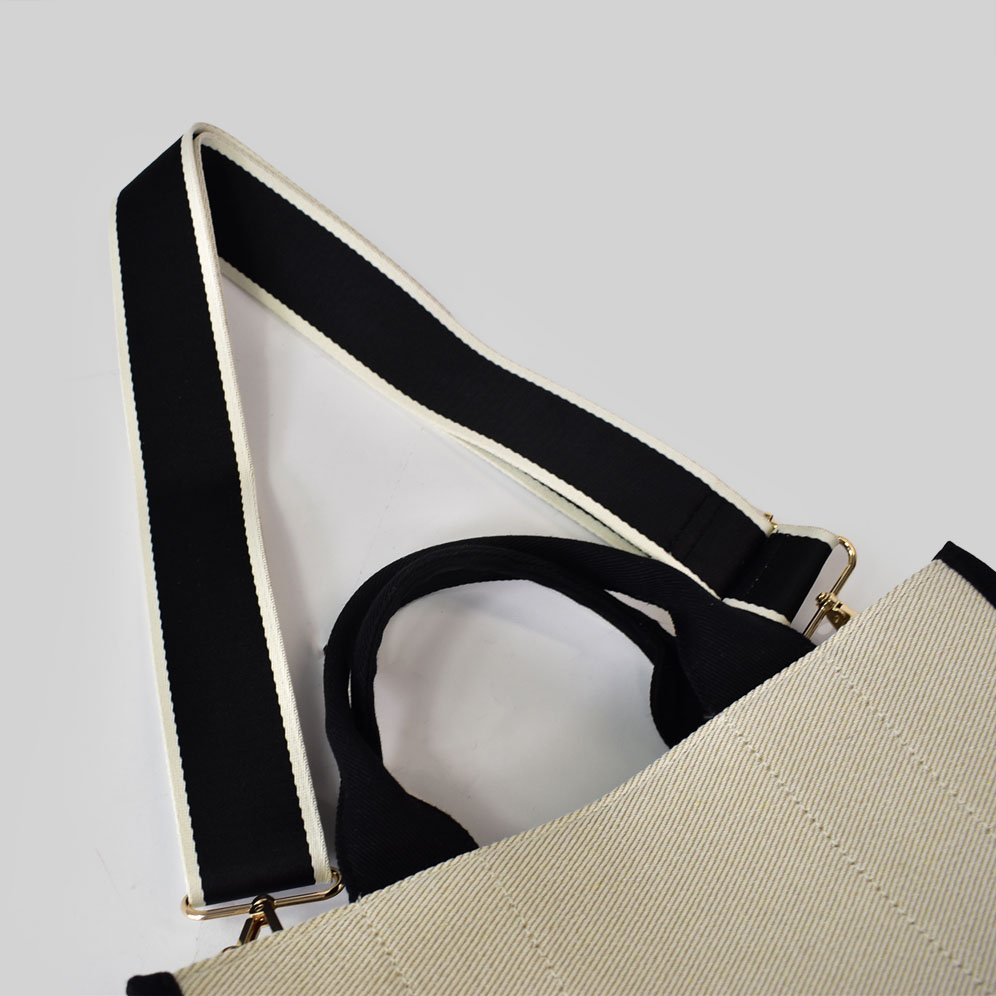
Once the skeleton and skin of the bag are defined, the focus shifts to the primary interface: the handles and carrying systems. This is where ergonomics meets style. The length of a handle determines whether a bag is carried by hand, over the shoulder, or across the body. Beyond length, the material of the handle provides a crucial sensory touchpoint. Cotton webbing offers a soft, comfortable grip for daily use, while PU leather handles, often reinforced with rivets, add a touch of luxury and professional flair. For heavy-duty applications, padded shoulder straps with breathable mesh are essential for comfort. Even the method of attachment—be it a simple "X-stitch" for reinforcement or metal D-rings for modularity—speaks to the quality of the craftsmanship.
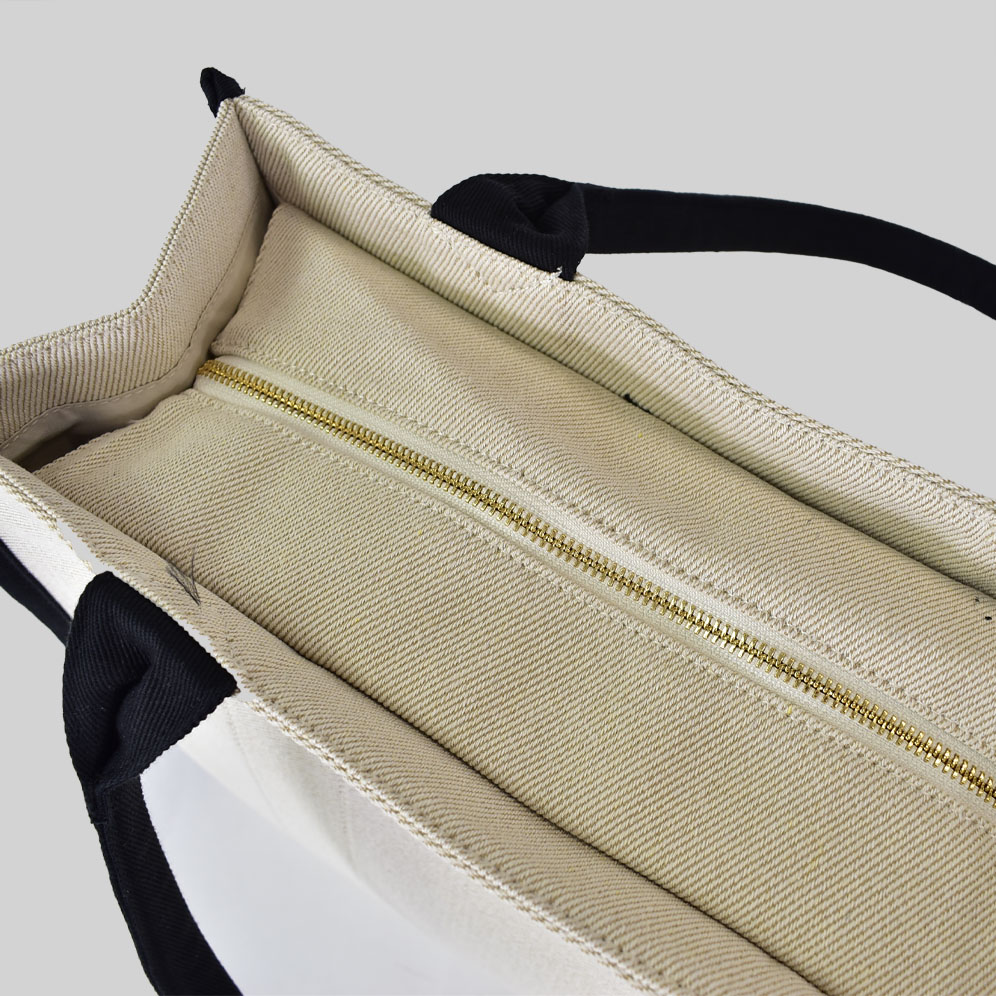
The true hallmark of a bespoke bag, however, lies in its "internal architecture"—the features that the casual observer might miss but the user appreciates every day. Customization allows for the integration of specialized pockets, such as padded laptop compartments, hidden security zips for passports, or elasticated side sleeves for water bottles. Interior linings offer another layer of branding opportunity; a vibrant, contrast-colored lining or a repeated logo pattern inside the bag creates a "surprise and delight" moment for the user. These details transform a promotional item into a high-value accessory that the recipient will choose to use repeatedly, thereby extending the brand’s exposure for years.
The aesthetic realization of the design is achieved through advanced decoration techniques, each offering distinct visual and tactile results. Screen printing remains the most popular choice for bold, vibrant logos with precise Pantone matching, making it ideal for large-scale promotional campaigns. For more complex designs involving gradients or photographic elements, digital transfer or Direct-to-Garment (DTG) printing provides high-fidelity reproduction. However, for brands aiming for a premium "retail" look, embroidery and appliqué offer a three-dimensional texture that exudes quality. Beyond these traditional methods, more subtle branding can be achieved through debossing on leather patches or even custom-woven fabric that incorporates the brand’s patterns directly into the weave of the material.
To further elevate a design into the realm of high-end fashion or executive gifting, one must consider the "hardware" and finishing touches. These are the small, often overlooked elements that signify a commitment to excellence. Custom-molded zip pulls, featuring a debossed logo or a specific brand color, turn a functional necessity into a branding win. Zippers themselves can be customized—from chunky plastic "teeth" for a rugged look to invisible, waterproof zips for a minimalist, high-tech aesthetic. Woven labels, stitched into the side seam or onto the interior pocket, provide a discreet but permanent mark of authenticity, similar to what one would find in a luxury boutique.
The power of bespoke design also extends to the very edges of the product. Contrast piping or "binding" can be used to frame the bag’s silhouette, adding a pop of color that ties the entire design together. For those looking to push the boundaries of creativity, additional features like metal eyelets for drawstring cords, magnetic snap closures for quick access, or even integrated USB charging ports can be included. These "extra flair" elements ensure that the final product is not just a bag, but a sophisticated piece of equipment tailored to the modern user’s needs.
In the global marketplace, the "perceived value" of a brand is often tied to the quality of its physical touchpoints. A flimsy, poorly designed bag is quickly discarded, leading to wasted marketing spend and a negative environmental impact. Conversely, a thoughtfully engineered, bespoke bag becomes a staple in the user’s life. It travels on commutes, accompanies users on weekend trips, and appears in the background of social media posts, providing organic, high-trust impressions. This longevity is the ultimate goal of custom design. By investing in the "bespoke" process, brands move away from the "disposable" culture and toward a model of "durable" marketing.
Navigating the myriad options of custom bag design requires a partnership with experts who understand the intersection of manufacturing feasibility and creative vision. The Bag Workshop serves as this bridge, guiding clients through the complexities of material sourcing, sampling, and ethical production. Whether the goal is to create a limited-edition retail line, a high-impact event giveaway, or a standardized corporate uniform, the process is one of collaboration and precision.
Ultimately, unleashing creativity with custom bag design is about more than just aesthetics; it is about intentionality. It is about choosing a fabric because it aligns with a sustainability pledge, designing a pocket because it solves a user’s problem, and selecting a zip pull because it reinforces a brand’s attention to detail. When these elements are harmonized, the result is a product that transcends its category. It ceases to be just a bag and becomes a powerful, functional, and enduring ambassador for the vision it represents. Beyond the blank canvas lies a world of engineering possibilities, waiting to be transformed into the next iconic accessory.