

In the contemporary landscape of corporate identity and luxury marketing, the distinction between a simple promotional item and a premium brand extension has become the defining factor in consumer retention. As markets become increasingly saturated with "disposable" merchandise, discerning brands are pivoting toward bespoke solutions that mirror the quality of their primary product lines. A recent case study by The Bag Workshop highlights this shift, illustrating the meticulous journey of transforming a technical brief into a high-end cooler bag designed to elevate a brand’s prestige. This project serves as a masterclass in how bag design development can bridge the gap between utilitarian necessity and sophisticated aesthetic appeal.
The Paradigm Shift in Premium Merchandising
For decades, promotional merchandise was often relegated to the realm of mass-produced, low-cost items that prioritized quantity over quality. However, for a premium brand, an inferior accessory can actually dilute brand equity. When a customer interacts with a high-end product, every touchpoint—including the auxiliary merchandise—must reinforce the narrative of excellence. The challenge presented to The Bag Workshop was to create a custom cooler bag that was not merely a container for food and beverages but a seamless extension of a luxury brand’s ecosystem.
The requirement was clear: the product needed to provide uncompromising thermal protection and hygienic security while maintaining a visual language of elegance. This necessitated a departure from "off-the-shelf" solutions in favor of a ground-up development process where every stitch, buckle, and fabric grain was scrutinized for its contribution to the brand’s image.
The Design Brief: Balancing Utility with Elegance
The initial phase of any high-end bag development project begins with a comprehensive specification. For this particular client—an established name in the premium sector—the cooler bag had to solve a specific logistical problem: keeping gourmet contents at optimal temperatures without looking like a piece of industrial equipment.
The technical requirements were rigorous. Internally, the bag required a leak-proof, wipe-clean, and food-safe environment. Externally, it needed to be durable enough for outdoor use yet refined enough for a high-end picnic or a luxury sporting event. The primary hurdle was the "marriage of opposites"—the union of heavy-duty thermal functionality with the subtle, soft-touch aesthetics of a luxury fashion accessory. To achieve this, The Bag Workshop deployed a three-phase development strategy focused on precision aesthetics, thermal engineering, and sophisticated branding.
Phase 1: The Science of Precision Aesthetics
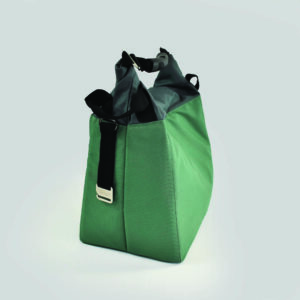
The most immediate indicator of a brand’s identity is color. In the world of premium manufacturing, "close enough" is never sufficient. The first stage of development focused on Pantone matching the exterior fabric to the client’s exact brand guidelines.
Textile dyeing is a complex chemical process where variables such as fiber density, light source, and dye immersion time can alter the final hue. Unlike printing on paper, achieving a perfect Pantone match on heavy-duty synthetic or natural fibers requires multiple lab dips and rigorous quality control. The Bag Workshop’s team worked closely with textile engineers to ensure that the exterior fabric did not just match the color on a screen but maintained its vibrancy across different lighting conditions—from bright sunlight to indoor showroom environments. By selecting a high-denier fabric that offered both structural integrity and a premium hand-feel, the team ensured the bag would retain its shape and "new" appearance even after repeated use.
Phase 2: Engineering for Thermal and Hygienic Integrity
While the exterior of the bag speaks to the brand’s soul, the interior speaks to its integrity. A cooler bag that fails to keep food cold is a failure of the brand promise. The Bag Workshop moved into the second phase by focusing on the "thermic sandwich"—the layered construction that provides insulation.
The development team utilized advanced thermal layers that act as a barrier against heat transfer via conduction and radiation. This wasn’t just about sticking a piece of foil inside a bag; it involved selecting high-grade insulating foam and pairing it with a specialized internal lining. This lining had to be 100% hygienic and "wipe-clean," ensuring that any spills or condensation could be easily managed without the risk of bacterial growth or lingering odors.
The construction also addressed the "thermal bridge" problem—areas where cold air typically escapes, such as zippers and seams. By incorporating heavy-duty, weather-resistant closures and reinforced seam binding, the design maximized the duration of temperature retention, ensuring the product functioned as a professional-grade tool hidden within a stylish exterior.
Phase 3: The Details That Define Luxury
The final phase of the development process involved the "micro-details"—the hardware and branding elements that distinguish a bespoke product from a generic one. In premium bag design, branding should be felt rather than shouted.
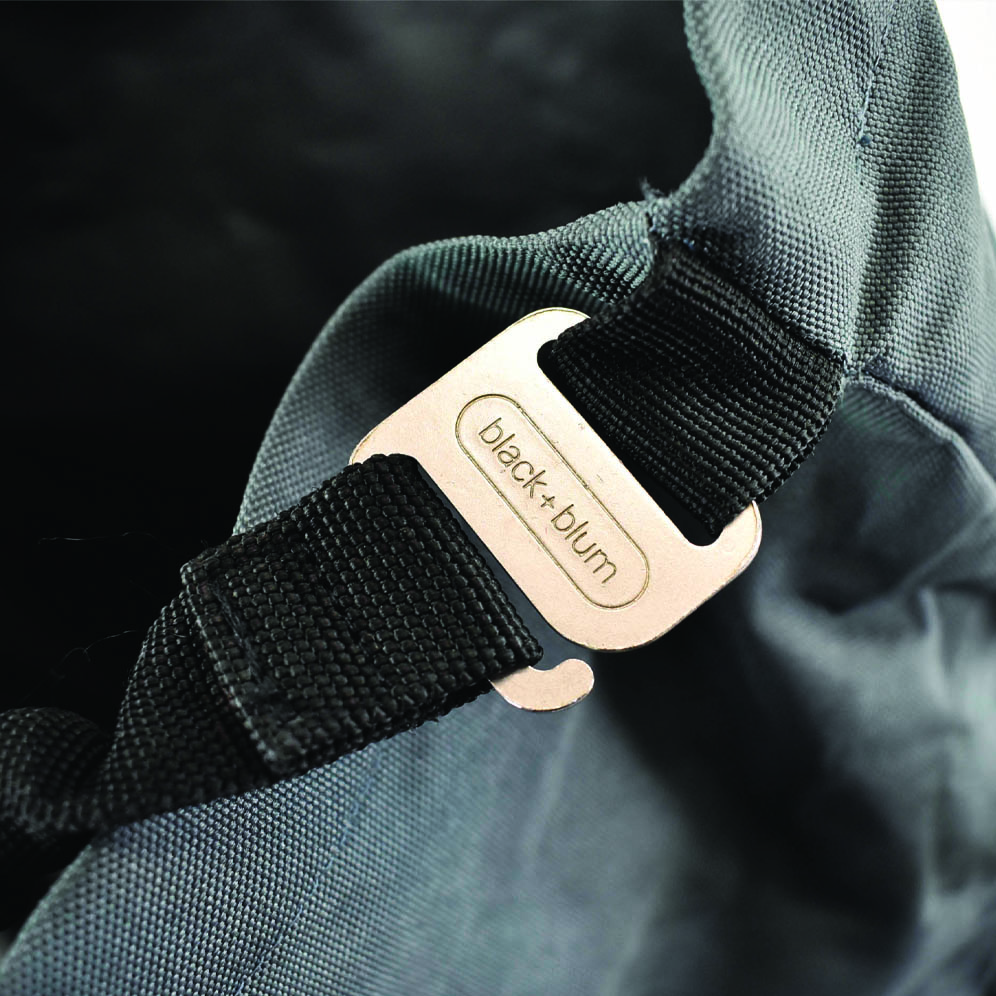
Instead of traditional, loud screen printing, the team opted for a sophisticated woven brand label. Woven labels offer a tactile quality and a longevity that printed logos cannot match. They suggest craftsmanship and attention to detail. Furthermore, the project explored custom hardware solutions. From the weight and "click" of the buckles to the ergonomics of the adjustable handles, every component was chosen to provide a sensory experience of quality.
The handles, in particular, were a focus of the bag design development. They needed to be comfortable for the end-user when the bag was at maximum capacity, necessitating high-tensile webbing and reinforced attachment points. By integrating custom-engraved metal components and bespoke straps, the final product transitioned from a mere "cooler" to a "lifestyle accessory."
Prototyping and the Path to Perfection
A critical component of The Bag Workshop’s service is the sampling phase. Before mass production begins, a physical prototype is created to test the design’s real-world performance. This allows for adjustments in weight distribution, zipper smoothness, and color accuracy under different environments. This iterative process ensures that the client isn’t just buying a concept, but a proven, high-performance product. For the premium brand in this case study, the sampling phase was the moment where the abstract brief became a tangible asset, confirming that the bag met their stringent standards for both utility and aesthetics.
Outcome: A Strategic Asset for Brand Credibility
The result of this intensive development process was a custom cooler bag that achieved a rare equilibrium. It delivered flawless thermal performance, maintaining food safety and temperature for extended periods, while simultaneously looking like a natural part of a luxury product suite.
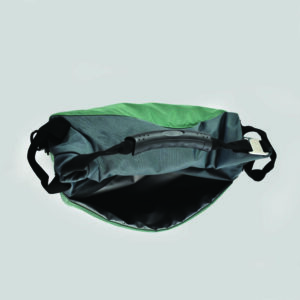
The launch of the bag was met with high acclaim, serving as a powerful tool for brand storytelling. For the client, the bag became more than a giveaway; it became a coveted item that customers wanted to use and be seen with. This is the ultimate goal of premium merchandise: to create a product with a high "perceived value" that extends the life of the marketing campaign indefinitely.
Beyond the Bag: The Wurlin Group Ecosystem
The success of this project is rooted in the broader expertise of The Wurlin Group, the parent company of The Bag Workshop. With a global reach and a focus on bespoke manufacturing, the group specializes in a wide array of custom solutions, including high-end umbrellas, bespoke packaging, and curated merchandise.
The Bag Workshop does not operate as a simple middleman but as a design partner. Their approach is characterized by a "concept-to-delivery" philosophy, where they assist creative agencies and brand owners in navigating the complexities of global sourcing, international distribution, and structured project coordination. Whether it is a backpack-style cooler bag with adjustable straps or a complex piece of corporate luggage, the focus remains on finding bespoke solutions that fit within the client’s budget without sacrificing the "premium" feel.
Conclusion: Investing in Quality
As the market for branded goods evolves, the lesson for brand owners is clear: the quality of your merchandise reflects the quality of your brand. A well-designed, custom-engineered bag is an investment in brand loyalty and long-term visibility. By focusing on Pantone-matched materials, hygienic thermal engineering, and subtle, high-quality branding, companies can ensure their merchandise is an asset that reinforces their credibility every time it is used.
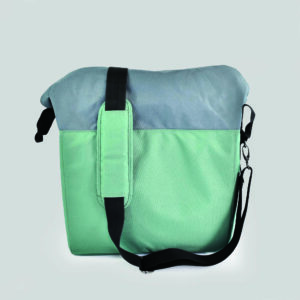
For those looking to elevate their brand through sophisticated product design development, The Bag Workshop provides a roadmap for success. By treating a cooler bag with the same design reverence as a piece of luxury luggage, they have proven that utility and luxury are not mutually exclusive, but rather two sides of the same premium coin.