

In the modern saturated marketplace, where digital advertisements are often ignored or blocked, the physical world offers a unique opportunity for persistent brand visibility. A bag is never just a vessel for carrying items; it is a mobile billboard, a tactile representation of a brand’s values, and a functional companion that integrates into the daily lives of consumers. While the convenience of off-the-shelf, wholesale bags is undeniable for quick-turnaround needs, the true potential of a promotional or retail product is only unlocked when one moves beyond the limitations of pre-made stock. Custom bag design—often referred to as bespoke manufacturing—allows a creator to dictate every thread, seam, and fastener, transforming a simple commodity into a powerful tool for engagement.
When beginning a custom project, the most daunting phase is often the transition from a conceptual "blank canvas" to a finalized technical specification. To navigate this process effectively, one must understand that bag design is an exercise in both aesthetics and engineering. It requires a balance between form and function, where the choice of a single rivet or the weight of a fabric can drastically alter the perceived value of the final product.
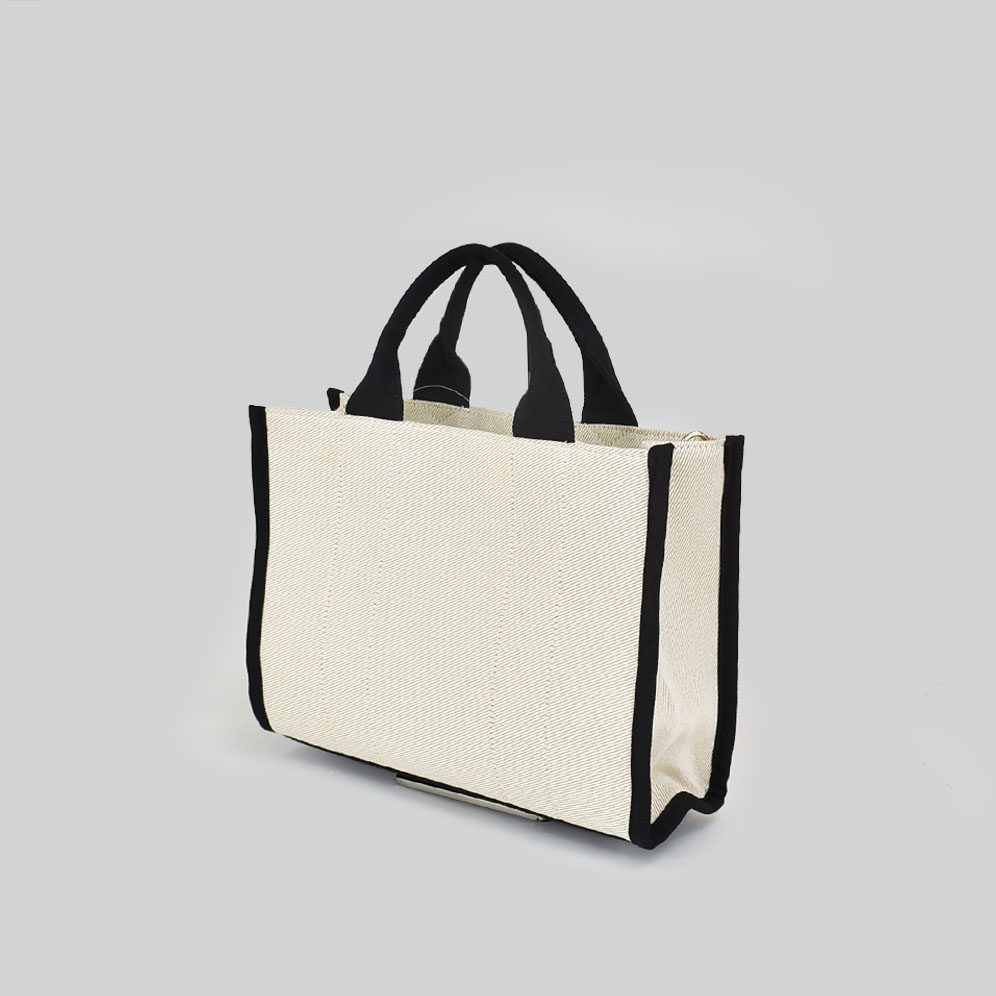
The foundation of any exceptional bag lies in its structural DNA: the shape, dimensions, and fabric. Unlike stock bags, which come in standardized sizes, bespoke design allows for "fit-for-purpose" dimensions. If a brand is creating a carrier for a specific set of architectural blueprints, a premium yoga mat, or a boutique wine bottle, the bag can be engineered to cradle those items perfectly. This precision prevents the awkward sagging or overstretching common in generic totes. Beyond dimensions, the choice of fabric sets the sensory tone. Cotton and canvas remain the gold standards for their natural feel and durability, with weights ranging from lightweight 5oz cotton for simple giveaways to heavy-duty 12oz or 16oz "duck" canvas for premium retail items. In the contemporary era, sustainability is no longer optional; it is a requirement. Forward-thinking brands are increasingly opting for GOTS-certified organic cotton, recycled PET (made from post-consumer plastic bottles), or innovative textiles like hemp and jute, which offer high tensile strength with a lower environmental footprint.
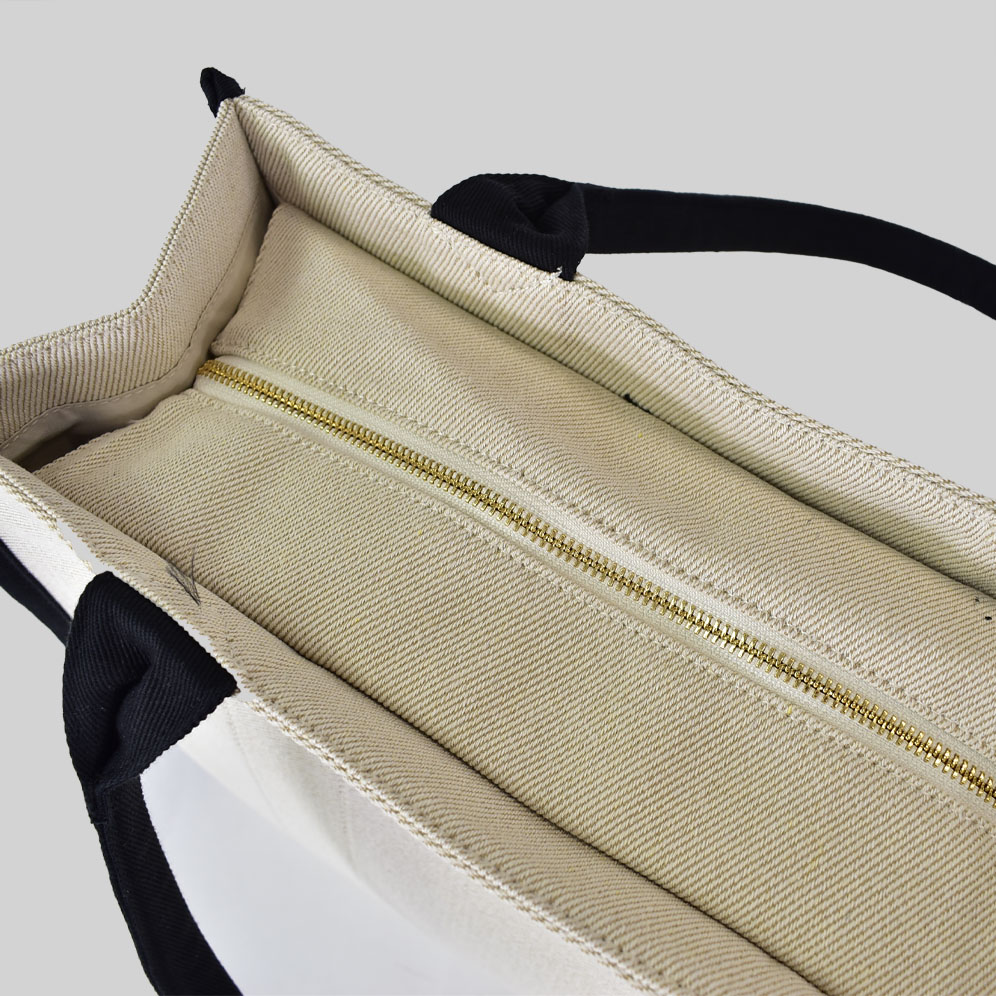
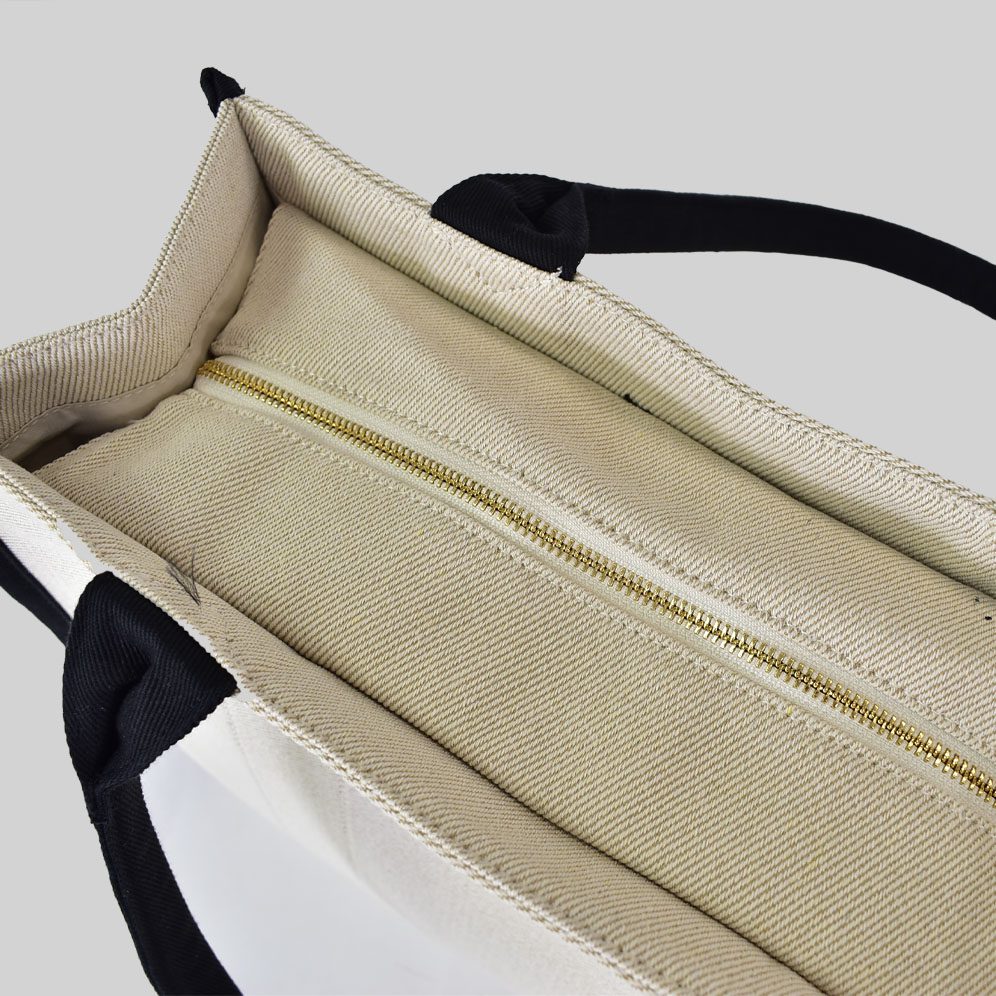
However, the exterior shell is only half the story. The internal architecture of a bag determines its longevity and utility. A custom design allows for the inclusion of specialized linings—such as moisture-resistant nylon for gym bags or soft brushed cotton for electronics—and structural reinforcements like baseboards or piped seams that help the bag maintain its silhouette even when empty. Furthermore, the addition of internal pockets, padded laptop sleeves, or dedicated bottle loops transforms a basic tote into a sophisticated organizational tool, ensuring the recipient keeps and uses the bag for years rather than discarding it after a single use.
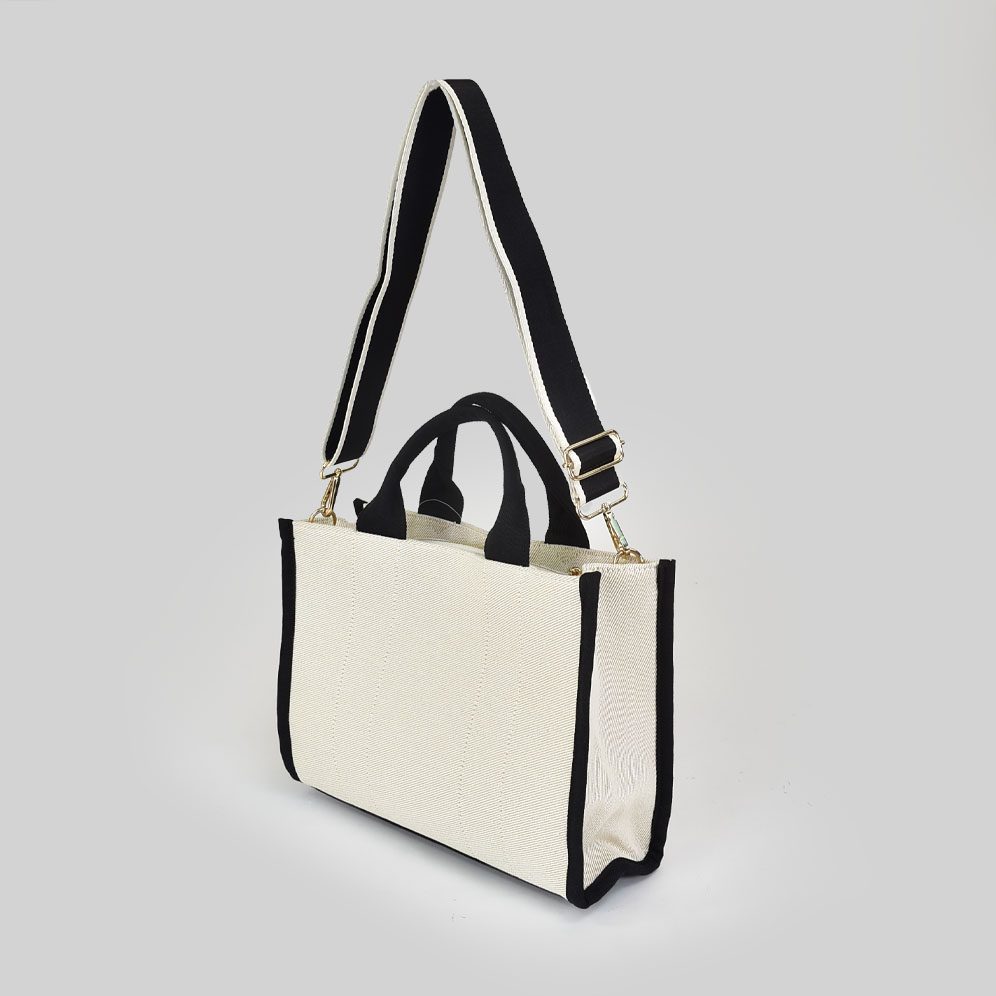
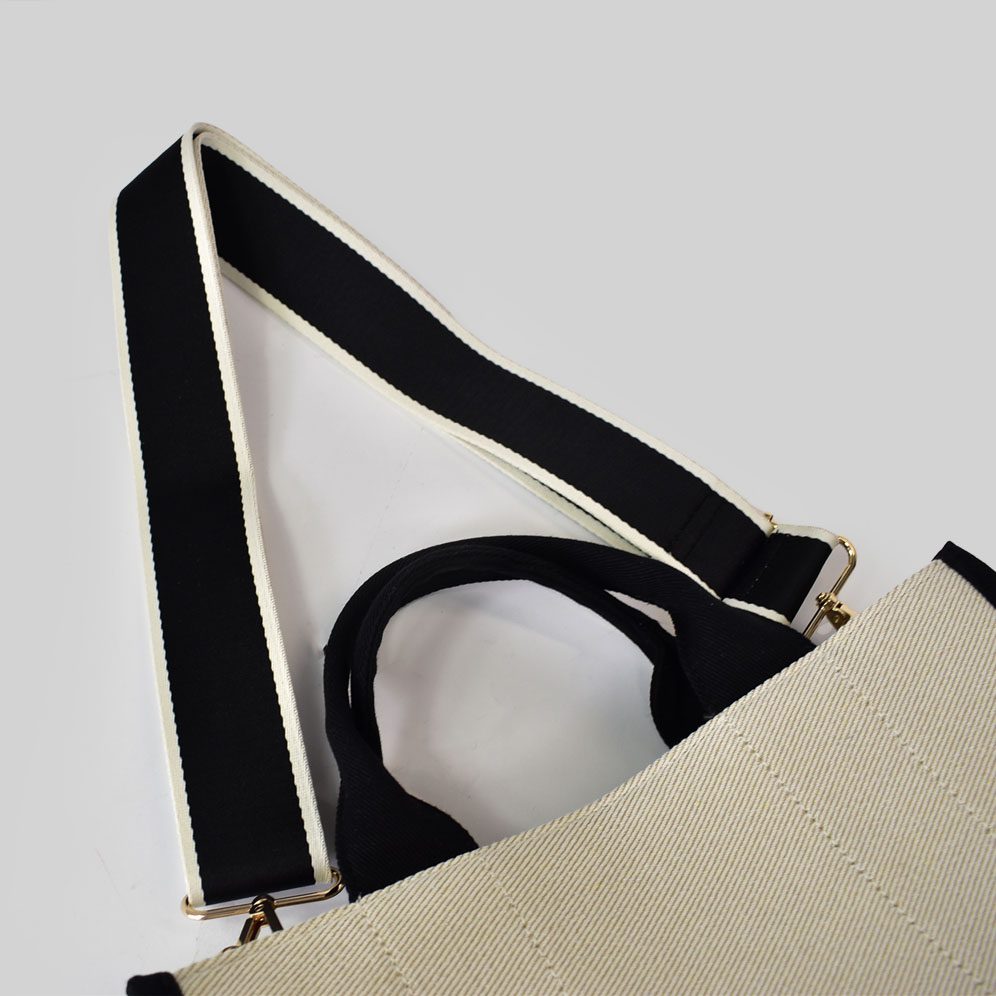
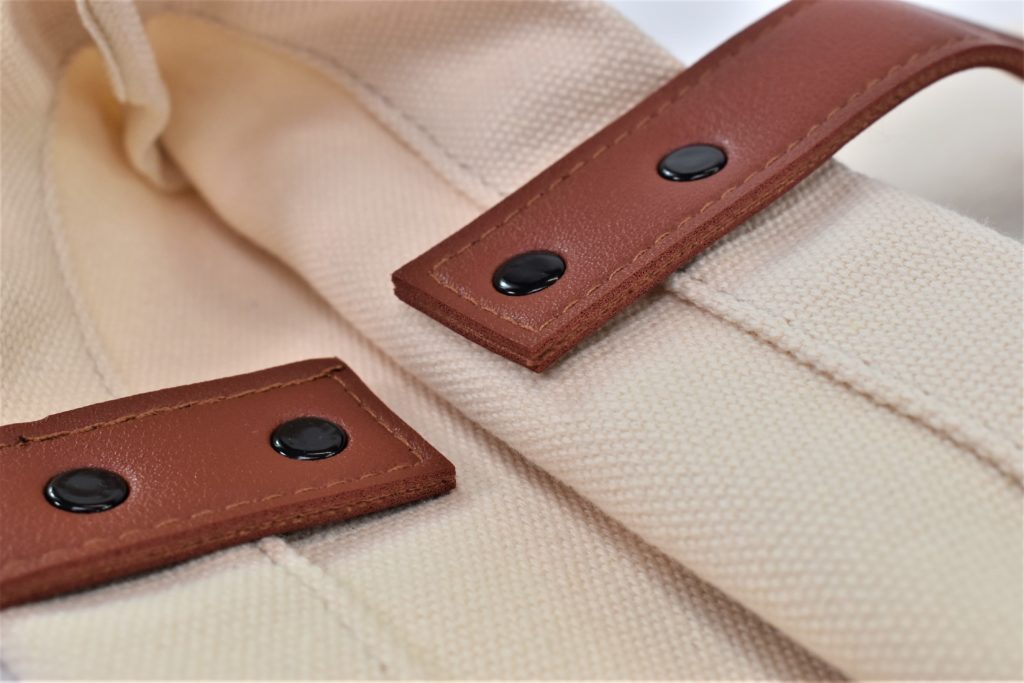
The tactile interaction a user has with a bag is primarily through its handles and closures, making these elements critical customization points. The "hand-feel" of a bag can communicate luxury or ruggedness instantly. For a high-end corporate gift, PU leather handles with edge-painting and contrast stitching offer a sophisticated aesthetic. Conversely, for a beach-themed promotion, thick cotton rope handles with metal eyelets evoke a nautical, durable vibe. The length and width of the handles are also adjustable; extra-wide webbing handles can distribute weight more comfortably for heavy loads, while "over-the-shoulder" lengths provide hands-free convenience. Closures add a final layer of security and style. While a simple open-top tote is classic, the integration of YKK zippers, magnetic snaps, or heavy-duty Velcro transforms the bag into a secure environment for personal belongings. For high-performance gear, waterproof heat-sealed zippers can be utilized to protect contents from the elements, showcasing a brand’s commitment to quality.

Once the physical structure is established, the focus shifts to branding and decoration—the "voice" of the bag. This is where many designs fail by simply slapping a logo in the center of the panel. To create a truly "retail-ready" product, one must consider the variety of application methods available. Traditional screen printing is ideal for bold, high-contrast logos and is incredibly cost-effective for large production runs. However, for intricate designs with many colors or gradients, digital textile printing (DTG) or heat transfer may be more appropriate. For a more textured, premium feel, embroidery or "puff" printing adds a three-dimensional element that catches the light and invites touch. For brands seeking a minimalist or "quiet luxury" aesthetic, tonal embroidery—where the thread color matches the fabric color—offers a sophisticated, subtle branding opportunity that encourages daily use in professional settings.
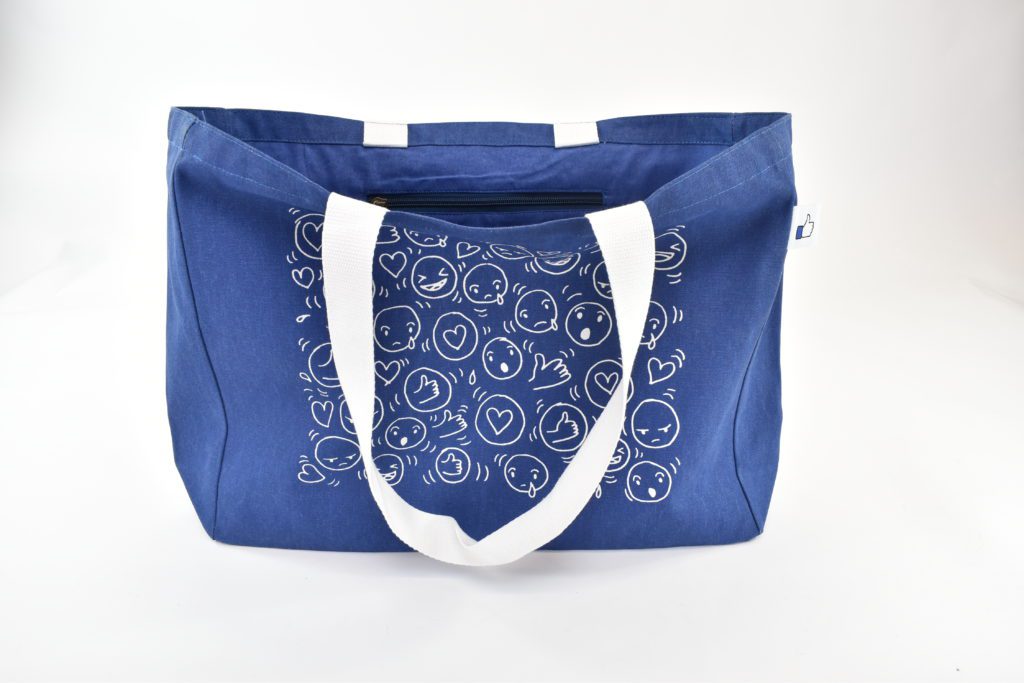
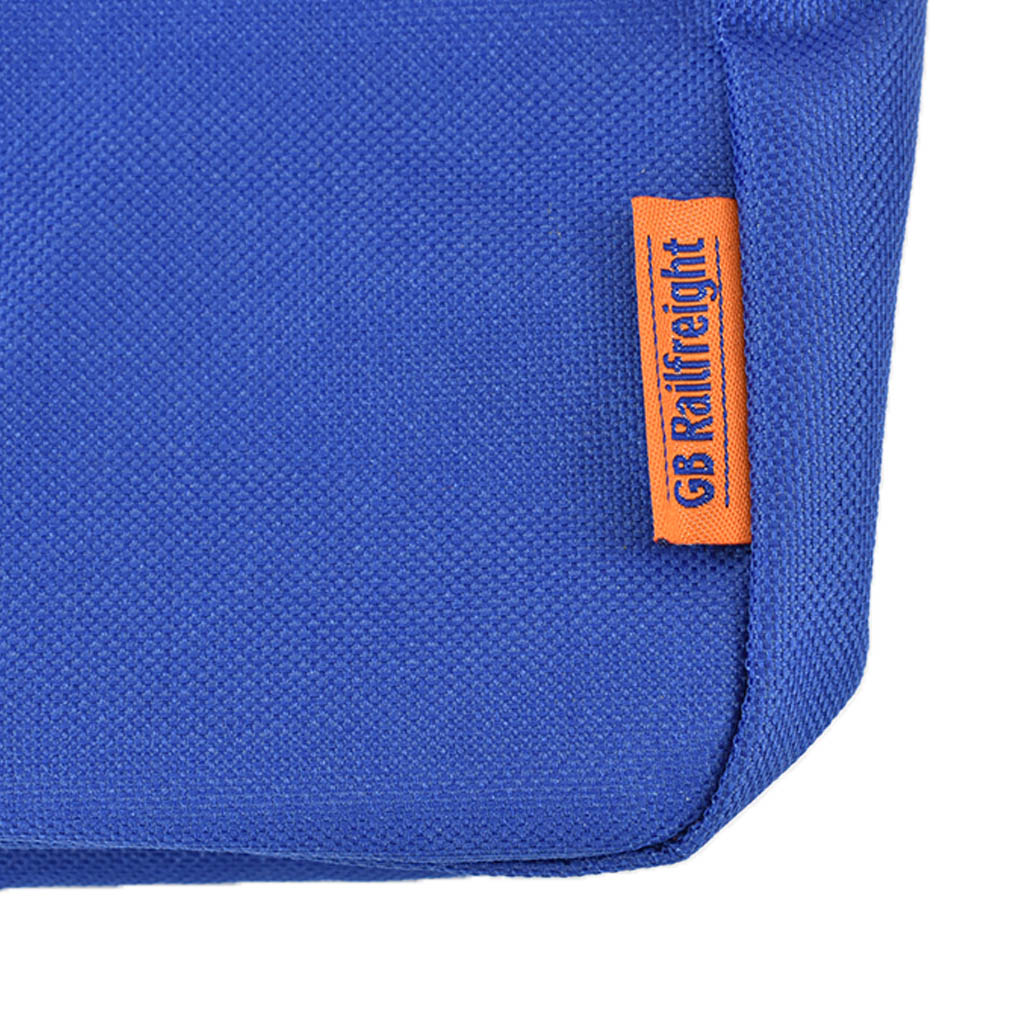
The true mark of a bespoke bag, however, is found in the "micro-details"—the small flourishes that signify a high level of craftsmanship. These include woven side-labels (often called "flag labels") that can carry a secondary logo or a social media handle. PU or real leather patches can be embossed or debossed with a brand mark and stitched onto the front panel for a heritage look. Even the hardware is customizable; zip pulls can be molded from PVC in the shape of a logo or engraved in metal with a brand name. Internal "story labels" are another growing trend, where a printed patch inside the bag tells the story of the materials used or the mission of the brand, creating a deeper emotional connection with the user.
Strategic custom bag design also considers the "after-life" of the product. In a world striving for a circular economy, the durability of a bag is its most significant environmental attribute. A well-designed custom bag that lasts for five years replaces hundreds of single-use plastic bags. By investing in reinforced "X-stitch" handle attachments and high-GSM fabrics, a brand ensures that its message remains in circulation for as long as possible. This longevity provides a much higher return on investment (ROI) than cheaper, flimsy alternatives that end up in landfills within weeks.
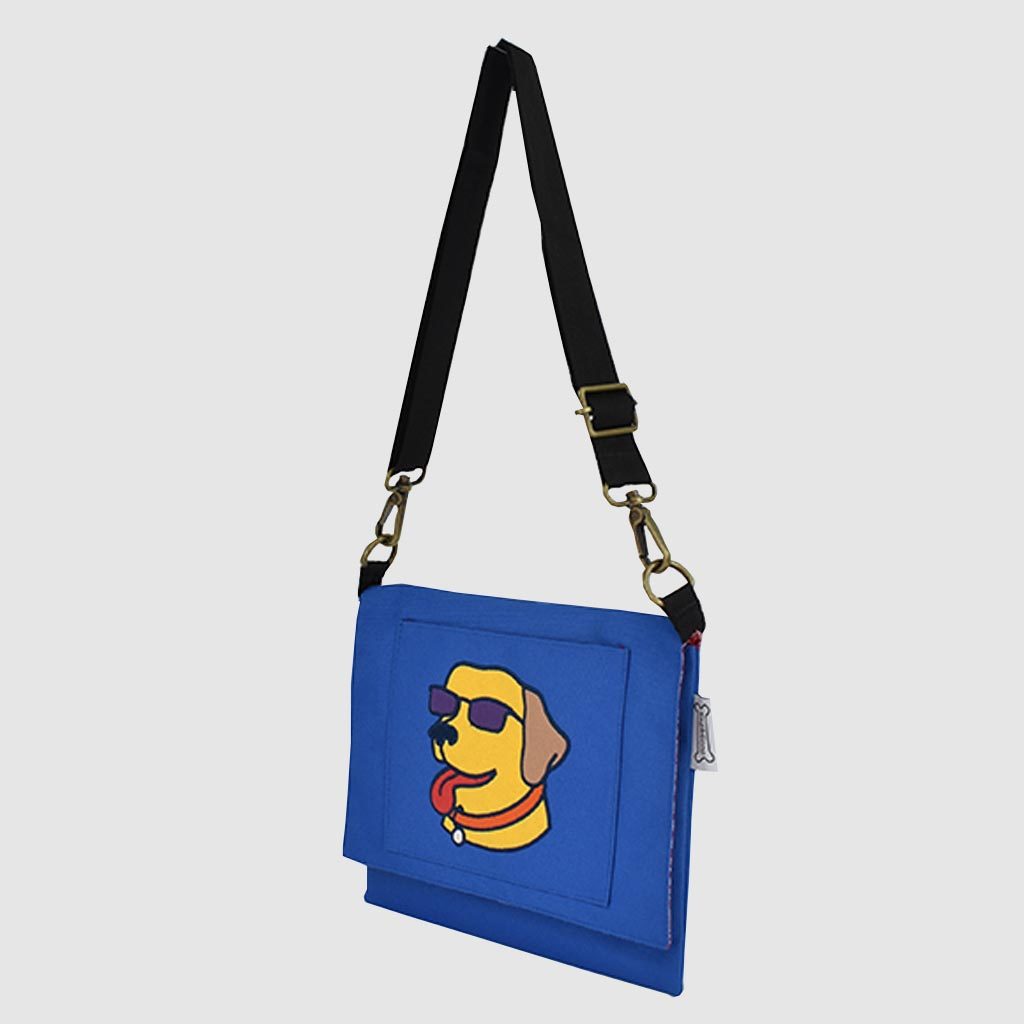
Partnering with a specialist manufacturer like The Bag Workshop is essential for navigating the complexities of the global supply chain and technical production. From ensuring Pantone-matched dye lots to managing the logistics of international shipping and quality control, professional guidance helps bridge the gap between a creative vision and a physical reality. The process usually begins with a consultation and a digital mock-up, followed by the creation of a physical pre-production sample. This sampling phase is crucial, as it allows the designer to test the weight, check the print clarity, and ensure the closures function as intended before committing to a full production run.
In conclusion, the journey from a blank canvas to a bespoke masterpiece is an opportunity to define a brand’s physical presence in the world. By meticulously selecting every component—from the eco-friendly foundations of the fabric to the intricate metalwork of the zippers—you create more than just a promotional item. You create a functional piece of art that serves the user, respects the planet, and carries your brand’s story across the globe. In an age of digital transience, the custom bag stands as a durable, tangible reminder of quality and intent. Whether you are a boutique retailer looking to elevate your packaging or a global corporation seeking a meaningful event giveaway, the power of bespoke design ensures that your message is not just seen, but carried.