

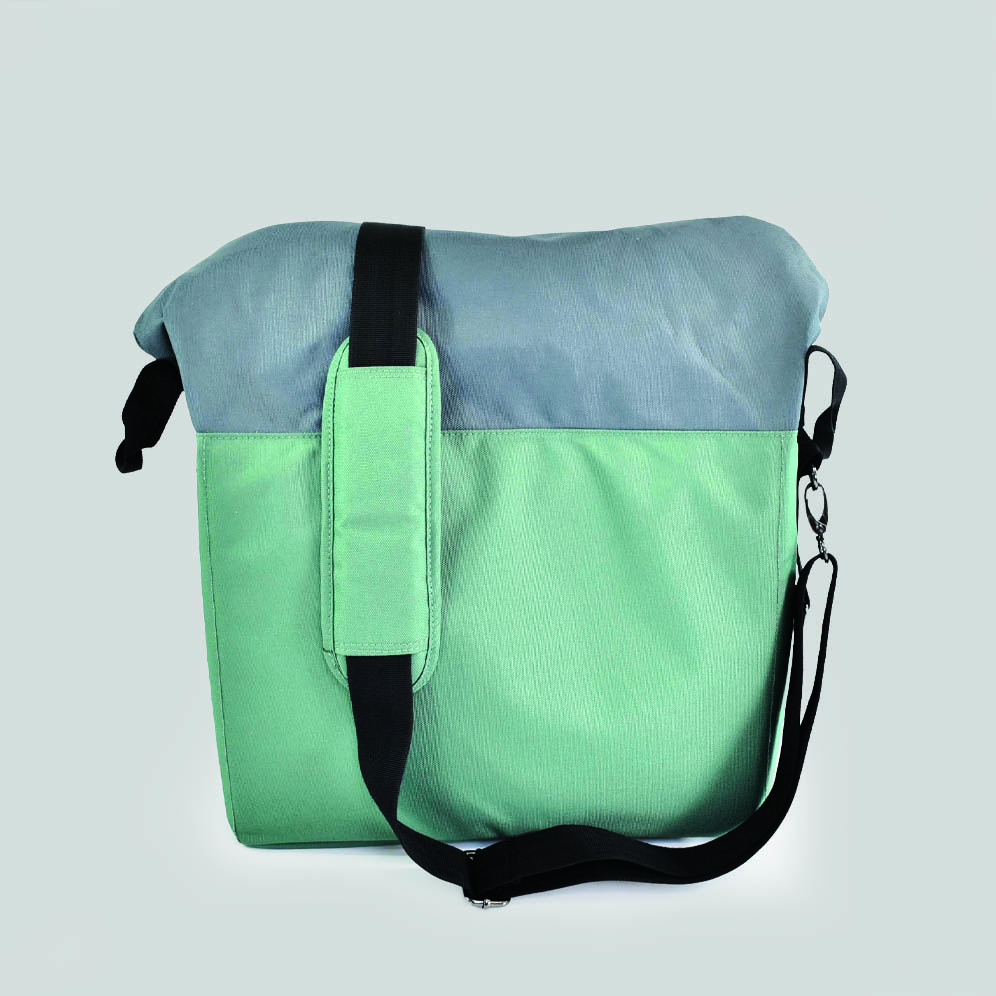
In the competitive landscape of promotional marketing and retail product development, the difference between a forgotten giveaway and a cherished accessory often lies in utility. Imagine a customer navigating a sweltering mid-August afternoon, their thirst quenched by a perfectly chilled beverage, or a professional enjoying a hot, home-cooked meal on a frigid winter day. These moments of comfort are made possible not just by the bag itself, but by the sophisticated engineering of the thermal fabrics hidden within its layers. Thermal bags have undergone a radical transformation, moving from the niche category of "picnic gear" into the mainstream as indispensable tools for modern living. By integrating high-performance thermal textiles into custom bag designs, brands can offer more than just a logo; they can offer a tangible solution to everyday problems, fostering a deep, functional connection with their audience.
To appreciate the value of these products, one must first understand the physics of temperature regulation. Thermal fabrics do not "create" cold or heat; rather, they act as a sophisticated barrier against the laws of thermodynamics. Heat transfer occurs through three primary channels: conduction, convection, and radiation. A well-constructed thermal bag addresses all three. Conduction is the transfer of heat through direct contact; thermal linings use low-conductivity materials to slow this process. Convection involves the movement of air; by trapping air within cellular structures—such as foam—the fabric prevents warm air from circulating near cold items. Finally, radiation involves heat moving as electromagnetic waves; this is where the iconic reflective silver linings come into play, bouncing radiant energy back toward the source rather than allowing it to penetrate the bag’s interior.
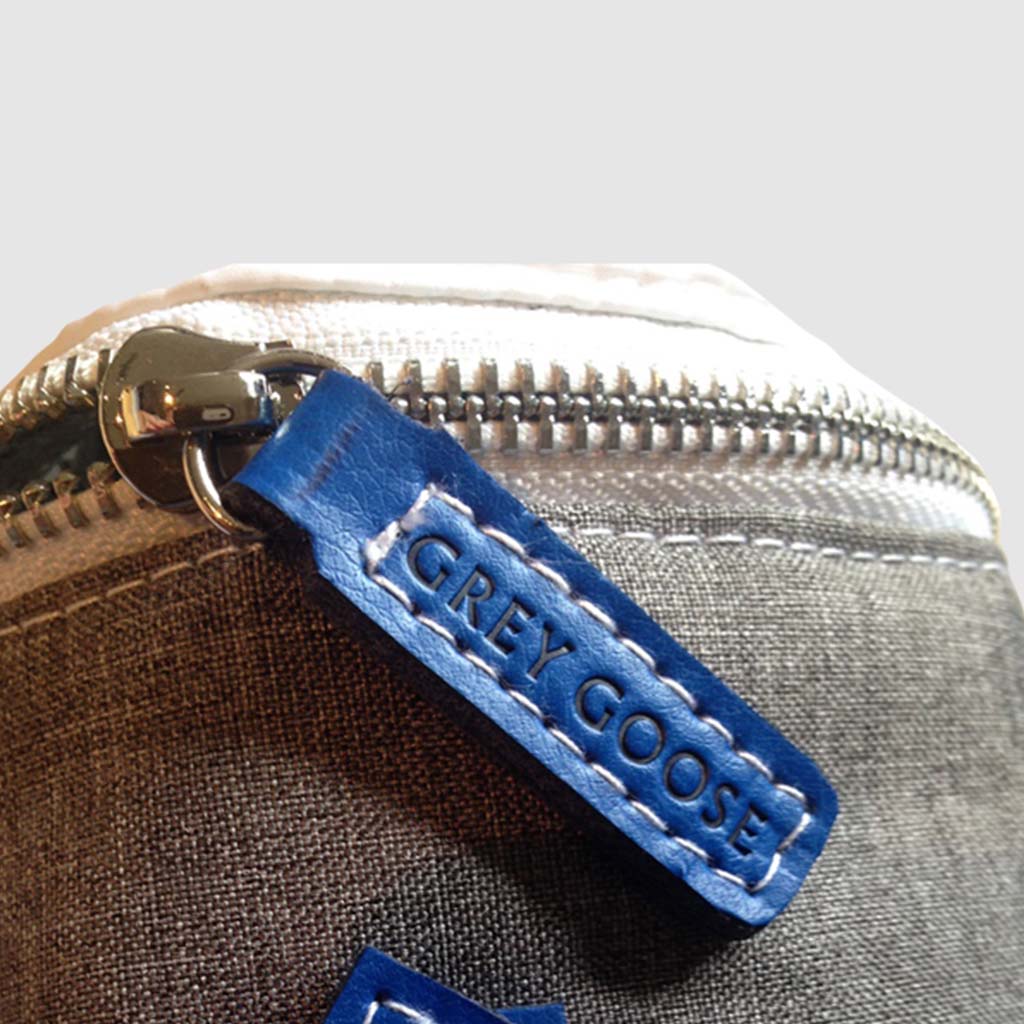
The diversity of thermal materials available today allows for incredible precision in bag design. The most common insulator is Expanded Polyethylene (EPE) foam. This closed-cell foam is prized for its lightweight nature and its ability to trap millions of tiny air bubbles, providing an excellent thermal break. For those seeking maximum efficiency, foil-laminated linings are the gold standard. These "Mylar-style" surfaces reflect up to 97% of radiant heat, making them ideal for high-performance grocery totes or medical transport bags. More recently, we have seen a rise in the use of PEVA (Polyethylene Vinyl Acetate) as a lining. Unlike traditional PVC, PEVA is chlorine-free and non-toxic, making it a safer, more eco-friendly choice for food-contact applications. It is also exceptionally easy to clean, a critical feature for any product designed to carry liquids or perishables.
The versatility of these fabrics allows them to be integrated into almost any silhouette. While the classic lunch box remains a staple, the "thermal revolution" has expanded into sophisticated wine carriers, heavy-duty grocery panniers, and even high-end fashion backpacks. For the corporate world, a thermal-lined laptop sleeve can protect sensitive electronics from extreme temperature fluctuations during travel. In the pharmaceutical sector, custom-branded thermal pouches are essential for patients who must carry temperature-sensitive medications like insulin. By choosing the right fabric for the specific use case, a brand can demonstrate a level of thoughtfulness and specialized knowledge that a standard canvas tote simply cannot convey.
When designing a bespoke thermal bag, the exterior is just as important as the interior. To ensure longevity, these bags often feature a rugged outer shell made from high-denier polyester or nylon. These materials are chosen for their abrasion resistance and their ability to take on vibrant, high-definition branding. For brands with a focus on sustainability, rPET (recycled polyethylene terephthalate) offers a way to create high-performance thermal bags from post-consumer plastic waste, aligning the product’s functional utility with environmental responsibility. This "outer-inner" synergy is what defines a premium product: a bag that looks like a fashion statement on the outside but performs like a piece of scientific equipment on the inside.
Customization is the bridge between a functional item and a powerful marketing asset. The Bag Workshop provides an extensive suite of decoration options that allow a brand’s identity to shine. Screen printing remains a popular choice for bold, multi-color logos, offering a durable finish that can withstand the rigors of daily use. For more complex, photographic designs, digital CMYK printing or heat transfer processes allow for unlimited color gradients and intricate detail. However, for a truly premium feel, many brands opt for Pantone-matched embroidery. This adds a tactile, three-dimensional element to the bag, signaling quality and attention to detail.
The "small details" often have the biggest impact on the user experience. Consider the hardware: a thermal bag is only as good as its seal. High-quality, water-resistant zippers prevent cold air from escaping and moisture from seeping in. Ergonomic features, such as padded shoulder straps or reinforced "comfort-grip" handles, ensure that even when the bag is fully loaded with heavy glass bottles or a week’s worth of groceries, it remains comfortable to carry. Inside, the addition of mesh pockets for ice packs or elastic loops for cutlery can turn a simple bag into a comprehensive mobile dining solution.
Branding can also be elevated through sophisticated labeling. Woven labels provide a classic, understated look, while molded silicone or rubber badges offer a modern, "tech-forward" aesthetic. For luxury brands, embossed leather or vegan leather patches can be stitched onto the exterior, providing a high-contrast focal point that exudes elegance. Even the internal "care labels" can be customized to include brand stories or QR codes that lead customers to digital content, such as healthy recipes or information on the bag’s sustainable origins.
Partnering with an expert manufacturer is crucial for navigating the complexities of thermal bag production. The Bag Workshop prides itself on being more than just a supplier; we are a design and manufacturing partner. Our team understands that every project is unique, requiring a different balance of thermal efficiency, aesthetic appeal, and budget. With production facilities in the UK, India, and the Far East, we offer a global perspective on sourcing and logistics. Each of our partner factories undergoes rigorous auditing to ensure they meet the highest standards of social and environmental compliance. This means that when you receive your order of custom thermal bags, you can be confident that they were produced ethically and to the most exacting quality specifications.
The journey from a conceptual sketch to a finished product involves several critical stages. It begins with a consultation where we analyze your target audience and the intended use of the bag. We then guide you through material selection—perhaps suggesting a heavy-duty EPE foam for a delivery service or a sleek neoprene for a high-end promotional gift. Once the design is finalized, we handle the prototyping and sampling, allowing you to touch, feel, and test the thermal performance of the bag before moving into full-scale production. This meticulous approach ensures that the final product not only meets but exceeds expectations.
In an era where consumers are increasingly conscious of the "throwaway culture," providing a high-utility, durable item like a thermal bag is a savvy strategic move. These bags are rarely discarded; they are used for years, taken on commutes, to parks, on grocery runs, and to the office. Every time the bag is used, your brand receives a fresh impression, and the user is reminded of the value you provided. It is a form of "passive marketing" that pays dividends long after the initial distribution.

Whether your goal is to launch a new retail line, reward loyal employees, or create a buzz at a major trade show, thermal fabrics offer a world of possibilities. They allow you to play with temperature, texture, and technology to create something truly remarkable. The Bag Workshop is ready to help you harness this power. By combining our technical expertise with your brand’s vision, we can create a suite of custom thermal bags that are not only cool (or hot!) but also instrumental in driving your brand’s success in an ever-evolving marketplace. Get in touch with us today to start your project and see how the science of thermal insulation can become your brand’s greatest asset.