

The global luggage and handbag market is currently navigating a period of unprecedented transformation, with valuations projected to exceed $160 billion by 2028. For fashion entrepreneurs, corporate gift buyers, and retail category managers, the path from a creative concept to a shelf-ready product is increasingly complex, fraught with logistical bottlenecks, fluctuating material costs, and the rigorous demands of ethical transparency. In this high-stakes environment, the difference between a brand that scales and one that stagnates often lies in its sourcing strategy. While many attempt to navigate the labyrinth of international manufacturing alone, the most successful UK-based brands are turning to specialized bag sourcing agents to bridge the gap between creative vision and commercial reality. A specialized agent is not merely a middleman; they are a strategic partner capable of protecting margins, ensuring technical precision, and navigating the volatile waters of global trade.

To understand the value of a bag sourcing specialist, one must first acknowledge the "sourcing dilemma" that faces every brand owner. On one hand, there is the desire for uncompromising quality—the perfect weight of a cotton tote, the durability of a recycled polyester (rPET) lining, or the artisanal finish of a leather handle. On the other hand, there is the relentless pressure to maintain competitive retail pricing and healthy gross margins. When a brand sources directly without local expertise, they often fall into common traps: miscommunicated technical specifications, hidden import duties, or, worse, quality inconsistencies that lead to high return rates and damaged reputations. A UK-based sourcing expert acts as a technical consultant and a cultural translator, possessing a curated network of international factories that have been pre-vetted for their specific capabilities in various construction techniques and material handling.

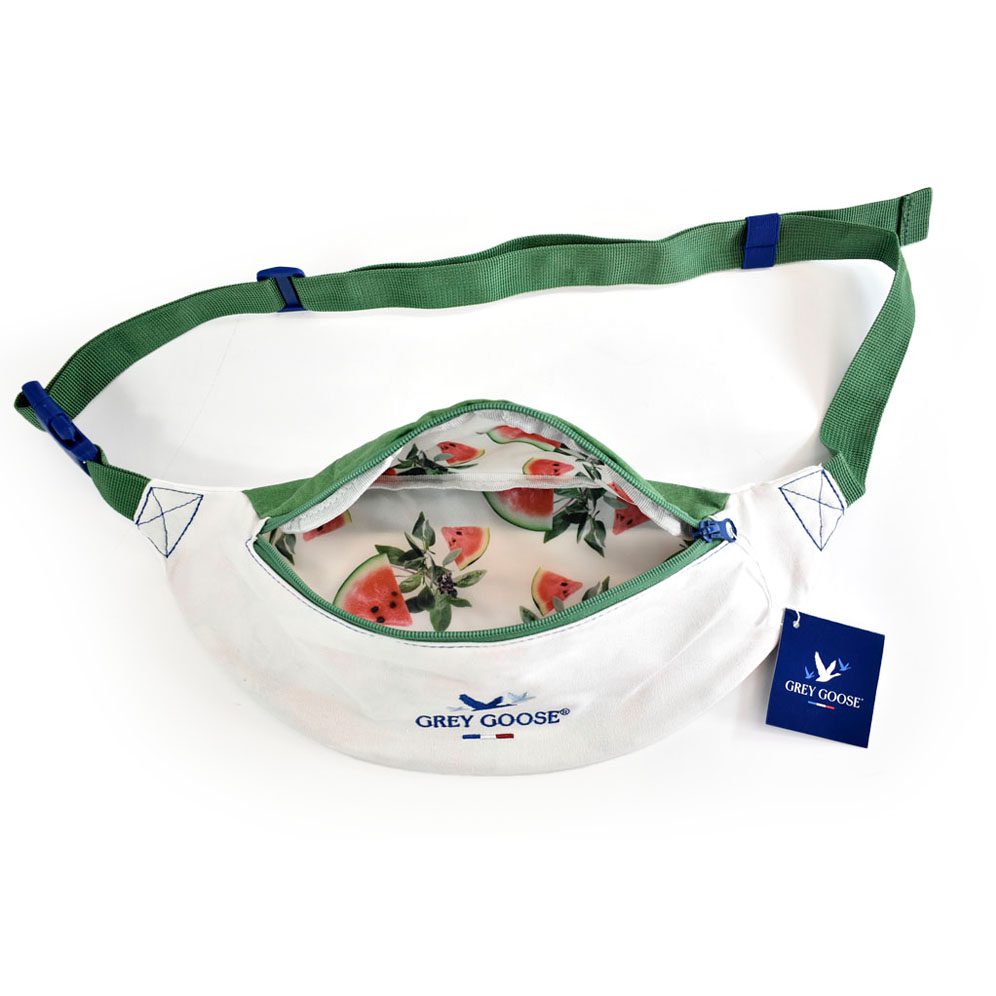
The advantage of partnering with a UK-based specialist is particularly pronounced for brands operating within the British market. Communication is the bedrock of manufacturing; having a project manager who operates in your time zone, speaks your language, and understands the nuances of the UK retail landscape is invaluable. Beyond the ease of conversation, there are significant financial benefits to working with a local partner. Dealing in Sterling eliminates the unpredictability of currency fluctuations that can instantly erode profits when paying in US Dollars or Euros. Furthermore, a local agent understands the specific legalities of the UK market, from VAT registration and Customs & Excise duties to the stringent safety and labeling standards required for retail sale. They ensure that every product—whether it is a bespoke bum bag for a festival or a luxury picnic set for a high-end brand—meets the "REACH" standards for chemical safety and the UK’s specific consumer protection laws.
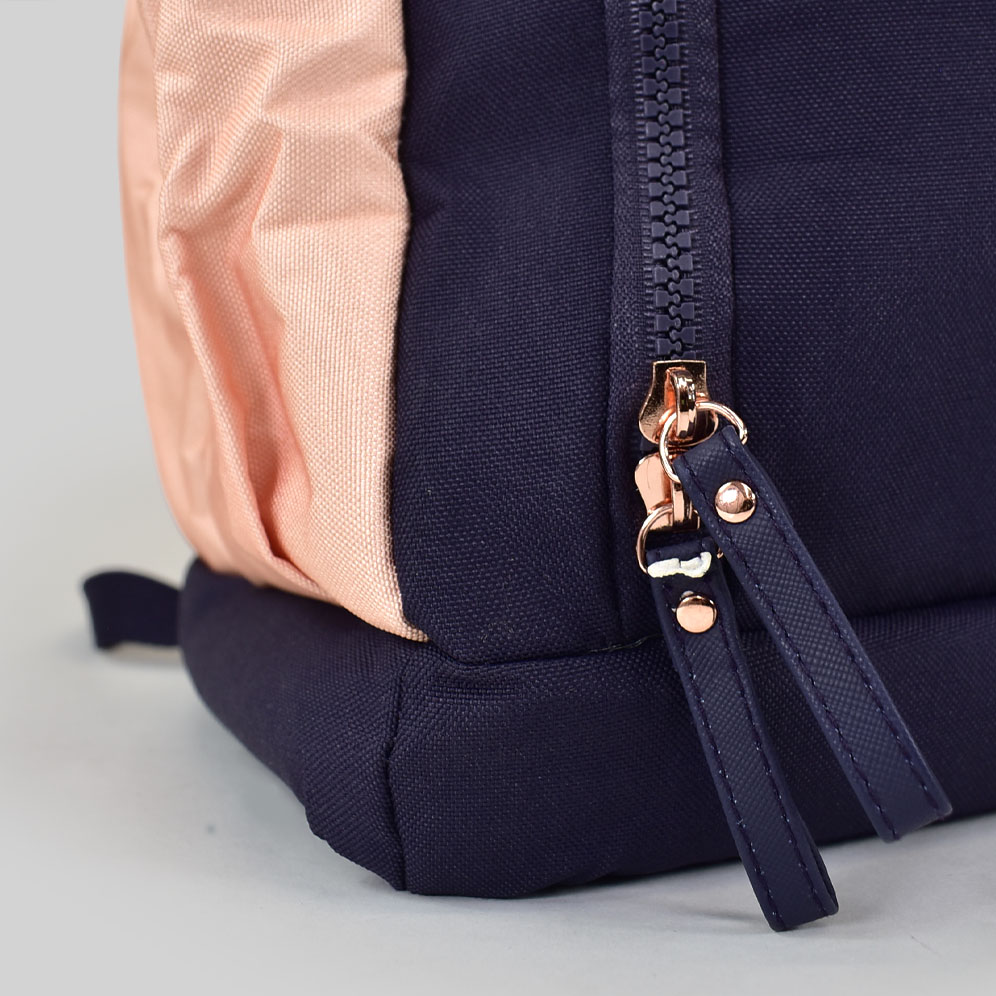
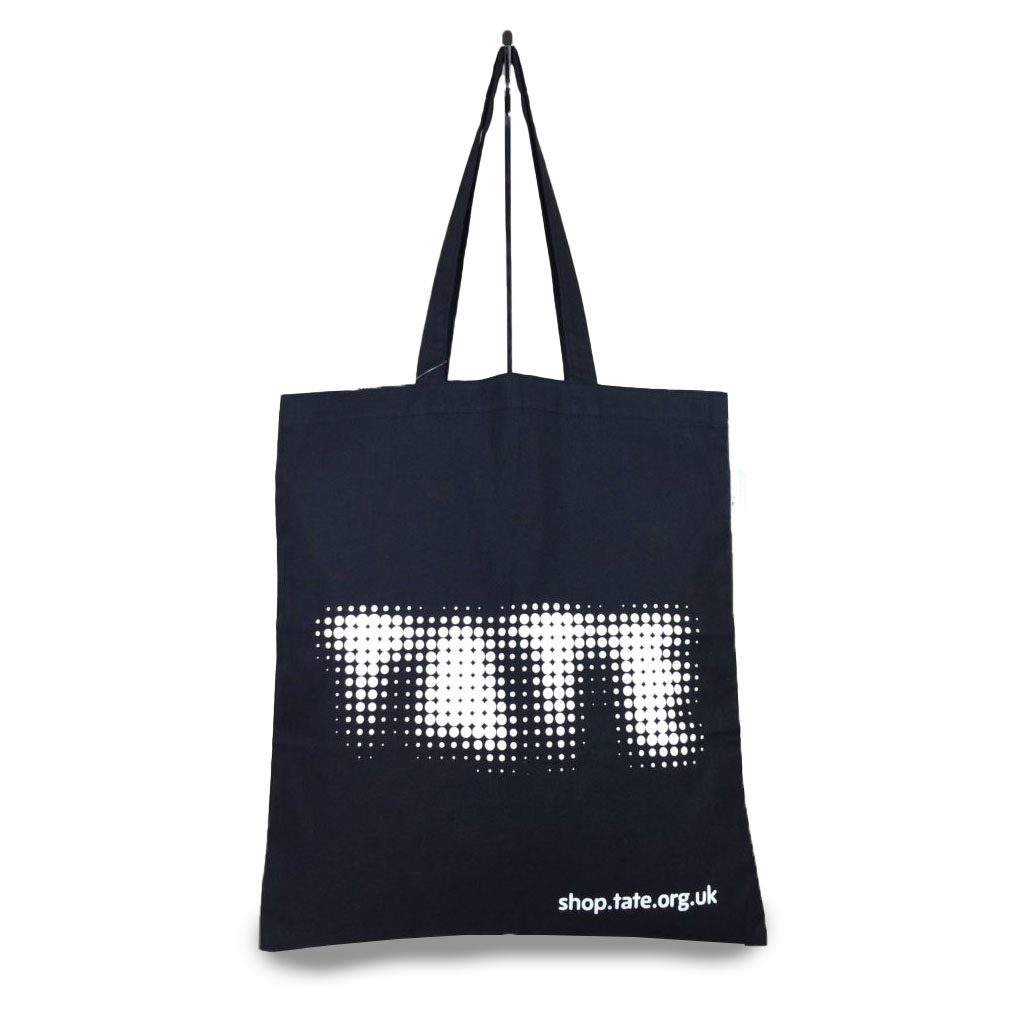
When we look at the technical side of bag production, the expertise of a sourcing agent becomes even more critical. The world of bag manufacturing is highly fragmented; a factory that excels at producing high-volume, lightweight promotional cotton totes for an institution like the Tate Modern may not be the right choice for a technical, insulated picnic bag for a luxury label like Laurent-Perrier. Sourcing agents maintain deep, long-term relationships with a diverse array of facilities across the globe, from the industrial hubs of China and Vietnam to specialized leather workshops in India and sustainable textile mills in Europe. They know which facility has the specific machinery for ultrasonic welding, which excels at intricate embroidery, and which has the most robust quality control (QC) protocols for heavy-duty hardware like rose-gold zippers or adjustable buckles.

This technical oversight extends into the burgeoning realm of sustainable manufacturing. Today’s consumer is no longer satisfied with "greenwashing"; they demand proof of ethical labor practices and environmental stewardship. A professional sourcing agent ensures that their partner factories have undergone rigorous third-party audits, such as SEDEX or BSCI, which monitor working conditions, fair wages, and the absence of child labor. They can also facilitate the sourcing of innovative, eco-friendly materials, such as GOTS-certified organic cotton, recycled ocean plastics, or vegan leathers made from pineapple or mushroom fibers. By integrating these elements into the production process, the agent helps the brand build a narrative of responsibility that resonates with the modern, conscious shopper, effectively future-proofing the brand against changing regulations and consumer sentiments.
From a financial perspective, a bag sourcing agent should be viewed as a strategic investment rather than a line-item expense. While agents typically charge a fee—often a percentage of the total order value—the savings they generate usually far outweigh their cost. Through their established volume and long-term factory relationships, they can often negotiate "factory-direct" pricing that an independent brand could never achieve on its own. Moreover, they provide transparent cost breakdowns that include every variable from raw material procurement and prototyping to freight forwarding and "last-mile" delivery. This transparency allows brand owners to see exactly where their money is going, enabling them to make informed decisions about where to invest in quality and where to find efficiencies.
For those ready to elevate their bag brand, the journey begins with a rigorous selection process for the right sourcing partner. The first step is to vet the agent’s specific experience within the bag and accessories category. Ask for a portfolio of previous work—does it include a variety of materials and complexities? For instance, have they produced high-spec items like the Booker Prize tote or specialized retail accessories for brands like Papersmiths? Inquire about their quality control process: Do they conduct mid-production inspections? Is there a final AQL (Acceptable Quality Level) check before the goods leave the factory floor? Understanding their logistics capability is equally vital. Can they handle the complexities of DDP (Delivered Duty Paid) shipping, or will you be left to navigate the paperwork of customs clearance yourself?

Once a partner is selected, the action plan moves into the crucial phase of prototyping and sampling. This is where the vision is tested against the realities of manufacturing. A skilled sourcing agent will take your initial sketches or "tech packs" and work with the factory to create a physical prototype. This stage allows for the refinement of dimensions, the testing of stress points (such as where handles meet the bag body), and the verification of color accuracy through Pantone matching. It is much more cost-effective to identify a flaw in a single sample than to discover it in a shipment of 5,000 units. The agent manages this back-and-forth, ensuring that the final production sample is a perfect representation of the brand’s intent.

The final stage of the sourcing journey is fulfillment and distribution. A comprehensive sourcing solution doesn’t end when the bags are packed into cartons. It involves strategic shipping—balancing the speed of air freight against the cost-effectiveness of sea or rail freight. It also involves ensuring that the goods are packed in a way that minimizes damage and optimizes container space. Some full-service agencies even offer warehousing and fulfillment services, allowing brands to scale without the overhead of managing their own logistics hubs. This end-to-end oversight ensures that the brand remains agile, able to respond to market trends and inventory needs with precision.

In conclusion, the decision to use a specialized bag sourcing agent is a decision to prioritize both the integrity of the design and the health of the bottom line. By leveraging local UK expertise, international factory networks, and deep technical knowledge, brands can navigate the global manufacturing landscape with confidence. Whether you are developing a signature line of retail handbags, a durable range of backpacks, or bespoke promotional carriers, the right partner ensures that your vision is never compromised by the complexities of the supply chain. In the competitive world of fashion and accessories, the "smart" solution is one that recognizes that while you may own the vision, an expert partner ensures its successful delivery to the world. Through meticulous planning, ethical sourcing, and rigorous quality control, you can maximize your margins while maintaining the high standards that define your brand’s identity.