

In the contemporary fashion and retail landscape, the chasm between a visionary design and a commercially viable product is often wider than many entrepreneurs anticipate. For bag brands aiming to carve out a niche in a saturated market, the challenge is two-fold: maintaining the uncompromising integrity of their aesthetic vision while simultaneously securing profit margins that allow for sustainable growth. This delicate balancing act is where the expertise of a specialised bag sourcing agent becomes not just an advantage, but a fundamental necessity. These professionals serve as the architects of the supply chain, translating creative concepts into tangible, high-quality goods that meet the rigorous demands of the modern consumer.

The global bag and luggage market is currently undergoing a significant transformation. Valued at over $160 billion and projected to grow steadily throughout the decade, the industry is seeing a shift toward "slow fashion," where durability and ethical manufacturing are prioritised over disposable trends. For a UK-based brand, tapping into this market requires a sophisticated understanding of global manufacturing hubs, material science, and international logistics. A sourcing specialist acts as a knowledgeable guide through this complex terrain, offering a curated network of international factories that have been vetted for their specific technical prowess, whether in luxury leatherwork, heavy-duty canvas construction, or the burgeoning field of recycled and eco-friendly textiles.

When a brand partners with a UK-based sourcing specialist, they are essentially hiring a gatekeeper for their reputation. These specialists do not merely find "a factory"; they find the right factory for the specific requirements of the project. A bespoke leather handbag requires a vastly different set of machinery and artisan skills than a technical recycled-polyester backpack or a high-volume promotional tote. By leveraging an established network, sourcing agents can match a brand’s design with a facility that specialises in that exact construction technique, ensuring that the final product is not just a facsimile of the design, but a high-performance realization of it.
The strategic advantage of working with a UK-based partner cannot be overstated. In an era of globalised trade, the "local" touch provides a layer of security that is often lost when dealing directly with overseas manufacturers. Direct communication in the same time zone, the ability to conduct business in Sterling to avoid currency volatility, and the presence of a dedicated project manager who understands the nuances of the UK retail market are invaluable assets. These project managers act as the brand’s eyes and ears on the factory floor, ensuring that the brand’s "DNA" is preserved through every iteration of the sampling and production process.

Furthermore, the financial rationale for using a sourcing agent is rooted in long-term ROI. While some brands view the agent’s fee as an additional cost, seasoned retailers understand it as a strategic investment that typically pays for itself through improved unit pricing and reduced waste. Sourcing agents possess significant "collective bargaining" power; because they manage multiple accounts, they can often secure better rates and lower minimum order quantities (MOQs) than a single brand could negotiate on its own. Moreover, they provide transparent cost breakdowns that include not just production, but shipping, duty, and insurance, preventing the "hidden costs" that frequently derail independent sourcing efforts.
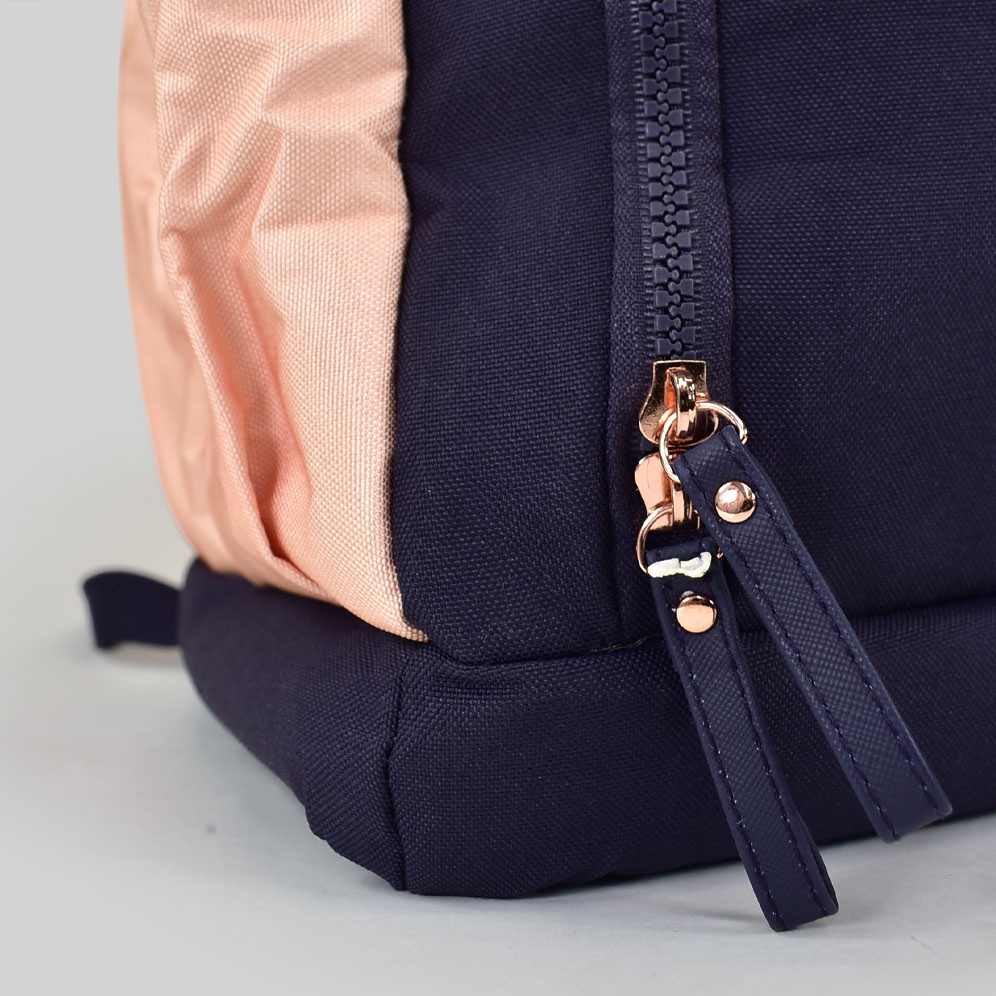
Quality control is the cornerstone of successful bag manufacturing, and it is here that a sourcing agent provides the most critical protection. The anatomy of a bag is surprisingly complex, involving various components—from zips and buckles to inner linings and reinforced stitching—each of which is a potential point of failure. A professional sourcing agency implements a multi-stage quality assurance protocol. This includes pre-production meetings to finalise technical files, in-line inspections during the sewing process to catch errors early, and a final AQL (Acceptable Quality Level) inspection before the goods leave the factory. For UK brands, ensuring that products meet local safety and quality standards is not just about brand pride; it is a legal requirement. Agents ensure that materials are compliant with REACH regulations and that all labelling—from fiber content to country of origin—meets the strict criteria for retail and online sales.
The modern consumer is also increasingly concerned with the "who" and "how" behind their purchases. Ethical and environmental transparency is no longer optional. A reputable bag sourcing partner prioritises "responsible manufacturing" by working with factories that undergo regular third-party audits, such as SEDEX or BSCI. These audits ensure fair wages, safe working conditions, and the absence of child labour. On the environmental front, sourcing agents are at the forefront of material innovation, helping brands source Global Recycled Standard (GRS) certified fabrics, organic cottons, and vegetable-tanned leathers that minimize the ecological footprint of the production cycle.

For a brand ready to transition from concept to market, the action plan should be methodical. It begins with a comprehensive design brief—a "tech pack"—that outlines every dimension, material, and hardware requirement. The sourcing agent then takes this brief to their factory network to obtain prototype samples. This iterative process is crucial; it allows the brand to test the "hand-feel" of the fabric, the smoothness of the zips, and the structural integrity of the handles. Once the sample is perfected and the "gold seal" is approved, mass production begins under the watchful eye of the agent’s quality control team.

The logistics of importing bags into the UK post-Brexit has become a significant hurdle for many small to medium enterprises. Navigating commodity codes, VAT deferment, and customs declarations requires specialised knowledge. A full-service sourcing agency manages this "last mile" of the journey, coordinating with freight forwarders to ensure that the goods move seamlessly from the factory port to the brand’s warehouse. This end-to-end management allows the brand owners to focus on what they do best: marketing, sales, and building customer relationships.

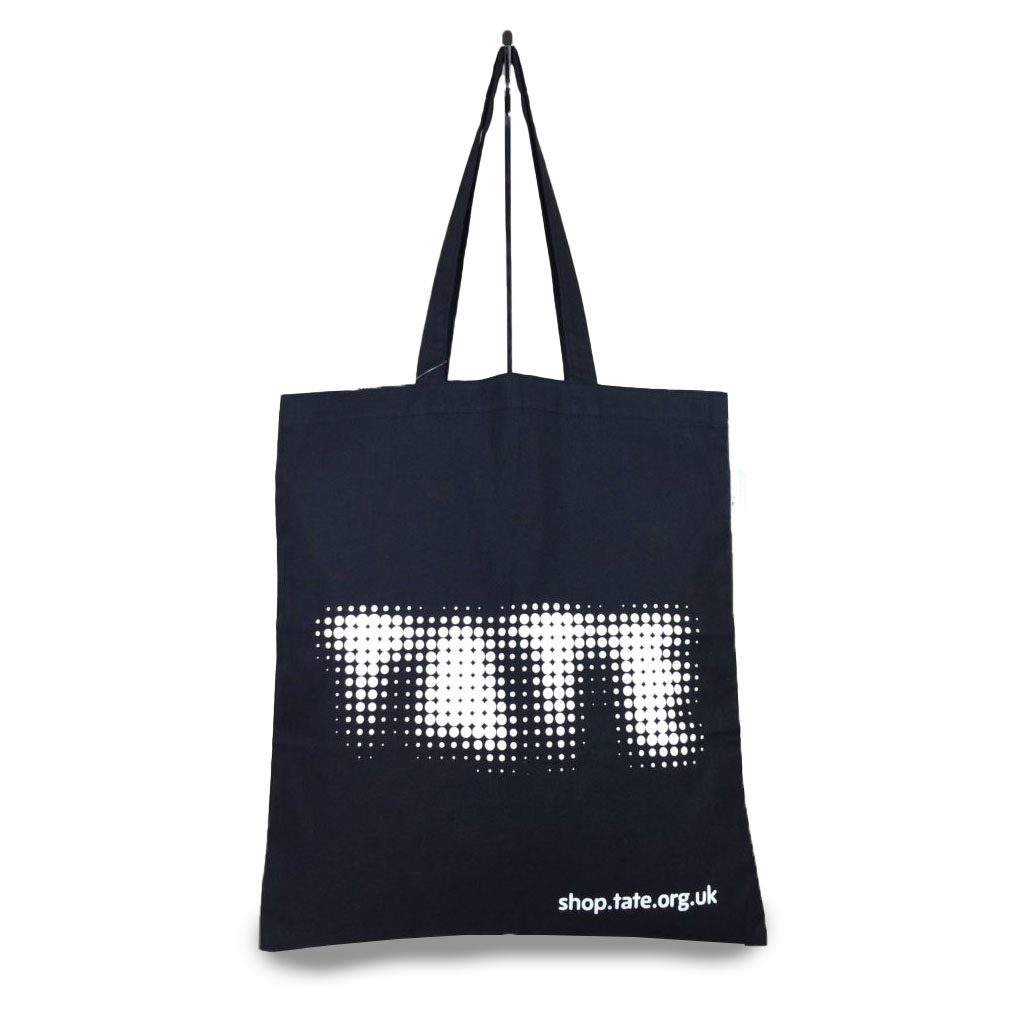
In conclusion, the path to a successful bag brand is paved with technical challenges that can easily overwhelm the uninitiated. Whether you are a luxury label like Laurent-Perrier looking for a sophisticated picnic bag, or a cultural institution like the Tate or MOMA requiring high-quality retail merchandise, the principles of smart sourcing remain the same. It is about finding a partner who shares your commitment to quality and your respect for the bottom line. By bridging the gap between UK design and global manufacturing excellence, a dedicated bag sourcing agent doesn’t just help you make a product; they help you build a profitable, sustainable, and respected brand. The smart bag sourcing solution is not about cutting corners—it is about finding the most efficient, ethical, and expert route to excellence. As the global market continues to evolve, those brands that invest in professional supply chain management will be the ones that not only survive but thrive, maintaining their vision while maximizing their margins in an increasingly competitive world.