

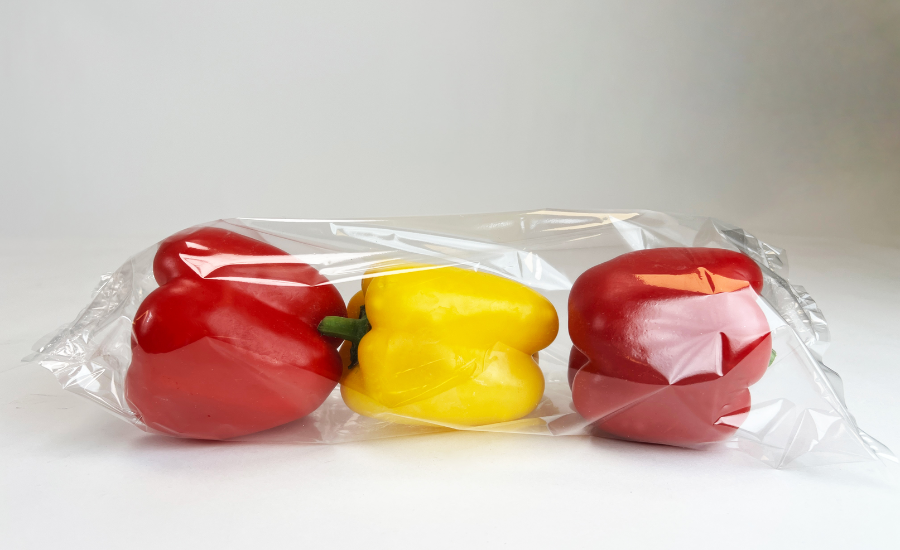
The global food packaging industry is currently navigating a period of unprecedented transformation, driven by a convergence of stringent regulatory mandates, shifting consumer ethics, and an urgent need to mitigate the environmental degradation caused by traditional petroleum-based plastics. At the forefront of this industrial evolution is Argos Packaging & Protection, a company that has recently unveiled a dual-pronged strategy to future-proof the fresh produce sector. By introducing two groundbreaking film technologies—norifresh™, a seaweed-based bio-polymer, and a high-performance BOPP film utilizing Prevented Ocean Plastic™—Argos is not merely reacting to market changes but is actively sculpting the future of sustainable logistics.
The catalyst for this innovation is the European Union’s Packaging and Packaging Waste Regulation (PPWR), a comprehensive legislative framework designed to harmonize packaging rules across member states and drastically reduce waste. Among its most disruptive provisions is the impending ban on single-use plastic packaging for small quantities of fresh fruit and vegetables. This "plastic-free" mandate has sent shockwaves through the supply chain, forcing producers and retailers to seek alternatives that maintain the delicate balance between product protection and ecological responsibility. Argos has responded to this challenge by offering two distinct paths: one rooted in the regenerative power of the ocean’s flora and the other in the circular reclamation of the ocean’s waste.
The first of these innovations, norifresh™, represents a paradigm shift in material science. Developed in a strategic partnership with the Swiss start-up noriware, norifresh™ is a 100% biobased top seal film derived entirely from seaweed. Unlike traditional plastics, which are synthesized from fossil fuels, norifresh™ leverages a renewable marine resource that requires no arable land, no fresh water, and no fertilizers to grow. This is a critical distinction in the context of global food security and land-use efficiency. By utilizing seaweed, Argos and noriware are tapping into a carbon-sequestering organism that grows at exceptional speeds, providing a truly sustainable feedstock for the next generation of packaging.
The technical specifications of norifresh™ are designed to satisfy the rigorous demands of the fresh food industry. Perhaps most importantly, under current and emerging EU definitions, norifresh™ is not classified as a plastic. This legal distinction is a strategic lifeline for producers of berries, tomatoes, and other delicate produce that may soon be prohibited from using conventional plastic wraps. By adopting a seaweed-based solution, companies can remain compliant with PPWR Article 22 and Annex V without sacrificing the transparency and protection that consumers expect.
Furthermore, the environmental profile of norifresh™ is staggering. Life Cycle Assessments (LCAs) indicate that the film achieves a 70% to 89% reduction in CO2 footprint compared to traditional polyethylene or polypropylene films. Beyond its carbon benefits, norifresh™ addresses the end-of-life crisis. It is engineered to be fully compatible with existing paper and cardboard recycling streams. This "monomaterial" approach allows consumers to dispose of the entire package—the cardboard tray and the norifresh™ seal—in a single bin, simplifying the recycling process and increasing the likelihood of material recovery.
In addition to its ecological credentials, norifresh™ offers functional advantages that could revolutionize shelf-life management. Initial trials suggest that the film possesses natural hygroscopic properties, meaning it can absorb excess moisture and significantly reduce condensation within the package. In the fresh produce world, moisture is the primary driver of microbial growth and spoilage. By regulating the internal microclimate of the package, norifresh™ has the potential to extend the window of freshness, thereby reducing food waste—a major contributor to global greenhouse gas emissions.
While norifresh™ addresses the need for fossil-free alternatives, Argos’s second major introduction focuses on the circular economy through the lens of mechanical recycling. In collaboration with Bantam Materials UK, the Prevented Ocean Plastic™ program, and Innovia Films, Argos has launched a new Biaxially Oriented Polypropylene (BOPP) film specifically for direct food contact. This film is a masterpiece of modern recycling technology, incorporating either 10% or 35% Post-Consumer Recycled (PCR) content sourced from "at-risk" coastal regions.
The Prevented Ocean Plastic™ initiative is a global award-winning program that prevents plastic from entering the ocean by creating a high-quality, traceable supply chain for plastic waste collected within 50 kilometers of an ocean coastline or major waterway that feeds into the ocean. By integrating this material into a BOPP film, Argos is providing a tangible solution to the ocean plastic crisis. This isn’t just about waste management; it is about social responsibility. The program supports local collection communities in regions that lack formal waste infrastructure, providing fair wages and safe working conditions.
From a regulatory standpoint, the new BOPP film is meticulously engineered to meet the highest safety standards. It complies with European Regulation (EU) 2022/1616, which governs recycled plastic materials and articles intended to come into contact with foods. The recycling process used to create the PCR content has been thoroughly assessed by the European Food Safety Authority (EFSA), ensuring that the material is as safe for consumers as virgin plastic. This is particularly vital as the PPWR moves toward mandating that all plastic packaging contains a minimum percentage of recycled content by 2030. By offering a 35% PCR option today, Argos is helping its clients leapfrog current requirements and prepare for the next decade of regulation.
One of the most significant barriers to the adoption of sustainable packaging is the "performance gap"—the fear that eco-friendly materials will not run efficiently on existing high-speed machinery. Argos has eliminated this concern with its Prevented Ocean Plastic™ BOPP film. The material is designed to be a "drop-in" solution, meaning it performs identically to conventional BOPP. It is compatible with both horizontal (HFFS) and vertical (VFFS) form-fill-seal packaging lines, requires no modifications to existing heat-sealing equipment, and is available in various formats, including perforated and high-definition printed versions. This ensures that the transition to sustainable packaging does not result in a loss of operational throughput or increased capital expenditure for the packer.
The dual-pathway approach adopted by Argos Packaging & Protection reflects a sophisticated understanding of the market’s complexities. There is no "silver bullet" for the packaging crisis; rather, the solution lies in a "silver buckshot" strategy—multiple solutions tailored to specific needs. For products where a total exit from the plastic category is desired or legally required, norifresh™ provides a bio-based, compostable-adjacent, and paper-recyclable route. For products where the high barrier properties and structural integrity of polypropylene are still necessary, the Prevented Ocean Plastic™ BOPP film offers a circular, low-impact alternative that cleans up the environment while fulfilling technical requirements.
As the packaging industry stands at this historic crossroads, the moves made by companies like Argos serve as a blueprint for the wider sector. The transition away from a linear "take-make-waste" model toward a circular and regenerative one is no longer a matter of corporate social responsibility—it is a matter of business survival. With the PPWR looming, the "wait and see" approach is no longer viable. Producers who fail to integrate these technologies now risk being excluded from the European market as bans on single-use plastics take effect.
In conclusion, the introduction of norifresh™ and the recycled ocean plastic BOPP film by Argos Packaging & Protection marks a significant milestone in the quest for sustainable food systems. By combining the ancient resilience of seaweed with the modern precision of mechanical recycling, Argos is proving that the future of packaging is not just about what we take from the earth, but how we protect what remains. These innovations offer a rare "triple win": they protect the planet by reducing carbon and plastic pollution, they protect the producer by ensuring regulatory compliance and operational efficiency, and they protect the consumer by providing safe, fresh, and ethically packaged food. As these materials move from the laboratory to the supermarket shelf, they signal the beginning of a new era in which the packaging is as wholesome as the produce it contains.